





Caffeine Overview: Properties, Applications, Safety & Sourcing Guide
Caffeine is a naturally occurring central nervous system stimulant belonging to the methylxanthine class of compounds. This widely consumed psychoactive substance appears naturally in coffee beans, tea leaves, cacao pods, and other plants, making it one of the most recognized chemicals on Earth.
Walk into any pharmacy and caffeine sits inside headache medications, enhancing pain relief and treating migraines. Visit beverage manufacturing facilities and caffeine powers energy drinks, sodas, and functional beverages. Open dietary supplement bottles and caffeine fuels pre-workout formulations and cognitive enhancers. Step into cosmetics laboratories and caffeine tightens skin in anti-cellulite creams and reduces puffiness in eye serums.
What makes caffeine simultaneously beneficial and potentially dangerous? The same stimulation that enhances alertness and fights fatigue also accelerates heart rate and disrupts sleep. The cognitive enhancement that improves focus also creates dependence with chronic use. The metabolism boost that aids weight loss also triggers anxiety in sensitive individuals. Every application balances caffeine's performance benefits against toxicity risks, particularly with pure powder formulations where dosing errors prove fatal.
Whether you're developing pharmaceutical formulations, creating energy beverages, manufacturing dietary supplements, or conducting neuroscience research, understanding caffeine's dose-dependent effects and toxicity thresholds prevents safety incidents while optimizing product performance. This guide examines everything from pharmacological mechanisms to regulatory requirements, providing practical information for working responsibly with this powerful stimulant compound.
Properties of Caffeine
Molecular structure determines pharmacological activity. Caffeine's methylxanthine framework creates characteristics making it therapeutically valuable while demanding respect for potential toxicity.
Key Facts About Caffeine
-
Compound Name: Caffeine
-
Synonyms: 1,3,7-Trimethylxanthine, Methyltheobromine, Guaranine, Theine, Trimethylxanthine, Caffeine anhydrous
-
Chemical Formula: C₈H₁₀N₄O₂
-
CAS Number: 58-08-2
-
RTECS Number: EV6475000
-
Molecular Weight: 194.19 g/mol
-
Appearance: White, odorless crystalline powder or needles with an intensely bitter taste
Density and Thermal Properties
At 20°C, caffeine weighs 1.23 g/cm³. The melting point ranges from 235-238°C (455-460°F), while sublimation begins at 178°C (352°F). Caffeine decomposes before reaching its boiling point, a characteristic important for processing and analysis. This sublimation property allows purification through heating without melting, useful for certain analytical procedures.
Solubility Characteristics
Room temperature water dissolves caffeine poorly, accepting only approximately 2 g per 100 mL at 25°C. However, heating dramatically increases solubility to 18 g per 100 mL at 80°C. This temperature-dependent behavior explains why hot coffee and tea extract caffeine more efficiently than cold brewing methods.
Caffeine dissolves freely in chloroform and dichloromethane, properties exploited during extraction and purification procedures. Ethanol, ether, and acetone show limited caffeine solubility. These varied solubility characteristics guide extraction method selection for isolating caffeine from natural sources or purifying synthetic material.
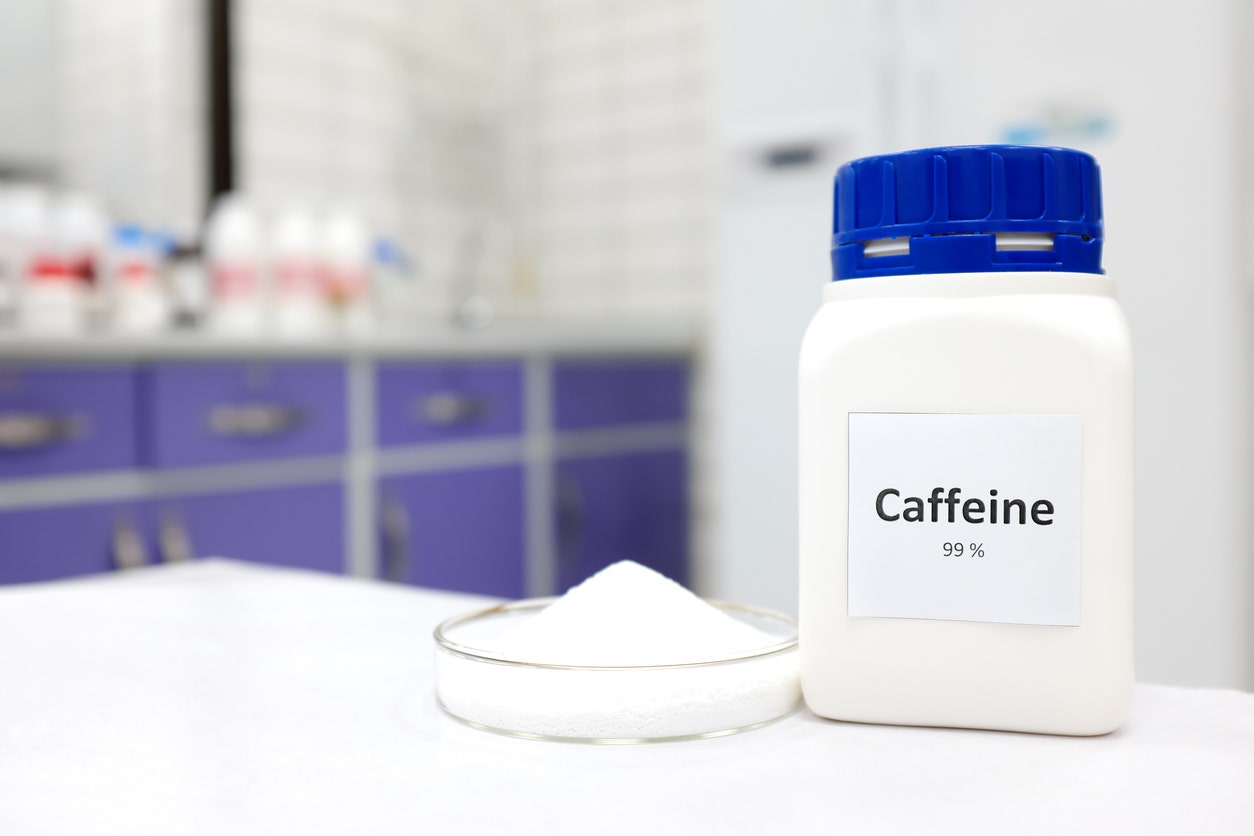
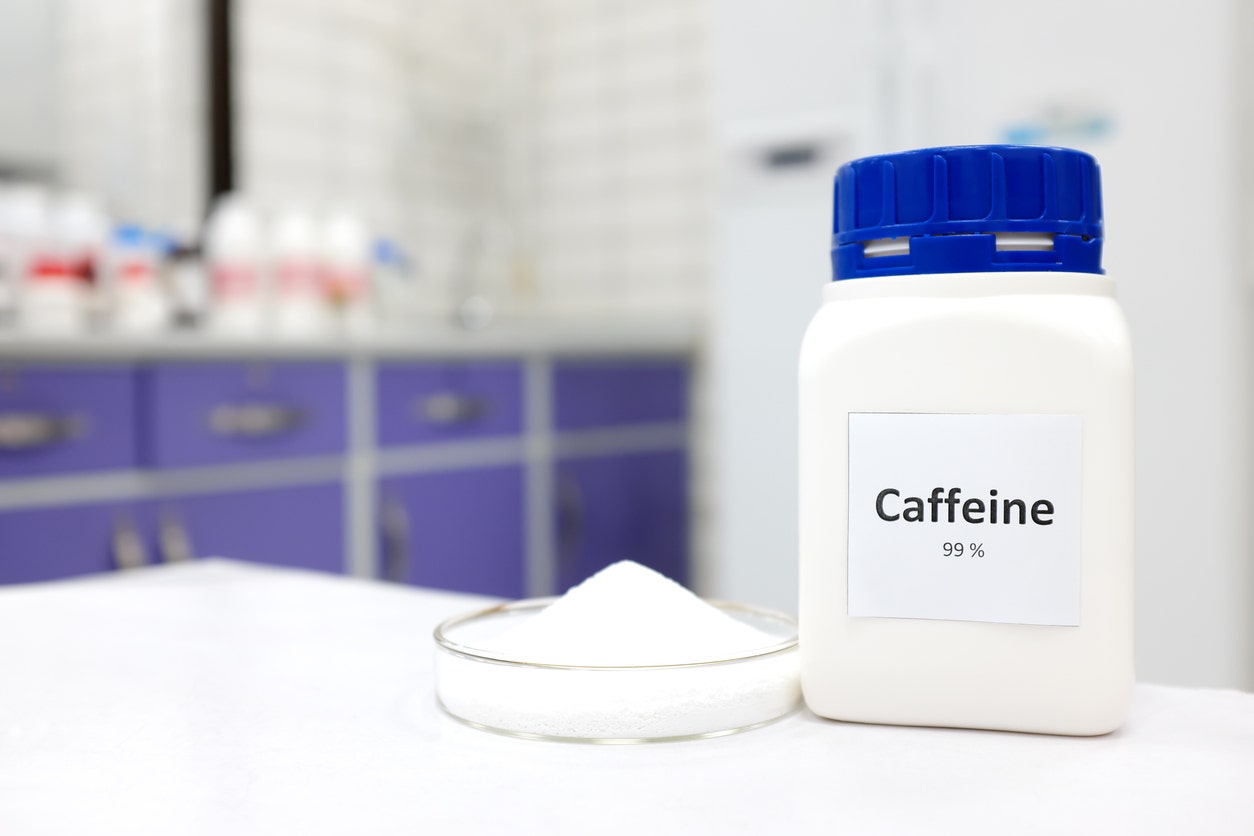
Caffeine is a naturally occurring central nervous system stimulant found in coffee beans, tea leaves, cacao pods, and other plants. In purified form, caffeine appears as a bitter, white crystalline powder widely used in pharmaceuticals, beverages, dietary supplements, cosmetics, and laboratory research. The compound stimulates the central nervous system, supports alertness and reduces fatigue, and functions as an active ingredient in medicines, energy products, and personal care formulations. U.S. laboratories and manufacturers sourcing caffeine by grade and purity contact Lab Alley at 512-668-9918 for product selection and ordering support.
pH and Stability
Aqueous caffeine solutions are weakly basic with a pH of approximately 6.9 for saturated solutions. This near-neutral pH prevents corrosion concerns and tissue irritation in pharmaceutical applications.
Stability under normal conditions remains excellent. Unlike compounds that polymerize or rapidly degrade, caffeine maintains chemical integrity during storage. However, prolonged heat exposure or UV light causes gradual decomposition. High temperatures accelerate breakdown, particularly important during beverage processing and pharmaceutical manufacturing.
Reactivity and Compatibility
Non-flammable as a solid, caffeine becomes combustible only under intense heat. This characteristic simplifies storage compared to flammable solvents, though standard chemical handling precautions still apply.
Incompatibilities include strong oxidizing agents, strong acids, and strong bases. Physical separation during storage prevents reactions from accidental contact. Interestingly, caffeine forms salts with acids, creating compounds like caffeine citrate and caffeine benzoate used in pharmaceutical formulations. These salts often show improved solubility compared to pure caffeine.
Hygroscopic behavior in humid conditions causes moisture absorption. Containers must remain tightly sealed preventing water uptake that affects weight-based dosing accuracy and potentially
Caffeine Forms and Grades
Multiple forms and purity grades serve different regulatory requirements and application needs.
Anhydrous Caffeine (USP/Pharmaceutical Grade)
Pure caffeine powder contains no water molecules, providing maximum potency per unit weight. Pharmaceutical formulations, dietary supplements, analytical standards, and research applications demand this form. Meeting United States Pharmacopeia (USP) or European Pharmacopoeia (EP) standards ensures purity typically 98.5-100%, supported by rigorous testing and documentation.
Caffeine Monohydrate
Contains one water molecule per caffeine molecule, slightly reducing caffeine content by weight compared to anhydrous forms. Food and beverage formulations, along with some pharmaceutical applications, use monohydrate. The water content affects calculations when formulating products to specific caffeine concentrations.
Natural Caffeine (Extracted)
Derived from natural sources, including coffee beans, tea, and guarana, extracted caffeine enables "naturally caffeinated" product labeling. Natural and organic formulations seek this material despite premium pricing over synthetic alternatives. Marketing advantages in natural product markets often justify higher costs.
Synthetic Caffeine
Chemically synthesized caffeine proves molecularly identical to natural caffeine. No analytical test distinguishes synthetic from natural caffeine since both share an identical chemical structure. Cost-effective production makes synthetic caffeine attractive for large-scale manufacturing, energy drinks, and pharmaceuticals. More economical than extraction, synthetic caffeine dominates commercial applications.
ACS Reagent Grade
High purity for analytical and research applications comes with certificates of analysis documenting exact specifications. Laboratory research, chromatography standards, and analytical chemistry demand this grade when precise composition and minimal impurities matter for experimental validity.
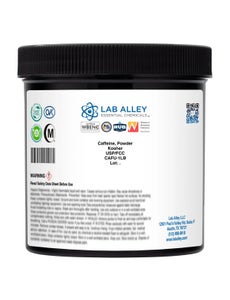
Caffeine from Lab Alley is available as a high-purity white crystalline powder meeting USP/FCC food-grade standards, suitable for food, beverage, pharmaceutical, and research applications. Packaging ranges from small laboratory containers to bulk drums and totes to support laboratory, manufacturing, and commercial supply needs.
Common Uses & Applications
Caffeine's central nervous system stimulation creates value across pharmaceutical, food, supplement, cosmetic, and research sectors.
Food & Beverage Industry Applications
Central nervous system stimulant properties appear in prescription medications treating various conditions. Caffeine citrate treats apnea in premature infants, stimulating breathing patterns in neonatal intensive care. Analgesic formulations incorporate caffeine for enhancing pain relief, with migraine and headache medications commonly combining caffeine with other active ingredients.
Fatigue and drowsiness treatment uses caffeine for temporary alertness restoration. Adjuvant roles in combination products with aspirin or acetaminophen exploit caffeine's ability to potentiate pain-reliever effectiveness, allowing lower doses of primary analgesics.
Dietary Supplements & Nutraceuticals
Pre-workout supplements and sports nutrition products feature caffeine prominently for performance enhancement. Weight loss and metabolism-boosting formulations incorporate caffeine for thermogenic effects. Cognitive enhancement and nootropic supplements use caffeine alone or combined with other compounds for mental performance.
Energy and alertness supplements provide convenient caffeine delivery in capsule or tablet form. Thermogenic fat-burning products combine caffeine with other stimulants and metabolic compounds.
Cosmetics & Personal Care Applications
Anti-cellulite creams and body treatments use caffeine for purported skin-tightening effects. Eye creams and serums incorporate caffeine for reducing puffiness through vasoconstriction. Anti-aging skincare formulations include caffeine for antioxidant properties.
Hair care products use caffeine to stimulate hair follicles, claiming improved growth. Skin tightening and firming products feature caffeine as an active ingredient in topical applications.
Research & Laboratory Uses
Neuroscience and pharmacology research employs caffeine for studying central nervous system mechanisms. Analytical chemistry standards and reference materials require high-purity caffeine for method validation. Cell culture and biological research use caffeine for various experimental protocols.
Chromatography standards for HPLC and GC rely on caffeine as a test compound. Studies on metabolism, cognition, and performance investigate caffeine's wide-ranging physiological effects.
Industrial Applications
Chemical synthesis intermediate roles use caffeine as a starting material for producing related compounds. Insecticide formulations historically incorporated caffeine, though this application has declined. Agricultural research examines caffeine effects on plant growth and pest resistance.
Fight Your Kidney Stone with This Natural Product Hack
Fight kidney stones. Discover how citric acid naturally prevents stone formation.
Is Lactic Acid Bad? A Look at the Health Science
Is lactic acid bad for you? Debunking myths and revealing its vital role in your body & beyond.
Hospitality Without Hitchhikers: Boric Acid’s Role in Bed Bug Prevention
Protect your hospitality business. Boric acid is key to preventing bed bug infestations.
Harnessing Silica Sulfuric Acid to Enhance Concrete Durability
Enhance concrete longevity. Silica sulfuric acid improves strength and chemical resistance.
Safety Information
Caffeine toxicity represents the primary hazard, particularly with pure powder, where small measurement errors create dangerous doses. Understanding lethal thresholds and toxicity symptoms prevents serious incidents.
Hazards & Precautions
Toxicity: Can be harmful or fatal if swallowed in large quantities. The estimated lethal dose reaches 10-14 grams for adults, though individual tolerance varies significantly. This represents approximately 50-100 typical cups of coffee consumed rapidly, but only 2-3 teaspoons of pure powder, making accurate measurement critical.
Health Effects - Ingestion: Excessive consumption causes restlessness, nervousness, excitement, insomnia, tremors, increased heart rate, nausea, and vomiting. Severe toxicity triggers seizures, cardiac arrhythmias, and death without emergency treatment. Symptoms appear within 30-60 minutes following ingestion.
Health Effects - Inhalation: Dust may irritate the respiratory tract. Avoid breathing powder during handling and transfer operations. While less dangerous than ingestion, inhalation warrants precautions in dusty environments.
Health Effects - Skin: Generally not a significant skin irritant. Prolonged contact may cause mild irritation in sensitive individuals. Dermal absorption remains minimal compared to ingestion or inhalation routes.
Health Effects - Eyes: Dust causes mechanical irritation, producing discomfort and tearing. Flush eyes immediately if powder contact occurs.
Chronic Exposure: Chronic excessive use leads to caffeine dependence, tolerance development, sleep disturbances, and cardiovascular effects, including elevated blood pressure. Withdrawal symptoms include headaches, fatigue, and irritability.
Sensitive Populations: Pregnant women, children, individuals with heart conditions, and those with anxiety disorders should limit caffeine intake. Caffeine crosses the placental barrier and appears in breast milk, affecting developing fetuses and nursing infants.
Personal Protective Equipment (PPE)
Safety goggles or glasses prevent eye contact with dust during powder handling. Dust masks or respirators protect the respiratory system when working with powder in poorly ventilated areas. Protective gloves (nitrile or latex) prevent skin contact when handling large quantities.
Lab coats or protective clothing prevent dust accumulation on personal garments. Practice good hygiene, washing hands thoroughly after handling, to prevent accidental ingestion from contaminated hands touching food or the mouth.
Storage Guidelines
Store in cool, dry, well-ventilated areas away from incompatible materials. Keep containers tightly closed, preventing moisture absorption and contamination. Protect from light and heat, which accelerate decomposition.
Store away from strong oxidizers, strong acids, and strong bases. Keep out of reach of children and unauthorized personnel due to toxicity concerns. Use appropriate labeling indicating contents and hazards, particularly warning about ingestion dangers.
Emergency Procedures
Spill: Avoid dust formation. Sweep up or vacuum with a HEPA filter, placing material in the appropriate waste container. Ventilate the area during cleanup.
Exposure - Eyes: Flush with water for at least 15 minutes. Seek medical attention if irritation persists.
Exposure - Skin: Wash with soap and water. Seek medical attention if irritation develops.
Exposure - Inhalation: Move to fresh air. If breathing is difficult, provide oxygen. Seek medical attention for significant exposures.
Exposure - Ingestion: DO NOT induce vomiting. Seek immediate medical attention. Provide activated charcoal if directed by poison control. Emergency treatment may include gastric lavage, supportive care, and seizure control. Time-critical intervention improves outcomes for serious overdoses.
Regulatory & Classification
Caffeine faces varied regulatory frameworks depending on application and concentration.
OSHA Classification
Not specifically regulated as a workplace hazardous substance under OSHA standards. General industrial hygiene practices apply during handling and processing.
NIOSH Recommendations
No specific occupational exposure limits established. Minimize dust exposure through good ventilation and work practices. Standard chemical handling protocols prevent worker exposure.
FDA Status
Generally Recognized As Safe (GRAS) when used in cola-type beverages at levels not exceeding 0.02%. Approved food additive for cola-type beverages under 21 CFR 182.1180. Regulated in dietary supplements under DSHEA (Dietary Supplement Health and Education Act).
An over-the-counter stimulant drug monograph exists for certain uses. Subject to labeling requirements for dietary supplements and medications specifying caffeine content and appropriate warnings.
DEA Status
Not a controlled substance. No restrictions under the Controlled Substances Act distinguish caffeine from controlled stimulants like amphetamines.
DOT Classification
Not regulated as a hazardous material for transportation. May ship as a non-hazardous chemical. Proper shipping name: "Caffeine" or "Chemical, N.O.S." simplifies logistics compared to hazardous materials requiring special handling.
International Regulations
The European Union permits caffeine as a food additive with labeling requirements for high-caffeine beverages. WHO establishes no specific ADI (Acceptable Daily Intake), though intake recommendations exist. Various countries regulate caffeine content in beverages and supplements. Some jurisdictions restrict sales of pure caffeine powder to consumers following fatalities from accidental overdoses.
Environmental Considerations
Biodegradable material readily metabolizes through microorganisms. Low bioaccumulation potential prevents environmental persistence. However, caffeine can be toxic to aquatic organisms at high concentrations. Dispose according to federal, state, and local regulations. Avoid release to waterways where accumulation harms ecosystems.

How to Safely Dispose of Sulfuric Acid
Sulfuric acid is one of the most common acidifying reagents and sulfur sources, essential across multiple industries. At the same time, it is also a toxic and highly hazardous chemical reagent, requiring safe handling and disposal by trained personnel.
How To Use Nitric Acid Safely
Nitric acid is a corrosive chemical and harmful to humans. Its contact with skin and eyes can cause serious burns. Affected skin will require flushing with soap and lukewarm water for at least 30 minutes.
Acetone Safety: Proper Storage and Disposal Methods
Acetone is a staple chemical solvent in most laboratories. It is also perhaps one of the most recognizable chemicals to the layperson, best known as the pungent solvent comprising nail polish remover.
How to Use Potassium Iodide Safely and Where to Buy it Online
Potassium Iodide Powder, also known as Potassium Salt of Hydriodic Acid, Iodic Acid Potassium Salt, Potassium Monoiodide, and Knollide, has the chemical formula KI. It appears as a white crystalline powder, odorless, and is soluble in water at ambient conditions.
Medicinal Oils Derived From Plants
You can order food-grade ethanol, extraction-grade ethanol, ACS-grade ethanol, FCC-grade ethanol, USP grade ethanol, HPLC-grade ethanol and kosher ethanol from Lab Alley. Perform ethanol (EtOH) extraction at ultra-low temperatures for the best yields.
Ethanol extraction is a cost-effective way to use ethanol as an industrial solvent to produce high-quality botanical extracts from large volumes of medicinal herbs or plants.
Caffeine Grades and Pack Sizes
Available Grades & Purities
USP/NF Grade provides pharmaceutical quality material meeting United States Pharmacopeia and National Formulary standards. Purity typically 98.5-100% supports pharmaceutical formulations and dietary supplements requiring documented quality.
ACS Reagent Grade serves analytical applications with certificates of analysis documenting exact specifications. Laboratory research and chromatography standards demand this purity level.
Food Grade meets requirements for beverage and food applications. Appropriate documentation supports FDA compliance for products containing caffeine as an ingredient.
Natural Caffeine extracted from plant sources enables natural product labeling claims. Premium pricing reflects extraction costs versus synthetic production.
Synthetic Caffeine provides chemically manufactured material identical to natural caffeine at economical pricing. Large-scale manufacturing and cost-sensitive applications prefer synthetic sources.
Technical Grade serves non-pharmaceutical industrial uses where pharmaceutical purity exceeds requirements. Certificates of analysis available upon request verify specifications.
Pack Sizes & Bulk Availability
Lab Alley offers caffeine powder in sizes ranging from 500 g to 25 kg for laboratory, food, and industrial applications. Standard packaging sizes include 500 g, 1 lb, 1 kg, 2.5 kg, 12.5 kg, 25 kg, and 50 lb containers.
USP/FCC food-grade caffeine from Lab Alley meets kosher, halal, GRAS, and GMO-free standards. Secure packaging protects the powder from moisture and contamination during storage and shipment, helping maintain product purity and stability.
Regulatory Requirements
Sales may be restricted in some jurisdictions due to consumer safety concerns regarding pure caffeine powder. Fatal overdoses from mismeasured powder prompted regulatory scrutiny. Appropriate labeling is required, including warnings about toxicity at high doses.
Food-grade material requires proper documentation for use in food and beverage applications. USP-grade material requires certificates of analysis supporting pharmaceutical quality claims. Businesses must comply with FDA regulations for use in dietary supplements and over-the-counter medications.
FAQs
What is Caffeine, and how does it work in the body?
What are the potential side effects of Caffeine consumption?
How should Caffeine be stored to prevent degradation?
Does Caffeine have an expiration date?
What is the difference between natural and synthetic Caffeine?
Natural caffeine gets extracted from coffee beans, tea leaves, or other plant sources through solvent extraction or water processes. Synthetic caffeine results from chemical synthesis starting with urea or other precursors. Both forms share an identical chemical structure (C₈H₁₀N₄O₂) and identical physiological effects. No laboratory test distinguishes natural from synthetic since molecular identity is complete. Natural caffeine costs more due to extraction expenses but enables "naturally caffeinated" labeling claims valued in certain markets. Synthetic caffeine dominates commercial applications through superior economics while delivering identical performance.