





Chloroform Overview: Properties, Uses, Safety & Buying Guide
Chloroform, also known as trichloromethane, is a colorless, sweet-smelling, and dense liquid with the chemical formula CHCl₃. This versatile organic solvent has played a significant role in chemistry and industry for over a century. While its use as an anesthetic has been discontinued due to safety concerns, chloroform remains valuable in industrial manufacturing, laboratory research, and chemical synthesis applications.
This comprehensive guide covers everything you need to know about chloroform, including its fundamental properties, practical applications, safety requirements, and sourcing information for your specific needs.
Properties of Chloroform
Understanding the physical and chemical characteristics of chloroform is essential for selecting the right grade and handling it safely. Its unique properties make it particularly useful as a solvent and chemical intermediate, though they also require careful consideration of safety protocols.
Key Facts About Chloroform
-
Compound Name: Chloroform
-
Synonyms: Trichloromethane, Methane trichloride, Methyl trichloride, Formyl trichloride, Refrigerant-20 (R-20), UN 1888
-
Chemical Formula: CHCl₃
-
CAS Number: 67-66-3
-
Molar Mass: 119.38 g/mol
-
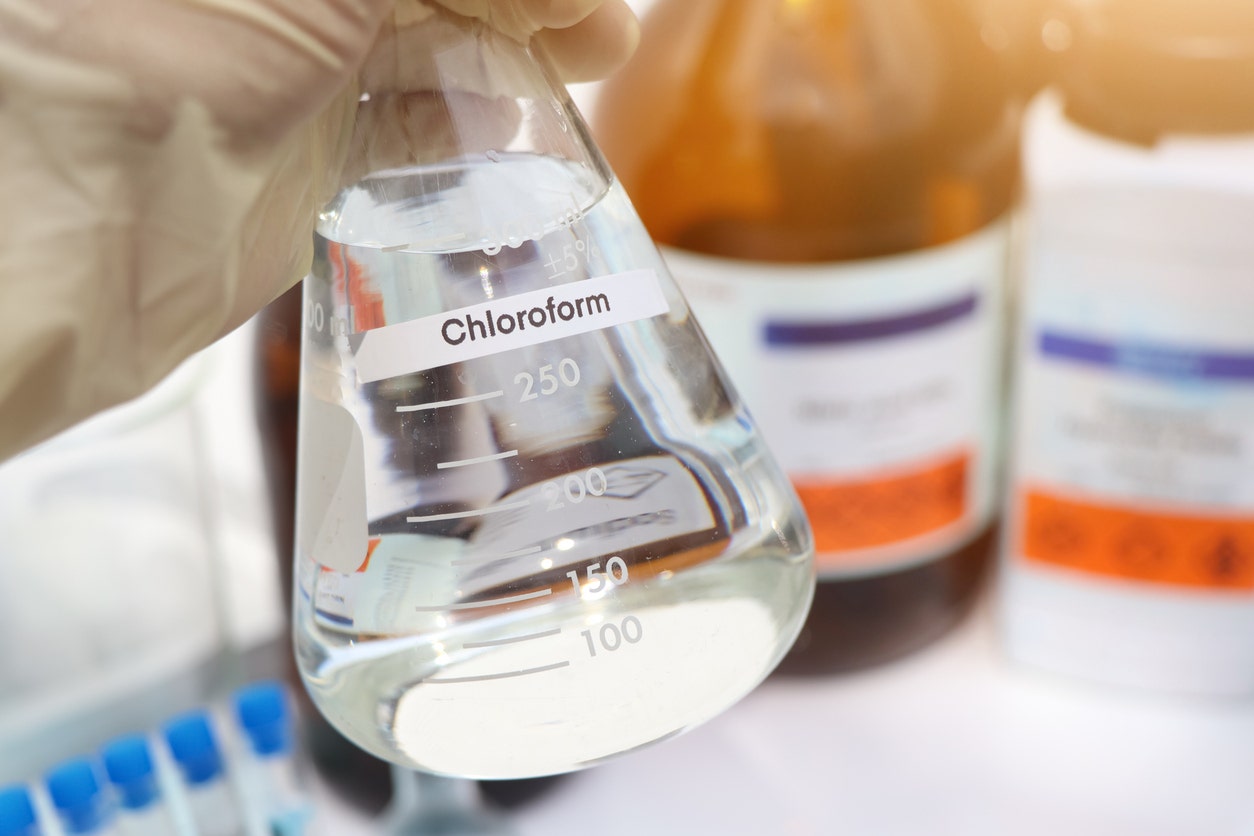
Appearance: Colorless, clear liquid with a sweet, pleasant ether-like odor
Density
Chloroform has a density of approximately 1.49 g/cm³ at 20°C, making it significantly denser than water. This high density is advantageous in separation processes and extractions, where the chloroform layer will settle below aqueous layers. The density difference also affects handling procedures and equipment selection in industrial applications.
Boiling and Melting Points
Chloroform has a density of approximately 1.49 g/cm³ at 20°C, making it significantly denser than water. This high density is advantageous in separation processes and extractions, where the chloroform layer will settle below aqueous layers. The density difference also affects handling procedures and equipment selection in industrial applications.
Chloroform is a chlorinated organic solvent widely used in laboratory research, chemical manufacturing, pharmaceutical processing, and industrial extraction applications. The compound is a clear, colorless liquid valued for its strong solvent properties, chemical stability, and ability to dissolve oils, fats, resins, alkaloids, and other organic materials in controlled industrial and scientific environments. U.S. laboratories and manufacturers sourcing chloroform by grade and purity can contact Lab Alley at 512-668-9918 for product selection and ordering support.
Solubility Profile
While chloroform shows limited solubility in water (approximately 0.8 g/100 mL at 20°C), it mixes completely with most organic solvents, including alcohol, ether, benzene, and other chlorinated compounds. This selective solubility makes chloroform particularly valuable for liquid-liquid extractions and purification processes where you need to separate organic compounds from aqueous solutions.
pH Level
Since chloroform is a non-polar organic solvent, it doesn't exhibit acidic or basic properties in aqueous solutions and maintains a neutral pH. This characteristic makes it suitable for processes where pH control is critical, as it won't interfere with the acid-base balance of reaction systems.
Reactivity and Handling Considerations
Chloroform demonstrates several important reactivity patterns that affect its storage and use. It reacts with sodium hydroxide (NaOH) to form sodium formate (HCOONa), sodium chloride (NaCl), and water (H₂O). More concerning is its tendency to decompose slowly when exposed to air and light, producing toxic phosgene (COCl₂) and hydrochloric acid (HCl) gases.
Furthermore, chloroform can participate in various organic reactions, including the haloform reaction, and can undergo Reimer-Tiemann and Carbylamine reactions. It can form explosive mixtures in alkaline media, particularly when combined with acetone under specific conditions. While chloroform itself is non-flammable, burning it produces highly toxic combustion products that pose serious health risks.
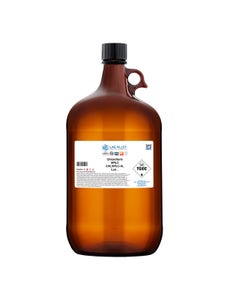
Chloroform from Lab Alley is available in multiple grades and purity levels, with packaging options ranging from small laboratory containers to bulk drums and totes for laboratory, industrial, and manufacturing applications.
Uses & Benefits
The versatility of chloroform stems from its excellent solvent properties and chemical reactivity. Despite safety restrictions that have limited some traditional applications, it continues to serve important roles across multiple industries and research fields.
Industrial Applications
In industrial settings, chloroform serves primarily as a chemical intermediate rather than a final product. It's widely used as a precursor in manufacturing refrigerants, particularly in the production of chlorofluorocarbons (CFCs) like Freon, though environmental regulations have reduced this application. Additionally, chloroform acts as an intermediate in the production of PTFE (polytetrafluoroethylene) and other specialized plastics and resins that require its unique chemical properties.
Scientific & Laboratory Uses
Laboratories rely heavily on chloroform as a versatile solvent for organic synthesis, extractions, and analytical procedures. Its ability to dissolve a wide range of organic compounds makes it particularly valuable in chromatography and purification processes. Chloroform also serves as a reference solvent in spectroscopic studies, including FTIR and NMR analysis, where its well-characterized properties provide reliable standards.
Historically, chloroform gained fame as one of the first general anesthetics and sedatives, though this application has been completely abandoned due to its toxicity and the development of safer alternatives.
Consumer & Household Uses
Modern consumer applications of chloroform are extremely limited due to safety regulations and health concerns. In the past, it appeared in cleaning solvents, degreasers, and spot removers, but these uses have been largely phased out in favor of less toxic alternatives due to toxicity concerns.
Specialized Applications
The pharmaceutical and cosmetics industries continue to use chloroform as a chemical intermediate in manufacturing processes, though not in final consumer products. Similarly, chloroform is used in agriculture in some pesticide formulations, though direct use is heavily regulated.

Fight Your Kidney Stone with This Natural Product Hack
Fight kidney stones. Discover how citric acid naturally prevents stone formation.

Is Lactic Acid Bad? A Look at the Health Science
Is lactic acid bad for you? Debunking myths and revealing its vital role in your body & beyond.

Hospitality Without Hitchhikers: Boric Acid’s Role in Bed Bug Prevention
Protect your hospitality business. Boric acid is key to preventing bed bug infestations.
Harnessing Silica Sulfuric Acid to Enhance Concrete Durability
Enhance concrete longevity. Silica sulfuric acid improves strength and chemical resistance.
Safety Information
The safety profile of chloroform requires serious attention, as it presents multiple health and environmental hazards. Understanding these risks and implementing appropriate safety measures is essential for anyone working with this chemical.
Hazards & Precautions
Chloroform poses significant toxicity risks through multiple exposure routes. It is highly toxic by inhalation, ingestion, and skin absorption, primarily affecting the central nervous system, liver, and kidneys. Acute exposure symptoms may include dizziness, nausea, and respiratory depression, while chronic exposure raises serious concerns about carcinogenic potential.
Unlike many organic solvents, chloroform is not flammable under normal conditions. However, when heated or burned, it decomposes to produce extremely toxic gases, including phosgene, creating serious respiratory hazards that can be fatal.
Personal Protective Equipment (PPE)
Working with chloroform requires comprehensive personal protection. Gloves resistant to solvents (such as nitrile), safety goggles, and lab coats provide essential protection, and all work should be conducted in well-ventilated areas or under fume hoods to minimize inhalation exposure.
Respiratory protection may be necessary for extended use or when working with large quantities, though proper ventilation usually provides adequate protection for typical laboratory applications.
Storage Guidelines
Proper storage of chloroform is critical for maintaining safety and product integrity. Store in airtight, light-resistant containers in cool, dry, well-ventilated areas away from strong bases, alkali metals, and oxidizers to prevent dangerous reactions.
Since chloroform decomposes when exposed to air and light, minimize container opening and store in dark areas. Avoiding prolonged exposure to air and light reduces decomposition risks and helps maintain product quality over time.
Spill & Disposal Procedures
Chloroform spills require immediate containment to prevent environmental release and vapor accumulation. Use absorbent materials and ensure adequate ventilation during cleanup. All contaminated materials must be disposed of as hazardous chemical waste according to local regulations to minimize environmental and health risks.
Never allow chloroform to enter drains, waterways, or soil, as it can contaminate groundwater and harm aquatic ecosystems.

How to Safely Dispose of Sulfuric Acid
Sulfuric acid is one of the most common acidifying reagents and sulfur sources, essential across multiple industries. At the same time, it is also a toxic and highly hazardous chemical reagent, requiring safe handling and disposal by trained personnel.
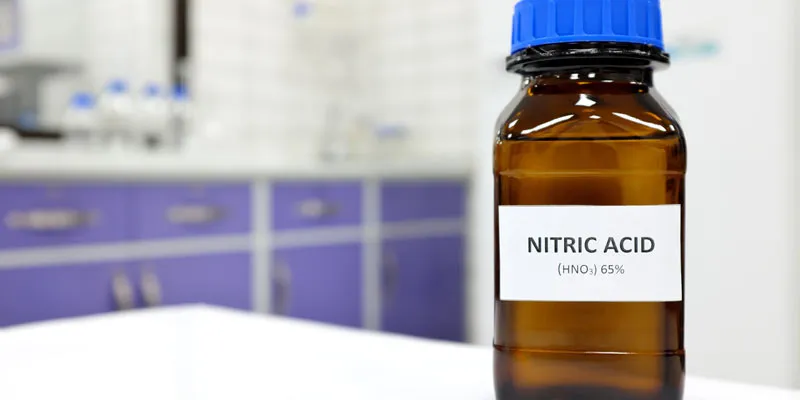
How To Use Nitric Acid Safely
Nitric acid is a corrosive chemical and harmful to humans. Its contact with skin and eyes can cause serious burns. Affected skin will require flushing with soap and lukewarm water for at least 30 minutes.

Acetone Safety: Proper Storage and Disposal Methods
Acetone is a staple chemical solvent in most laboratories. It is also perhaps one of the most recognizable chemicals to the layperson, best known as the pungent solvent comprising nail polish remover.

How to Use Potassium Iodide Safely and Where to Buy it Online
Potassium Iodide Powder, also known as Potassium Salt of Hydriodic Acid, Iodic Acid Potassium Salt, Potassium Monoiodide, and Knollide, has the chemical formula KI. It appears as a white crystalline powder, odorless, and is soluble in water at ambient conditions.
Medicinal Oils Derived From Plants
You can order food-grade ethanol, extraction-grade ethanol, ACS-grade ethanol, FCC-grade ethanol, USP grade ethanol, HPLC-grade ethanol and kosher ethanol from Lab Alley. Perform ethanol (EtOH) extraction at ultra-low temperatures for the best yields.
Ethanol extraction is a cost-effective way to use ethanol as an industrial solvent to produce high-quality botanical extracts from large volumes of medicinal herbs or plants.
Grades and Pack Sizes
Chloroform is available through specialized chemical suppliers in various grades and packaging options to meet different application requirements. However, purchasing may be subject to regulatory restrictions depending on your location and intended use.
Available Grades & Purities
-
ACS (American Chemical Society) Grade: Meets American Chemical Society specifications for analytical and research applications requiring high purity and low impurity levels.
-
USP (United States Pharmacopeia) Grade: Conforms to United States Pharmacopeia standards, suitable for pharmaceutical and medical research applications.
-
Industrial Grade: Cost-effective option for large-scale manufacturing and industrial processes where ultra-high purity isn't essential.
-
High-Purity Laboratory Grade: Specialized grades with enhanced purity specifications for sensitive analytical work and research applications.
Pack Sizes & Bulk Availability
-
Small quantities: Laboratory bottles ranging from 500mL to 1-liter containers for research, analytical work, and routine laboratory applications.
-
Intermediate quantities: 4-liter, 5-gallon, and 20-liter containers for mid-sized applications, pilot-scale operations, and medium-volume laboratory work.
-
Bulk options: 55-gallon drums available for industrial manufacturing applications, shipped via LTL freight with custom shipping rates provided upon request.
For high-quality chloroform in various grades and packaging sizes, Lab Alley provides reliable, laboratory-tested products with comprehensive documentation and safety data sheets. Our experienced team can help you select the appropriate grade and packaging for your specific application, ensuring compliance with relevant regulations.
Contact our sales team for current availability, pricing information, and certificates of analysis to meet your chloroform requirements.
FAQs
What is Chloroform and where does it come from?
Chloroform is a synthetic organic compound produced industrially through the methane chlorination process or as a byproduct in the manufacture of other chlorinated compounds. It doesn't occur naturally in significant quantities.
Are there any side effects of using Chloroform?
How should Chloroform be stored?
Does Chloroform expire?
Yes, chloroform can degrade over time, especially when exposed to air and light, forming toxic decomposition products. Always check expiration dates and certificates of analysis, and dispose of old or discolored chloroform properly.