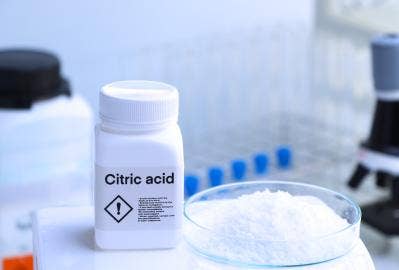






Citric Acid Overview: Properties, Applications, Safety & Sourcing Guide
Citric acid, also known as 2-hydroxy-1,2,3-propanetricarboxylic acid, is a colorless, crystalline organic acid with the chemical formula C₆H₈O₇ that functions as a fundamental ingredient across numerous sectors. This naturally occurring compound plays a vital role in food and beverage production, pharmaceutical formulations, cosmetic products, household cleaning solutions, and diverse manufacturing operations globally.
If you're formulating food products, creating pharmaceutical compounds, designing cosmetic formulations, or performing laboratory analysis, knowing citric acid's characteristics and appropriate handling protocols proves essential for obtaining desired outcomes while upholding safety requirements.
This comprehensive resource delivers detailed information about citric acid, addressing its core properties, practical uses throughout different industries, safety guidelines, and procurement factors to support well-informed choices for your particular needs.
Properties of Citric Acid
Citric acid's distinctive physical and chemical characteristics establish its value for uses demanding a safe, environmentally friendly acidulant and metal-binding agent. These qualities also necessitate vigilant monitoring of environmental conditions and proper handling methods to avoid humidity uptake and preserve material quality.
Key Facts About Citric Acid:
-
Compound Name: Citric acid
-
Synonyms: 2-Hydroxy-1,2,3-propanetricarboxylic acid, β-Hydroxytricarballylic acid, E330, Anhydrous citric acid, Citro
-
Chemical Formula: C₆H₈O₇
-
CAS Number: 77-92-9 (anhydrous), 5949-29-1 (monohydrate)
-
Molar Mass: 192.12 g/mol (anhydrous), 210.14 g/mol (monohydrate)
-
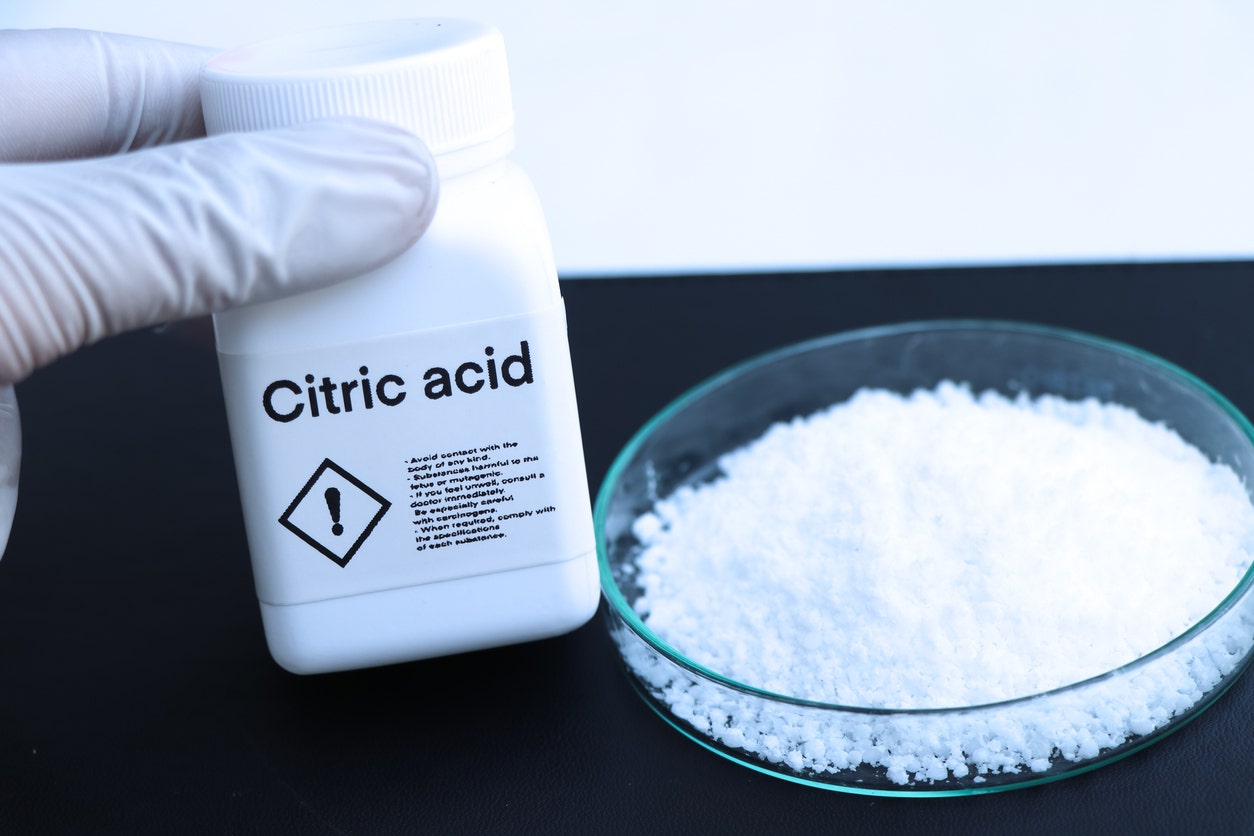
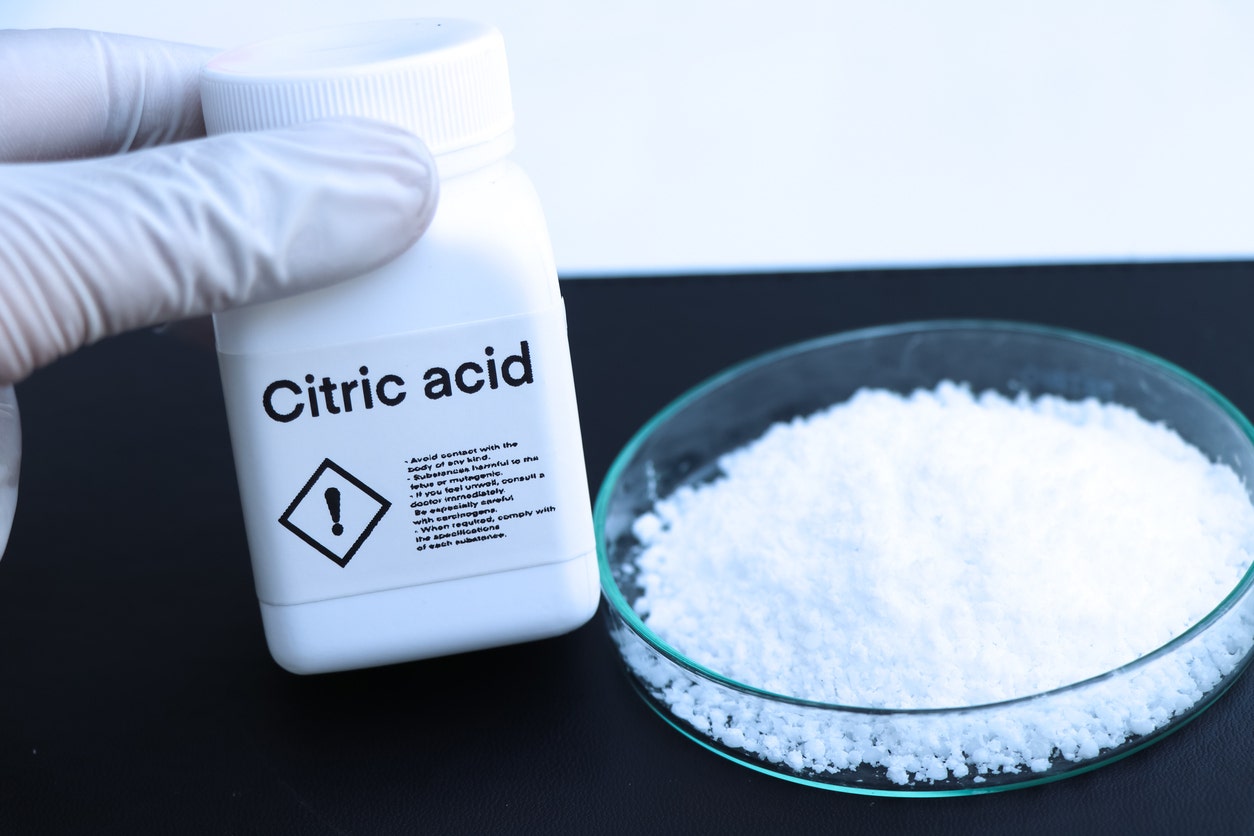
Appearance: Colorless to white crystalline powder or crystals, odorless with a sharp acidic taste
Density Characteristics
Citric acid exhibits stable density measurements that vary based on water content. The water-free version shows approximately 1.665 g/cm³ density at 20°C. This property influences transportation logistics, container sizing, and equipment design for commercial operations.
Thermal Properties
Citric acid displays distinctive thermal behavior involving breakdown rather than conventional phase transitions. Decomposition begins near 175°C accompanied by carbon dioxide and water release, whereas the anhydrous version melts at 153°C and the monohydrate variant at 100°C. Given that breakdown occurs prior to achieving conventional boiling, temperature-dependent processes demand precise thermal management to avoid undesired chemical changes.
Citric acid is a common organic acid used in food, beverages, cosmetics, pharmaceuticals, and industrial products. It supports pH control, flavor adjustment, preservation, chelation, and cleaning performance. Laboratories, manufacturers, and food processors in the United States looking for high-purity citric acid can contact Lab Alley at 512-668-9918 to order the right grade and concentration for their specific requirements.
Solubility Characteristics
Superior water solubility ranks among citric acid's most beneficial attributes, dissolving readily and mixing completely at ambient conditions. Water uptake reaches 54% at 10°C and expands to 84% at 100°C. This outstanding aqueous solubility positions citric acid ideally for liquid preparations, drink production, and medication development. The compound also dissolves well in ethanol (76% at 15°C) and minimally in ether, offering advantages for targeted separation and refinement methods.
pH Behavior
Citric acid solutions demonstrate acidic pH readings, generally spanning 1.8 to 2.2 for concentrated preparations. This acidic character stems from three carboxylic acid groups within the molecular structure and influences interaction with other substances in mixed products. These pH properties also determine performance in food conservation, cleaning solutions, and pharmaceutical buffer systems.
Reactivity and Stability Considerations
Citric acid's primary reactive feature involves creating ionic compounds (citrates) when combined with metals, ammonium, and organic bases. This metal-binding capability makes it useful for sequestering metallic ions throughout diverse uses.
The material undergoes esterification when mixed with alcohols, producing citrate ester compounds employed in specialized applications. Three separate dissociation equilibria exist due to multiple carboxylic acid groups, delivering pH control capability across varied acidity levels.
Citric acid breaks down when heated beyond 175°C, yielding CO₂ and water. Reactions occur with oxidizing chemicals, alkaline substances, and metal nitrates, where certain mixtures pose explosion risks. Though not ignitable, citric acid will burn. The substance shows excellent shelf stability in properly sealed containers protected from humidity, though its water-attracting nature requires humidity management.
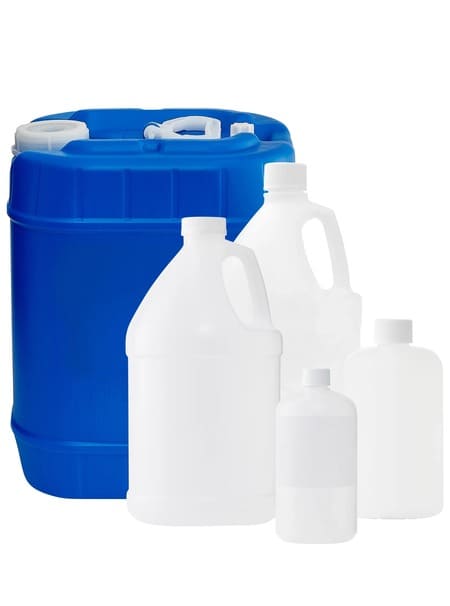
Citric acid sold by Lab Alley comes in Food, Pharmaceutical, Cosmetic, Technical, and High-Purity Analytical Grades, with concentrations from anhydrous to monohydrate forms and container sizes ranging from small bottles to 55-gallon drums.
Applications & Benefits
Citric acid's extensive adoption throughout varied sectors results from its favorable safety record, outstanding dissolution properties, functional flexibility, and environmental compatibility. With GRAS recognition, it continues fulfilling crucial functions in numerous situations requiring acidification, preservation, metal chelation, or acidity regulation.
Food & Beverage Applications
Food and drink producers employ citric acid broadly as a natural antimicrobial and acidifying agent in carbonated beverages, confections, and prepared foods. Its capacity to deliver sour notes while prolonging product viability makes it irreplaceable in drink recipes, where it augments taste characteristics and inhibits spoilage.
The substance operates as an acidity controller and taste modifier, delivering the signature tart flavor in many items. Its oxidation-preventing qualities inhibit discoloration and fat degradation in foods by sequestering metal ions that accelerate oxidative deterioration.
Citric acid also functions as a stabilizing agent in frozen dairy products to avoid lipid separation and works as a freshness-maintaining compound in baked items and sweets, preserving desirable consistency and quality during storage.
Cosmetic & Personal Care Uses
Beauty product manufacturers depend on citric acid as an alpha-hydroxy compound in skin treatments for surface renewal and age-resistance formulations. Its capacity to gently eliminate deceased cellular material encourages cellular regeneration and enhances dermal texture and visual quality.
Product developers utilize citric acid for acidity adjustment in hair cleansers, conditioning treatments, and toiletry preparations, guaranteeing items remain chemically balanced and functionally sound. Its tissue-contracting and oxidation-resisting qualities strengthen cosmetic uses, while its metal-binding attributes stop metallic elements from damaging fragrances and producing color changes.
Citric acid provides the reactive component in fizzing bath products, where its interaction with alkaline carbonates generates the sought-after effervescent response.
Pharmaceutical Applications
Pharmaceutical companies widely incorporate citric acid as an inactive ingredient in medication preparations and sterile liquid formulations. Its pH-stabilizing capacity helps sustain appropriate acidity levels in liquid medicines, guaranteeing drug stability and patient well-being.
Citric acid delivers blood-thinning characteristics by binding calcium ions, making it beneficial in blood specimen collection and preservation procedures. It operates as a pH-controlling element in pharmaceutical recipes, managing acidity throughout various preparations.
Medical uses additionally encompass its inclusion as a therapeutically active substance in certain treatments, where its metal-binding and acidifying characteristics deliver medicinal advantages.
Industrial Applications
Manufacturing operations deploy citric acid principally as a metal-cleaning and mineral-removing agent owing to its chelating characteristics. Its capability to eliminate mineral accumulations from machinery, conduits, and thermal exchangers without aggressive corrosion establishes a preference over harsher mineral acids.
The substance serves vital functions in aqueous treatment and ion-exchange restoration operations, where it extracts metallic ions and revitalizes resin materials effectively. Textile manufacturers utilize citric acid for fabric coloring procedures and acidity management during manufacturing stages.
Citric acid appears in residential cleaning products and laundry formulations, delivering biodegradable cleaning effectiveness. Specialized uses encompass photographic development as a reaction-stopping solution, where it terminates film processing reactions.
Fight Your Kidney Stone with This Natural Product Hack
Fight kidney stones. Discover how citric acid naturally prevents stone formation.

Is Lactic Acid Bad? A Look at the Health Science
Is lactic acid bad for you? Debunking myths and revealing its vital role in your body & beyond.
Hospitality Without Hitchhikers: Boric Acid’s Role in Bed Bug Prevention
Protect your hospitality business. Boric acid is key to preventing bed bug infestations.
Harnessing Silica Sulfuric Acid to Enhance Concrete Durability
Enhance concrete longevity. Silica sulfuric acid improves strength and chemical resistance.
Safety Information
Handling citric acid demands understanding potential health impacts and establishing suitable protective protocols to safeguard workers. Though typically ranked among safer acids for manipulation, correct procedures remain necessary for sustaining workplace protection.
Health Hazards & Precautions
Citric acid causes minor irritation to the dermis, ocular tissue, and breathing passages following direct exposure. The substance holds GRAS recognition for nutritional use by the FDA, demonstrating its minimal toxicity characteristics.
Although citric acid presents minimal immediate toxicity, concentrated preparations may irritate contacted tissues. Prolonged intake might contribute to tooth enamel deterioration gradually, especially with regular contact with acidic drinks or items.
The material's humidity-reactive and water-attracting qualities mean it readily captures atmospheric moisture, affecting manipulation and containment needs though not constituting direct health danger.
Personal Protection Requirements
Workers handling citric acid should don chemical-resistant hand protection, with nitrile suggested for concentrated material contact. Eye protection, including safety spectacles, guards against powder or liquid exposure during manipulation tasks.
Laboratory garments or protective attire should be utilized when processing substantial amounts to reduce dermal contact. Proper airflow assists in reducing powder breathing, especially during powdered form handling or material movement, preventing respiratory discomfort.
Proper Storage Methods
Preserving citric acid quality demands placement in temperature-controlled, moisture-free, adequately aired spaces within securely closed vessels. Since humidity capture represents the principal quality concern, limiting exposure to damp environments preserves material integrity and prevents solidification.
Vessels should stay distant from incompatible substances, including powerful alkalis and oxidizing materials that might initiate unwanted chemical interactions. The material remains chemically stable under typical containment circumstances with negligible breakdown across time.
The monohydrate variant should stay below 40-50°C to avoid water departure through efflorescence, which can modify the hydration condition and influence product parameters.
Emergency Response Procedures
Citric acid requires immediate cleanup by collecting released material and transferring it into appropriate vessels for removal. Prevent creating airborne particles during cleanup tasks to inhibit respiratory contact and sustain visual clarity.
Limited quantities can undergo neutralization with sodium bicarbonate when necessary before removal, though citric acid's biodegradable character renders it environmentally benign in most circumstances. Minor releases might flush to drainage with abundant water, where authorized by regional rules.
The material generally biodegrades and poses minimal environmental concerns, reducing worries about ecological damage when correctly handled and eliminated following standard protocols.

How to Safely Dispose of Sulfuric Acid
Sulfuric acid is one of the most common acidifying reagents and sulfur sources, essential across multiple industries. At the same time, it is also a toxic and highly hazardous chemical reagent, requiring safe handling and disposal by trained personnel.
How To Use Nitric Acid Safely
Nitric acid is a corrosive chemical and harmful to humans. Its contact with skin and eyes can cause serious burns. Affected skin will require flushing with soap and lukewarm water for at least 30 minutes.

Acetone Safety: Proper Storage and Disposal Methods
Acetone is a staple chemical solvent in most laboratories. It is also perhaps one of the most recognizable chemicals to the layperson, best known as the pungent solvent comprising nail polish remover.
How to Use Potassium Iodide Safely and Where to Buy it Online
Potassium Iodide Powder, also known as Potassium Salt of Hydriodic Acid, Iodic Acid Potassium Salt, Potassium Monoiodide, and Knollide, has the chemical formula KI. It appears as a white crystalline powder, odorless, and is soluble in water at ambient conditions.
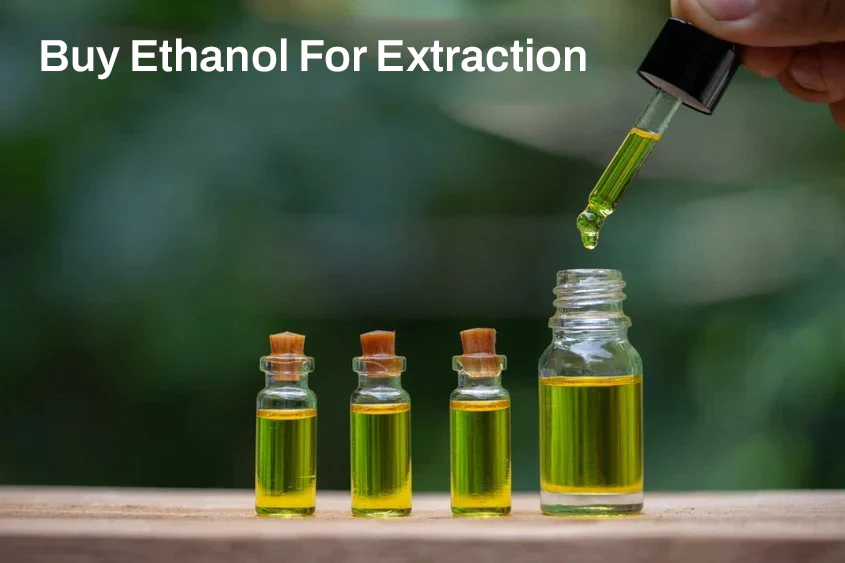
Medicinal Oils Derived From Plants
You can order food-grade ethanol, extraction-grade ethanol, ACS-grade ethanol, FCC-grade ethanol, USP grade ethanol, HPLC-grade ethanol and kosher ethanol from Lab Alley. Perform ethanol (EtOH) extraction at ultra-low temperatures for the best yields.
Ethanol extraction is a cost-effective way to use ethanol as an industrial solvent to produce high-quality botanical extracts from large volumes of medicinal herbs or plants.
Available Grades and Packaging Options
Citric acid comes through chemical distributors in multiple quality levels and vessel dimensions to suit different application demands and consumption quantities. Choosing suitable grades depends on purity requirements, planned usage, and regulatory adherence necessities.
Standard Grade Classifications
- Food Grade (FCC): Satisfies Food Chemicals Codex criteria for nutritional and drink uses, with rigorous restrictions on heavy metals and alternative contaminants. Contains 99.5-100.5% citric acid appropriate for direct food incorporation.
- Pharmaceutical Grade (USP/BP): Adheres to United States Pharmacopeia or British Pharmacopoeia requirements for medicinal uses, sterile preparations, and pharmaceutical production, with elevated purity demands and contamination restrictions.
- Technical Grade: Economical choice appropriate for industrial cleaning, manufacturing operations, and uses where nutritional or pharmaceutical purity requirements aren't essential.
- Cosmetic Grade: Deliberately refined for personal care items and cosmetic preparations, satisfying beauty industry purity and safety criteria for topical uses.
- Analytical Grade (ACS): Satisfies American Chemical Society requirements for laboratory and research uses demanding consistent purity standards and thorough analysis documentation, with minimal contaminants that might disrupt analytical methods.
- High-Purity Research Grades: Exceptionally pure variants for specialized research uses demanding maximum quality and minimal contamination concentrations.
Container Sizes and Bulk Options
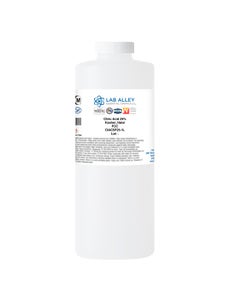
- Small quantities: Laboratory vessels from 100g to 1kg for research, educational, and limited-scale uses demanding precise quantities for experimentation and development activities.
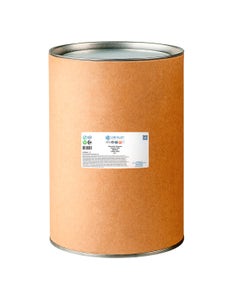
- Medium quantities: Multi-kilogram vessels spanning 5kg to 25kg for pilot-scale operations, medium-volume manufacturing, and commercial uses demanding regular provision.
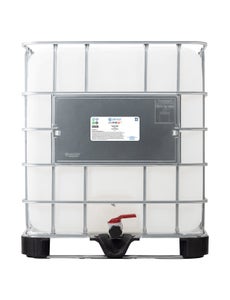
- Bulk options: Large vessels, including 500kg and 1000kg dimensions for high-volume uses, commercial operations, and manufacturing processes demanding consistent provision chains and economical procurement.
Both anhydrous and monohydrate variants exist across most quality levels, permitting selection of the suitable hydration condition for particular application demands and containment circumstances.
For dependable citric acid in multiple quality levels and packaging arrangements, Lab Alley supplies laboratory-verified products with comprehensive documentation, including certificates of analysis and safety data sheets. Our technical assistance staff can help with quality selection and packaging choices to satisfy your particular application demands while guaranteeing regulatory adherence.
Contact our knowledgeable sales staff for present pricing, availability details, and technical parameters to satisfy your citric acid demands.