




Denatured Ethanol Overview: Properties, Applications, Safety & Sourcing Guide
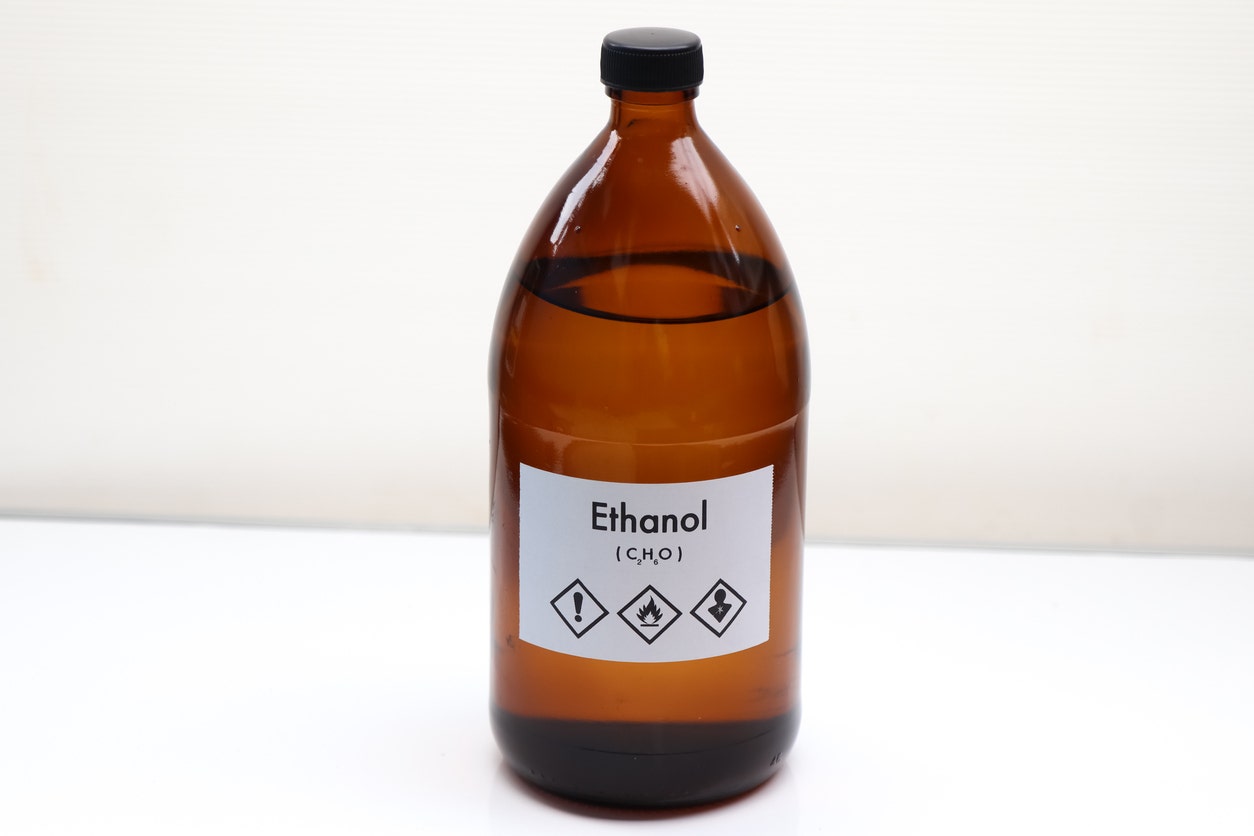
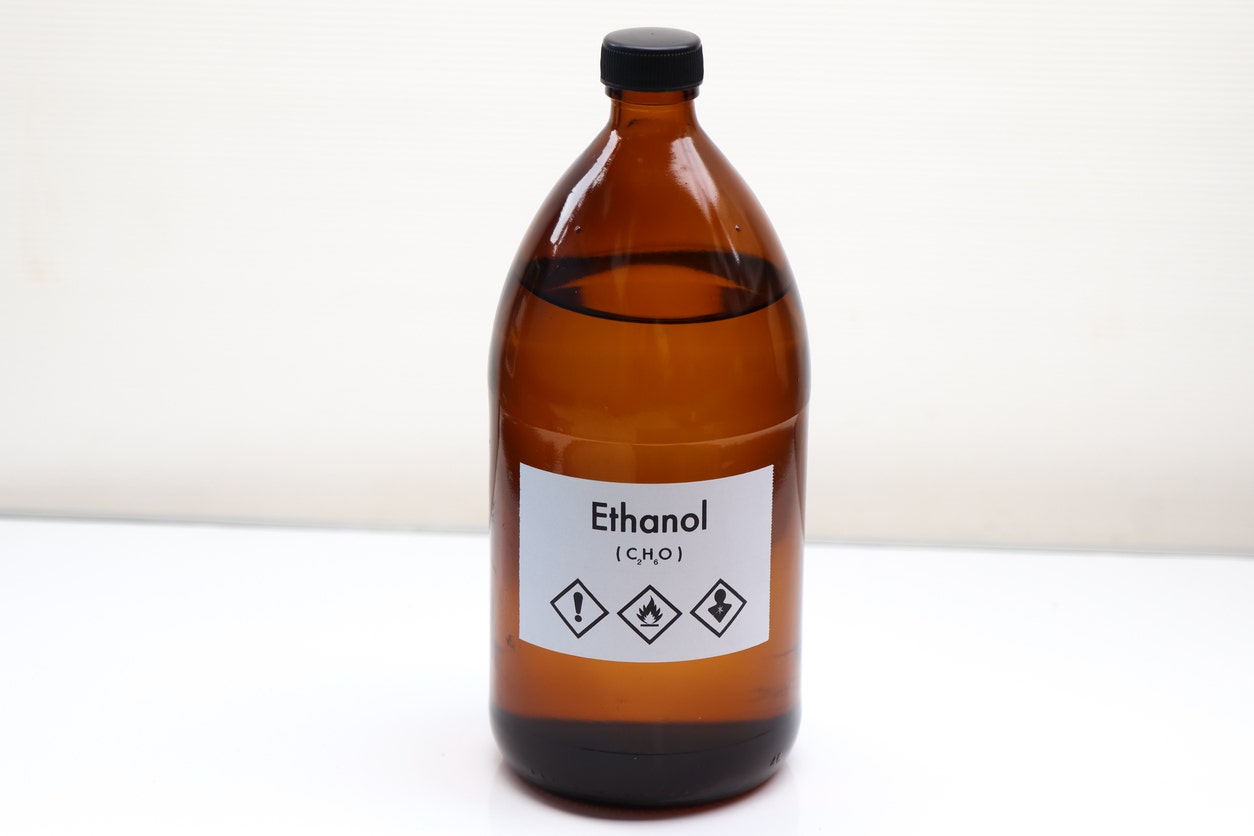
Denatured ethanol is ethyl alcohol that contains toxic additives (denaturants) designed to make it poisonous, bad-tasting, foul-smelling, or nauseating to discourage recreational consumption. This modified alcohol contains the same base ethanol molecule (C₂H₆O) mixed with other chemicals to form a solution that renders it unfit for beverage use. Denatured ethanol is widely used across multiple industries as a cost-effective alternative to pure ethanol, serving as an industrial solvent, fuel additive, cleaning agent, and manufacturing chemical while avoiding beverage taxes.
Understanding denatured ethanol matters whether you're formulating industrial products, developing cosmetic preparations, conducting laboratory research, or managing manufacturing operations. The combination of flammability and toxic denaturants creates unique challenges that pure ethanol doesn't present. Getting the formulation and handling protocols right ensures both safety and regulatory compliance.
This comprehensive resource covers denatured ethanol's properties, applications across different industries, safety protocols, and sourcing considerations to help you make informed decisions for your specific needs.
Properties of Denatured Ethanol
The molecular structure of non-denatured ethanol creates characteristics that make it invaluable across industries while demanding careful handling and regulatory compliance.
Key Facts About Denatured Ethanol
- Compound Name: Denatured ethanol
-
Synonyms: Methylated spirits, Denatured alcohol, Industrial alcohol, SDA (Specially Denatured Alcohol), CDA (Completely Denatured Alcohol), Reagent alcohol, Metho, Meths, UN 1170
-
Base Chemical Formula: C₂H₆O (CH₃CH₂OH) + denaturants
-
CAS Number: 64-17-5 (base ethanol)
-
Molar Mass: 46.07 g/mol (base ethanol) + denaturant mass
-
Appearance: Clear to colored liquid (often dyed with methyl violet for safety identification) with a characteristic ethereal odor modified by denaturant odors
Density Characteristics
Denatured ethanol typically measures around 0.789 g/cm³ at 20°C, though denaturant content causes slight variations. This relatively low density affects shipping costs, container design, and how the material behaves when mixed with other liquids. Understanding density helps when calculating volumes, designing storage systems, and predicting how the material will layer or mix with other substances.
Thermal Properties
The base ethanol boils at 78.37°C (173.1°F) and freezes at -114.6°C (-174.3°F). Denaturants modify these values somewhat, and azeotropic mixtures formed with certain denaturants change boiling behavior. These thermal properties make the material volatile at room temperature, contributing to both its effectiveness as a solvent and its fire hazard profile.
The relatively low boiling point means rapid evaporation occurs even at moderate temperatures. This proves useful in applications requiring quick drying but creates vapor accumulation risks in poorly ventilated spaces.
Denatured alcohol is an ethanol-based solvent blended with approved additives to make ingestion unsafe. It serves industrial, laboratory, manufacturing, and commercial applications where beverage or pharmaceutical purity is not required. Typical uses include cleaning, surface preparation, fuel blending, extraction, sanitation, and chemical processing. U.S. laboratories and manufacturers sourcing denatured alcohol by formulation and proof level can contact Lab Alley at 512-668-9918 for product selection and ordering support.
Solubility Characteristics
Water miscibility in most proportions makes denatured ethanol versatile for cleaning and manufacturing applications. However, specific denaturants can alter solubility behavior. Some formulations mix more readily with certain organic solvents, while others show reduced water compatibility.
This solubility profile influences formulation choices. Applications requiring aqueous solutions need denaturants that maintain water miscibility, while processes involving organic solvents need compatible denaturant profiles.
pH Behavior
Most formulations are neutral to slightly acidic, depending on denaturant composition. While base ethanol sits near neutral pH, certain denaturants shift acidity. This affects compatibility with pH-sensitive materials and can influence how the product performs in various applications.
Reactivity and Stability Considerations
The reactivity profile creates both utility and serious hazards. Extreme flammability dominates safety concerns with a flash point around 12-13°C (53-55°F), meaning vapors ignite at normal room temperatures when exposed to ignition sources.
Explosive vapor mixtures form concentrations between 3.3% and 19% in the air. This wide range means many common situations create explosive atmospheres. Denatured ethanol reacts with strong oxidizers, acids, and bases, with reactions ranging from vigorous to violent.
Nearly invisible flames during combustion make fires hard to detect visually. The material burns with a pale blue flame that's nearly transparent in bright lighting. Vapors are heavier than air and can travel considerable distances to ignition sources, then flash back explosively.
Moisture absorption from the air dilutes the alcohol over time due to hygroscopic behavior. This affects denaturant ratios, potentially compromising both performance and regulatory compliance. Additional reactivity concerns arise from toxic denaturants, especially methanol interactions. Enhanced toxicity from denaturant content requires specialized safety protocols beyond what base ethanol demands.
Denatured alcohol from Lab Alley is available in multiple formulations and proof levels, with packaging options ranging from small laboratory bottles to 55-gallon drums.
Applications & Benefits
Cost-effectiveness combined with functional versatility drives widespread adoption across industrial sectors. The tax exemption from beverage alcohol rates creates substantial economic advantages.
Industrial Manufacturing Applications
Paints, coatings, inks, and adhesives use denatured ethanol as a solvent where rapid evaporation and strong dissolving power prove valuable. Chemical synthesis operations use it as both a solvent and a reactant, where pure ethanol purity isn't essential.
Equipment cleaning and degreasing benefit from its ability to dissolve oils and residues while evaporating completely. Antifreeze formulations and industrial fluids incorporate it for freezing point depression.
Cosmetic & Personal Care Applications
SDA 40-B dominates cosmetic formulations because its denaturants show low toxicity in topical applications. Perfumes and colognes rely on it to dissolve fragrance oils without adding competing odors. The material carries active ingredients in personal care products, helping deliver functional components uniformly.
Laboratory & Research Uses
General laboratory solvent applications benefit from cost savings compared to pure ethanol. Reagent alcohol specifically serves histological sample preparation with its standardized denaturant content. Equipment sterilization and cleaning leverage antimicrobial properties while taking advantage of rapid evaporation.
Fuel Applications
E10, E15, and E85 gasoline blends incorporate fuel-grade denatured ethanol as an oxygenate, improving combustion characteristics. Industrial heating applications use it for its clean-burning characteristics and good energy content. Portable fuel for camping stoves and alcohol burners takes advantage of its availability and clean burning.
Cleaning & Maintenance
Industrial cleaning operations leverage solvent power and rapid evaporation for residue-free results. Surface disinfection outside medical settings uses antimicrobial properties for sanitizing work surfaces and equipment. General maintenance and degreasing applications benefit from cost-effectiveness.
Fight Your Kidney Stone with This Natural Product Hack
Fight kidney stones. Discover how citric acid naturally prevents stone formation.

Is Lactic Acid Bad? A Look at the Health Science
Is lactic acid bad for you? Debunking myths and revealing its vital role in your body & beyond.
Hospitality Without Hitchhikers: Boric Acid’s Role in Bed Bug Prevention
Protect your hospitality business. Boric acid is key to preventing bed bug infestations.
Harnessing Silica Sulfuric Acid to Enhance Concrete Durability
Enhance concrete longevity. Silica sulfuric acid improves strength and chemical resistance.
Safety Information
Both fire hazards and denaturant toxicity require comprehensive safety protocols. Understanding and managing these dual threats determines whether operations remain safe.
Health Hazards & Precautions
Extreme flammability creates immediate physical danger. As a Class IB flammable liquid with a flash point of 12-13°C (53-55°F), denatured ethanol can ignite easily at normal room temperatures when vapors contact ignition sources.
Denaturant toxicity adds chemical hazards to fire risks. Methanol causes blindness, organ damage, and death if ingested. Even small amounts prove dangerous, and absorption through skin or inhalation can cause systemic poisoning. Other denaturants like isopropanol and various ketones contribute their own toxicity profiles.
Invisible flames during combustion make detection difficult. Vapor behavior creates multiple hazards since vapors are heavier than air and travel considerable distances to ignition sources. Multiple exposure routes through inhalation of vapors, skin contact with liquid, and accidental ingestion all deliver toxic denaturants to the body.
Personal Protection Requirements
Eye protection goes beyond standard safety glasses. Chemical splash goggles provide superior protection against liquid contact that could deliver methanol or other denaturants to the eyes.
Chemical-resistant gloves must be compatible with both ethanol and specific denaturants. Nitrile generally works well, but verification matters because some denaturants attack materials that otherwise resist ethanol.
Full protective clothing, including lab coats, closed-toe shoes, and long pants, prevents skin contact. Respiratory protection becomes mandatory when ventilation doesn't adequately control vapor concentrations.
Emergency eyewash stations and safety showers must be immediately accessible everywhere the material is handled. Rapid decontamination prevents serious injury, particularly from methanol exposure.
Proper Storage Methods
Cool, dry, well-ventilated storage away from all ignition sources forms the foundation of safe storage. Use approved flammable liquid cabinets with adequate ventilation. OSHA caps storage at 60 gallons per cabinet, with a maximum of three cabinets per area.
Labeling must address both flammability and denaturant toxicity. Ground and bond all containers during transfer operations. Secondary containment catches spills before they spread.
Emergency Response Procedures
Fire suppression requires alcohol-resistant foam, CO₂, or dry chemical extinguishers. Water doesn't extinguish alcohol fires effectively. Spill cleanup starts with eliminating ignition sources immediately. Use absorbent materials compatible with both ethanol and denaturants.
Exposure response demands removing affected persons from contamination sources. Flush affected areas extensively with water for at least 15 minutes. Seek immediate medical attention for suspected methanol exposure.
Regulatory & Classification
Multiple regulatory frameworks govern denatured ethanol, covering workplace safety, transportation, and alcohol control.
OSHA Classification
Class IB flammable liquid classification applies because the flash point sits below 22.8°C. Worker exposure limits are 1000 ppm TWA for ethanol with additional limits for denaturants. Enhanced respiratory protection applies where exposures exceed permissible limits..
DOT Classification
UN 1170, Hazard Class 3, Packing Group II designation governs transportation. Enhanced documentation addresses toxic denaturant content beyond standard flammable liquid requirements.
TTB Regulations
SDA formulations require Industrial Alcohol User Permits, creating accountability. CDA's thorough denaturation eliminates permit requirements. Tax-free status results from denaturants preventing beverage use. The 27 CFR Parts 20 and 21 regulatory framework governs production, distribution, and use.
Enhanced Workplace Safety Requirements
Ventilation must address both flammable vapor control and toxic denaturant exposure. Exposure monitoring may be required for multiple chemicals. Worker training must cover both fire hazards and denaturant-specific health effects. Medical surveillance programs may be mandatory for regular methanol exposure.
Environmental Considerations
Denaturant persistence in soil and water creates longer-term contamination than ethanol alone. Spill response must address multiple hazardous components simultaneously. Waste disposal requires hazardous waste management for denaturant-contaminated materials.
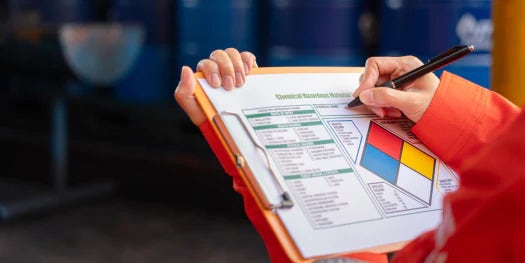
How to Safely Dispose of Sulfuric Acid
Sulfuric acid is one of the most common acidifying reagents and sulfur sources, essential across multiple industries. At the same time, it is also a toxic and highly hazardous chemical reagent, requiring safe handling and disposal by trained personnel.
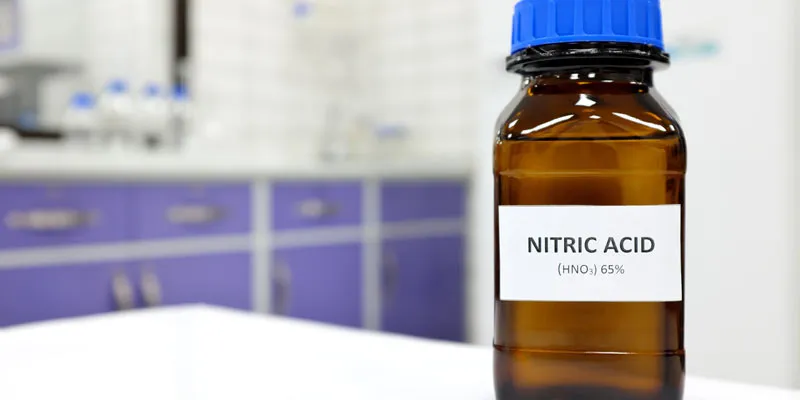
How To Use Nitric Acid Safely
Nitric acid is a corrosive chemical and harmful to humans. Its contact with skin and eyes can cause serious burns. Affected skin will require flushing with soap and lukewarm water for at least 30 minutes.
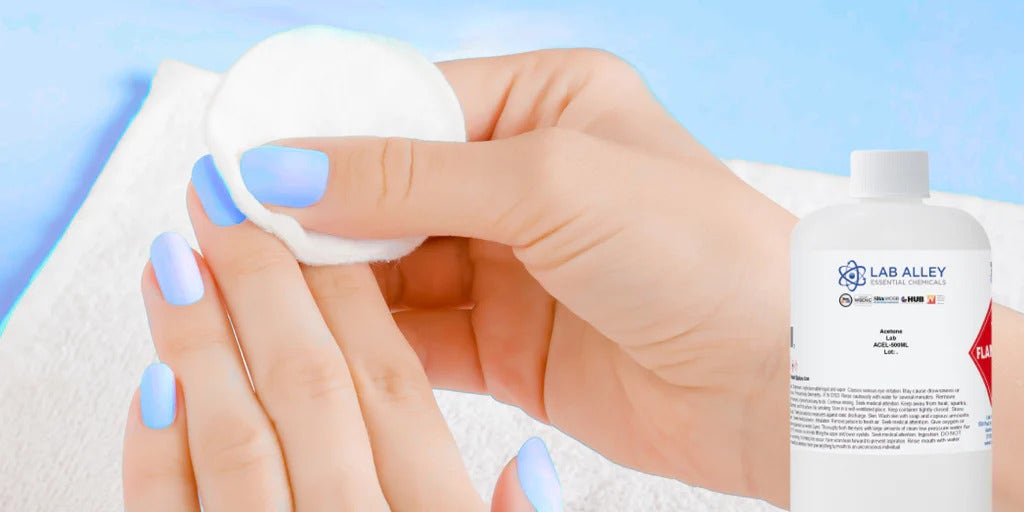
Acetone Safety: Proper Storage and Disposal Methods
Acetone is a staple chemical solvent in most laboratories. It is also perhaps one of the most recognizable chemicals to the layperson, best known as the pungent solvent comprising nail polish remover.
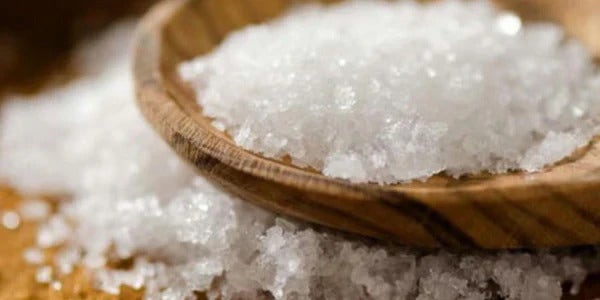
How to Use Potassium Iodide Safely and Where to Buy it Online
Potassium Iodide Powder, also known as Potassium Salt of Hydriodic Acid, Iodic Acid Potassium Salt, Potassium Monoiodide, and Knollide, has the chemical formula KI. It appears as a white crystalline powder, odorless, and is soluble in water at ambient conditions.
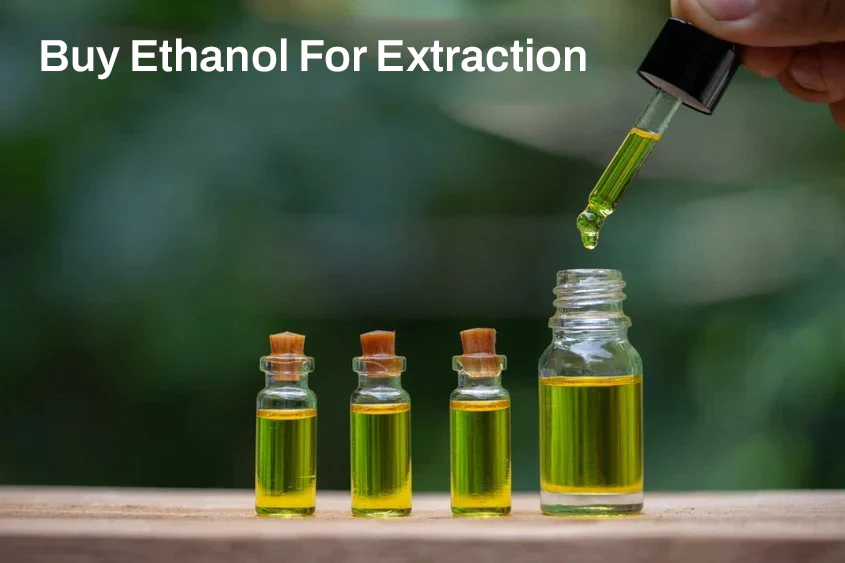
Medicinal Oils Derived From Plants
You can order food-grade ethanol, extraction-grade ethanol, ACS-grade ethanol, FCC-grade ethanol, USP grade ethanol, HPLC-grade ethanol and kosher ethanol from Lab Alley. Perform ethanol (EtOH) extraction at ultra-low temperatures for the best yields.
Ethanol extraction is a cost-effective way to use ethanol as an industrial solvent to produce high-quality botanical extracts from large volumes of medicinal herbs or plants.
Denatured Ethanol Grades and Pack Sizes
Denatured ethanol comes through chemical distributors in multiple formulations and container sizes to suit different application needs and usage volumes. Choosing suitable formulations depends on regulatory requirements, intended use, and denaturant compatibility.
Standard Grade Classifications
Specially Denatured Alcohol (SDA): Multiple TTB-approved formulations, including SDA 3-A (methanol), SDA 3-C (isopropanol), SDA 40-B (tert-butyl alcohol + denatonium benzoate), for specific industrial applications. Contains denaturants chosen for process compatibility.
Completely Denatured Alcohol (CDA): Five approved formulations (CDA 12-A, 18, 19, 20, 35) with heavy denaturant loads making the product utterly unfit for beverage use. Available without permit requirements.
Reagent Alcohol: Standardized laboratory formulation with approximately 90.25% ethanol, 4.75% methanol, and 5% isopropanol for analytical and research applications requiring consistent composition.
Industrial Grade: Cost-effective formulations for manufacturing, cleaning, and processing where absolute purity isn't critical but tax savings matter.
Fuel Grade: Specially formulated for transportation fuel meeting both TTB and EPA specifications with denaturants compatible with combustion engines.
Container Sizes and Bulk Options
Small quantities: Laboratory containers from 500ml to 4L for research, educational, and limited-scale applications requiring precise amounts.
Medium quantities: Multi-gallon containers at 5 gallons and 20L for pilot-scale operations, medium-volume manufacturing, and commercial uses requiring regular supply.
Bulk options: Large containers, including 55-gallon drums, 270-gallon totes, and tank trucks for high-volume industrial operations demanding consistent supply chains and economical procurement.
Regulatory Requirements
SDA formulations require a TTB Industrial Alcohol User Permit and formula approval for purchase and use. CDA formulations are available without permits, simplifying procurement. Enhanced documentation required for toxic denaturant content, including certificates of analysis. Specialized handling and storage requirements based on both flammability and toxicity.
Advantages Over Tax-Paid Ethanol
Significant cost savings from tax-exempt status make denatured ethanol economically attractive. Readily available without age restrictions for legitimate industrial applications. Suitable where absolute purity isn't critical, offering adequate performance at a lower cost. Consistent formulations meeting established standards.
Limitations Compared to Non-Denatured Ethanol
Toxic denaturants prevent use in food, pharmaceutical, and beverage applications. Enhanced safety requirements increase handling complexity. Environmental disposal concerns require specialized waste management. Limited recovery potential due to denaturant contamination.
For reliable denatured ethanol with comprehensive documentation and technical support, Lab Alley supplies TTB-compliant products meeting regulatory requirements. Our technical assistance team can help with formulation selection, regulatory guidance, and application-specific recommendations to meet your industrial needs.
Contact our knowledgeable sales team for current pricing, availability information, and technical specifications for denatured ethanol formulations.