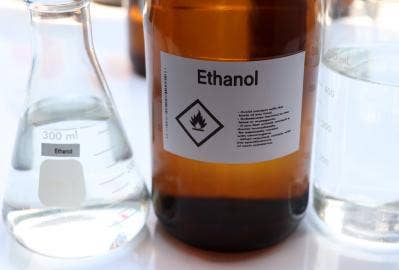






How and Why to Treat Ethanol Waste: Essential Safety and Compliance Guide
Note: Ethanol is not an acid or base, so "neutralization" in this context refers to rendering ethanol waste safe for disposal through various treatment methods.
Treating ethanol waste is crucial for ensuring safety, protecting the environment, and ensuring proper waste disposal. Whether dealing with laboratory waste, industrial processing streams, or contaminated solutions, proper ethanol treatment helps ensure regulatory compliance and prevents environmental harm.
Operations using ethanol across pharmaceutical manufacturing, laboratory research, food processing, and industrial activities often encounter situations that require effective waste treatment. The compound's extreme flammability creates challenges for equipment safety, worker protection, and environmental discharge that proper treatment procedures address systematically.
This guide explores the key aspects of ethanol waste treatment, covering the reasons for treatment, step-by-step procedures, and safety protocols that protect workers while promoting regulatory compliance.


In this article, we’ll explore:
- Why Treat Ethanol?
- How to Treat Ethanol Waste
- Safety & Best Practices
Why Treat Ethanol Waste?
Learning the reasons for treating ethanol waste helps create appropriate protocols across different applications and facility types.
Safety & Fire Prevention
Ethanol is extremely flammable with a flash point of 55°F (13°C), creating substantial fire and explosion risks during handling, storage, and disposal operations. Vapors can form explosive mixtures with air at concentrations of 3.3-19% by volume, creating dangers in any area where ethanol vapors gather.
Correct treatment lowers fire hazards during waste handling and disposal by diluting concentrations, recovering reusable ethanol, or preparing waste for safe incineration. Ethanol also irritates the eyes, skin, and nose, and can cause headache, drowsiness, and narcosis in workers handling concentrated solutions or breathing accumulated vapors.
Environmental Protection
Heavy concentrations of ethanol in wastewater have very high biological oxygen demand (BOD) and chemical oxygen demand (COD), which can strip oxygen from water systems. Ethanol can make up to 90% of the COD content in some industrial wastewaters, particularly from beverage production, pharmaceutical manufacturing, and solvent use applications.
Regulatory compliance often demands treatment before discharge to municipal wastewater systems. Environmental permits specify maximum COD and BOD levels that operations must meet through waste treatment or pay substantial penalties for violations.
Industrial & Laboratory Use
Many processes need the removal of ethanol from waste streams before further processing. Ethanol recovery allows for recycling and reuse, cutting costs and waste generation. Distillation recovery systems can reclaim high-purity ethanol from waste streams for return to production processes, offering economic benefits while shrinking disposal volumes.
Treatment stops interference with downstream chemical processes and promotes compatibility with other waste treatment operations like biological treatment systems, chemical oxidation processes, and physical treatment methods.
How to Treat Ethanol Waste
Effective ethanol waste treatment follows a structured approach, promoting safety while achieving treatment goals through appropriate methods.
Step 1: Identify the Solution Properties
Figure out ethanol concentration expressed as a percentage by volume or weight. Test for other contaminants that may affect treatment options, including pharmaceutical residues, denaturants, process chemicals, or other alcohols. Assess total volume needing treatment and verify pH of the solution if other chemicals are present.
Step 2: Select Appropriate Treatment Methods
Dilution Method: Safe method using water to cut concentration below regulatory limits. For 70% ethanol, add approximately 69 parts water to 1 part ethanol to achieve less than 1% concentration suitable for drain disposal in many jurisdictions. Budget-friendly for small volumes when treatment infrastructure exists.
Biological Treatment: Microorganisms readily break down ethanol under aerobic conditions to carbon dioxide and water. Works well for large volumes when properly managed in biological wastewater treatment systems. Gradual introduction prevents shock loading, and adding nitrogen and phosphorus nutrients in appropriate ratios boosts effectiveness.
Evaporation Method: Allows ethanol to evaporate naturally in well-ventilated, spark-free environments using fume hoods or evaporation stations. Recover ethanol vapors with condensation systems if recycling is desired. Most suitable for small volumes in laboratory settings.
Distillation Recovery: Separates ethanol from water and contaminants for reuse. Most budget-friendly for concentrations above 20% and large volumes. Needs specialized equipment and trained operators, but produces pure ethanol for reuse and treated water for disposal.
Chemical Oxidation: Applies hydrogen peroxide or other oxidizing agents to convert ethanol to acetaldehyde, then acetic acid, then carbon dioxide and water. Needs careful control of reaction conditions and proper ventilation. May create intermediate compounds needing further treatment.
Step 3: Perform the Treatment Procedure
Work in well-ventilated areas away from all ignition sources, including flames, sparks, hot surfaces, and static electricity. Put on appropriate PPE, including safety glasses, chemical-resistant gloves, and flame-resistant clothing. Remove all sources of ignition before starting treatment.
Ground all equipment to prevent static discharge that could ignite ethanol vapors. Have fire suppression equipment readily available, including alcohol-resistant foam, CO2, or dry chemical extinguishers. Watch for vapor buildup, especially in confined spaces, and add treatment agents slowly while mixing continuously to control the reaction rate.
Step 4: Monitor and Validate Treatment
Test the final ethanol concentration before disposal to verify treatment effectiveness. Check pH is within an acceptable range of 6 to 9 for discharge if other chemicals are present.
Look for other contaminants that may need additional treatment and make sure vapors are properly ventilated. Watch temperature during chemical treatment processes and record treatment processes for regulatory compliance and internal records.
Step 5: Dispose of Treated Waste
Diluted ethanol solutions may be acceptable for drain disposal, but check local regulations for specific concentration limits. Concentrated ethanol waste needs special handling as hazardous waste through licensed disposal contractors.
Never throw away concentrated ethanol in regular trash because of fire risk. Treated solutions must meet local wastewater discharge standards for COD, BOD, pH, and flammable content.
Special Considerations for Different Types of Ethanol
Different ethanol grades and contamination scenarios create unique treatment considerations.
Laboratory Grade Ethanol: Often contains denaturants like methanol, isopropanol, or benzene that affect treatment options. Denatured ethanol may need hazardous waste disposal because of toxic additives. Check Safety Data Sheets for specific denaturants present, as some prevent biological treatment and need incineration.
Industrial Ethanol: May contain process contaminants needing specialized treatment approaches. Large volumes may justify distillation recovery systems. Often suitable for biological treatment after proper dilution, but may contain corrosion inhibitors or other additives affecting treatment.
Pharmaceutical Grade Ethanol: Generally pure ethanol suitable for most treatment methods. It may be contaminated with pharmaceutical residues needing special handling. High value may justify recovery through distillation or recycling options before disposal.
Food Grade Ethanol: Safe for biological treatment systems with lower regulatory concerns due to food-grade status. May contain food-grade additives that don't interfere with treatment and are often suitable for drain disposal after dilution to acceptable concentrations.
Emergency Spill Response: Remove all ignition sources right away before attempting cleanup. Ventilate the area to prevent vapor buildup. Small spills should be absorbed with inert materials like sand or vermiculite (don't use sawdust). Large spills need containment with dikes and pumping to recovery containers. Apply water spray to cut vapor concentration, not to extinguish ethanol fires. Contact the fire department for large spills or if a fire happens.
Agricultural/Fuel Ethanol: May contain gasoline or other fuel additives, creating mixed waste. Needs hazardous waste disposal because of hydrocarbon contamination. It cannot be treated through biological systems and often needs incineration or specialized fuel recovery.
Safety & Best Practices
Correct safety practices protect workers and promote successful treatment outcomes across all application scales.
Fire Prevention
Remove all ignition sources, including static electricity, before starting treatment operations. Apply explosion-proof equipment in areas where ethanol vapors may be present.
Ventilation Requirements
Make sure adequate ventilation to prevent vapor buildup. Ethanol vapors are heavier than air and gather in low areas. Continuous air monitoring verifies safe conditions throughout treatment operations.
Personal Protective Equipment
Put on safety glasses, chemical-resistant gloves, and flame-resistant clothing. Apply respiratory protection if vapor contact is possible. Air-purifying respirators with organic vapor cartridges protect against breathing hazards when ventilation is inadequate.
Emergency Preparedness
Have appropriate fire extinguishers available, including alcohol-resistant foam, CO2, or dry chemical types. Standard foam extinguishers are ineffective on alcohol fires. Know the location of emergency shut-offs and exits.
Vapor Monitoring
Apply vapor detection equipment in confined spaces or when handling large quantities. Watch for concentrations approaching 3.3%, the lower explosive limit for ethanol. Staying well below this threshold prevents fire and explosion hazards.
Static Electricity Control
Ground all equipment and use anti-static procedures when transferring ethanol. Apply non-sparking tools made from brass, bronze, or other materials that don't generate sparks.
Temperature Control
Skip heating ethanol or allowing it to reach temperatures near its flash point of 55°F (13°C). Watch the treatment solution temperature and provide cooling if exothermic reactions happen.
Conclusion
Correct treatment of ethanol waste promotes fire safety, environmental protection, and regulatory compliance while potentially allowing for recovery and reuse of this valuable solvent. The choice of treatment method depends on concentration, volume, contamination, and economic considerations.
Following systematic procedures with appropriate safety equipment creates successful treatment outcomes across diverse applications. The primary focus on fire prevention distinguishes ethanol waste treatment from typical chemical waste management.
Putting in place documented treatment protocols protects workers, satisfies regulators, and supports environmental stewardship across pharmaceutical manufacturing, laboratory operations, food processing, and industrial operations using this versatile but hazardous solvent.
For more detailed guidance, explore our Resource Library.
Our Customer Care team is also available for more information and documentation, including chemical Safety Data Sheets.
Need Ethanol You Can Trust?
If you are looking for high-quality ethanol for your lab, product line, or research facility, be sure to visit our store to explore our trusted selection and request a quote.
As your trusted partner in chemical supply, Lab Alley is always striving to meet the growing demands of our customers. We want you to be able to access all of your chemical needs in one place, along with streamlined online ordering and fast shipping.
Due to popular demand from our valued clientele, Lab Alley's ethanol is available in a range of purities and packaging options to suit various commercial, laboratory, and personal needs.