Magnesium Chloride Overview: Properties, Uses, Safety & Buying Guide
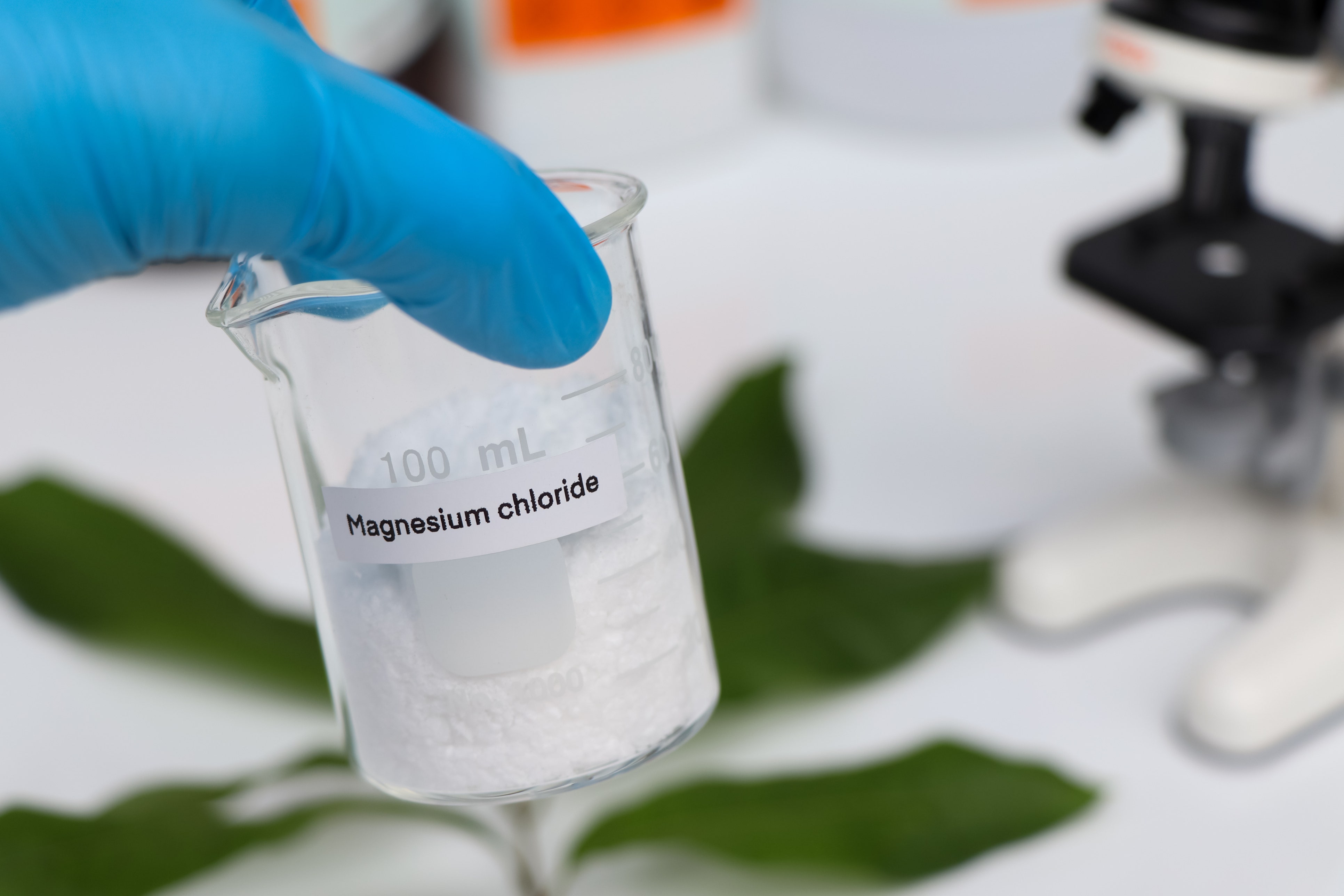
Magnesium chloride, also known as magnesium dichloride or MgCl₂, is a versatile inorganic salt valued for its excellent solubility and functional properties. It is widely used in manufacturing, laboratory research, agriculture, and consumer products. Available in both anhydrous and hydrated forms, magnesium chloride offers multiple applications across a broad range of industries.
This comprehensive guide provides essential information about magnesium chloride, including its main characteristics, physical and chemical properties, practical uses, safety recommendations, and sourcing details.
Properties of Magnesium Chloride
Understanding magnesium chloride’s physical and chemical profile is important for determining its suitability in specific applications. Its solubility, reactivity, and stability affect performance, handling requirements, and compatibility with other substances.
Key Facts About Magnesium Chloride
-
Compound Name: Magnesium chloride
-
Synonyms: Magnesium dichloride, MgCl₂, magnesium chloride hexahydrate (hydrated forms)
-
Chemical Formula:
-
MgCl₂ (anhydrous)
-
MgCl₂·6H₂O (hexahydrate)
-
CAS Number:
-
7786-30-3 (anhydrous)
-
7791-18-6 (hexahydrate)
-
Molar Mass:
-
95.21 g/mol (anhydrous)
-
203.31 g/mol (hexahydrate)
-
Appearance: White or colorless crystalline solid for both anhydrous and hexahydrate forms
Density
Anhydrous magnesium chloride has a density of approximately 2.32 g/cm³, making it heavier than its hydrated form. By comparison, magnesium chloride hexahydrate is lighter, with a density of about 1.57 g/cm³ at 20 °C.
These differences in density are significant because they influence how each form behaves in applications, particularly when dissolved in solutions or used in industrial processes.
Boiling and Melting Points
The melting and boiling points of magnesium chloride vary depending on its form. The anhydrous compound melts at 714 °C and boils at 1412 °C, which makes it suitable for high-temperature industrial uses.
On the other hand, magnesium chloride hexahydrate decomposes at 116.7 °C. This decomposition restricts its use in processes requiring high thermal stability, meaning that the choice between forms depends on the temperature conditions of the application.
Magnesium chloride is an inorganic salt compound widely used in industrial manufacturing, food processing, pharmaceuticals, agriculture, water treatment, and deicing applications. The compound is highly soluble in water and valued for moisture control, mineral supplementation, dust suppression, and chemical processing across commercial and laboratory environments. U.S. laboratories and manufacturers sourcing magnesium chloride by grade and purity can contact Lab Alley at 512-668-9918 for product selection and ordering support.
Solubility Profile
Magnesium chloride dissolves readily in water, which is one of its most valuable characteristics. The hexahydrate form, in particular, reaches solubility levels of 468.7 g/L at 20 °C, making it highly effective for applications that require concentrated solutions.
Solubility in organic solvents, by contrast, depends on the specific hydration state and chemical form, so users must select the appropriate type to match solvent compatibility.
pH Level
When dissolved in water, magnesium chloride hexahydrate produces solutions that are slightly acidic to neutral. Typical measurements fall between pH 4.5 and 7.0. This property is relevant in both laboratory and industrial contexts, since maintaining controlled pH levels is essential for many processes.
Reactivity and Handling Considerations
Magnesium chloride reacts readily and exothermically with water, meaning that energy is released during the reaction. It is corrosive to metals and can also cause irritation to skin and eyes if handled without protection.
Despite these hazards, it remains generally stable under normal storage conditions. Contact with strong bases or oxidizing agents should be avoided, since these substances can trigger unwanted reactions or degradation.
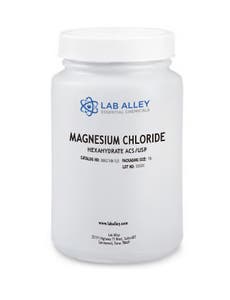
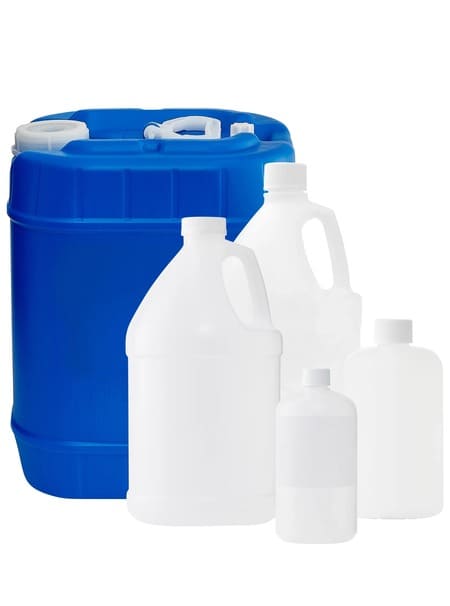
Magnesium chloride from Lab Alley is available in multiple grades and purity levels, with packaging options ranging from small laboratory containers to bulk drums and totes for commercial, industrial, and manufacturing applications.
Uses & Benefits
The versatility of magnesium chloride makes it valuable across multiple industries. Its applications span industrial operations, laboratory work, consumer products, and agricultural processes.
Industrial Applications
Magnesium chloride is widely applied in de-icing roads and walkways, as it remains effective at lower temperatures where other salts lose efficiency. It is also important for dust control on unpaved surfaces, helping reduce airborne particles.
Additionally, magnesium chloride acts as a precursor in the production of magnesium metal and various chemical compounds, supporting a broad range of manufacturing processes.
Scientific & Laboratory Uses
In laboratories, magnesium chloride functions as both a reagent and an analytical tool. It is used in synthesis and plays a role in regulating pH in chemical experiments, which helps ensure consistent and repeatable results. This makes it a dependable material in scientific research and analysis.
Consumer & Household Uses
For consumers, magnesium chloride is often found in bath salts and therapeutic bath flakes, valued for their mineral composition and potential soothing effects. It also appears in skincare and cosmetic formulations, where its mineral content contributes to product performance.
Specialized Applications
In agriculture, magnesium chloride is used to enrich fertilizers, correcting magnesium deficiencies in soil and supporting plant health. In the pharmaceutical sector, it serves as both an excipient and a therapeutic source of magnesium, particularly in formulations that address mineral deficiencies or medical treatments requiring magnesium supplementation.

Fight Your Kidney Stone with This Natural Product Hack
Fight kidney stones. Discover how citric acid naturally prevents stone formation.

Is Lactic Acid Bad? A Look at the Health Science
Is lactic acid bad for you? Debunking myths and revealing its vital role in your body & beyond.
Hospitality Without Hitchhikers: Boric Acid’s Role in Bed Bug Prevention
Protect your hospitality business. Boric acid is key to preventing bed bug infestations.
Harnessing Silica Sulfuric Acid to Enhance Concrete Durability
Enhance concrete longevity. Silica sulfuric acid improves strength and chemical resistance.
Safety Information
Magnesium chloride poses health risks when handled carelessly. Contact with skin, eyes, or the respiratory tract can irritate. Concentrated solutions or airborne dust may also be corrosive. Extended exposure without protective measures increases the likelihood of harm.
Hazards & Precautions
Magnesium chloride poses health risks when handled carelessly. Contact with skin, eyes, or the respiratory tract can irritate. Concentrated solutions or airborne dust may also be corrosive. Extended exposure without protective measures increases the likelihood of harm.
Personal Protective Equipment (PPE)
Appropriate PPE is essential when working with magnesium chloride. Safety glasses or chemical splash goggles protect the eyes, while chemical-resistant gloves and protective clothing reduce risks to the skin. Adequate ventilation is also required to minimize inhalation of dust or vapors, especially in enclosed spaces.
Storage Guidelines
Magnesium chloride should be stored in sealed containers at temperatures between 2 °C and 25 °C. Containers must be kept in dry areas to prevent moisture absorption, which can compromise stability. Contact with strong bases, metals, or incompatible substances must be avoided to prevent chemical reactions.
Spill & Disposal Procedures
In the case of spills, magnesium chloride should be contained quickly and absorbed with appropriate materials. Waste and contaminated absorbents need to be managed as hazardous waste and disposed of in compliance with local regulations. Following these steps reduces environmental and health risks.

How to Safely Dispose of Sulfuric Acid
Sulfuric acid is one of the most common acidifying reagents and sulfur sources, essential across multiple industries. At the same time, it is also a toxic and highly hazardous chemical reagent, requiring safe handling and disposal by trained personnel.
How To Use Nitric Acid Safely
Nitric acid is a corrosive chemical and harmful to humans. Its contact with skin and eyes can cause serious burns. Affected skin will require flushing with soap and lukewarm water for at least 30 minutes.

Acetone Safety: Proper Storage and Disposal Methods
Acetone is a staple chemical solvent in most laboratories. It is also perhaps one of the most recognizable chemicals to the layperson, best known as the pungent solvent comprising nail polish remover.
How to Use Potassium Iodide Safely and Where to Buy it Online
Potassium Iodide Powder, also known as Potassium Salt of Hydriodic Acid, Iodic Acid Potassium Salt, Potassium Monoiodide, and Knollide, has the chemical formula KI. It appears as a white crystalline powder, odorless, and is soluble in water at ambient conditions.

Medicinal Oils Derived From Plants
You can order food-grade ethanol, extraction-grade ethanol, ACS-grade ethanol, FCC-grade ethanol, USP grade ethanol, HPLC-grade ethanol and kosher ethanol from Lab Alley. Perform ethanol (EtOH) extraction at ultra-low temperatures for the best yields.
Ethanol extraction is a cost-effective way to use ethanol as an industrial solvent to produce high-quality botanical extracts from large volumes of medicinal herbs or plants.
Grades and Pack Sizes
Magnesium chloride is widely available from chemical suppliers in multiple grades and packaging sizes to suit industrial, laboratory, and commercial needs.
Available Grades & Purities
-
USP Grade: Meets pharmaceutical standards for therapeutic and excipient use.
-
ACS Reagent Grade: High-purity grade meeting American Chemical Society standards for laboratory and analytical work.
-
Industrial Grade: Suitable for large-scale industrial applications where ultra-high purity is not required.
-
Laboratory Grade: Appropriate for general lab use and research applications.
Pack Sizes & Bulk Availability
-
Small quantities: 1 kg bottles for laboratory and small-scale applications.
-
Intermediate quantities: 25 kg bags or containers for mid-scale production needs.
-
Bulk: 100 kg drums, 1000 kg super sacks, and bulk shipments for industrial operations.
For premium-quality magnesium chloride in a range of grades and packaging sizes, Lab Alley offers reliable, lab-tested options for industrial operations, research facilities, and manufacturers.
Our products include detailed documentation, responsive customer service, and nationwide shipping to ensure you receive the right material for your needs. Contact our sales team for quotes, bulk pricing, or Certificates of Analysis.
FAQs
What is Magnesium Chloride and where does it come from?
Are there any side effects of using Magnesium Chloride?
How should Magnesium Chloride be stored?
Does Magnesium Chloride expire?
Yes. Over time, improper storage can lead to clumping, loss of purity, or reduced effectiveness. Always check packaging and Certificates of Analysis for shelf life details.