




Propylene Glycol Overview: Properties, Applications, Safety & Sourcing Guide
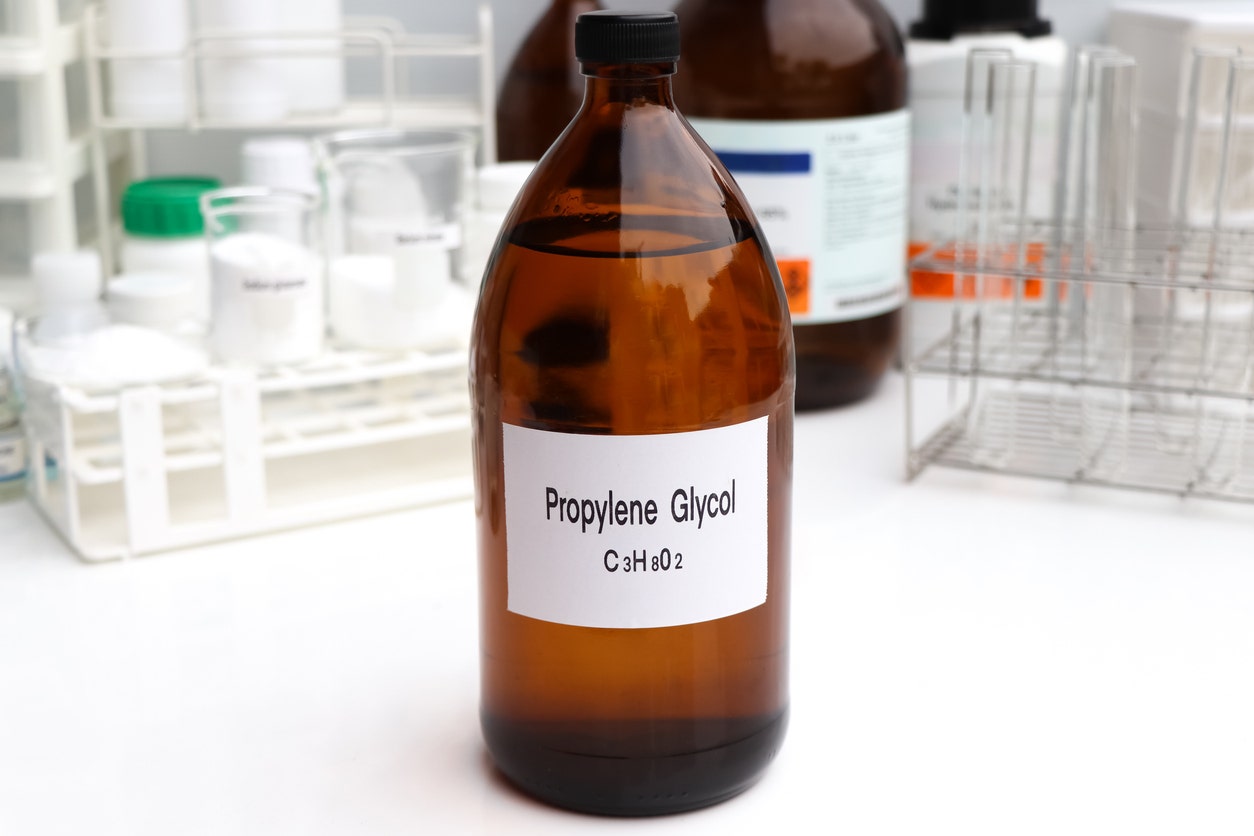
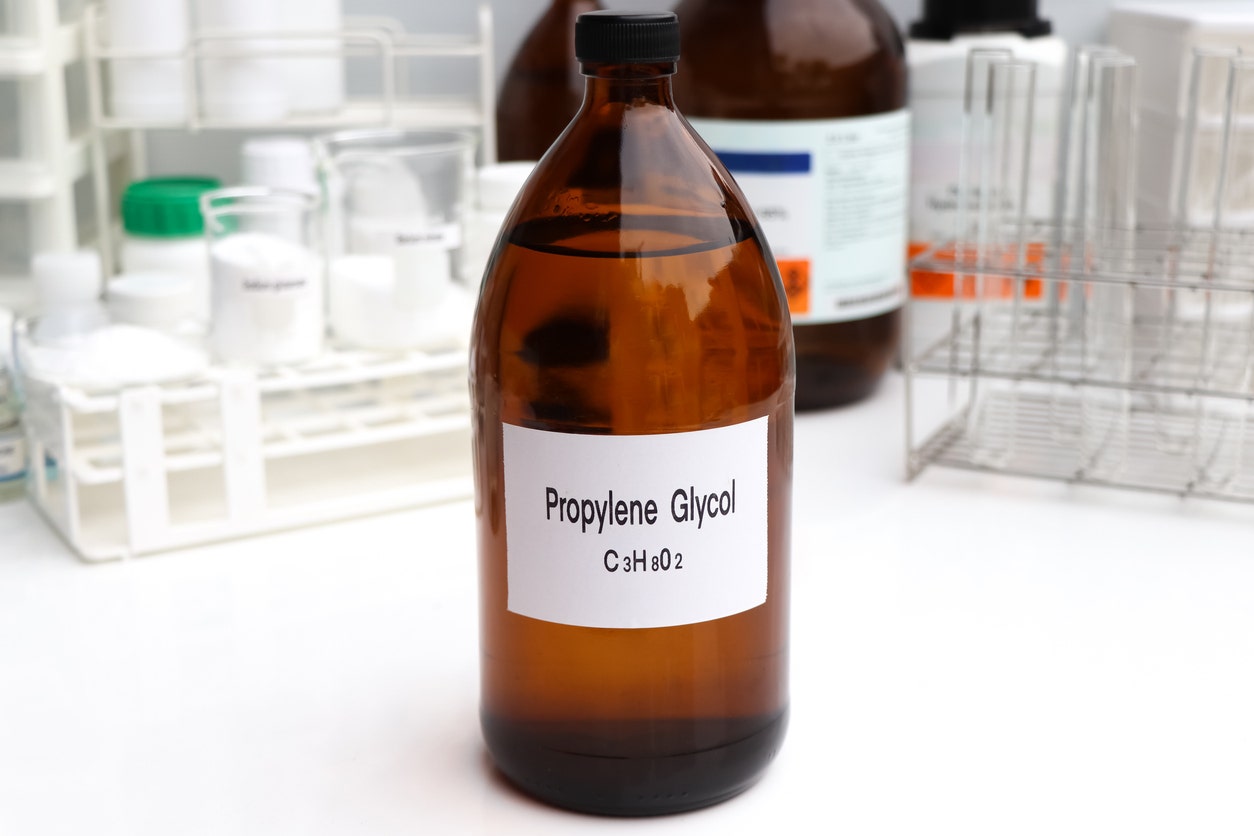
Propylene glycol (1,2-propanediol) is a clear, colorless, viscous, and practically odorless synthetic organic compound with a slightly sweet taste. This versatile chemical serves as a solvent, humectant, preservative, and vehicle across pharmaceuticals, cosmetics, food products, and industrial applications.
Liquid medications rely on propylene glycol to dissolve active ingredients that won't mix with water alone. Baked goods stay fresh longer because propylene glycol holds moisture inside. Skin lotions feel smooth and hydrating thanks to propylene glycol drawing water to the skin surface. Aircraft wings shed dangerous ice through propylene glycol-based de-icing fluids. Theater productions create dramatic fog effects by heating propylene glycol into visible vapor.
The remarkable aspect of propylene glycol isn't just versatility but safety. Few solvents can claim FDA approval for direct food contact, pharmaceutical injection, and cosmetic application simultaneously. This compound achieves that rare combination of powerful functionality with remarkably low toxicity. The oral LD50 of 20 g/kg classifies it as practically non-toxic, yet it performs as effectively as many hazardous industrial solvents.
Understanding propylene glycol means recognizing how grade selection impacts regulatory compliance. A pharmaceutical formulator needs USP grade meeting strict purity standards. A food manufacturer requires an FCC grade with GRAS certification. An industrial plant selecting antifreeze can use technical grade at a lower cost. Each application demands appropriate specifications, and substituting grades creates regulatory violations alongside potential safety issues.
Properties of Propylene Glycol
Two hydroxyl groups attached to a three-carbon chain create propylene glycol's unique characteristics. This simple structure produces a compound that dissolves in both water and oils, resists freezing, holds moisture, and demonstrates exceptional safety.
Key Facts About Propylene Glycol
- Compound Name: Propylene Glycol
-
Synonyms: 1,2-Propanediol, PG, Propane-1,2-diol, Methylethylene glycol, Methyl glycol, α-Propylene glycol
-
Chemical Formula: C₃H₈O₂ or CH₃CH(OH)CH₂OH
-
CAS Number: 57-55-6
-
RTECS Number: TY2000000
-
Molecular Weight: 76.09 g/mol
-
Appearance: Clear, colorless, viscous liquid; practically odorless; slightly sweet taste
Physical Characteristics
Propylene glycol weighs 1.036 g/cm³ at 20°C, denser than water with a specific gravity of 1.04. This extra weight matters when designing pumping systems and calculating storage tank capacities. The boiling point of 188.2°C (370.8°F) sits far above water's 100°C threshold, preventing evaporation losses during normal use. The freezing point drops to -59°C (-74°F), maintaining a liquid state through extreme cold. Aircraft de-icing and antifreeze applications depend on this low freezing point.
Flash point measurements show 99°C (210°F) closed cup and 107°C (225°F) open cup. These values classify propylene glycol as combustible rather than flammable. Compare this to ethanol's 13°C flash point, where vapors ignite from minor sparks. Propylene glycol requires sustained heating well above room temperature for ignition. Autoignition occurs at 371°C (700°F).
Dissolution and Mixing Behavior
Complete miscibility with water means propylene glycol blends uniformly at any concentration. This unlimited compatibility distinguishes propylene glycol from many organic solvents, showing limited aqueous solubility. Beyond water, propylene glycol mixes completely with ethanol, acetone, and chloroform.
The ability to dissolve essential oils, resins, and flavor compounds makes propylene glycol invaluable when compounds resist water solubility. The hygroscopic character means atmospheric moisture gets absorbed continuously. Leave a container open and volume increases as water accumulates from humid air.
Propylene glycol is a synthetic, odorless, and colorless liquid widely used across industrial, pharmaceutical, and consumer applications. In its pure form, it appears as a clear, viscous fluid with low toxicity and strong hygroscopic properties, making it effective at retaining moisture and stabilizing formulations. The compound functions as a solvent, humectant, and carrier in pharmaceuticals, food products, cosmetics, and industrial processes. It supports product consistency, enhances ingredient delivery, and extends shelf life in formulations ranging from medicines and personal care products to food and antifreeze systems. U.S. laboratories and manufacturers sourcing propylene glycol by grade and purity contact Lab Alley at 512-668-9918 for product selection and ordering support.
pH, Viscosity and Chemical Behavior
A neutral pH of 6.0 to 8.0 eliminates corrosion concerns with metal equipment and prevents tissue irritation. The viscosity of 40.4 mPa·s at 25°C creates noticeable thickness compared to water. This moderate viscosity provides substantivity in topical products. Refractive index is 1.432 at 20°C, enabling quick verification of purity.
Stability under normal conditions allows years of storage without decomposition. No polymerization occurs, eliminating concerns about solidification during storage. Strong oxidizing agents, strong acids, and strong bases represent incompatibilities requiring physical separation. Container material selection matters: stainless steel, aluminum, polyethylene, and polypropylene all work well. Avoid copper and copper alloys for extended contact, as these metals catalyze unwanted oxidation.
Propylene Glycol Grades and Types
Multiple grades serve different regulatory requirements and application needs, from pharmaceutical through industrial uses.
USP/NF Grade (Pharmaceutical Grade)
United States Pharmacopeia and National Formulary standards define pharmaceutical-quality propylene glycol. Purity reaches 99.5% minimum with strictly controlled impurity levels, particularly diethylene glycol, which poses significant toxicity risks. Pharmaceutical formulations from oral medications through injectable solutions require this grade.
Food Grade (FCC)
Food Chemicals Codex standards govern food-grade specifications. GRAS (Generally Recognized As Safe) designation reflects decades of consumption history without adverse effects at approved levels. Purity matches USP grade but specifications target food industry requirements specifically.
Industrial Grade (Technical Grade)
Lower purity creates cost advantages for applications not involving human consumption. Antifreeze, coolants, de-icing fluids, and general industrial processes use technical-grade material. High-volume consumption benefits from reduced pricing.
Kosher and Halal Certified
Religious dietary compliance requires certification beyond chemical purity. Manufacturing processes must meet Islamic and Jewish dietary law requirements. Documentation accompanies certified products proving compliance.
High Purity/ACS Grade
Analytical applications demand minimal impurities. Reagent-grade material includes detailed certificates of analysis. Laboratory research and precision analytical chemistry justify premium costs.
Propylene glycol from Lab Alley is available as a high-purity, clear, colorless liquid meeting USP/FCC and food-grade standards, suitable for food, beverage, pharmaceutical, cosmetic, and industrial applications. Packaging ranges from small laboratory containers to bulk drums and totes to support laboratory, manufacturing, and commercial supply needs.
Common Uses & Applications
Propylene glycol's safety profile, combined with functional properties, creates opportunities across pharmaceutical, food, cosmetic, industrial, and specialty markets.
Pharmaceutical & Medical Applications
Drug delivery systems depend on propylene glycol as a solvent and vehicle for oral medications, topical preparations, and injectable solutions. Drugs that won't dissolve in water alone often dissolve readily in propylene glycol. Liquid medication preservation relies on antimicrobial properties to extend shelf life. Cryoprotective applications preserve cells and tissues during freezing. Intravenous solutions incorporate diluted propylene glycol for drug delivery.
Food & Beverage Industry Applications
Moisture retention in baked goods prevents staling. Food coloring and flavoring solubilization creates uniform distribution. Natural and artificial flavor carriers deliver taste compounds throughout foods. Maximum use levels vary by food category: alcoholic beverages are limited to 5%, confections and frostings to 24%, frozen dairy products to 2.5%.
Cosmetics & Personal Care Applications
Moisturizing lotions and creams rely on their humectant properties, drawing atmospheric moisture to the skin's surface. Fragrance and essential oil solubilization create uniform scent distribution. Shampoos, conditioners, deodorants, and toothpaste formulations all incorporate propylene glycol for moisture balance and product consistency.
E-Cigarettes & Vaping Applications
Vaping products use substantial amounts of propylene glycol as the primary carrier fluid. Visible vapor production occurs when heated propylene glycol condenses into aerosol droplets. Only food-grade or USP-grade material should be used, given direct inhalation exposure.
Industrial Applications
Antifreeze and coolant applications provide engine protection without ethylene glycol's severe toxicity. Pet-safe formulations prevent poisoning deaths. Aircraft and runway de-icing removes dangerous ice. Heat transfer systems exploit thermal stability. Paint, coating, and resin formulations use propylene glycol as a solvent. Liquid detergents dissolve active ingredients in propylene glycol.
Specialty Applications
Theatrical smoke and fog machines generate dramatic effects by heating propylene glycol. Controlled environment humidification adds moisture precisely. Pet-safe antifreeze products prevent animal poisoning. Tobacco moisture retention uses propylene glycol as a humectant.
Fight Your Kidney Stone with This Natural Product Hack
Fight kidney stones. Discover how citric acid naturally prevents stone formation.
Is Lactic Acid Bad? A Look at the Health Science
Is lactic acid bad for you? Debunking myths and revealing its vital role in your body & beyond.
Hospitality Without Hitchhikers: Boric Acid’s Role in Bed Bug Prevention
Protect your hospitality business. Boric acid is key to preventing bed bug infestations.
Harnessing Silica Sulfuric Acid to Enhance Concrete Durability
Enhance concrete longevity. Silica sulfuric acid improves strength and chemical resistance.
Safety Information
Propylene glycol demonstrates remarkably low toxicity, contributing to widespread approval for food and pharmaceutical contact.
Hazards & Precautions
Toxicity Profile: Oral LD50 in rats reaches 20 g/kg, earning classification as practically non-toxic. This extraordinary safety allows GRAS status for food use.
Ingestion Effects: Large quantities may cause central nervous system depression, metabolic acidosis, nausea, and vomiting. However, amounts encountered in food and pharmaceutical products remain safe.
Inhalation Concerns: Mist or vapor may irritate the respiratory passages. Heated vapor exposure from vaping continues to be studied for potential long-term effects. Current evidence suggests low risk at typical exposure levels.
Dermal and Eye Contact: Generally produces no skin irritation. Prolonged contact may cause mild irritation in sensitive individuals. Eye contact causes mild irritation and redness. Serious injury remains unlikely.
Personal Protective Equipment (PPE)
Safety glasses or goggles protect eyes during bulk handling. Chemical-resistant gloves, including nitrile or neoprene suit prolonged contact. Lab coats prevent personal garment contamination. Respiratory protection typically isn't required under normal use. Mechanical ventilation suffices when heating generates mists.
Storage Guidelines
Cool, dry, well-ventilated storage areas maintain quality. Tightly closed containers prevent hygroscopic moisture absorption. Separation from strong oxidizers, strong acids, and strong bases prevents reactions. Compatible storage containers include stainless steel, aluminum, polyethylene, and polypropylene. Avoid copper and copper alloys.
Emergency Procedures
Fire: Water spray, foam, dry chemical, or CO₂ extinguishers work effectively.
Spill: Contain spill. Inert absorbent materials soak up liquid. Water cleanup takes advantage of complete miscibility.
Eye Exposure: Flush with water for at least 15 minutes.
Skin Contact: Soap and water washing removes residue. Medical attention is rarely needed.
Inhalation: Fresh air usually resolves symptoms.
Ingestion: Low toxicity means small amounts create minimal concern. Medical attention for large quantities.
Regulatory & Classification
Broad regulatory approval reflects decades of safe use, demonstrating propylene glycol's exceptional safety profile.
OSHA and NIOSH Classification
Not classified as a hazardous substance under the OSHA HazCom Standard. No specific occupational exposure limits established. ACGIH TLV of 10 mg/m³ applies to aerosol only. Not classified as a carcinogen.
FDA Status
GRAS designation for food use under 21 CFR 184.1666 permits direct addition to foods. Maximum levels specified by food category. Pharmaceutical use approval includes USP/NF monograph. Cosmetic use approval without restrictions.
DOT and EPA Classification
Not regulated as a hazardous material for transportation. Non-hazardous shipping status simplifies logistics. TSCA inventory listing permits commercial use. Not listed as hazardous waste under RCRA. SARA 313 excludes propylene glycol from toxic chemical reporting.
International Regulations
European Union approves E1520 as food additive. WHO establishes Acceptable Daily Intake (ADI) of 0-25 mg/kg body weight. International acceptance spans developed and developing nations.
Environmental Considerations
Readily biodegradable with greater than 60% degradation in 28 days. Low bioaccumulation potential prevents environmental persistence. Low aquatic organism toxicity minimizes ecological impact.
How to Safely Dispose of Sulfuric Acid
Sulfuric acid is one of the most common acidifying reagents and sulfur sources, essential across multiple industries. At the same time, it is also a toxic and highly hazardous chemical reagent, requiring safe handling and disposal by trained personnel.
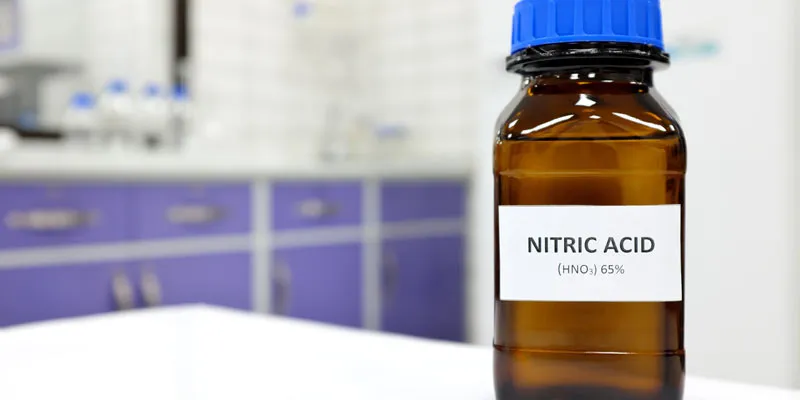
How To Use Nitric Acid Safely
Nitric acid is a corrosive chemical and harmful to humans. Its contact with skin and eyes can cause serious burns. Affected skin will require flushing with soap and lukewarm water for at least 30 minutes.
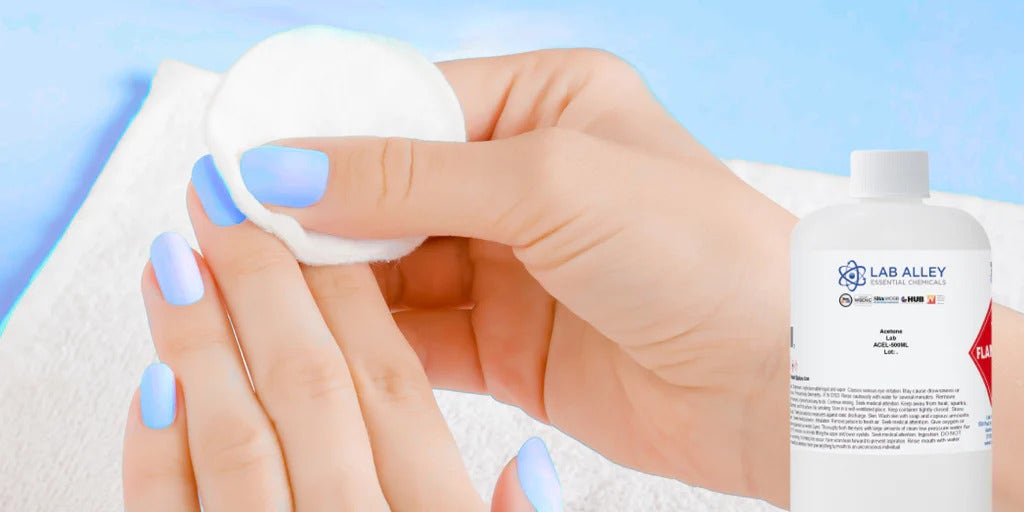
Acetone Safety: Proper Storage and Disposal Methods
Acetone is a staple chemical solvent in most laboratories. It is also perhaps one of the most recognizable chemicals to the layperson, best known as the pungent solvent comprising nail polish remover.
How to Use Potassium Iodide Safely and Where to Buy it Online
Potassium Iodide Powder, also known as Potassium Salt of Hydriodic Acid, Iodic Acid Potassium Salt, Potassium Monoiodide, and Knollide, has the chemical formula KI. It appears as a white crystalline powder, odorless, and is soluble in water at ambient conditions.
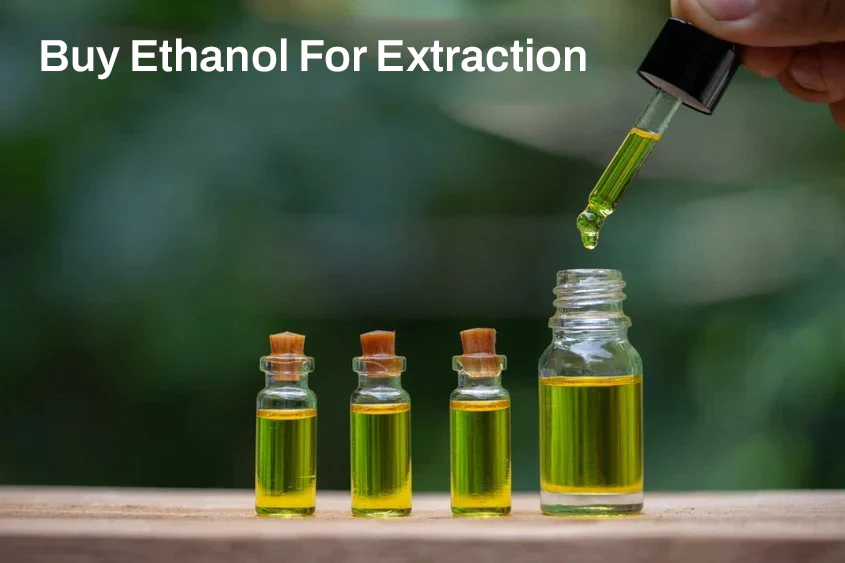
Medicinal Oils Derived From Plants
You can order food-grade ethanol, extraction-grade ethanol, ACS-grade ethanol, FCC-grade ethanol, USP grade ethanol, HPLC-grade ethanol and kosher ethanol from Lab Alley. Perform ethanol (EtOH) extraction at ultra-low temperatures for the best yields.
Ethanol extraction is a cost-effective way to use ethanol as an industrial solvent to produce high-quality botanical extracts from large volumes of medicinal herbs or plants.
Propylene Glycol Grades and Pack Sizes
Available Grades & Purities
USP/NF Grade delivers pharmaceutical quality at 99.5%+ purity. FCC Food Grade meets Food Chemicals Codex standards. Industrial/Technical Grade provides economical alternative. Kosher Certified USP and Halal Certified USP serve religious dietary compliance. ACS Reagent Grade supplies analytical laboratories. All grades ship with certificates of analysis.
Pack Sizes & Bulk Availability
Lab Alley maintains inventory from 500mL laboratory bottles through full truckload quantities. Standard offerings include 500mL, 1L, 4L, 1 gallon, 4 gallon case packs, 5 gallon pails, 55 gallon drums, and 275 gallon totes. Food-grade and USP-grade available across all size ranges.
Regulatory Requirements
Food-grade and USP-grade purchases require documentation specifying intended use. Manufacturing facilities must follow cGMP (current Good Manufacturing Practices). Non-hazardous material classification eliminates special shipping restrictions.
FAQs
What distinguishes propylene glycol from ethylene glycol beyond toxicity?
Does propylene glycol accumulate in the body?
Can technical grade substitute for USP grade to save money?
How long does propylene glycol remain stable during storage?
Why do some people report "propylene glycol sensitivity" symptoms?
True propylene glycol allergy remains extremely rare. Most reported "sensitivity" stems from other factors. Heavy vaping concentrates exposure beyond food or cosmetic levels. Formulation ingredients beyond propylene glycol often cause reactions. Genuine sensitivity can be confirmed through patch testing by dermatologists.