



Specially Denatured Alcohol (SDA) Overview: Properties, Applications, Safety & Sourcing Guide
Specially Denatured Alcohol (SDA) is ethanol that has been rendered unfit for human consumption through the addition of specific denaturants approved by the Alcohol and Tobacco Tax and Trade Bureau (TTB). These formulations allow ethanol to be used for industrial, manufacturing, and commercial purposes without incurring federal excise taxes that apply to beverage alcohol.
Open a bottle of perfume and SDA likely serves as the carrier solvent, evaporating quickly to leave fragrance on the skin. Pump hand sanitizer and SDA 40-B provides antimicrobial action without the beverage alcohol tax burden. Walk through manufacturing facilities and various SDA formulations dissolve resins in coatings, clean equipment surfaces, and serve as chemical intermediates. Research laboratories stock multiple SDA types for extraction, chromatography, and general solvent applications.
What makes specially denatured alcohol both economically advantageous and strictly regulated? The same tax-free status that reduces costs by eliminating $13.50 per proof gallon excise tax also demands rigorous TTB permitting and compliance. The denaturants that prevent consumption also determine toxicity levels, ranging from extremely poisonous methanol formulations to relatively benign denatonium benzoate versions. The industrial utility that supports countless manufacturing processes also creates serious regulatory consequences when end-use restrictions are violated.
Whether you're formulating cosmetics, developing industrial cleaning products, conducting laboratory research, or manufacturing chemical intermediates, understanding SDA regulations, formulation differences, and safety requirements prevents compliance violations while optimizing product performance. This guide covers everything from TTB permit requirements to formulation selection, providing practical information for working with these tax-advantaged yet tightly controlled materials.
Properties of Specially Denatured Ethanol
Denaturant selection fundamentally alters SDA characteristics beyond the base ethanol properties. Understanding these variations helps match formulations to specific applications while managing safety risks.
Key Facts About Specially Denatured Ethanol
- Compound Name: Specially Denatured Alcohol
- Synonyms: SDA, Denatured ethanol, Specially denatured ethyl alcohol
- Base Chemical Formula: C₂H₆O (ethanol) plus approved denaturants
- CAS Number: 64-17-5 (ethanol base)
- Molar Mass: 46.07 g/mol (ethanol component)
- Appearance: Clear, colorless liquid; odor varies by denaturant type and may range from characteristic alcohol odor to modified scents depending on additives
Density Characteristics
At 20°C, SDA weighs approximately 0.79-0.82 g/cm³ depending on denaturant concentration and formulation. This density remains close to pure ethanol for most formulations, though specific denaturants shift values slightly. Equipment design accounts for these variations when selecting pumps and calculating storage volumes.
Thermal Properties
The boiling point stays around 78°C and the melting point is near -114°C, similar to pure ethanol with slight variations based on denaturant additives. These thermal characteristics maintain ethanol's excellent evaporation properties that make SDA valuable for coatings, cleaning applications, and cosmetic products requiring rapid drying.
Here's the critical safety number: 13-16°C flash point depending on formulation. This temperature marks when SDA vapors ignite from any spark or flame. Room temperature exceeds this threshold year-round in most facilities, meaning SDA constantly releases flammable vapors. Class IB flammable liquid classification and OSHA Category 2 designation reflect serious fire risks requiring stringent workplace controls.
Specially Denatured Alcohol (SDA) is an ethanol-based solvent blended with approved denaturants to prevent beverage use while supporting industrial and commercial applications. SDA supports cleaning, surface preparation, coatings, cosmetics, sanitation, extraction, and chemical processing where beverage or pharmaceutical purity is unnecessary. U.S. laboratories and manufacturers sourcing SDA by formulation and proof level can contact Lab Alley at 512-668-9918 for product selection and ordering support.
Solubility and pH
SDA generally mixes with water in all proportions, though solubility characteristics may vary depending on denaturant composition. This miscibility supports formulation flexibility across diverse applications.
pH measures are generally neutral to slightly acidic, depending on the denaturant formulation. Most SDA types won't corrode metals through pH attack or cause severe skin irritation from extreme acidity or alkalinity, though denaturant-specific toxicity creates different hazard profiles.
Reactivity and Stability
Highly flammable characteristics dominate safety considerations. Flash points between 13-16°C mean that ambient temperatures constantly exceed ignition thresholds. Vapors mix with air, creating explosive atmospheres across wide concentration ranges. Any spark, flame, hot surface, or static discharge can ignite accumulated vapors.
Strong oxidizers react violently with SDA. Hydrogen peroxide, nitric acid, and similar compounds produce exothermic reactions, generating heat that ignites alcohol vapors. Never store oxidizers near SDA. Strong acids create dangerous situations, producing enough heat to cause fires or violent boiling.
Hygroscopic properties similar to pure ethanol cause moisture absorption from air. Open containers gradually dilute as atmospheric water gets absorbed. High-proof formulations need immediate resealing after each use to maintain concentration.
Burns with blue flame characteristics, though specific appearance may vary with denaturants. These nearly invisible flames create exceptional danger since people cannot see fire in well-lit areas until feeling heat.
Vapor density exceeding air means SDA vapors sink and accumulate in low areas like basements, pits, and floor drains. Ignition sources far from original spill locations can ignite these accumulated vapors, spreading fire back to source containers.
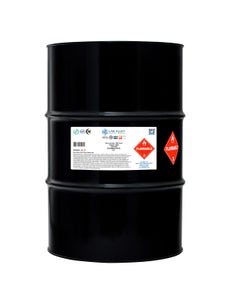
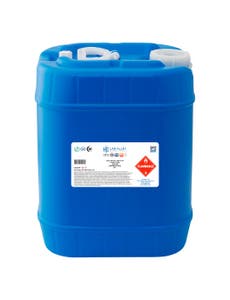
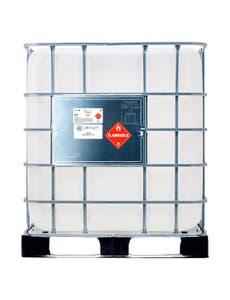
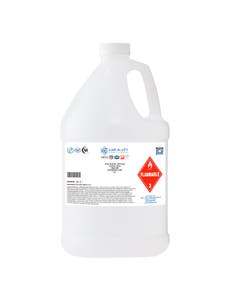
Denatured alcohol from Lab Alley is offered in multiple SDA formulations and proof levels, with packaging ranging from small laboratory bottles to 55-gallon drums.
Common Uses & Applications
SDA formulations serve industries ranging from cosmetics to chemical manufacturing, with each application balancing performance needs against regulatory compliance and safety requirements.
Cosmetic & Personal Care Applications
Perfumes and fragrances typically use SDA 40-B, 40-A, or 3-C formulations. These low-toxicity options dissolve fragrance oils and essential oils, then evaporate after application, leaving scent compounds on the skin. Hair sprays and styling products incorporate SDA as a carrier solvent with rapid drying characteristics.
Lotions, creams, and skincare products use approved SDA formulations for specific performance attributes. Aftershaves and astringents exploit SDA's antiseptic properties and astringent action. Deodorants and body care products incorporate SDA for antimicrobial effects and product consistency. Nail polish and removers use SDA for dissolving resins and film-forming agents.
Pharmaceutical Applications
Topical solutions and tinctures dissolve active pharmaceutical ingredients in SDA for external application. Antiseptics and hand sanitizers commonly use SDA 40-B, providing antimicrobial action with minimal toxicity. Pharmaceutical manufacturing solvents support drug synthesis and purification processes.
Over-the-counter medicine formulations incorporate approved SDA types for external use preparations only. Internal medicinal use remains strictly prohibited regardless of formulation.
Industrial Applications
Manufacturing solvents for resins, oils, gums, coatings, and inks rely on SDA's excellent dissolving power and rapid evaporation. Paint formulations use SDA for thinning and adjusting viscosity. Cleaning and degreasing agents incorporate SDA because it dissolves oils and greases, then evaporates without residue.
Adhesive formulations exploit SDA's solvent properties and controlled evaporation rates. Chemical intermediate production uses SDA as both a reactant and a process solvent.
Laboratory & Research Uses
General laboratory solvent applications make SDA economical for routine procedures not requiring absolute ethanol purity. Extraction processes pull compounds from natural materials using SDA's excellent dissolving properties. Equipment cleaning and sterilization benefit from SDA's antimicrobial properties and complete evaporation.
Fight Your Kidney Stone with This Natural Product Hack
Fight kidney stones. Discover how citric acid naturally prevents stone formation.

Is Lactic Acid Bad? A Look at the Health Science
Is lactic acid bad for you? Debunking myths and revealing its vital role in your body & beyond.
Hospitality Without Hitchhikers: Boric Acid’s Role in Bed Bug Prevention
Protect your hospitality business. Boric acid is key to preventing bed bug infestations.
Harnessing Silica Sulfuric Acid to Enhance Concrete Durability
Enhance concrete longevity. Silica sulfuric acid improves strength and chemical resistance.
Safety Information
SDA toxicity varies by formulation. Flammability remains constant across all formulations, demanding rigorous fire prevention regardless of denaturant choice.
Hazards & Precautions
Flammability: Class IB flammable liquid with flash point 13-16°C; OSHA Category 2 flammable liquid. Standard room temperature exceeds ignition threshold. SDA constantly releases flammable vapors seeking ignition sources.
Toxicity: SDA 40-B and botanical-enhanced formulations available from Lab Alley have low toxicity but remain flammable. Denatonium-based SDA 40-B has an extremely bitter taste, discouraging consumption.
Health Effects: Eye and respiratory irritation occur from vapor exposure. Skin contact produces drying and irritation with prolonged exposure.
Vapor Hazard: Vapors heavier than air sink and accumulate in low areas. Maintain proper ventilation, preventing dangerous concentrations.
Personal Protective Equipment (PPE)
Store in approved flammable liquid storage cabinets in cool, dry, well-ventilated areas. OSHA limits storage to 60 gallons per cabinet with three cabinets maximum per fire area. Keep away from heat, sparks, open flames, and all ignition sources.
Keep containers tightly closed to prevent evaporation and moisture absorption. Ground and bond containers during transfer operations to prevent static discharge.
Storage Guidelines
Store in approved flammable liquid storage cabinets in cool, dry, well-ventilated areas. OSHA limits storage to 60 gallons per cabinet with three cabinets maximum per fire area. Keep away from heat, sparks, open flames, and all ignition sources.
Keep containers tightly closed to prevent evaporation and moisture absorption. Ground and bond containers during transfer operations to prevent static discharge.
Emergency Procedures
Fire: Use alcohol-resistant (AFFF) foam, CO₂, or dry chemical extinguishers. Water may be ineffective for extinguishing, but it helps cool containers.
Spill: Eliminate all ignition sources immediately. Ventilate the area thoroughly. Absorb with inert material for disposal per hazardous waste regulations.
Exposure - Eyes: Flush with water for at least 15 minutes. Seek medical attention promptly.
Exposure - Ingestion: DO NOT induce vomiting. Seek immediate emergency medical attention.
Exposure - Inhalation: Move to fresh air immediately. Seek medical attention for persistent symptoms.
Exposure - Skin: Wash thoroughly with soap and water. Remove contaminated clothing.
Regulatory & Classification
SDA faces multiple overlapping regulatory frameworks. TTB governs formulations and usage. OSHA controls workplace safety. DOT regulates transportation. The FDA oversees products for human contact.
TTB Permits & Requirements
Users must obtain a TTB Industrial Use Permit to purchase and use SDA. Permit application gets filed on TTB Form 5150.9. Formula approval on TTB Form 5150.19 becomes required for manufacturing articles with SDA.
Detailed recordkeeping and reporting required under 27 CFR Parts 20 and 21 document SDA receipts, usage, and inventory. End-use restrictions strictly enforced prevent diversion to beverages or internal human medicinal use.
OSHA Classification
NFPA Class IB flammable liquid and OSHA Category 2 flammable liquid designations trigger workplace safety requirements. Approved storage cabinets, proper labeling, fire protection systems, and worker training become mandatory.
DOT Classification
UN 1170, Hazard Class 3 designates SDA as a flammable liquid for shipping purposes. Packing Group II or III, depending on formulation. Proper shipping name varies: "Ethanol solution" or "Denatured alcohol" depending on the specific product.
FDA Requirements
For hand sanitizer production, the FDA specifies approved SDA formulations. SDA 40-B, 40-A, and 3-C receive common authorization for over-the-counter antiseptic products. Cosmetic and personal care products must meet FDA regulations for safety and labeling.
Environmental Considerations
The ethanol component is readily biodegradable. Microorganisms metabolize ethanol to carbon dioxide and water. Cannot be discharged directly into waterways or storm drains. Disposal must follow federal (RCRA), state, and local hazardous waste regulations.
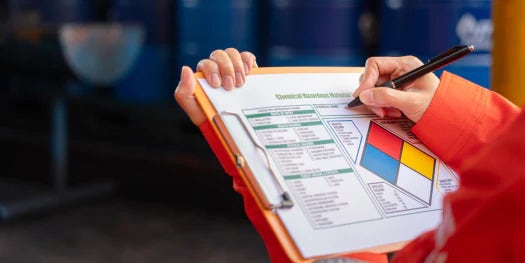
How to Safely Dispose of Sulfuric Acid
Sulfuric acid is one of the most common acidifying reagents and sulfur sources, essential across multiple industries. At the same time, it is also a toxic and highly hazardous chemical reagent, requiring safe handling and disposal by trained personnel.
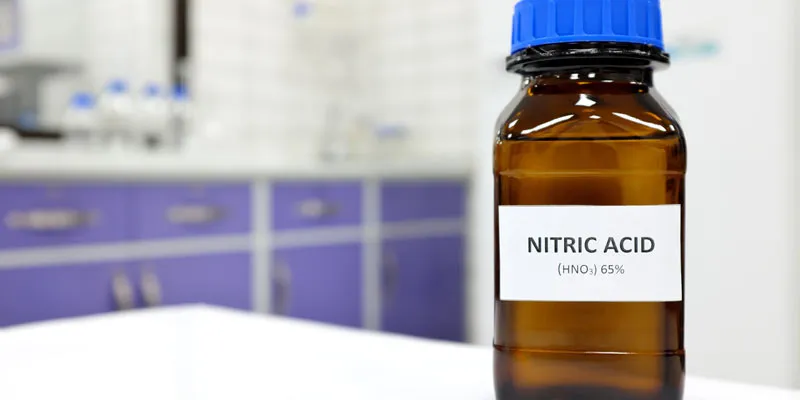
How To Use Nitric Acid Safely
Nitric acid is a corrosive chemical and harmful to humans. Its contact with skin and eyes can cause serious burns. Affected skin will require flushing with soap and lukewarm water for at least 30 minutes.
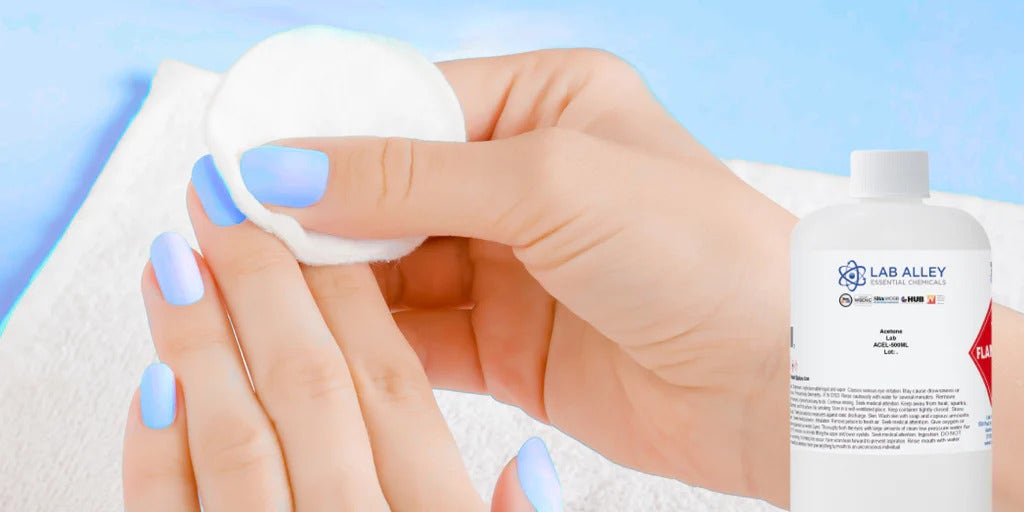
Acetone Safety: Proper Storage and Disposal Methods
Acetone is a staple chemical solvent in most laboratories. It is also perhaps one of the most recognizable chemicals to the layperson, best known as the pungent solvent comprising nail polish remover.
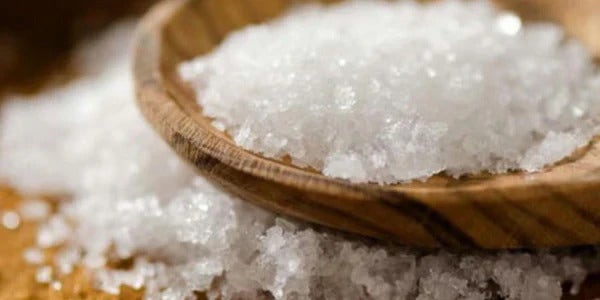
How to Use Potassium Iodide Safely and Where to Buy it Online
Potassium Iodide Powder, also known as Potassium Salt of Hydriodic Acid, Iodic Acid Potassium Salt, Potassium Monoiodide, and Knollide, has the chemical formula KI. It appears as a white crystalline powder, odorless, and is soluble in water at ambient conditions.
Medicinal Oils Derived From Plants
You can order food-grade ethanol, extraction-grade ethanol, ACS-grade ethanol, FCC-grade ethanol, USP grade ethanol, HPLC-grade ethanol and kosher ethanol from Lab Alley. Perform ethanol (EtOH) extraction at ultra-low temperatures for the best yields.
Ethanol extraction is a cost-effective way to use ethanol as an industrial solvent to produce high-quality botanical extracts from large volumes of medicinal herbs or plants.
SDA Grades and Pack Sizes
Lab Alley stocks specially denatured ethanol in all sizes, ranging from 500 ml to 270 gallons, for quick shipping to your facility.
Available Formulations at Lab Alley
SDA 40-B Ethanol 200 Proof (100%), Kosher, Halal: Most popular formulation with lowest toxicity; suitable for cosmetics, perfumes, personal care products, hand sanitizers
SDA 40-B Ethanol 190 Proof (95%), Kosher, Halal: Contains approximately 5% water; economical option for applications tolerating slight water content
SDA 3-C Ethanol 200 Proof (100%), Kosher, Halal: Isopropanol-based formulation; lower toxicity alternative for cosmetic and pharmaceutical applications
Ethanol 200 Proof with Bergamot (Bergaptene Free), Kosher, Halal (SDA 38B-32): Bergamot-enhanced formulation for perfumery and aromatherapy
Ethanol 200 Proof with Eucalyptus Oil, Kosher, Halal (SDA 38B-56): Eucalyptus-enhanced formulation for therapeutic body care products
Ethanol 190 Proof (95%) with Lavender Oil, Kosher, Halal (SDA 38B-13): Lavender-enhanced formulation for calming personal care products
Pack Sizes & Bulk Availability
Available in multiple sizes, accommodating diverse needs. Small containers (500 ml, 1 liter) suit laboratory research and formulation development. Medium containers (1 gallon, 5 gallon) serve regular production operations. Bulk quantities (55-gallon drums, 270-gallon totes) accommodate high-volume manufacturing.
Regulatory Requirements
Valid TTB Industrial Use Permit required for purchase of 6 gallons or more. Detailed recordkeeping is mandatory under TTB regulations. Formula approval is required for manufacturing articles from SDA. End-use restrictions are strictly enforced under 27 CFR Parts 20 and 21.
Kosher and Halal certifications available with Lab Alley's SDA products ensure religious compliance for manufacturers serving observant Jewish and Muslim markets.