





Citric Acid Shelf Life & Expiration
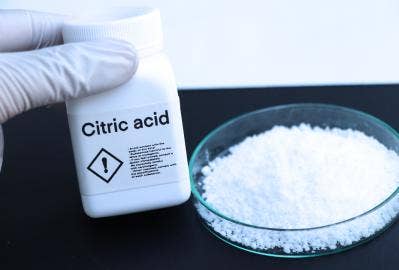
Citric acid is a versatile organic acid found in food production, pharmaceuticals, cleaning products, and industrial applications. Its effectiveness depends on maintaining chemical stability and purity throughout storage. As an organic acid, citric acid is highly stable but can be sensitive to moisture, temperature, and contamination, which can accelerate degradation or cause quality changes affecting its effectiveness in applications.
Understanding expiration timelines for citric acid helps ensure optimal performance across all uses. While this compound demonstrates exceptional stability compared to many chemicals, environmental factors can impact its quality over time. Even pharmaceutical-grade material can experience caking or degradation when exposed to moisture or improper storage conditions. This article explains typical longevity, warning signs of quality deterioration, and proven storage methods to maximize useful life.


In this article, we’ll review:
- How Long Does Citric Acid Last?
- Signs That Citric Acid Has Expired
- What to Do If Citric Acid Is Expired
How Long Does Citric Acid Last?
Citric acid longevity varies based on storage conditions and grade, with properly maintained material typically lasting three years from the date of manufacture. However, storage environments and packaging significantly impact this timeline, making appropriate handling essential for preserving effectiveness.
Shelf Life Duration
The useful lifespan of citric acid determines how long it remains effective, stable, and safe to use:
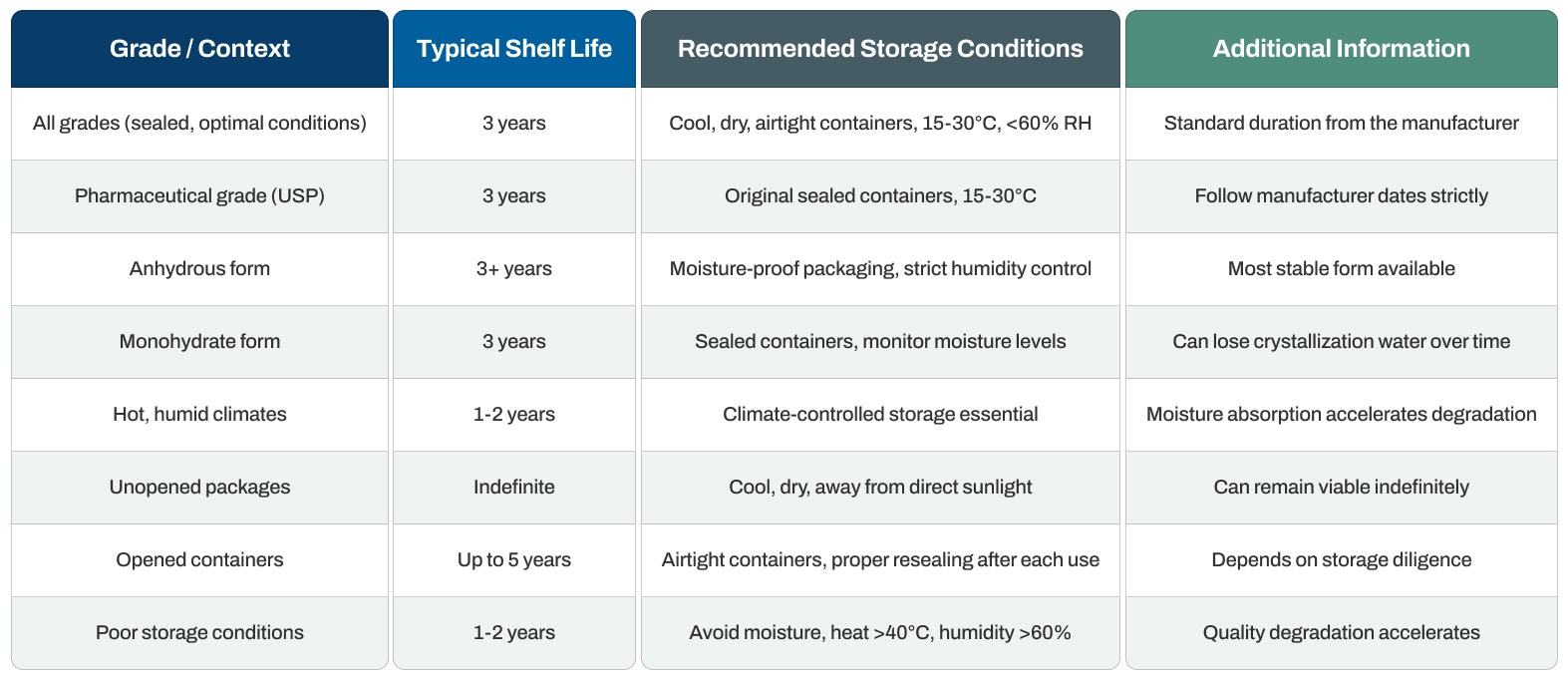
- Standard duration: Citric acid typically has a shelf life of 3 years from the date of manufacture for all grades (technical, food-grade, and pharmaceutical) when stored in optimal conditions. This extended viability reflects the compound's inherent molecular stability.
- Pharmaceutical grade: USP citric acid maintains the same 3-year shelf life when properly stored in sealed containers at 15-30°C. These pharmaceutical formulations meet stringent purity requirements that support long-term stability.
- Environmental impact: In hot, humid climates or poor storage conditions, the shelf life may be reduced to 1-2 years due to potential moisture absorption or caking. Temperature and humidity control become particularly important in challenging environments.
- Unopened packages: Can last indefinitely when stored in cool, dry conditions away from direct sunlight. Sealed packaging protects against environmental factors that could compromise quality.
- Opened citric acid: Can retain potency for up to 5 years when stored properly in airtight containers. Appropriate resealing after each use prevents moisture infiltration and maintains product quality.
Chemical Stability
The molecular stability of citric acid reflects its robust structure and resistance to degradation:
- Exceptional resistance: Citric acid powder is exceptionally stable and does not readily decompose under normal storage conditions. This durability makes it suitable for long-term storage across various applications.
- Form differences: Anhydrous citric acid is more stable than monohydrate forms, which can lose crystallization water over time. This characteristic makes anhydrous material the preferred choice for applications requiring maximum stability.
- Temperature resistance: Exposure to elevated temperatures above 40°C (104°F) can cause the powder to harden or clump, though citric acid has excellent thermal stability overall. Brief temperature excursions typically don't cause permanent degradation.
- Light stability: Light exposure has minimal effect on citric acid stability compared to other organic acids. This resistance to photodegradation simplifies storage requirements and packaging options.
- Moisture sensitivity: Moisture absorption is the primary concern, causing caking and potential microbial growth in humid conditions. The hygroscopic nature means this compound actively draws moisture from the air when containers aren't properly sealed.
Purity & Packaging
The molecular stability of citric acid reflects its robust structure and resistance to degradation:
- Exceptional resistance: Citric acid powder is exceptionally stable and does not readily decompose under normal storage conditions. This durability makes it suitable for long-term storage across various applications.
- Form differences: Anhydrous citric acid is more stable than monohydrate forms, which can lose crystallization water over time. This characteristic makes anhydrous material the preferred choice for applications requiring maximum stability.
- Temperature resistance: Exposure to elevated temperatures above 40°C (104°F) can cause the powder to harden or clump, though citric acid has excellent thermal stability overall. Brief temperature excursions typically don't cause permanent degradation.
- Light stability: Light exposure has minimal effect on citric acid stability compared to other organic acids. This resistance to photodegradation simplifies storage requirements and packaging options.
- Moisture sensitivity: Moisture absorption is the primary concern, causing caking and potential microbial growth in humid conditions. The hygroscopic nature means this compound actively draws moisture from the air when containers aren't properly sealed.
Storage Conditions
Environmental factors represent the most significant influence on citric acid longevity:
- Temperature specifications: Best kept in a cool, dry, well-ventilated area at 15-30°C (59-86°F) with relative humidity below 50-60%. This temperature range prevents thermal degradation while minimizing moisture absorption.
- Moisture protection: Protect from moisture, excessive heat above 40°C (104°F), and direct contact with water. Even brief water contact can dissolve portions of powder and compromise an entire container.
- Chemical separation: Store away from strong bases, oxidizing agents, and materials that could introduce contamination. Incompatible substances can react with citric acid or compromise its purity.
- Container sealing: Ensure containers are tightly sealed to prevent moisture absorption and caking. Resealing containers promptly after each use maintains product quality throughout extended storage periods.
Quick Reference: Shelf Life and Storage
A quick and appropriate first aid response can significantly reduce the severity of citric acid exposure injuries. Immediate action remains the priority for all exposure routes.
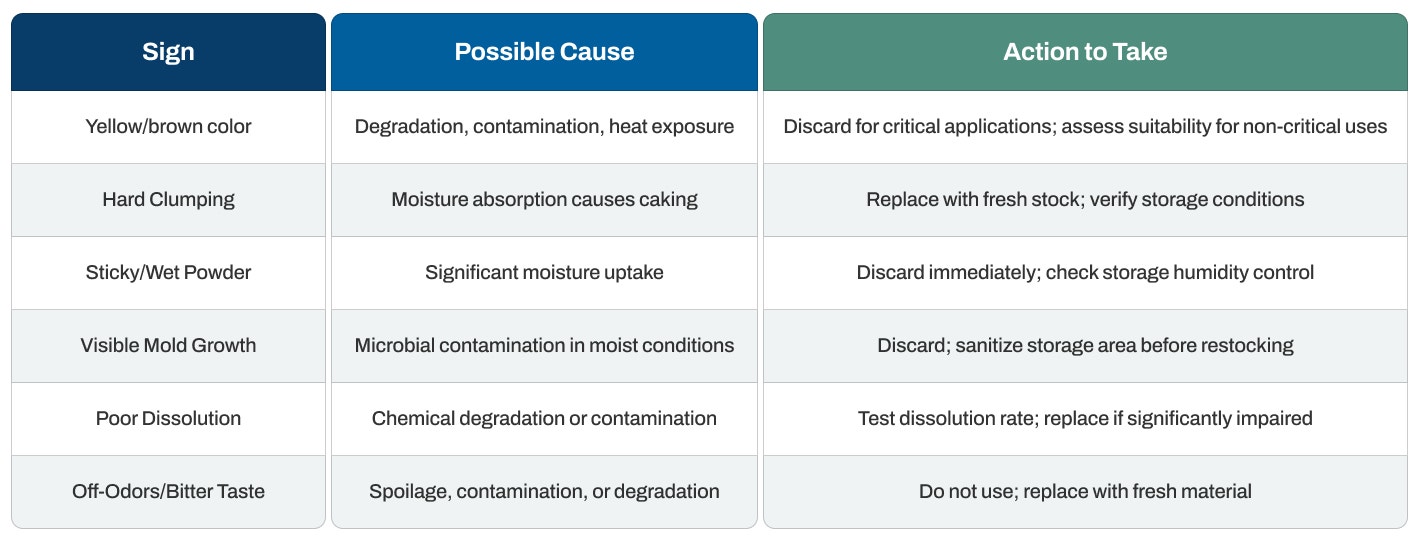
Signs That Citric Acid Has Expired
Citric acid displays clear visual and physical changes as it deteriorates. Recognizing these indicators early prevents reduced effectiveness and ensures quality in food, pharmaceutical, and industrial applications.
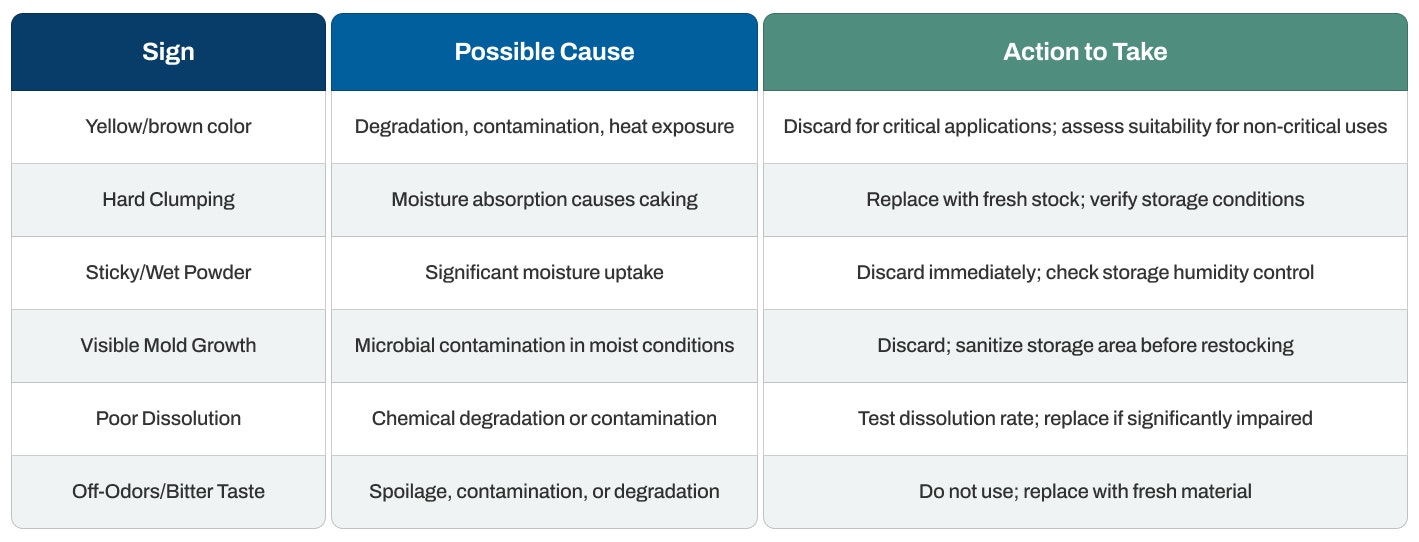
- Color Change: Development of yellow, brown, or off-white coloration in normally white crystalline powder indicates degradation or contamination. Fresh material appears as bright white crystals with a clean appearance. Discoloration suggests oxidation, contamination, or exposure to heat that has affected chemical integrity.
- Caking or Clumping: Formation of hard lumps or solid masses that don't break apart easily, typically due to moisture absorption. This caking makes accurate dosing nearly impossible and indicates that moisture has compromised the product. Severely caked material may form solid blocks that resist breaking even with significant force.
- Moisture Content Changes: Significant moisture uptake can make the powder sticky or wet, affecting flowability and concentration. The hygroscopic nature means it actively absorbs atmospheric moisture when exposed to humid conditions. This absorbed water dilutes the effective concentration and can promote microbial growth.
- Microbial Contamination: Visible mold growth, unusual odors, or discoloration indicating bacterial or fungal contamination, particularly in moist conditions. While the acidic nature provides some antimicrobial properties, significant moisture absorption can create conditions supporting microbial growth. Any visible biological contamination renders the material unsuitable for use.
- Solubility Issues: Difficulty dissolving in water or formation of insoluble residues that weren't present in fresh material. Fresh citric acid dissolves readily in water, forming clear solutions. Degraded material may contain insoluble impurities or an altered compound that doesn't dissolve properly, indicating chemical changes have occurred.
- Unusual Odors or Taste: Fresh citric acid should have a clean, sour citrusy smell and tangy taste. Any off-odors or bitter flavors indicate spoilage. While naturally having a characteristic sour smell, unusual musty, chemical, or unpleasant odors suggest contamination or degradation. Bitter tastes rather than clean tartness indicate quality issues.
What to Do If Citric Acid Is Expired
When citric acid shows signs of expiration or quality deterioration, follow established procedures to ensure safety and maintain application effectiveness.
Check Manufacturer Guidelines
Always start by consulting supplier recommendations and official documentation. Follow expiry or retest dates provided on packaging or certificate of analysis. Food-grade and pharmaceutical applications should strictly adhere to expiration dates, as regulatory requirements and quality standards demand consistent product performance.
For industrial applications, some suppliers include retesting protocols that can help determine whether material remains suitable for specific non-critical uses. However, this should only be done by qualified personnel with appropriate testing capabilities and only when regulatory requirements permit.
Follow Proper Disposal Procedures
Disposal procedures for citric acid are straightforward due to its biodegradable nature and low environmental impact:
- Neutralization option: Neutralize with sodium bicarbonate or dissolve in water before disposal according to local regulations. The neutralization reaction produces carbon dioxide gas and citrate salts with minimal environmental impact. Perform neutralization in well-ventilated areas to allow gas dispersion.
- Environmental compatibility: Citric acid is biodegradable and generally environmentally acceptable after neutralization. The compound breaks down readily through microbial action in soil and water treatment systems.
- Local regulations: Follow disposal procedures according to local regulations, which may vary by jurisdiction. Some areas permit direct disposal of neutralized material through wastewater systems, while others require collection by waste management services.
- Container handling: Rinse containers thoroughly before recycling or disposal. Empty citric acid containers typically don't require special handling as hazardous waste, though local requirements should be verified.
Replace with Fresh Stock
Always use fresh citric acid to ensure consistent quality and effectiveness in food, cosmetic, pharmaceutical, and industrial applications. When selecting replacement material:
Source from reputable suppliers who provide comprehensive documentation, including certificates of analysis, proper dating, and handling recommendations. Verify that documentation confirms the material meets your specific grade requirements (USP, FCC, technical, etc.).
Check packaging integrity upon delivery, ensuring moisture-proof sealing remains intact and that storage recommendations are clearly provided. Inspect for any signs of damage during shipping that could have compromised the product.
Verify the manufacturer's date to ensure maximum remaining useful life. Starting with the freshest possible material maximizes the usable storage period and ensures optimal performance.
Keep in Mind: Proper Storage Extends Shelf Life
Implementing correct storage practices from the beginning maximizes longevity and maintains effectiveness:
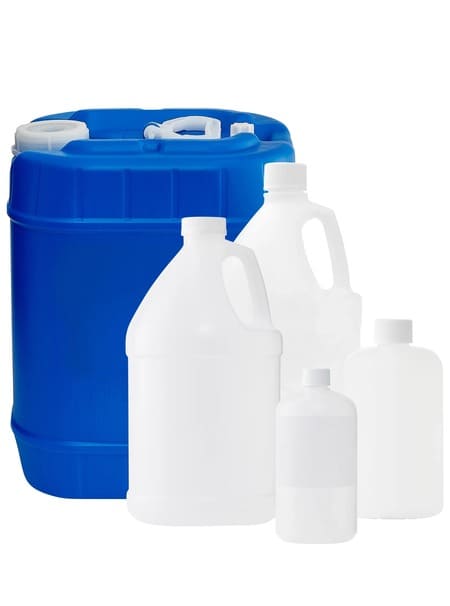
- Container management: Keep citric acid in moisture-resistant containers with tight seals. Reseal containers promptly after each use to minimize moisture exposure. Original factory packaging typically provides optimal protection until first opening.
- Environmental control: Maintain cool, dry storage conditions at 15-30°C with relative humidity below 60%. Use dehumidifiers in storage areas if ambient humidity regularly exceeds recommended levels.
- Protection from elements: Protect from humidity above 60%, excessive heat, and direct contact with water. Even brief exposure to water can dissolve portions of powder and compromise an entire container.
- Inventory rotation: Implement first-in-first-out (FIFO) inventory systems to ensure older stock gets used before newer material. Label containers with receipt dates to facilitate appropriate rotation.
- Regular monitoring: Inspect stored citric acid periodically for signs of moisture absorption, caking, or discoloration. Early detection of storage problems allows corrective action before product quality becomes severely compromised.
Conclusion
Citric acid generally lasts 3 years from manufacture with excellent stability, with signs of moisture absorption, caking, or container degradation being the primary indicators of potential issues. Unopened packages can remain viable indefinitely under proper storage, while opened containers maintain effectiveness for up to 5 years. Proper storage in moisture-controlled environments is essential for maintaining quality and maximizing the exceptionally long shelf life of this highly stable organic acid.
Note: Fresh citric acid stored under optimal conditions provides reliable performance throughout its useful life, but should always be handled according to safety guidelines and manufacturer specifications for your particular application.
For more detailed guidance, explore our Resource Library for comprehensive storage and handling information.
Our Customer Care team is also available for more information and documentation, including chemical Safety Data Sheets.
Need Citric Acid You Can Trust?
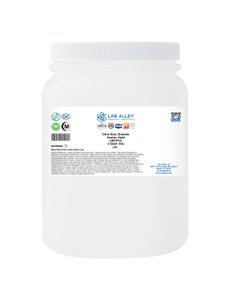
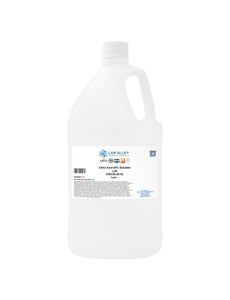
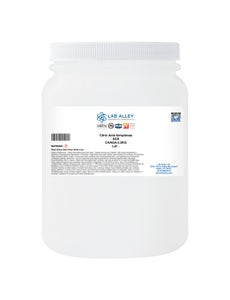
If you are looking for high-quality citric acid for your lab, product line, or research facility, be sure to visit our store to explore our trusted selection and request a quote.
As your trusted partner in chemical supply, Lab Alley is always striving to meet the growing demands of our customers. We want you to be able to access all of your chemical needs in one place, along with streamlined online ordering and fast shipping.
Due to popular demand from our valued clientele, Lab Alley's citric acid is available in a range of purities and packaging options to suit various commercial, laboratory, and personal needs.