





Citric Acid Uses & Applications
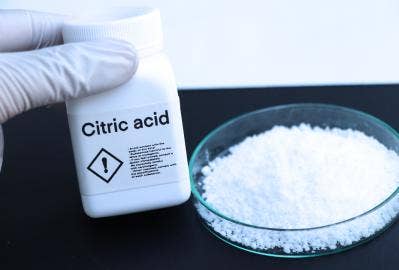
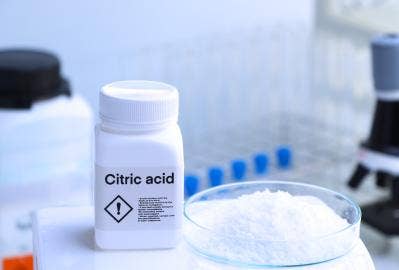
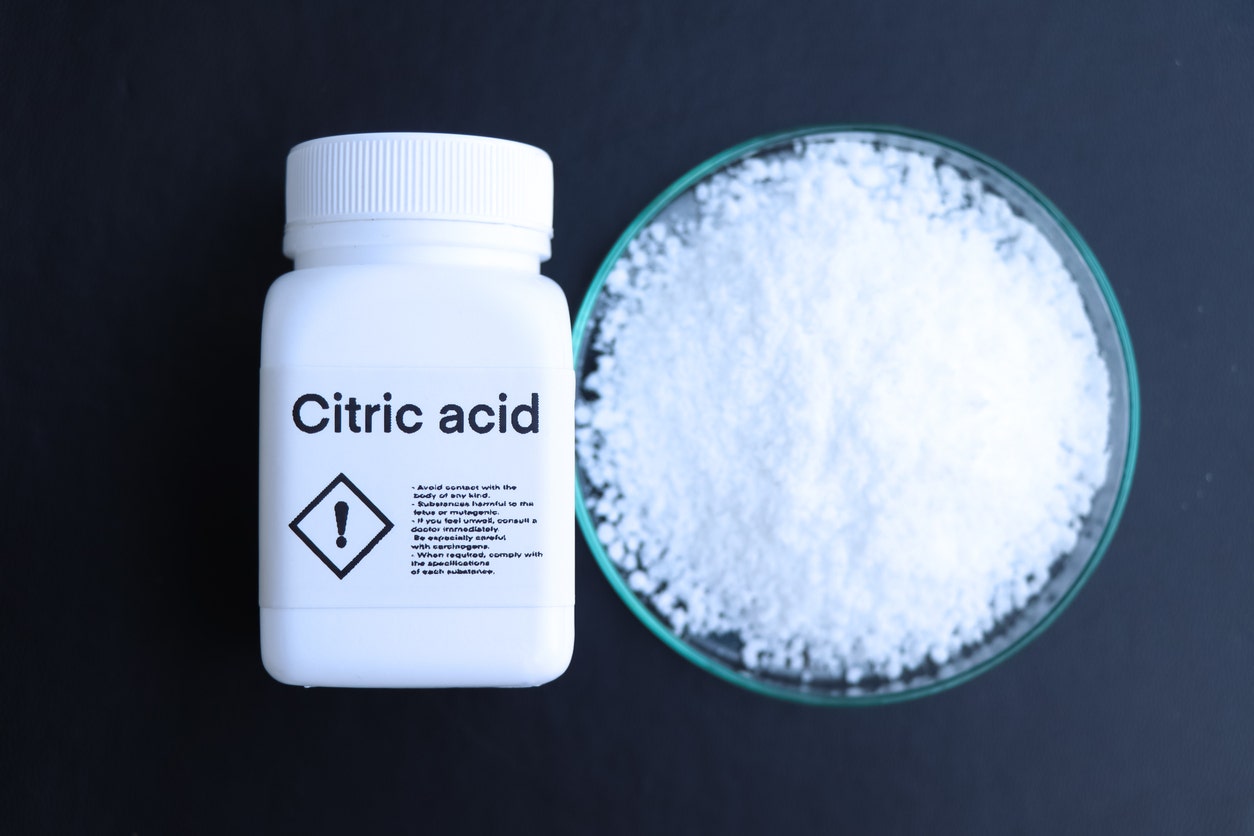
Citric acid (2-hydroxypropane-1,2,3-tricarboxylic acid) is a versatile organic compound primarily known for its acidifying, chelating, and preservative properties. Naturally occurring in citrus fruits and produced through microbial fermentation or extraction, citric acid has key applications in food and beverage production, pharmaceuticals, cosmetics, cleaning products, and industrial manufacturing.
What distinguishes citric acid is its multifunctional capability across diverse sectors. Whether formulating beverages, treating wastewater, or maintaining industrial equipment, this compound delivers consistent results backed by decades of practical application.
Its widespread acceptance stems from effectiveness, safety, and environmental compatibility. With GRAS (Generally Recognized as Safe) status, biodegradable nature, and excellent chelating abilities, citric acid ranks among the most widely used organic acids across multiple industries. Production through microbial fermentation or extraction provides both an environmentally conscious choice and an economically viable option for numerous applications.
In this comprehensive guide, we'll explore:
1. Industrial Applications
2. Scientific & Laboratory Uses
3. Medical & Pharmaceutical Uses
4. Food & Beverage Industry
5. Agriculture & Soil Treatment
6. Consumer & Household Uses
7. Environmental & Water Treatment
Industrial Applications
Citric acid is widely used in various industrial processes due to its acidic properties, metal-chelating capabilities, and role as a chemical intermediate. These characteristics make it valuable across manufacturing, processing, and finishing operations.
Metal Cleaning & Surface Treatment
As a primary ingredient in descaling agents, rust removers, and metal cleaning formulations, citric acid excels at chelating metal ions and removing mineral deposits, scale, and corrosion from industrial equipment and surfaces.
Manufacturing facilities depend on citric acid-based products to maintain heat exchangers, boilers, and cooling systems. When mineral deposits accumulate on equipment, the compound binds to metal ions and dissolves the deposits without the aggressive effects of stronger acids. This approach protects underlying metal surfaces while delivering thorough cleaning results.
For rust removal, citric acid reacts with iron oxide to form water-soluble complexes that rinse away cleanly, leaving prepared metal surfaces ready for coating or finishing processes.
Chemical Synthesis
Citric acid serves as an important intermediate in the manufacture of citrate esters, such as tributyl citrate (a plasticizer), and other organic compounds used in plastics, coatings, and chemical manufacturing.
The chemical sector values this compound for producing tributyl citrate, a plasticizer appearing in polymer formulations for food packaging, medical devices, and consumer products. Beyond plasticizers, citric acid participates in producing various organic compounds throughout the coatings and chemical manufacturing sectors.
Its three carboxylic acid groups provide multiple reactive sites, making it a versatile building block for synthetic chemists developing specialty chemicals and advanced materials.
Electroplating & Metal Finishing
Metal finishing operations use citric acid as a complexing agent in electroplating baths and metal finishing processes to improve coating quality and prevent metal precipitation.
When metal ions dissolve in plating solutions, premature precipitation can create coating defects. Citric acid prevents this by forming stable complexes that maintain ions in solution until electrochemical deposition occurs on the substrate. This action improves coating uniformity, enhances adhesion, and achieves consistent metal deposition across complex geometries.
Textile & Dyeing Industry
The textile industry employs citric acid as a mordant in textile dyeing, a pH adjuster in fabric processing, and a metal ion sequestrant to prevent color degradation and improve dye uptake.
As a mordant, citric acid creates chemical bridges between dye molecules and fabric fibers, producing vibrant colors that resist fading through repeated washing and light exposure. This application has been refined over generations and remains highly effective for achieving colorfastness.
Beyond dyeing, citric acid adjusts pH during fabric processing. Different treatments require specific pH levels for optimal results, and citric acid provides precise control. The compound also sequesters metal ions, preventing trace metals in water from interfering with dye chemistry and causing color variations or degradation.
Scientific & Laboratory Uses
Research facilities worldwide depend on citric acid for analytical procedures and biochemical studies. Its well-characterized behavior and consistent performance make it suitable for both routine testing and specialized research applications.
Analytical Reagent
Citric acid is widely used in buffer systems, complexometric titrations, and as a standard for analytical chemistry applications, particularly for metal analysis and pH calibration.
Buffer solutions containing citric acid and its salts maintain a stable pH during chemical analyses, ensuring accurate and reproducible results. These buffers prove especially useful in the slightly acidic pH range where many biological and chemical processes occur.
In complexometric titrations, citric acid determines metal concentrations by forming stable, measurable complexes with ions like calcium, magnesium, and iron in water, soil, food, and industrial materials. Standard citric acid solutions of known pH also serve as reference points for calibrating pH meters and electrodes.
Sample Preparation
Analytical procedures employ citric acid in laboratory procedures for metal extraction, sample digestion, and preventing metal interference in analytical methods.
When analyzing metals in complex matrices, citric acid extracts target elements while preventing interference from other components. Its chelating properties maintain metals in solution during digestion procedures, improving extraction efficiency and analytical sensitivity.
Sample digestion methods often incorporate citric acid to break down organic materials and release bound metals for analysis. This application proves particularly important in environmental testing, food analysis, and materials characterization, where accurate metal quantification is essential.
Biochemical Research
Citric acid is utilized in studies involving the citric acid cycle (Krebs cycle), cellular metabolism, and enzyme research due to its central role in cellular energy production.
The citric acid cycle represents one of the most fundamental metabolic pathways in living organisms. This cycle generates energy-rich molecules that power cellular processes, making an understanding of citric acid essential for studying cellular energy production.
Researchers investigating metabolism, enzyme function, and mitochondrial biology incorporate citric acid into experimental systems. Studies of how cells produce and utilize this compound provide insights into diseases affecting energy metabolism, including metabolic disorders, neurodegenerative conditions, and cancer.
pH Control & Buffering
Citric acid is commonly used to adjust and maintain pH in various laboratory preparations, cell culture media, and experimental procedures.
Laboratory work from cell culture media to experimental buffers relies on citric acid for pH adjustment. Its buffering capacity in the pH 3-6 range makes it particularly useful for biological applications requiring mildly acidic conditions. This range corresponds to many biological fluids and cellular compartments, allowing researchers to create experimental conditions mimicking natural environments.
Medical & Pharmaceutical Uses
Healthcare applications reflect citric acid's safety profile and biological compatibility. Pharmaceutical manufacturers and medical facilities rely on its predictable behavior and established regulatory approval for various medical uses.
Pharmaceutical Excipient
Citric acid is used as an acidifying agent, pH adjuster, chelating agent, and stabilizer in tablets, capsules, injectable solutions, and liquid medications.
Pharmaceutical formulations incorporate citric acid to adjust pH levels, enhancing drug stability and improving absorption. Many medications exhibit pH-dependent stability, degrading rapidly outside optimal ranges. Citric acid maintains ideal conditions throughout shelf life, ensuring patients receive full therapeutic benefits.
The compound also functions as a chelating agent, binding trace metal ions that could catalyze drug degradation. This stabilizing action extends medication potency, particularly important for drugs requiring long-term storage or distribution in challenging conditions. In injectable medications, citric acid maintains proper pH and prevents precipitation of active ingredients
Anticoagulant
Sodium citrate is used in blood collection tubes and blood banking as an anticoagulant to prevent blood clotting during storage and testing.
Blood collection and banking operations depend on sodium citrate, the sodium salt of citric acid, as a reliable anticoagulant. When blood is drawn, adding sodium citrate prevents clotting by chelating calcium ions essential for the blood coagulation cascade.
This method offers advantages over alternatives. Sodium citrate doesn't interfere with most laboratory tests, making it ideal for hematological and biochemical analyses. Blood banks use citrate-based solutions to preserve donated blood for transfusion, extending storage life while maintaining cell viability. The body rapidly metabolizes citrate after transfusion, allowing normal coagulation to resume.
Medical Solutions
Citric acid is incorporated in dialysis solutions, irrigation fluids, and electrolyte replacement therapies for various medical procedures.
Dialysis centers use citric acid-containing solutions during kidney dialysis procedures to maintain proper pH balance and prevent clotting in equipment. Irrigation fluids used during surgical procedures and wound care often contain citric acid to maintain physiological pH and provide mild antimicrobial properties.
Electrolyte replacement therapies sometimes incorporate citric acid or citrate salts to correct acid-base imbalances in critically ill patients, helping restore normal body chemistry and support recovery.
Drug Delivery Systems
Citric acid is used to enhance drug solubility, stability, and bioavailability in pharmaceutical formulations, particularly for poorly soluble drugs.
Pharmaceutical scientists employ citric acid to improve drug solubility and bioavailability for medications poorly soluble in water. By adjusting pH or forming soluble complexes with drug molecules, citric acid increases the amount of medication that dissolves and becomes available for absorption.
Enhanced bioavailability leads to better therapeutic outcomes, reduced dosing requirements, and improved patient compliance. For drugs with narrow therapeutic windows or requiring precise dosing, citric acid-based formulation strategies optimize medication delivery and effectiveness.
Food & Beverage Industry Applications
The food and beverage sector represents one of the largest markets for citric acid, consuming hundreds of thousands of tons annually. Its natural origin, safety profile, and functional benefits make it indispensable for modern food production.
Food Preservative & Acidulant
Citric acid is extensively used to provide tart flavor, preserve freshness, inhibit bacterial growth, and maintain color stability in beverages, candies, jams, jellies, and processed foods.
Beyond providing characteristic tartness, citric acid contributes to overall flavor profiles by balancing sweetness and enhancing other taste components. This acidulant function creates more complex and satisfying products across numerous food categories.
Preservation occurs when citric acid lowers pH to levels that spoilage organisms cannot tolerate. This antimicrobial effect extends product shelf life, reduces food waste, and enhances food safety without synthetic preservatives. Color stability also benefits from citric acid addition, as many natural pigments are pH-sensitive. The compound maintains optimal pH ranges for preserving vibrant colors throughout storage and distribution.
Beverage Production
Citric acid serves as the primary acidulant in soft drinks, juices, energy drinks, and alcoholic beverages to enhance flavor profile and provide characteristic tartness.
Soft drink formulations depend heavily on citric acid for a distinctive taste. The compound enhances fruit flavors, provides refreshing tartness, and balances sweetness in cola and lemon-lime beverages. Its clean taste doesn't introduce off-flavors or interfere with complex flavor systems.
Energy and sports drinks use citric acid not only for flavor but also to enhance the absorption of certain nutrients and electrolytes. Juice manufacturers add citric acid to standardize acidity across batches, ensuring consistent taste regardless of natural fruit variations.
Antioxidant & Synergist
Citric acid works synergistically with other antioxidants to prevent oxidation, rancidity, and color degradation in oils, fats, and food products.
While citric acid itself has limited direct antioxidant activity, it enhances other antioxidants through multiple mechanisms. The compound chelates metal ions like iron and copper that catalyze oxidative reactions, effectively removing these pro-oxidants from the system.
In oils and fats, this antioxidant-enhancing effect prevents rancidity development, extending shelf life and maintaining flavor quality. The compound protects vitamins and other sensitive nutrients from oxidative degradation during processing and storage. Color preservation in fruits and vegetables also relies on this synergy, preventing enzymatic browning and oxidative discoloration in processed produce and frozen foods.
pH Control & Stabilization
Citric acid is used to control acidity levels in various food products, ensuring optimal taste, texture, safety, and extended shelf life.
pH control represents a fundamental aspect of food processing. Citric acid provides precise adjustment across a wide range of products, ensuring optimal conditions for taste, texture, safety, and shelf life.
Different processes require specific pH ranges. Gelatin desserts need careful pH control for proper setting characteristics. Canned foods require sufficient acidity to ensure safe processing and prevent the growth of dangerous pathogens like Clostridium botulinum. Texture stabilization in many foods also depends on proper pH control, as proteins, pectins, and starches exhibit pH-dependent behavior.
Agriculture & Soil Treatment
Agricultural applications address soil chemistry challenges and support plant health across various farming systems. The compound's ability to modify soil pH and enhance nutrient availability makes it valuable for conventional and organic agriculture.
Soil pH Amendment
Citric acid is used to lower soil pH in agricultural applications, particularly beneficial for acid-loving plants and in alkaline soil conditions.
Many crops prefer slightly acidic conditions, but alkaline soils are common in agricultural regions. Citric acid lowers soil pH, creating favorable conditions for acid-loving plants like blueberries, azaleas, rhododendrons, and many vegetables.
Unlike strong mineral acids, citric acid provides gradual pH adjustment without shocking plant roots or causing dramatic chemistry swings. This gentler approach supports healthier plant growth while improving long-term soil conditions. The compound's biodegradability means it breaks down naturally over time, with microorganisms metabolizing it and contributing to soil organic matter.
Micronutrient Availability
Citric acid enhances the availability of iron, manganese, and other micronutrients in soil by preventing their precipitation and improving plant uptake.
Iron deficiency chlorosis affects numerous crops when alkaline soil conditions prevent adequate iron absorption. Citric acid addresses this through two mechanisms: lowering soil pH to increase iron solubility, and forming stable, water-soluble complexes with iron and other micronutrients like manganese, zinc, and copper. These chelated forms remain available for root uptake even in challenging conditions.
Foliar applications of citric acid solutions provide rapid correction of deficiencies. Sprayed directly on leaves, chelated nutrients absorb through leaf surfaces, providing quick relief while soil treatments take effect.
Animal Feed Additive
Citric acid is incorporated in livestock and poultry feed as an acidifier to improve feed conversion, reduce harmful bacteria, and enhance mineral absorption.
Livestock nutrition increasingly incorporates citric acid as a feed acidifier. Added to feed for swine and poultry, citric acid lowers intestinal pH, creating conditions favoring beneficial bacteria while inhibiting harmful pathogens like Salmonella and E. coli.
Improved gut health translates to better feed conversion ratios, meaning animals require less feed for the same growth rates. Enhanced mineral absorption represents another benefit, as acidic conditions improve solubility and bioavailability of calcium, phosphorus, and trace minerals. Young animals, particularly weaned piglets, experience less digestive upset and better growth performance with citric acid inclusion in feed formulations.
Fertilizer Enhancement
Citric acid is used in fertilizer formulations to improve nutrient stability and prevent precipitation of metal nutrients.
Fertilizer manufacturers incorporate citric acid to improve nutrient stability and prevent precipitation of metal nutrients during storage and after application. This stabilization ensures fertilizers deliver intended nutritional benefits rather than forming insoluble compounds that plants cannot access.
Chelated micronutrient fertilizers using citric acid as the chelating agent provide reliable iron, manganese, zinc, and copper nutrition for high-value crops. These specialized products deliver superior performance in challenging soil conditions where conventional fertilizers prove ineffective.
Consumer & Household Uses
Home applications have grown significantly as consumers seek effective, environmentally friendly alternatives to harsh chemical cleaners. The compound's safety profile and powerful cleaning properties make it suitable for various household tasks.
Cleaning Products
Citric acid is a primary ingredient in household descaling agents, lime removers, toilet bowl cleaners, and dishwasher rinse aids due to its excellent chelating and scale-removing properties.
Hard water deposits containing calcium carbonate accumulate on faucets, showerheads, coffee makers, and kettles, reducing efficiency and creating unsightly buildup. Citric acid dissolves these deposits effectively, restoring function and appearance without harsh fumes or corrosive effects.
Toilet bowl cleaners containing citric acid remove mineral stains and deposits while providing mild antimicrobial benefits. The compound's environmental profile appeals to consumers seeking effective cleaning without harsh chemicals that might harm septic systems or aquatic ecosystems. Dishwasher rinse aids incorporate citric acid to prevent spotting and filming on glassware by chelating minerals in hard water.
Cosmetic & Personal Care Products
Citric acid is used in skincare products as an alpha hydroxy acid (AHA) for gentle exfoliation, pH adjustment, and as a chelating agent to improve product stability.
Skincare formulations increasingly include citric acid as an alpha-hydroxy acid for gentle exfoliation. At appropriate concentrations, citric acid removes dead skin cells, improving texture and promoting radiance. Its gentler profile compared to glycolic acid makes it suitable for sensitive skin types.
pH adjustment represents another critical function. Skin has a naturally acidic pH around 5.5, and products formulated at this pH tend to be gentler and more compatible with the skin's natural barrier. Citric acid provides precise pH control to optimize product performance and skin compatibility. In shampoos and body washes, chelating applications improve performance in hard water areas by binding minerals that interfere with surfactant action.
Bath Products
Citric acid is incorporated in bath bombs, effervescent tablets, and spa products for its skin-softening properties and ability to neutralize chlorine in water.
Bath bombs and effervescent tablets combine citric acid with sodium bicarbonate to create a characteristic fizzing action. When these compounds contact water, they react to produce carbon dioxide gas, creating an enjoyable sensory experience while dispersing colorants, fragrances, and beneficial ingredients throughout the bath.
Beyond entertainment value, citric acid provides skin-softening benefits and neutralizes chlorine in tap water. This chlorine neutralization reduces skin irritation and dryness that some people experience after bathing, particularly those with sensitive skin or conditions like eczema.
DIY & Home Remedies
Citric acid is commonly used in homemade cleaning solutions, natural preservatives, and as a safe descaling agent for appliances.
Home cleaning enthusiasts have discovered citric acid's versatility in homemade cleaning solutions. Mixed with water, it creates an effective all-purpose cleaner suitable for countertops, appliances, and bathroom fixtures. Adding essential oils creates pleasantly scented cleaners without synthetic fragrances.
Descaling coffee makers, kettles, and other small appliances with citric acid solutions has become a popular maintenance practice. The compound effectively removes mineral buildup, extending appliance life and maintaining performance without harsh chemicals found in some commercial descaling products.
Environmental & Water Treatment
Environmental applications have expanded significantly as industries and municipalities seek effective, environmentally responsible treatment solutions. The compound's biodegradability and chelating properties make it valuable for addressing various water quality and environmental challenges.
Water Treatment
Citric acid is employed in water treatment processes as a chelating agent to remove heavy metals, prevent scale formation, and improve water quality in industrial and municipal applications.
Municipal and industrial facilities use citric acid to manage heavy metals in water supplies. The compound forms stable complexes with lead, copper, iron, and manganese, preventing these metals from precipitating and causing pipe corrosion, staining, or water quality problems.
Scale prevention represents another important application. When water contains high calcium and magnesium levels (hard water), these minerals can precipitate as scale deposits in pipes, equipment, and distribution systems. Citric acid prevents this precipitation by keeping minerals in solution, protecting infrastructure, and maintaining system efficiency. Industrial water treatment systems employ citric acid in cooling towers, boilers, and heat exchangers, where scale formation can dramatically reduce efficiency.
Biodegradable Alternative
Citric acid is used as an environmentally friendly substitute for phosphates and harsh acids in detergents and cleaning products due to its complete biodegradability.
Environmental regulations increasingly restrict phosphates and synthetic chelating agents in detergents and cleaning products due to their contribution to aquatic ecosystem damage. Citric acid provides a biodegradable alternative that effectively chelates minerals and enhances cleaning performance without persistent environmental impacts.
When citric acid enters wastewater treatment systems or aquatic environments, microorganisms readily metabolize it as a carbon source. This complete biodegradation means citric acid doesn't accumulate in ecosystems or contribute to long-term environmental problems. Consumer demand for environmentally friendly products has driven reformulation of many cleaning and personal care products to replace problematic ingredients with citric acid.
Green Chemistry Applications
Citric acid is utilized in sustainable chemical processes as a renewable chelating agent and pH modifier with minimal environmental impact.
Green chemistry principles emphasize using renewable feedstocks, minimizing waste, and designing safer chemicals. Citric acid exemplifies these principles as a renewable resource produced through biotechnology from plant-based sugars. Its use as a chelating agent and pH modifier in sustainable chemical processes helps industries reduce environmental impact.
Chemical manufacturers increasingly incorporate citric acid into formulations designed to meet green chemistry criteria. The compound's established safety profile, renewable origin, and biodegradable nature align with sustainability goals while delivering reliable performance. Research into new green chemistry applications continues expanding citric acid's role in sustainable manufacturing.
Swimming Pool Maintenance
Citric acid is used to reduce pH, prevent metal staining, and improve water clarity in swimming pools and spas.
Pool and spa owners use citric acid to address specific water quality challenges. The compound effectively reduces pH when levels rise too high, maintaining slightly acidic conditions necessary for optimal sanitizer effectiveness and bather comfort.
Metal staining represents a common problem in swimming pools, particularly those filled with well water containing iron or copper. Citric acid chelates these metals, preventing them from oxidizing and depositing as unsightly stains on pool surfaces. Some pool owners use citric acid to remove existing metal stains, restoring the appearance. Water clarity improvements also result from citric acid's ability to sequester metals and prevent their interference with sanitizer chemistry.
Citric Acid Grades and Pack Sizes
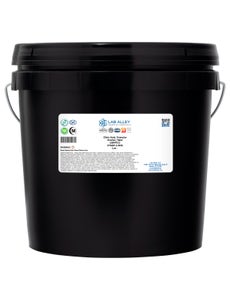
Lab Alley provides premium-grade citric acid for industrial, pharmaceutical, agricultural, and research applications. Every batch is tested for purity and compliance with strict quality standards to ensure safe and dependable performance.
Available Grades & Purities
Multiple grade options available, including:
- ACS Grade (Anhydrous): High-purity citric acid meeting American Chemical Society (ACS) specifications. Suitable for laboratory research, analytical testing, and applications requiring reagent-grade material.
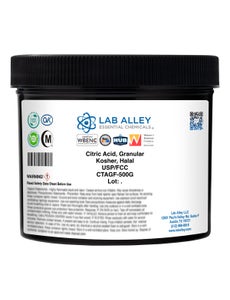
- USP/FCC/Food Grade (Anhydrous Granular, Kosher/Halal Certified): Food and pharmaceutical applications require products meeting United States Pharmacopeia (USP) and Food Chemicals Codex (FCC) standards. This grade includes Kosher and Halal certifications for manufacturers serving religious dietary requirements.
- Lab Grade Formulations: General laboratory grade citric acid with reliable purity for educational, research, and commercial use where ACS-level certification is not required.
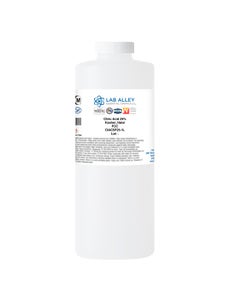
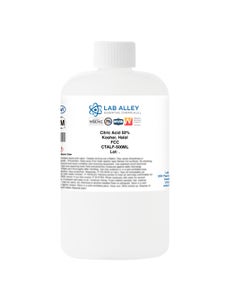
- Solutions: Available in various concentrations, including 10%, 25%, and 50% aqueous solutions, with FCC/Food Grade options meeting food industry standards and specialized formulations like 25% Aqueous Solution with Fluorescein for research applications.
Pack Sizes & Bulk Availability
Comprehensive sizes range from small laboratory quantities (100g, 500g, 1kg) to industrial bulk volumes (210 gallons, 275 gallons).
- Solid forms: Available in 100g, 1lb, 2.5kg, 12.5kg, 25kg, and 50lb containers.
- Liquid solutions: Offered in 1 Liter, 4 liters, 1 gallon, 5 gallons, 55 gallons, 210 gallons, and 275 gallons for various application requirements.
All packaging complies with strict safety, shipping, and regulatory standards to ensure proper handling and storage throughout the supply chain.
Final Note
Citric acid's broad compatibility across industrial, pharmaceutical, agricultural, and environmental spheres makes it a key multifunctional chemical in modern applications. From food fortification to wastewater treatment and crop yield improvement, this organic acid continues to provide reliable, cost-effective solutions to challenges across multiple sectors.
The compound's proven safety record when properly handled, combined with its effectiveness and economic advantages, ensures that citric acid will remain important for years to come. As environmental regulations become more stringent and the global population continues to grow, demand for effective water treatment and agricultural solutions will likely drive continued innovation in citric acid applications.
For organizations considering citric acid for their operations, working with experienced suppliers like Lab Alley, who understand both the technical aspects and regulatory requirements, ensures successful implementation while maintaining safety and compliance standards across all application areas.
For more detailed guidance, explore our Resource Library.
Our Customer Care team is also available for more information and documentation, including chemical Safety Data Sheets.
Need Citric Acid You Can Trust?
If you are looking for high-quality citric acid for your lab, product line, or research facility, be sure to visit our store to explore our trusted selection and request a quote.
As your trusted partner in chemical supply, Lab Alley is always striving to meet the growing demands of our customers. We want you to be able to access all of your chemical needs in one place, along with streamlined online ordering and fast shipping.
Due to popular demand from our valued clientele, Lab Alley's citric acid is available in a range of purities and packaging options to suit various commercial, laboratory, and personal needs.