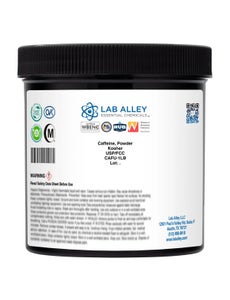






How to Store Caffeine: Best Practices for Quality and Safety
Caffeine is a stable alkaloid compound that requires proper storage practices to maintain quality, prevent moisture absorption, and ensure product integrity. Available as anhydrous caffeine or caffeine monohydrate in various grades (pharmaceutical, food, technical), this naturally occurring stimulant demands careful storage management to preserve specifications.
Unlike flammable solvents, caffeine presents minimal fire hazards but creates different challenges. The compound exists as a white crystalline powder or granules at room temperature. This physical form makes moisture control critical, as atmospheric humidity causes caking, clumping, and potential chemical degradation that renders material unusable.
The potency of pure caffeine creates serious safety concerns beyond typical chemical handling. Small amounts equivalent to 1-2 teaspoons of pure powder can be toxic or fatal if ingested. This extreme toxicity requires strict controls preventing accidental consumption or misuse, particularly in facilities where workers might not recognize the danger of seemingly innocuous white powder.
Different grades serve markets with varying quality requirements. Pharmaceutical-grade caffeine meets USP standards for drug formulation and dietary supplements. Food-grade caffeine follows FDA requirements for beverages, foods, and nutritional products. Technical-grade caffeine handles industrial applications where purity specifications allow broader tolerances. Each grade demands storage, preventing contamination that would compromise its intended use.


In this article, we’ll examine
- Recommended Storage Conditions
- Container & Packaging Requirements
- Segregation & Compatibility
- Safe Handling in Storage Areas
- Regulatory Compliance & Labeling
- Special Considerations for Caffeine
- Environmental and Safety Considerations
Recommended Storage Conditions
Environmental factors affecting caffeine storage focus on moisture control and stability preservation rather than flammability concerns.
Temperature Control
Maintain storage at controlled room temperatures between 15-25°C (59-77°F). This moderate range preserves chemical stability while preventing moisture condensation problems. Avoid temperature fluctuations that could promote water vapor condensation on powder surfaces or inside containers.
Thermal cycling creates particular problems for powdered materials. When warm caffeine-containing air cools, moisture condenses directly onto powder surfaces even inside supposedly sealed containers. Repeated cycles gradually introduce water that causes caking and quality degradation.
Select storage locations with stable thermal environments. Climate-controlled spaces work best. Areas experiencing daily temperature swings from heating/cooling cycles or seasonal variations require extra attention to container sealing and moisture barriers.
Humidity Control
Use tightly sealed containers and store in low-humidity environments. Caffeine is hygroscopic and will absorb moisture, potentially leading to caking, clumping, or degradation. Moisture absorption represents the single biggest storage challenge for caffeine powder.
Humidity ingress transforms free-flowing powder into hard lumps or solid masses requiring physical breaking before use. Beyond handling inconvenience, moisture can trigger chemical degradation pathways that alter product composition and reduce stability.
Consider environmental humidity when selecting storage areas. Basement locations or spaces without dehumidification in humid climates create challenging conditions. Upper floors or climate-controlled areas with active humidity management provide better environments.
Use desiccants or humidity control packets inside containers for long-term storage, especially in humid climates. Silica gel packets, molecular sieves, or other desiccants absorb moisture that enters during brief openings or slowly infiltrates through imperfect seals.
Light Exposure
Store in opaque containers or dark storage areas to prevent photodegradation and maintain product stability, particularly for pharmaceutical and food-grade materials. While caffeine shows reasonable light stability, UV exposure over extended periods can trigger degradation reactions affecting purity.
Opaque containers eliminate light exposure regardless of storage location. White or colored HDPE containers block light effectively while remaining economical for bulk storage. Amber glass provides UV protection for smaller laboratory quantities while allowing visual inspection.
Dark storage cabinets or rooms solve light exposure problems when using clear containers. This approach works well for facilities needing to visually inspect material frequently without exposing it to continuous light.
Ventilation
Standard room ventilation is sufficient for caffeine storage. The compound has negligible vapor pressure and does not generate hazardous vapors under normal storage conditions. Unlike volatile solvents requiring active vapor control, caffeine remains solid without releasing airborne contaminants.
Adequate air movement prevents localized humidity accumulation in storage areas. General room air circulation maintains consistent conditions throughout storage spaces. Special ventilation systems aren't necessary unless bulk powder handling generates dust requiring control.
Storage Duration
When properly stored in sealed containers with moisture protection, caffeine maintains quality for several years. The compound shows excellent chemical stability under appropriate conditions. Pharmaceutical grades should follow the manufacturer's expiration dating and retest intervals.
Monitor stored material for visual changes indicating degradation or moisture problems. Discoloration from white to yellow or brown suggests oxidation or contamination. Caking or clumping indicates moisture absorption requiring attention. Unusual odors signal contamination from improper storage or container materials.
Implement inventory rotation using older stock before newer receipts. While caffeine remains stable long-term, first-in, first-out practices minimize the chance that aging containers develop problems affecting usability.
Container & Packaging Requirements
Selecting appropriate containers balances moisture protection with material compatibility and grade-specific regulatory requirements.
Material Selection
Use containers made from glass, HDPE, polypropylene, or food-grade materials for food and pharmaceutical applications. These materials resist chemical interaction with caffeine while meeting regulatory requirements for consumable product contact.
Glass provides excellent moisture barriers and inert surfaces ideal for pharmaceutical-grade material. The transparency allows visual quality monitoring while glass surfaces don't leach contaminants into stored powder. HDPE and polypropylene offer good moisture resistance at a lower cost for larger quantities.
Food-grade designations matter critically for caffeine intended for beverages or dietary supplements. Containers must meet FDA requirements for food contact surfaces, avoiding materials that might leach substances into stored products.
Moisture Barriers
Containers must have tight-fitting, moisture-resistant seals to prevent humidity ingress and maintain product quality. Closure quality determines success or failure for caffeine storage more than almost any other factor.
Threaded closures with gaskets provide reliable sealing when properly maintained. Screw caps without gaskets allow gradual moisture infiltration that degrades powder over time. Friction-fit lids typically prove inadequate for long-term storage unless equipped with sealing rings.
For bulk storage, use lined drums or containers with moisture barriers and appropriate sealing systems. Polyethylene liners inside fiber drums create moisture barriers while allowing economical, large-quantity storage. Sealed plastic pails work well for intermediate volumes.
Desiccant Use
Include desiccant packets inside containers for added moisture protection, particularly in humid environments. Desiccants provide insurance against the small amounts of humid air entering during brief openings or slow infiltration through imperfect seals.
Size desiccant packets appropriately for container volumes. Manufacturers provide guidance on desiccant capacity relative to enclosed space. Replace or regenerate desiccants periodically as their moisture absorption capacity becomes exhausted.
Indicator desiccants change color when moisture capacity is reached, providing visual confirmation of continued protection. Blue silica gel turning pink signals exhausted capacity requiring replacement.
Labeling Requirements
Clearly label containers with grade (pharmaceutical USP, food-grade, technical), lot numbers, expiration dates, and storage instructions. Complete labeling prevents confusion between grades and ensures appropriate handling for specific material types.
Hazard warnings on labels alert workers to caffeine's toxicity in concentrated form. "Caution: Highly Potent Material" or similar warnings remind handlers of risks from accidental ingestion or excessive exposure.
Segregation & Compatibility
Proper separation maintains product purity and prevents contamination, affecting quality or regulatory compliance.
Chemical Incompatibilities
Store away from strong oxidizing agents and incompatible chemicals that could cause contamination or degradation. While caffeine doesn't react violently like flammable materials, oxidizers can trigger degradation, affecting product quality.
Physical separation prevents cross-contamination even during spills or releases. Dedicated storage areas or separate cabinets ensure incompatible materials can't contact caffeine supplies.
Odor Absorption
Keep separate from odorous materials as caffeine can absorb odors that may affect product quality, particularly for food and pharmaceutical grades. Stored powder readily picks up volatile compounds from nearby materials, incorporating foreign odors that make it unsuitable for consumable applications.
Separation from paint, solvents, cleaning chemicals, and other odorous materials prevents contamination. Even materials stored in supposedly sealed containers may release sufficient vapors to affect sensitive caffeine grades.
Grade Segregation
Maintain separation between different grades (pharmaceutical, food, technical) to prevent cross-contamination and ensure regulatory compliance. Mixing grades creates material not meet any specification while potentially wasting expensive pharmaceutical-grade product.
Store food-grade and pharmaceutical caffeine in dedicated areas meeting appropriate regulatory standards for consumable products. Physical separation plus procedural controls prevent accidental substitution or contamination from lower-grade materials.
Organize storage by application type to ensure appropriate quality controls and handling protocols. Workers can apply correct procedures based on the storage area rather than reading labels during every operation.
Form Separation
Store anhydrous caffeine separately from caffeine monohydrate with clear identification. These forms have different chemical compositions and storage characteristics. Mixing them creates blends not meet specifications for either form.
Safe Handling in Storage Areas
Handling procedures protect workers from exposure to potent material while preventing dust generation that creates both health and explosion hazards.
Personal Protective Equipment (PPE)
Personnel should wear appropriate PPE, including gloves and safety glasses, to prevent direct skin contact and eye exposure to caffeine powder. Nitrile or vinyl gloves protect against skin absorption during handling. Safety glasses with side shields prevent powder from entering the eyes during transfers or sampling.
Skin contact with concentrated caffeine allows absorption that can cause symptoms, including rapid heartbeat, jitters, and anxiety. While brief contact during normal handling poses minimal risk, prolonged or repeated exposure should be avoided.
Dust Control Measures
Use dust control measures when handling powdered caffeine to minimize airborne particulates and prevent inhalation. Powder transfer operations, drumming, and sampling all generate dust requiring control to protect workers and prevent facility contamination.
Local exhaust ventilation at transfer points captures dust before it spreads through work areas. Dust collection systems with HEPA filtration remove particles from air streams before discharge. Enclosed transfer systems minimize dust generation at the source.
Work slowly and deliberately when handling powder. Rapid pouring or dumping creates more dust than controlled transfers. Allow dust to settle before opening enclosures or removing PPE.
Housekeeping Practices
Maintain good housekeeping practices to prevent the accumulation of caffeine dust in storage areas. Settled dust creates multiple problems, including recontamination of clean material, slip hazards on floors, and potential explosion hazards in extreme accumulations.
Clean spilled powder promptly using wet methods or HEPA-filtered vacuum systems. Dry sweeping or compressed air blow-off disperses dust into the air, creating inhalation hazards and spreading contamination. Damp mops or wet wipes capture powder without creating airborne dispersion.
Emergency Equipment
Provide eyewash stations in areas where bulk caffeine handling occurs. Powder entering the eyes causes immediate irritation requiring thorough flushing. Position eyewash within 10 seconds of travel time from handling areas.
Safety showers may be necessary in facilities handling very large quantities where significant body exposure could occur. Evaluate shower needs based on quantities handled and transfer methods used.
Training Requirements
Train staff on proper handling procedures and the importance of avoiding direct consumption or excessive skin contact with concentrated caffeine. Workers must understand that pure caffeine powder differs dramatically from coffee or energy drinks in potency.
Emphasize the toxicity of small quantities. Visual comparisons showing that a teaspoon of pure caffeine equals dozens of energy drinks help workers appreciate the hazard. Strict controls preventing accidental or intentional consumption protect worker safety.
Regulatory Compliance & Labeling
Regulatory frameworks governing caffeine storage depend on grade and intended applications.
Food and Pharmaceutical Regulations
Follow FDA regulations for food-grade and pharmaceutical-grade caffeine storage in facilities producing consumable products. FDA requirements address facility design, environmental controls, quality systems, and contamination prevention appropriate for materials entering food or drug products.
Comply with USP (United States Pharmacopeia) standards for pharmaceutical-grade caffeine storage, handling, and quality requirements. USP monographs specify storage conditions, testing requirements, and quality criteria for pharmaceutical materials.
GMP Requirements
Adhere to Good Manufacturing Practice (GMP) requirements for pharmaceutical and food applications, including environmental controls and contamination prevention. GMP systems address facility qualifications, equipment validation, process controls, and documentation supporting product quality.
Environmental monitoring programs track temperature, humidity, and microbial contamination in storage areas. Regular monitoring demonstrates maintaining appropriate conditions throughout storage periods.
Hazard Communication
Follow GHS guidelines for hazard communication and workplace labeling, noting toxicity hazards associated with concentrated caffeine exposure. Labels must include appropriate hazard symbols and statements communicating risks to workers.
Clearly label containers with concentration, grade, hazard warnings, and safe handling instructions. Complete labeling ensures workers understand both quality requirements and safety hazards.
Documentation
Maintain current Safety Data Sheets readily accessible to personnel handling caffeine. SDS documents provide essential information about toxicity, first aid, spill response, and disposal.
Quality documentation for pharmaceutical and food grades includes lot tracking, analytical certificates, storage condition records, and retest results. This documentation supports regulatory compliance and quality investigations.
Special Considerations for Caffeine
Unique properties of caffeine create specific storage and handling requirements beyond general chemical storage practices.
Moisture Sensitivity
Caffeine readily absorbs atmospheric moisture, leading to caking and potential degradation. Minimize container opening time and reseal immediately after use. Plan transfers and sampling to work quickly, limiting exposure to humid air.
Once caked, caffeine requires mechanical breaking or grinding to restore usability. This processing introduces contamination risks and handling difficulties. Prevention through proper sealing proves far easier than remediation after moisture damage occurs.
Anhydrous vs. Monohydrate Forms
Anhydrous caffeine contains no water molecules, while caffeine monohydrate contains one water molecule per caffeine molecule. These forms have different storage requirements and should be stored separately with proper identification.
Anhydrous caffeine shows greater moisture sensitivity since it readily absorbs water to form the monohydrate. The monohydrate form is more stable in humid environments but can still absorb additional moisture, causing caking.
Mixing these forms creates material of uncertain composition not meeting specifications for either type. Maintain strict separation and clear labeling, preventing confusion.
Toxicity Awareness
Pure caffeine is highly potent. Small amounts (1-2 teaspoons of pure powder) can be toxic or fatal. Implement strict controls to prevent accidental ingestion or misuse.
Toxicity symptoms from excessive caffeine include rapid or irregular heartbeat, seizures, vomiting, and cardiac arrest. The concentrated powder works much faster than caffeinated beverages, allowing little time for intervention once consumed.
Restrict access to pure caffeine powder. Lock storage areas and maintain accountability for material withdrawn. Never allow eating, drinking, or food storage in areas where caffeine powder is handled.
Grade-Specific Requirements
Pharmaceutical and food-grade caffeine require controlled storage environments with documentation, quality monitoring, and traceability systems. These materials undergo rigorous testing and quality assurance, requiring careful handling, preserving certified properties.
Implement procedures ensuring pharmaceutical and food grades never contact technical-grade materials or non-food-grade containers. Dedicated equipment, storage areas, and handling protocols preserve required quality levels.
Dust Explosion Potential
Fine caffeine powder can present dust explosion hazards under certain conditions. Minimize dust generation and eliminate ignition sources in areas handling large quantities of powder.
Dust explosions require five elements: fuel (caffeine dust), oxidizer (air), ignition source, dispersion, and confinement. Controlling dust generation and eliminating ignition sources prevents meeting all required conditions simultaneously.
Bulk powder handling operations warrant an explosion hazard assessment. Facilities transferring large quantities or generating significant dust may need explosion-proof electrical equipment, bonding/grounding systems, and explosion venting.
Environmental and Safety Considerations
Environmental protection and comprehensive safety practices complete caffeine storage management.
Spill Management
Implement spill containment and cleanup procedures for powder releases. Use wet cleanup methods or vacuum systems with HEPA filters to prevent dust dispersion. Dry sweeping or compressed air creates airborne clouds that spread contamination and create inhalation hazards.
Wet cleanup involves dampening spilled powder with water before collection. The moistened powder doesn't generate dust during cleanup. Dispose of wet caffeine according to local regulations for waste handling.
Maintain spill cleanup materials and train personnel on safe handling of powder releases. Response supplies should include absorbent materials, HEPA vacuums, and appropriate PPE for cleanup workers.
Waste Disposal
Follow proper waste disposal protocols for expired or off-specification caffeine. Disposal methods must comply with local regulations and consider caffeine's toxicity to aquatic organisms. Direct discharge to waterways without treatment can harm aquatic life.
Some jurisdictions classify waste caffeine as hazardous due to its toxicity characteristics. Characterize waste properly to determine applicable disposal requirements. Incineration or treatment by licensed waste handlers may be necessary.
Environmental Impact
Consider environmental impact when disposing of caffeine-contaminated materials. Avoid discharge to waterways without appropriate treatment. Caffeine shows toxicity to fish and aquatic invertebrates at low concentrations.
Wastewater from cleanup operations may require pretreatment or collection for disposal as hazardous waste rather than direct discharge to sewers.
Personnel Exposure Control
Ensure proper ventilation during bulk handling operations to minimize dust exposure to personnel. While standard room ventilation suffices for storage, active handling requires enhanced air movement to control airborne particles.
Monitor work areas periodically to verify dust control effectiveness. Air sampling or surface wipe testing confirms that control measures maintain acceptable conditions.
Address any spills or releases promptly to prevent environmental contamination and workplace exposure. Quick response limits the extent of contamination while protecting workers from prolonged contact.
Key Takeaways
Store caffeine in moisture-resistant, tightly sealed containers at controlled room temperatures (15-25°C) in low-humidity environments to prevent moisture absorption, caking, and degradation. Use desiccants for long-term storage and protect from light exposure in opaque containers.
Maintain separation between anhydrous and monohydrate forms and between different grades (pharmaceutical, food, technical). Implement dust control measures during handling and follow grade-specific regulatory requirements for pharmaceutical and food applications.
Recognize caffeine's high potency and toxicity in concentrated form, implementing strict controls to prevent accidental consumption. Maintain rigorous quality controls and handling procedures to ensure product integrity and personnel safety.
For more detailed guidance, explore our Resource Library.
Our Customer Care team is also available for more information and documentation, including chemical Safety Data Sheets.
Need Caffeine You Can Trust?
If you are looking for high-quality caffeine for your lab, product line, or research facility, be sure to visit our store to explore our trusted selection and request a quote.
As your trusted partner in chemical supply, Lab Alley is always striving to meet the growing demands of our customers. We want you to be able to access all of your chemical needs in one place, along with streamlined online ordering and fast shipping.
Due to popular demand from our valued clientele, Lab Alley's caffeine is available in a range of purities and packaging options to suit various commercial, laboratory, and personal needs.