





How to Store Citric Acid
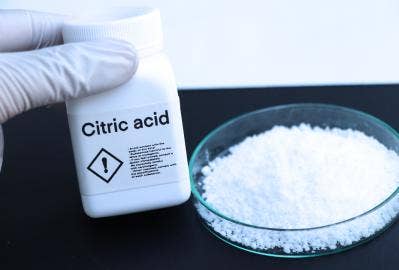
Citric acid is a stable, crystalline organic acid that requires proper storage practices to maintain its quality, prevent moisture absorption, and ensure safe handling. While generally considered one of the safer acids to handle, improper storage may lead to caking, clumping, microbial contamination, or degradation of product quality.
When stored correctly, citric acid maintains its effectiveness for years. However, this versatile compound has one significant weakness: it loves to absorb moisture from the air. This hygroscopic nature means environmental control is essential for successful citric acid storage across food processing, pharmaceuticals, cleaning products, and industrial operations.
This guide covers the practical aspects of how to store citric acid, from environmental conditions to container selection and regulatory requirements.


In this article, we’ll examine
-
Recommended Storage Conditions
-
Container & Packaging Requirements
-
Segregation & Compatibility
-
Safe Handling in Storage Areas
-
Regulatory Compliance & Labeling
Recommended Storage Conditions
Getting the storage environment right makes all the difference between citric acid that stays fresh for years and material that turns into an unusable clump within months. Temperature, humidity, and light all play critical roles in maintaining quality.
Temperature Control
Citric acid should be stored at temperatures not exceeding 30°C to maintain optimal stability and prevent thermal degradation. Storage at temperatures higher than 40°C should be avoided to prevent caking. Beyond this threshold, the powder can harden into solid masses that resist normal handling methods.
Temperature fluctuations create condensation inside containers, introducing moisture problems even in dry areas. Storage locations should be selected away from heating systems, loading docks, radiators, steam pipes, and direct sunlight.
Humidity Management
Relative humidity should be maintained at not more than 50%, and moisture-proof containers with tight seals should be used to prevent hygroscopic absorption of water vapor. Storage at humidity higher than 70% should be avoided to prevent caking. Citric acid is hygroscopic, meaning that humidity and temperature may impact its flow.
Citric acid tends to absorb moisture from the air, so proper air circulation helps control humidity. For facilities handling substantial quantities, dehumidification equipment should be installed to provide consistent moisture control.
Light and Heat Protection
Citric acid should be stored away from direct sunlight in opaque containers or dark storage areas to prevent gradual degradation and maintain product integrity. Locations should be chosen that are isolated from heat sources to prevent accelerated degradation.
Ventilation Requirements
Adequate ventilation should be ensured in storage areas to prevent dust accumulation and maintain a comfortable working environment. Ventilation should be balanced with moisture control for best results in citric acid storage.
Monitoring Storage Duration
In tightly closed containers under proper storage and transportation conditions, citric acid may be stored for at least 36 months. Cargill recommends that products held for more than 5 years be reevaluated for fitness for use.
Regular inspections should be conducted to monitor for signs of caking, discoloration, or moisture absorption. Inspection schedules should be established, and first-in-first-out inventory rotation should be implemented to minimize storage duration for any batch.
Container & Packaging Requirements
The right container creates a barrier against moisture and contaminants that degrade quality. Choosing appropriate materials and maintaining their integrity determines whether citric acid storage succeeds or fails.
Material Selection
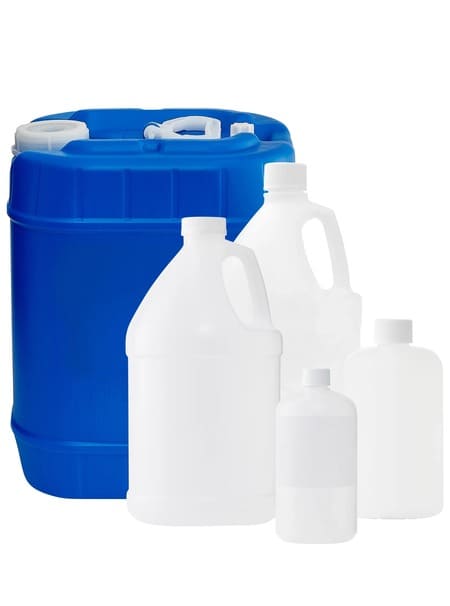
Containers made from glass, high-density polyethylene (HDPE), polypropylene, or stainless steel should be used for citric acid storage. While aluminum reactions are less documented than with stronger acids, stainless steel remains the preferred choice for long-term bulk citric acid storage.
Glass containers provide superior protection against moisture and light but require careful handling. HDPE and polypropylene containers offer excellent moisture resistance at more affordable costs for smaller quantities.
For bulk citric acid storage, stainless steel or lined steel hoppers with moisture protection systems and dust collection capabilities should be used.
Sealing Systems
Containers should have tight-fitting, chemically-resistant caps or lids. The seal quality determines how well containers prevent evaporation. A loose cap on a gallon container can allow significant evaporation over months, changing the concentration enough to affect downstream processes.
Use containers specifically designed for the storage of organic acids. Generic containers may have seals or liners that deteriorate when exposed to acids. Acid-specific containers feature materials engineered to resist chemical attack.
Check seal integrity regularly, especially on containers opened frequently. Repeated opening and closing wear seals over time. Replace caps showing signs of deterioration before leaks develop.
Container Inspection
Containers should have tight-fitting, moisture-resistant caps or lids with gasket seals for effective citric acid storage. Anhydrous citric acid is slightly hygroscopic and should be stored in airtight containers to prevent caking.
Containers should be inspected regularly for signs of moisture ingress, cracking, or seal failure. Damaged containers should be replaced immediately, and containers should be cleaned thoroughly before use.
Labeling Requirements
Products shall be labelled properly. Different batches shall be stored separately. Containers should be clearly labeled with chemical name, grade (anhydrous/monohydrate), concentration if in solution, handling instructions, and batch or expiration dates.
Weather-resistant labels should be used, and essential safety information and emergency contact numbers should be included on labels.
Segregation & Compatibility
When learning how to store citric acid, recognizing compatibility issues prevents problems ranging from product contamination to dangerous reactions.
Materials to Avoid
Citric acid should be kept away from toxic, harmful, corrosive, or polluting goods. Storage near strong bases and strong oxidizing agents should be avoided. Strong bases react with citric acid to generate substantial heat.
Citric acid should be stored away from carbonates and bicarbonates, which can react to produce CO₂ gas and cause pressure buildup in sealed containers.
Organization Strategies
Different batches shall be stored separately, and storage areas should be organized by chemical compatibility groups to prevent cross-contamination. Chemical compatibility charts should be used to determine appropriate separation distances.
Proper segregation should be maintained based on intended use (food-grade, pharmaceutical, technical, cleaning) to prevent cross-contamination. Food-grade material must be kept completely separate from technical or cleaning grades.
Zones should be designated for different chemical families and grade classifications rather than organizing citric acid storage areas alphabetically.
Safe Handling in Storage Areas
The way you organize citric acid storage areas, the equipment you provide, and the procedures you establish all contribute to preventing injuries and maintaining product quality.
Personal Protective Equipment (PPE)
Appropriate PPE should be worn by personnel, including dust masks when handling powder forms, safety goggles to prevent eye irritation from dust, and gloves when handling large quantities. Respiratory protection should be used when handling powdered citric acid, particularly in enclosed spaces or when transferring large quantities.
Material Handling Considerations
Citric acid can be both abrasive and corrosive, so care must be taken to use equipment that can withstand prolonged exposure to this material. Proper material handling equipment with dust-control measures should be used. If excessive clumping becomes an issue, additional devices may be required to reduce humidity levels during handling.
Another challenge to the successful handling of citric acid is the material's tendency to solidify and agglomerate, requiring proper storage conditions to maintain flow properties.
Dust Control Measures
Appropriate dust control measures should be implemented as fine citric acid powder can become airborne and cause respiratory irritation. Containers should be positioned close together during transfers to minimize dust generation.
Emergency Preparedness
Spill containment materials should be maintained and emergency eyewash stations should be provided when working with concentrated citric acid solutions or large quantities of powder. Clear emergency response protocols should be established and staff should be trained on spill cleanup procedures.
Facility Maintenance
Appropriate measures should be taken to prevent rats, insects, flies, moisture and mildew in the storage place. Regular cleaning and inspection should be conducted to identify potential problems before they affect product quality.
Regulatory Compliance & Labeling
Understanding requirements helps avoid both safety problems and regulatory headaches in citric acid storage operations.
GHS and Workplace Safety
GHS guidelines for hazard communication and workplace labeling should be followed, noting citric acid's generally low toxicity but potential for eye and respiratory irritation from dust. Personnel training on citric acid hazards, storage requirements, and emergency procedures requires documentation.
Food-Grade Requirements
FDA regulations for food-grade citric acid storage in food processing facilities should be followed, including HACCP requirements where applicable. Food-grade material must be stored in food-safe containers and facilities that prevent contamination.
Allergen control should be maintained and food safety standards should be met. Within the European Union, it is denoted by the E number E330 for food applications.
Pharmaceutical and Cosmetic Standards
Good Manufacturing Practice (GMP) requirements for pharmaceutical and cosmetic grades should be followed, including documentation and traceability. Pharmaceutical-grade citric acid requires detailed documentation of storage conditions, handling procedures, and quality testing results.
Documentation Requirements
Current Safety Data Sheets (SDS) should be maintained and documentation should reflect the specific grade being stored. Records of storage conditions, inspection results, and any incidents should be kept to support regulatory compliance.
Special Considerations for Citric Acid
Different forms and applications create unique challenges requiring tailored approaches to citric acid storage.
Food Grade Storage
Food-grade citric acid must be stored in food-safe containers and facilities that prevent contamination, maintain allergen control, and meet food safety standards. Food-grade material should be separated from technical or cleaning grades. Dedicated citric acid storage areas and handling equipment should be maintained.
Hygroscopic Nature
Anhydrous citric acid is more hygroscopic than citric acid monohydrate, making it more sensitive to humid environments. Pay special attention to moisture control as both forms readily absorb water from the air. Even brief exposure to humid conditions during transfers can initiate moisture absorption.
Crystal Form Stability
Water can be driven off the monohydrate to produce the anhydrate by heating to around 80°C, though this can also occur at ambient temperatures slowly over time by efflorescence at humidities in the range of around 50% or less. Changes between anhydrous and monohydrate forms should be monitored during the storage of citric acid.
Dust Control
Implement appropriate dust control measures, as fine citric acid powder can become airborne and cause respiratory irritation.
Solidification Issues
Another challenge to the successful handling of citric acid is the material's tendency to solidify and agglomerate, requiring proper storage conditions to maintain flow properties. Prevention through proper citric acid storage remains far more effective than attempting to remediate solidified material after problems develop.
Key Takeaways
Citric acid should be stored in moisture-resistant, acid-compatible containers at stable, cool temperatures not exceeding 30°C with relative humidity below 50% and away from incompatible materials. Proper dust control measures should be implemented when handling powder forms.
Grade-specific storage requirements for food, pharmaceutical, or technical applications should be followed to maintain regulatory compliance and prevent cross-contamination. Regulatory compliance should be maintained while taking advantage of citric acid's favorable safety profile and biodegradable nature compared to synthetic acids.
Regular monitoring for caking or clumping should be conducted, as these serve as early indicators of improper storage conditions. Knowing how to store citric acid properly preserves product quality and prevents costly losses.
For more detailed guidance, explore our Resource Library.
Our Customer Care team is also available for more information and documentation, including chemical Safety Data Sheets.
Need Citric Acid You Can Trust?
If you are looking for high-quality citric acid for your lab, product line, or research facility, be sure to visit our store to explore our trusted selection and request a quote.
As your trusted partner in chemical supply, Lab Alley is always striving to meet the growing demands of our customers. We want you to be able to access all of your chemical needs in one place, along with streamlined online ordering and fast shipping.
Due to popular demand from our valued clientele, Lab Alley's citric acid is available in a range of purities and packaging options to suit various commercial, laboratory, and personal needs.