





How to Store Formaldehyde
Formaldehyde is a highly toxic, carcinogenic gas typically stored as formalin (37% aqueous solution with methanol stabilizer), requiring stringent storage protocols to maintain chemical stability and ensure worker safety. Since this compound is classified as a known human carcinogen, understanding proper storage requirements becomes essential for anyone working with formaldehyde.
Proper storage is essential to prevent vapor exposure to this carcinogen, maintain chemical stability, prevent polymerization, and ensure compliance with OSHA formaldehyde standards and hazardous material regulations. Improper storage can lead to toxic vapor release at concentrations immediately dangerous to life and health (20+ ppm), fire hazards from flammable vapors, polymerization reactions, and severe health risks, including cancer, respiratory damage, and skin sensitization.
When you store formaldehyde correctly, you protect workers from carcinogenic exposure while maintaining the chemical integrity necessary for your applications. However, the toxic and reactive nature of formaldehyde means that even small oversights in storage practices can create serious safety hazards.


In this article, we’ll examine
-
Recommended Storage Conditions
-
Container & Packaging Requirements
-
Segregation & Compatibility
-
Safe Handling in Storage Areas
-
Regulatory Compliance & Labeling
Recommended Storage Conditions
Creating the right environment forms the foundation of safe formaldehyde storage. Since this compound releases toxic vapors readily and can undergo hazardous reactions, controlling storage conditions becomes your first line of defense against exposure and chemical instability.
Temperature Control
Store formalin solutions at room temperature between 15-25°C (59-77°F) away from heat sources. Stabilized methanol-containing solutions are stable at room temperature, while unstabilized solutions may require refrigeration to prevent degradation or polymerization.
Do not store below 15°C to prevent paraformaldehyde precipitation. This white precipitate can clog containers and equipment while indicating chemical instability. Temperature fluctuations can also compromise container seals and increase vapor release, making consistent temperature control essential.
Avoid locations near heating systems, direct sunlight, or areas with poor climate control. Heat sources accelerate vapor generation and can trigger polymerization reactions that generate additional heat and toxic gases.
Humidity Control and Vapor Management
Use tightly sealed containers to prevent evaporation and vapor release. Formaldehyde's tendency to vaporize at room temperature makes proper sealing critical for preventing worker exposure to carcinogenic vapors.
Maintain containers in well-ventilated areas to prevent accumulation of toxic vapors that exceed permissible exposure limits. Storage areas must have ventilation systems capable of preventing vapor accumulation above 0.75 ppm (8-hour TWA) or 2 ppm (15-minute STEL) as specified by OSHA standards.
Light and Heat Protection
While formaldehyde is not particularly light-sensitive, store it in cool, dark areas away from direct sunlight and heat sources to prevent thermal degradation and vapor generation. Heat exposure can destabilize formalin solutions and accelerate unwanted chemical reactions.
Choose storage locations that maintain consistent, moderate temperatures without exposure to radiators, steam pipes, electrical equipment, or other heat sources that could affect product stability and increase vapor hazards.
Ventilation Requirements
Maintain excellent ventilation in storage areas with exhaust systems capable of preventing vapor accumulation above exposure limits. Use designated chemical storage rooms with continuous air exchange that removes formaldehyde vapors before they can accumulate to dangerous concentrations.
Ventilation systems should operate continuously in areas where formaldehyde is stored, not just during active handling. The constant vapor release from even sealed containers makes continuous ventilation essential for maintaining safe air quality.
Container & Packaging Requirements
Selecting appropriate containers directly impacts your ability to prevent vapor release and maintain formaldehyde quality throughout the storage period. Since formaldehyde is corrosive to many materials and must be contained to prevent carcinogenic exposure, container selection becomes critical.
Material Selection
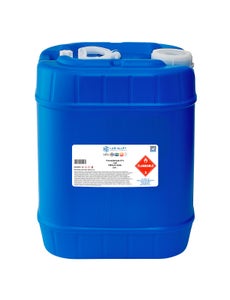
Use containers made of stainless steel, pure aluminum, polyethylene, or polyester reinforced with glass fiber. These materials resist formaldehyde corrosion and maintain integrity over extended storage periods.
Normal steel containers require corrosion-proof lining to prevent degradation. Avoid ordinary steel, copper, nickel, or zinc containers with unprotected surfaces, as formaldehyde will corrode these materials, compromising container integrity and creating contamination.
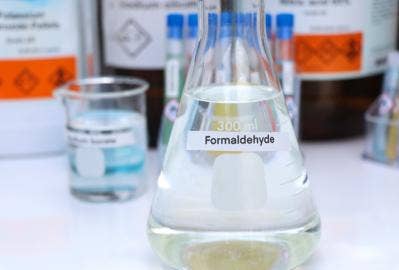
High-density polyethylene (HDPE) containers offer excellent chemical compatibility with formaldehyde and provide reliable vapor containment when properly sealed. Glass containers provide superior protection but require careful handling to prevent breakage that could release toxic vapors.
Sealing Methods
Employ tight-fitting, vapor-proof caps and secondary containment to prevent spills and vapor release. The quality of container closures directly impacts your ability to prevent carcinogenic vapor exposure and maintain workplace safety.
Containers must remain tightly closed when not in use to minimize exposure risks. Even brief periods with containers open or improperly sealed can release significant quantities of toxic vapors into the work environment.
Secondary containment is essential to capture leaks or spills, particularly for larger storage quantities. This approach provides additional protection against vapor release while helping contain accidents that might occur during handling operations.
Labeling Requirements
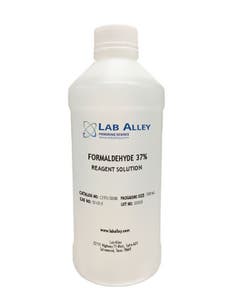
Use GHS-compliant labels with cancer hazard warnings that clearly communicate formaldehyde's carcinogenic properties. Labels must include the statement: "DANGER - MAY CAUSE CANCER - CAUSES SKIN, EYE, AND RESPIRATORY IRRITATION - AUTHORIZED PERSONNEL ONLY."
Include concentration, batch numbers, and handling instructions on all labels. Use weather-resistant labels and marking systems that remain legible throughout the storage period. Include emergency contact numbers to provide quick access to critical information during routine handling or emergencies.
Segregation & Compatibility
Understanding chemical compatibility becomes essential for preventing dangerous reactions and maintaining storage safety. Since formaldehyde reacts violently with numerous compounds, proper segregation practices protect both personnel and facilities.
Incompatible Chemicals
Store separately from strong oxidizing agents, caustics, strong alkalies, isocyanates, anhydrides, alkali metals, nitrides, azo compounds, and dithiocarbamates. These materials can react violently with formaldehyde, potentially causing fires, explosions, or toxic gas generation.
Avoid contact with hydrochloric acid, which forms carcinogenic bis-chloromethyl ether. This reaction creates an extremely hazardous carcinogen, even more dangerous than formaldehyde itself, making strict separation from chloride compounds essential.
Keep formaldehyde away from strong oxidizers such as hydrogen peroxide, potassium permanganate, or chlorine compounds that can trigger explosive reactions. Similarly, maintain separation from strong bases that can accelerate polymerization reactions.
Segregated Storage
Use designated formaldehyde storage areas with restricted access limited to trained, authorized personnel. Post clear signage identifying formaldehyde storage areas and restricting entry to qualified workers who understand the carcinogenic hazards.
Implement regulated area protocols for concentrations exceeding exposure limits. OSHA requires special procedures, including access restrictions, warning signs, and exposure monitoring when formaldehyde levels exceed action levels in storage areas.
Create designated zones for formaldehyde, separate from other chemical families, rather than organizing storage areas alphabetically. This approach ensures that incompatible materials remain properly separated even when storage areas become crowded or reorganized.
Flammable & Reactive Precautions
Formalin solutions are combustible with flash points of 50-85°C, depending on methanol content. The explosive vapor range of 7-73% in air creates significant fire and explosion hazards when vapors accumulate.
Store away from ignition sources, heat, and flame. Eliminate potential ignition sources, including electrical equipment not rated for flammable atmospheres, open flames, and heat-generating equipment.
Prevent polymerization reactions that can generate heat and toxic gases. Polymerization is exothermic and can create runaway reactions that rupture containers, release toxic vapors, and create fire hazards. Proper temperature control and use of stabilized formaldehyde help prevent these dangerous reactions.
Safe Handling in Storage Areas
Proper handling procedures protect personnel while maintaining product quality and preventing exposure. Since formaldehyde is a known human carcinogen that releases toxic vapors, following established safety protocols becomes essential.
Personal Protective Equipment (PPE)
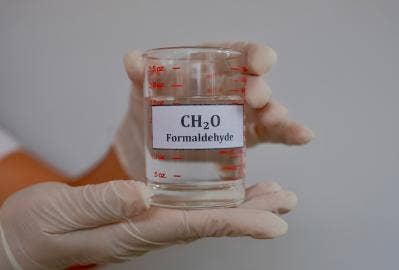
Require chemical-resistant gloves, safety goggles or face shields, lab coats, and respiratory protection when handling formaldehyde. Chemical-resistant gloves (nitrile, neoprene, or butyl rubber) prevent skin contact and absorption of this carcinogenic compound.
Full body protection is required for concentrations above 100 ppm or emergencies. This includes impervious suits, supplied-air respirators, and face shields that provide complete protection from vapor exposure and potential splashes.
Use appropriate respiratory protection when formaldehyde concentrations cannot be maintained below permissible exposure limits. Organic vapor cartridge respirators work for lower concentrations, while supplied-air respirators are necessary for higher concentrations or emergency response.
Transfer Methods
Conduct all transfers in fume hoods or well-ventilated areas using proper pouring techniques. Never transfer formaldehyde in areas without adequate ventilation, as this creates immediate carcinogenic exposure risks.
Use transfer pumps for large quantities to minimize vapor exposure and spill risks. Keep containers close together during transfers to minimize the distance formaldehyde must travel through the air, reducing vapor release and spill potential.
Consider using enclosed transfer systems or vapor containment equipment when moving significant quantities. These systems reduce exposure risks while helping maintain safer work environments.
Emergency Response
Maintain spill containment kits with absorbent materials, neutralizers, and emergency shower/eyewash stations. Include materials sized appropriately for the quantities you typically handle, and ensure all personnel know where emergency supplies are located.
Establish clear evacuation protocols and ensure only trained personnel handle emergencies. Formaldehyde spills require immediate response to prevent toxic vapor accumulation and worker exposure. Quick response to incidents prevents them from escalating into major emergencies threatening personnel safety.
Regulatory Compliance & Labeling
Compliance with applicable regulations protects your organization from legal issues while ensuring proper safety practices for this carcinogenic material. Since formaldehyde faces strict regulatory oversight, staying current with requirements becomes an ongoing responsibility.
OSHA Standards
Comply with 29 CFR 1910.1048 (Formaldehyde Standard), including exposure monitoring, medical surveillance, and hazard communication requirements. This comprehensive standard establishes permissible exposure limits, requires exposure monitoring in certain situations, and mandates medical surveillance for workers with significant exposure.
Follow regulated area requirements for storage areas exceeding exposure limits. OSHA requires special precautions, including restricted access, warning signs, and enhanced safety measures when formaldehyde concentrations exceed action levels.
Ensure all personnel receive appropriate training on formaldehyde hazards, storage requirements, carcinogenic properties, and emergency procedures. Document training completion and provide refresher sessions as required.
DOT Regulations
Follow UN classification as flammable liquid (Class 3) or miscellaneous dangerous goods (Class 9), depending on flash point and concentration for transportation and storage. These classifications drive packaging, labeling, and handling requirements.
Verify that incoming shipments meet DOT requirements and inspect packaging for damage that might indicate transportation problems or regulatory violations. Proper documentation, including shipping papers and emergency response information, must accompany all formaldehyde shipments.
Industry and Regional Laws
Comply with EPA RCRA hazardous waste requirements (waste number U122) for formaldehyde disposal. When formaldehyde becomes waste, it must be managed according to strict hazardous waste regulations that govern storage time limits, disposal methods, and documentation.
Follow TSCA regulations governing formaldehyde manufacturing, processing, and distribution. Adhere to NFPA fire codes that establish requirements for flammable and combustible liquid storage. Implement GHS hazard communication standards for carcinogen labeling and handling that ensure workers understand formaldehyde's serious health hazards.
Adhere to state and local regulations that might impose additional requirements beyond federal standards. Some jurisdictions have specific rules for carcinogenic chemical storage or formaldehyde exposure limits more stringent than OSHA requirements.
Key Takeaways
Store formalin in well-ventilated, temperature-controlled areas (15-25°C) using appropriate containers (stainless steel, aluminum, or compatible plastics) with vapor-tight sealing to prevent carcinogenic vapor exposure.
Maintain strict segregation from incompatible chemicals, especially oxidizers, caustics, and chloride compounds that can form carcinogenic byproducts or trigger dangerous reactions. Implement comprehensive safety protocols, including restricted access to trained personnel, proper PPE, vapor monitoring, and emergency response procedures due to formaldehyde's classification as a known human carcinogen.
Ensure full compliance with OSHA formaldehyde standards (29 CFR 1910.1048), DOT transportation regulations, and EPA hazardous waste requirements for safe, legal storage and handling. When uncertain about any aspect of formaldehyde storage, consult qualified Environmental Health and Safety professionals for guidance specific to your facility and applications.
For more detailed guidance, explore our Resource Library.
Our Customer Care team is also available for more information and documentation, including chemical Safety Data Sheets.
Need Formaldehyde You Can Trust?
If you are looking for high-quality formaldehyde for your lab, product line, or research facility, be sure to visit our store to explore our trusted selection and request a quote.
As your trusted partner in chemical supply, Lab Alley is always striving to meet the growing demands of our customers. We want you to be able to access all of your chemical needs in one place, along with streamlined online ordering and fast shipping.
Due to popular demand from our valued clientele, Lab Alley's formaldehyde is available in a range of purities and packaging options to suit various commercial, laboratory, and personal needs.