





How to Store Specially Denatured Ethanol: Best Practices for Safety and Compliance
Specially Denatured Alcohol (SDA) is ethanol that has been rendered unfit for beverage use through the addition of specific denaturants as authorized by the Alcohol and Tobacco Tax and Trade Bureau (TTB). This designation allows industrial and commercial users to obtain ethanol without paying beverage alcohol taxes, but it comes with strict regulatory requirements and serious safety considerations.
Storage of specially denatured ethanol requires careful attention due to the dual challenge of managing a Class I flammable liquid while complying with federal regulations. The denaturants added to SDA formulations introduce additional toxicity hazards beyond ethanol's inherent properties. Different SDA formulations contain different denaturants, each with unique characteristics affecting storage requirements.
Fire prevention remains the primary concern when storing specially denatured ethanol. With a flashpoint of approximately 13°C (55°F), ethanol vapors can ignite at room temperature from even minor ignition sources. Proper storage extends beyond immediate fire risks to include regulatory compliance, product quality preservation, and prevention of cross-contamination with other materials.


In this article, we’ll examine
- Recommended Storage Conditions
- Container & Packaging Requirements
- Segregation & Compatibility
- Safe Handling in Storage Areas
- Regulatory Compliance & Labeling
- Special Considerations for Specially Denatured Alcohol
- Environmental and Safety Considerations
Recommended Storage Conditions
Creating the right environment for specially denatured ethanol storage requires balancing fire prevention with product quality preservation. Every condition affects both safety and product integrity.
Temperature Control
Keep storage areas between 10-25°C (50-77°F). Temperature directly affects vapor generation and fire risk. Warmer conditions produce more vapor, increasing fire danger and accelerating evaporation. Temperatures climbing above 30°C dramatically increase hazard levels.
Location selection matters significantly. Choose climate-controlled spaces or naturally cool areas away from heat sources like furnaces, boilers, or heat-generating equipment. Daily and seasonal temperature swings stress containers and seals through repeated expansion and contraction cycles.
Humidity Control
Ethanol pulls moisture from the air aggressively due to its hygroscopic nature. When containers aren't perfectly sealed, atmospheric moisture gets absorbed into the liquid, gradually diluting concentration and altering product specifications. This moisture absorption affects performance in applications requiring precise alcohol content.
Check seals regularly. Closures that feel tight may still leak slowly. Threaded caps wear over time, gaskets compress and crack, and seal surfaces accumulate residue, preventing proper closure. Replace closure hardware on a regular schedule rather than waiting for obvious failures.
Light Exposure
Store specially denatured ethanol away from direct sunlight and UV exposure. Ultraviolet radiation breaks molecular bonds, and some denaturants may show greater light sensitivity than ethanol itself. Dark storage rooms solve light exposure problems completely. Opaque containers or amber glass bottles work well when dedicated dark storage isn't available.
Heat and light together accelerate problems faster than either alone. Sunlit windowsills combine UV radiation with elevated temperatures, creating worst-case conditions for SDA storage.
Ventilation
Vapor accumulation creates two distinct hazards. First, flammable vapors reaching 3.3% concentration can explode from tiny ignition sources. Second, breathing ethanol vapors causes health effects from headaches to intoxication.
Being heavier than air, ethanol vapors flow downward and pool in low spots. Floor drains, pits, basements, and corners without air movement trap vapors. Ventilation systems must circulate air at floor level, not just ceiling height.
Storage Duration
Chemically, specially denatured ethanol lasts indefinitely when sealed properly. The compound doesn't decompose under normal conditions. However, physical changes occur even in sealed containers. Evaporation through imperfect seals concentrates solutions gradually, and moisture infiltration dilutes them.
Monitor long-term storage periodically for evaporation, concentration changes, or container integrity issues. Some denaturants may have different volatility than ethanol, potentially changing formulation ratios over time.
Container & Packaging Requirements
Container selection affects safety and regulatory compliance. Materials must resist chemical interaction with ethanol and denaturants while providing adequate containment for a highly flammable liquid.
Material Compatibility
Use containers made from non-reactive materials, including HDPE, LDPE, PP, PET, glass, stainless steel, or PTFE. These materials resist chemical interaction with ethanol and most denaturant compounds.
Glass excels for laboratory quantities. HDPE dominates industrial storage for good reasons. The plastic handles ethanol across different concentrations and survives drops that shatter glass. Stainless steel tanks serve bulk storage in facilities using large volumes.
Avoid reactive materials such as untreated aluminum and certain alloys that corrode or degrade with prolonged ethanol exposure. Consult material compatibility charts specific to your SDA formulation before selecting containers.
Container Specifications
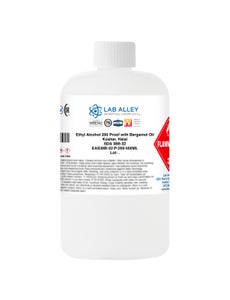
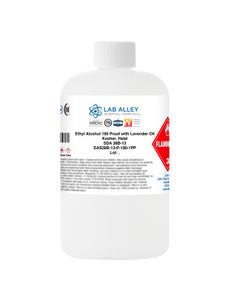
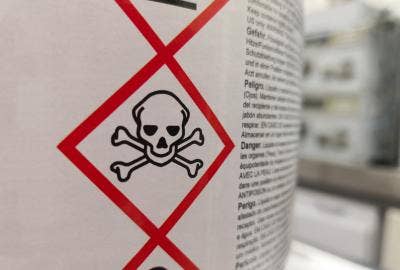
Containers must be securely sealed to prevent leakage and evaporation. Label all containers clearly with contents, SDA formulation number, concentration, hazard warnings, and handling precautions. GHS pictograms provide standardized hazard communication.
Equip containers with appropriate safety features. Spring-closing lids automatically seal containers after each use. Flame arresters in container openings prevent external flames from igniting contents. Pressure relief vents allow controlled gas release if containers heat during fires.
Approved Flammable Liquid Storage Cabinets
Use approved flammable liquid storage cabinets that meet OSHA 29 CFR 1910.106 and NFPA 30 requirements. These cabinets provide engineered fire protection through double-wall steel construction with air gaps for insulation. Cabinets must be properly designed for flammable liquid storage.
OSHA limits individual cabinets to 60 gallons maximum. Facilities may have up to three cabinets in any given fire area. Cabinet doors must close and latch automatically, and cabinets need prominent "FLAMMABLE - KEEP FIRE AWAY" warnings.
Laboratory Safety Cans
For laboratory quantities, use appropriate safety cans with spring-closing lids, flame arresters, and pressure relief capabilities. Type I safety cans feature single openings for both filling and dispensing. Type II safety cans provide separate pour spouts with actuated valves for controlled dispensing and enhanced safety.
Segregation & Compatibility
Keeping incompatible materials separated prevents reactions ranging from dangerous to catastrophic.
Fire Hazard Separation
Store specially denatured ethanol away from all ignition sources, including open flames, sparks, electrical equipment, and heat-generating devices. Ethanol has a flashpoint of approximately 13°C (55°F), making it highly flammable at room temperature.
Designate SDA storage areas as hot-work-free zones. Prohibit welding, cutting, grinding, or any spark-producing activities in or near storage locations. Building codes specify minimum separation distances varying by jurisdiction and quantity.
Chemical Incompatibilities
Keep separate from strong oxidizing agents, strong acids (especially sulfuric acid), and reactive chemicals that could cause violent reactions. Materials like hydrogen peroxide, nitric acid, and chlorine compounds react vigorously with ethanol.
Store reactive chemicals in separate cabinets with physical barriers preventing contact, even during spills. Sulfuric acid contact with ethanol produces dangerous exothermic reactions.
OSHA Quantity Limits
Follow OSHA limits strictly. No more than 60 gallons of flammable liquid may be stored in a single safety cabinet, and no more than three cabinets may be located in any given fire area. These limits apply to total flammable liquid content, not just SDA.
Formulation Segregation
Store different SDA formulations separately to prevent cross-contamination. Each formulation contains specific denaturants in precise ratios, and mixing creates products not match approved specifications.
Maintain strict segregation from food-grade ethanol and pharmaceutical ethanol to prevent accidental misuse. The toxic denaturants in SDA make it unsuitable for any application involving human consumption. Use physical separation, distinct labeling, and color-coding to prevent mix-ups.
Safe Handling in Storage Areas
Procedures during routine operations create most storage-related accidents. Proper handling practices protect workers while maintaining safe conditions.
Personal Protective Equipment (PPE)
Personnel must wear appropriate PPE, including chemical-resistant gloves (nitrile, neoprene, butyl, or Viton), safety goggles or face shields, and protective clothing when handling SDA. Flame-resistant clothing provides additional protection if ignition occurs.
Respiratory Protection
Use proper ventilation equipment, including fume hoods, when dispensing or transferring SDA to prevent inhalation of vapors. When ventilation cannot maintain safe vapor levels, organic vapor cartridge respirators filter ethanol vapors effectively.
Fire Safety Equipment
Maintain Class B fire extinguishers suitable for flammable liquid fires in accessible locations throughout storage areas. Alcohol-resistant foam extinguishers work best for ethanol specifically. Standard foam breaks down on contact with alcohol.
Mount extinguishers near exits rather than deep within storage areas. Train all personnel on proper extinguisher use before they work with SDA.
Emergency Equipment
Provide emergency eyewash stations and safety showers in areas where SDA is handled or stored in quantities. Position equipment within 10 seconds of travel time from work areas. Keep appropriate spill response materials readily available using non-reactive absorbents.
Static Electricity Control
Implement bonding and grounding procedures during transfer operations to prevent static electricity buildup and potential ignition. Connect containers electrically before transferring liquids to allow static charges to dissipate safely.
Contaminated Materials
Store contaminated rags or wipes in metal containers with self-closing lids to reduce fire risks. Ethanol-soaked materials present fire hazards through spontaneous ignition or easy ignition from nearby sources.
Regulatory Compliance & Labeling
Multiple regulatory frameworks govern specially denatured ethanol storage, creating complex compliance requirements.
TTB Regulations
Comply with TTB regulations under 27 CFR Part 20 for procurement, storage, use, and recordkeeping of specially denatured alcohol. Maintain required permits and documentation authorizing SDA use for specific approved purposes.
Maintain accurate inventory records of SDA quantities, formulations, receipt dates, usage, and disposal as required by TTB regulations for audit purposes. Unauthorized use carries significant legal penalties.
OSHA Requirements
Follow OSHA 29 CFR 1910.106 requirements for flammable liquid storage, including proper cabinet specifications, ventilation standards, and fire protection systems. Keep current Safety Data Sheets (SDS) readily accessible to all personnel handling or working near SDA storage areas.
NFPA Standards
Adhere to NFPA 30 (Flammable and Combustible Liquids Code) for facility design, storage configurations, and safety systems. This standard addresses building construction, fire protection, ventilation, and electrical equipment specifications.
Container Labeling
Clearly label all containers with SDA formulation number (e.g., SDA 3-A, SDA 40-B), denaturant information, concentration, hazard symbols, and handling precautions. Complete labeling enables safe handling and regulatory compliance.
Special Considerations for Specially Denatured Alcohol
Specially denatured ethanol presents unique challenges due to denaturants and regulatory requirements.
Formulation-Specific Properties
Different SDA formulations contain different denaturants with varying properties and toxicity levels. Consult the specific SDS for each formulation to understand denaturant-related hazards and handling requirements. Some denaturants, like methanol, cause blindness, while others present different toxicity profiles.
Denaturant Stability
Some denaturants may have different volatility or stability characteristics than ethanol. Monitor for concentration changes and product integrity, particularly in formulations containing volatile additives. If denaturants evaporate at different rates than ethanol, formulation ratios change over time.
Hygroscopic Nature
High-proof SDA formulations will absorb atmospheric moisture when containers are opened, gradually reducing alcohol concentration. Minimize exposure time during dispensing and use tight seals. Work quickly and reseal containers immediately after removing required quantities.
TTB Compliance Requirements
Facilities using SDA must maintain detailed records, submit periodic reports to TTB, and ensure SDA is used only for approved non-beverage purposes. These reporting requirements vary based on permit type and formulations used.
Fire Hazard Characteristics
Ethanol burns with a nearly invisible pale blue flame in normal lighting conditions. Workers may approach burning SDA without realizing fire exists until they feel heat. Vapors can travel to reach ignition sources, making proper ventilation and ignition source control essential.
Environmental and Safety Considerations
Broader safety systems and environmental protections provide crucial defense against catastrophic incidents.
Fire Suppression Systems
Install appropriate fire suppression systems, including automatic sprinklers or foam suppression systems designed for flammable liquid fires in storage areas. Design systems based on maximum credible fire scenarios, considering total quantities and storage configurations.
Secondary Containment
Implement secondary containment systems for bulk storage to prevent environmental contamination from spills or leaks. Containment capacity should equal or exceed the largest stored container volume. Berms, dikes, or collection pans provide secondary containment for tanks and drum storage.
Emergency Planning
Conduct regular fire risk assessments and maintain documented emergency response procedures, including evacuation plans and emergency shutdown protocols. Coordinate with local fire departments to ensure they understand SDA hazards and facility layout.
Electrical Safety
Ensure electrical equipment in storage areas meets appropriate safety standards for areas where flammable vapors may be present. Hazardous location electrical equipment prevents ignition through design features addressing sparking contacts and hot surfaces.
Environmental Compliance
Follow local and federal environmental regulations for air emissions from storage areas and proper disposal of SDA waste materials. Dispose of waste SDA according to hazardous waste regulations.
Spill Response Capabilities
Maintain spill response equipment and procedures to address releases promptly and prevent environmental impact. Response equipment should include non-reactive absorbents, containment barriers, non-sparking tools, and appropriate PPE.
Key Takeaways
Store specially denatured alcohol in approved non-reactive containers (HDPE, glass, stainless steel, PTFE) within OSHA/NFPA-compliant flammable liquid storage cabinets at cool, stable temperatures (10-25°C) with excellent ventilation and strict separation from all ignition sources and incompatible materials. Maintain humidity control to prevent moisture absorption in high-proof formulations.
Implement comprehensive fire safety measures, including Class B extinguishers, suppression systems, and emergency procedures. Follow formulation-specific handling protocols by consulting the SDS for each denaturant type. Maintain detailed TTB-required documentation and recordkeeping for regulatory compliance.
Recognize that while SDA has an indefinite shelf life when properly stored and sealed, its extreme flammability requires stringent safety protocols and proper fire prevention measures.
For more detailed guidance, explore our Resource Library.
Our Customer Care team is also available for more information and documentation, including chemical Safety Data Sheets.
Need Specially Denatured Ethanol You Can Trust?
If you are looking for high-quality, specially denatured ethanol for your lab, product line, or research facility, be sure to visit our store to explore our trusted selection and request a quote.
As your trusted partner in chemical supply, Lab Alley is always striving to meet the growing demands of our customers. We want you to be able to access all of your chemical needs in one place, along with streamlined online ordering and fast shipping.
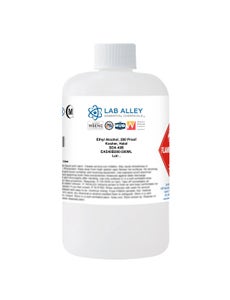
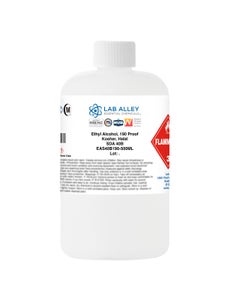
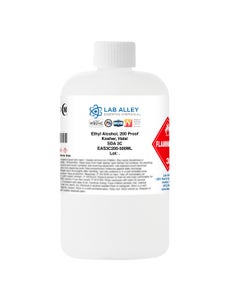
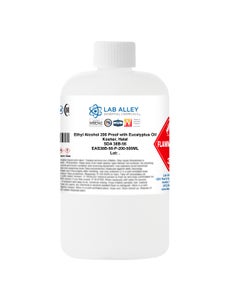
Due to popular demand from our valued clientele, Lab Alley's specially denatured ethanol is available in a range of purities and packaging options to suit various commercial, laboratory, and personal needs.