





Lactic Acid Overview: Properties, Applications, Safety & Sourcing Guide
Lactic acid, also known as 2-hydroxypropanoic acid, is a colorless, syrupy organic acid with the chemical formula C₃H₆O₃. This naturally occurring alpha-hydroxy acid plays a vital role in food preservation, cosmetic formulations, pharmaceutical applications, and industrial manufacturing.
Understanding the characteristics of lactic acid helps professionals working with this compound achieve better results in their specific applications. From food processors extending shelf life to cosmetic formulators developing skincare products, knowing how to handle and use lactic acid safely makes the difference between successful outcomes and problematic results.
This guide covers lactic acid fundamentals, including its chemical and physical properties, diverse applications across industries, safety requirements, and purchasing considerations to support informed decision-making for your needs.
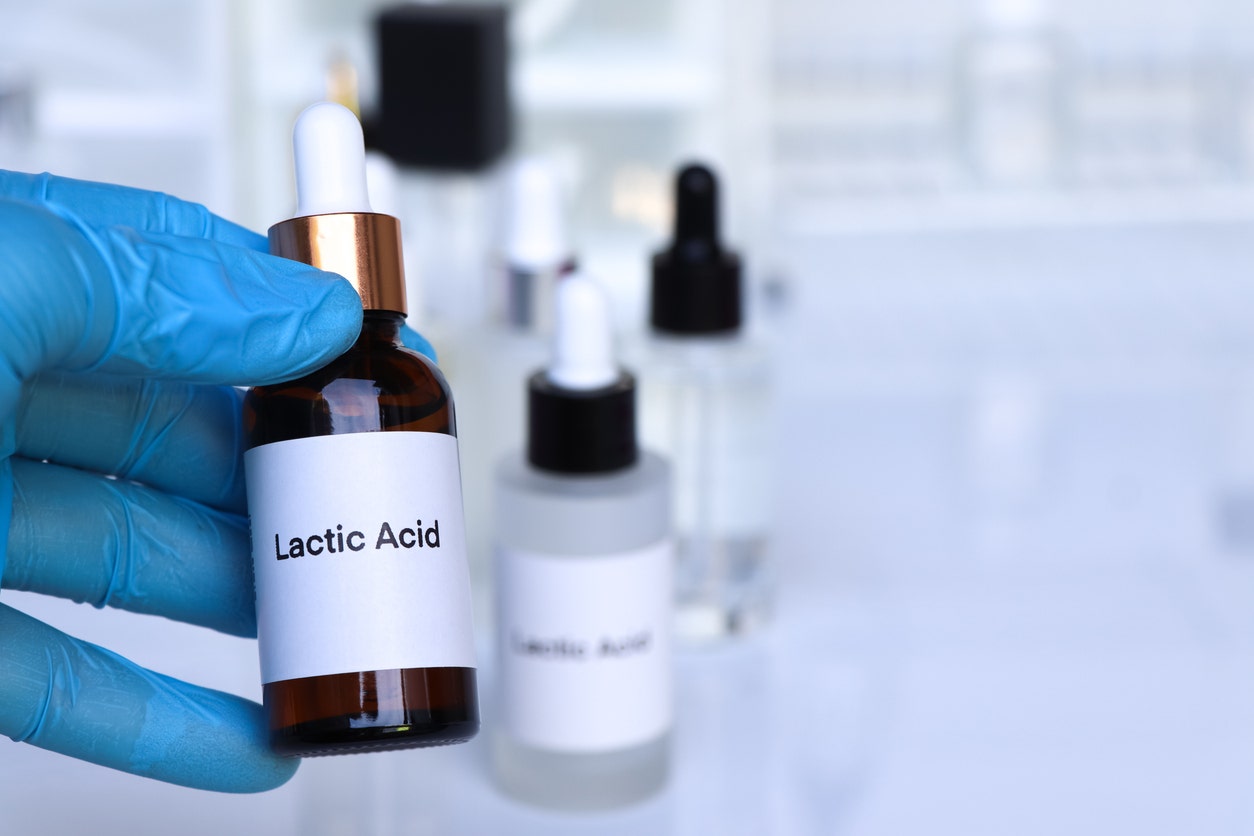
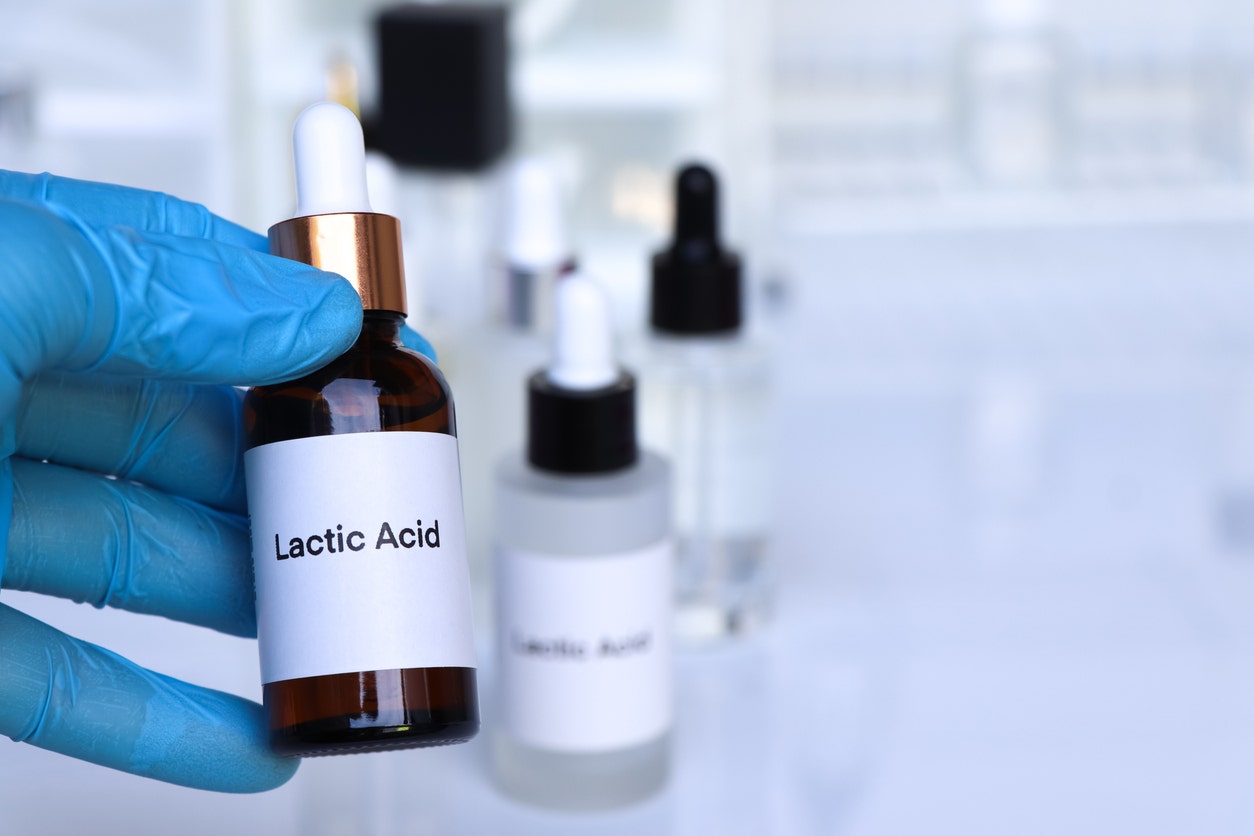
Properties of Lactic Acid
Lactic acid's chemical and physical characteristics determine its behavior in various applications. These properties explain why this compound succeeds in such diverse uses while requiring specific handling practices.
Key Facts About Lactic Acid:
- Compound Name: Lactic acid
- Synonyms: 2-Hydroxypropanoic acid, Milk acid, α-Hydroxypropionic acid, Sarcolactic acid, UN 2611
- Chemical Formula: C₃H₆O₃
- CAS Number: 50-21-5 (DL-lactic acid), 79-33-4 (L-lactic acid), 10326-41-7 (D-lactic acid)
- Molar Mass: 90.08 g/mol
- Appearance: Colorless to pale yellow syrupy liquid or white crystalline solid, typically odorless or with a slight acidic smell
Density Characteristics
An 88% aqueous solution of lactic acid shows approximately 1.21 g/cm³ density at 20°C. This thickness, compared to water, affects how equipment handles the material during transfers, storage space calculations, and process design. The syrupy texture at high concentrations needs pumps and piping designed for viscous liquids rather than thin, water-like fluids.
Thermal Properties
Heating lactic acid requires care since the compound decomposes at atmospheric pressure before boiling. At reduced pressure (12 mmHg), it boils at 122°C. The L-form solidifies at 16.8°C, meaning cool storage areas might find the material crystallizing unexpectedly.
High temperatures trigger polymerization, where individual lactic acid molecules connect into chains, creating lactide or polylactic acid. Applications involving heat must stay below temperatures that start these unwanted reactions. Process equipment needs temperature controls, preventing decomposition while maintaining fluidity for handling.
Lactic acid is a widely used organic compound across food, cosmetic, pharmaceutical, and industrial applications. It serves key roles in pH regulation, preservation, exfoliation, and polymer production. Laboratories, manufacturers, and food processors in the United States seeking high-purity lactic acid can contact Lab Alley at 512-668-9918 to order the appropriate grade and concentration for their specific needs.
Solubility Characteristics
Water dissolves lactic acid completely at any ratio, making aqueous formulations straightforward. This total miscibility with water enables everything from dilute food solutions to pharmaceutical preparations requiring precise concentrations.
The compound also dissolves readily in alcohols, glycols, and numerous organic solvents, giving formulators flexibility when creating products. Diethyl ether dissolves only small amounts, which becomes useful when separating lactic acid from mixtures through selective dissolution.
pH Behavior
Concentrated lactic acid solutions measure pH 1.8 to 2.2, putting this compound in the weak to moderate acid range. This acidity level provides enough strength for preservation and pH control while remaining gentler than mineral acids like hydrochloric or sulfuric acid.
The moderate acidity works well for food contact and cosmetic uses where stronger acids would create unacceptable taste or skin reactions. This pH range also determines antimicrobial effectiveness and how the acid interacts with other ingredients in formulations.
Reactivity and Stability Considerations
Lactic acid creates salts called lactates when mixed with metals, ammonium, or organic bases. These neutralization reactions produce sodium lactate, calcium lactate, potassium lactate, and similar compounds that have their own valuable properties.
Combining lactic acid with alcohols produces lactate esters through esterification reactions. These esters serve as solvents and plasticizers in industrial applications. Given appropriate conditions, lactic acid molecules link together forming polylactic acid (PLA), a biodegradable plastic increasingly important as an environmentally responsible alternative to petroleum-based plastics.
Heat causes lactic acid to condense on itself, creating lactide, a ring-shaped molecule with two lactic acid units. This lactide serves as an intermediate when producing PLA, though the reaction happens unintentionally during storage or processing, changing product properties.
The compound exists as optical isomers labeled L(+) and D(-) forms. These mirror-image versions have identical formulas but different three-dimensional shapes, affecting biological activity. Bacterial fermentation naturally produces L-lactic acid, which matches the form human metabolism creates and processes.
While not flammable, lactic acid will burn when heated sufficiently. This characteristic simplifies fire prevention compared to flammable solvents while still requiring attention during extreme heating operations.
Normal storage keeps lactic acid stable with little degradation. Light exposure gradually breaks down the compound and causes discoloration, making dark containers or storage areas preferable for maintaining quality over time.
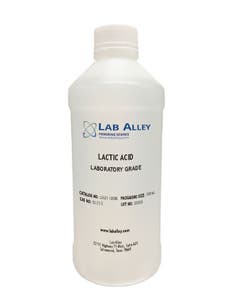
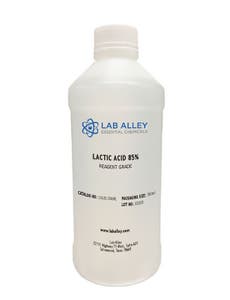
Lactic acid sold by Lab Alley comes in Food, Pharmaceutical, Cosmetic, Technical, and High-Purity Analytical Grades, with concentrations from 85% to 90% and container sizes ranging from 100 mL bottles to 55-gallon drums.
Applications & Benefits
Industries choose lactic acid for its mild acidity, antimicrobial action, biodegradability, and regulatory approval for food contact. These properties enable applications where safety and environmental responsibility matter alongside chemical functionality.
Food & Beverage Applications
Food manufacturers add lactic acid as a preservative and acidulant in dairy items, baked products, and drinks. The antimicrobial activity stops spoilage organisms and harmful bacteria, extending how long products stay safe and fresh. The pleasant, mild sourness improves flavors without harsh chemical tastes.
Controlling pH in processed foods requires precise acidity adjustment. Lactic acid provides this control in everything from carbonated beverages to prepared dinners. Natural presence in fermented items like yogurt, sauerkraut, and pickles makes consumers comfortable seeing it on ingredient lists.
Meat and poultry plants spray lactic acid solutions on product surfaces to reduce bacterial counts. This treatment improves safety by controlling pathogens, including Salmonella and E. coli, while letting refrigerated products last longer.
Cosmetic & Personal Care Uses
Skincare products use lactic acid as an alpha hydroxy acid (AHA), providing exfoliation and anti-aging benefits. The compound breaks bonds connecting dead skin cells, enabling gentle removal that smooths texture and improves appearance. Larger molecular size compared to glycolic acid means gentler action suitable for sensitive skin.
Formulations need pH adjustment to ensure stability, preserve effectiveness, and maintain skin compatibility. Lactic acid serves this function in shampoos, lotions, and creams. The ability to bind water also makes it valuable for moisturizing, helping skin retain hydration.
Pharmaceutical Applications
Drug makers include lactic acid as an excipient in medications and injectable solutions. Compatibility with human physiology makes it appropriate for medical uses requiring materials that integrate safely with body systems.
Lactated Ringer's solution contains sodium lactate and serves in emergency medicine for replacing fluids and electrolytes. Normal metabolic pathways process lactate easily, avoiding accumulation concerns.
Topical medications sometimes use lactic acid as an active ingredient to treat dry skin, keratosis, and warts. Exfoliating and moisturizing effects provide therapeutic value in skin condition treatments.
Industrial Applications
Producing biodegradable polylactic acid (PLA) plastics consumes large quantities of lactic acid. This use grows rapidly as manufacturers seek environmentally friendly substitutes for petroleum plastics. PLA appears in packaging, textiles, disposable tableware, and medical devices.
Leather tanning and textile processing operations employ lactic acid for pH adjustment and chemical treatments. Mild acidity and low environmental impact suit processes where mineral acids would create disposal problems or harm delicate materials.
Metal cleaning and descaling leverage lactic acid's ability to dissolve mineral buildup and corrosion without aggressive attack on base metals. This gentler approach protects the underlying metal while removing unwanted deposits.
Chemical manufacturing uses lactic acid as a starting material for lactate esters and various derivatives serving as solvents, plasticizers, and specialty chemicals.
Agriculture
Farming operations apply lactic acid for adjusting soil pH, preserving animal feed, and supporting organic production methods. Biodegradability and minimal environmental toxicity suit agricultural settings.
Treating alkaline soil with lactic acid corrects pH, improving how plants access nutrients. Feed preservation benefits from antimicrobial properties, preventing spoilage during storage. Organic farming systems can use lactic acid since it meets organic certification requirements.
Fight Your Kidney Stone with This Natural Product Hack
Fight kidney stones. Discover how citric acid naturally prevents stone formation.

Is Lactic Acid Bad? A Look at the Health Science
Is lactic acid bad for you? Debunking myths and revealing its vital role in your body & beyond.
Hospitality Without Hitchhikers: Boric Acid’s Role in Bed Bug Prevention
Protect your hospitality business. Boric acid is key to preventing bed bug infestations.
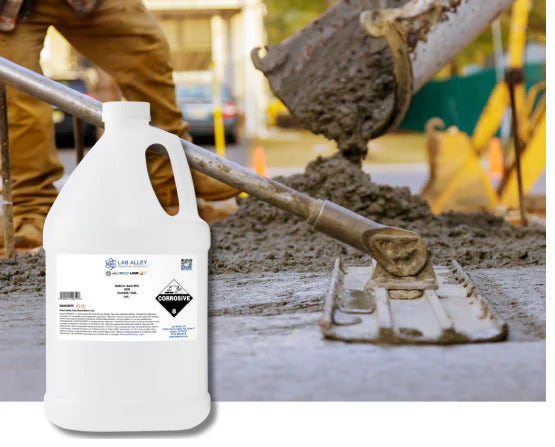
Harnessing Silica Sulfuric Acid to Enhance Concrete Durability
Enhance concrete longevity. Silica sulfuric acid improves strength and chemical resistance.
Safety Information
Handling lactic acid safely requires understanding health risks and implementing protective measures. Though safer than many industrial chemicals, proper procedures still matter for preventing injuries and incidents.
Hazards & Precautions
Concentrated lactic acid causes mild corrosion to the skin and eyes, creating irritation or burns with direct contact. Solutions above 10% concentration present the greatest hazards requiring immediate washing if contact happens. The FDA recognizes lactic acid as generally safe (GRAS) for food applications, confirming safety when used appropriately in consumable items.
Compared to many industrial chemicals, lactic acid shows low acute toxicity. Concentrated solutions can still burn skin with prolonged contact or cause serious eye damage if splashed. Injury severity depends on concentration and contact duration.
Breathing vapors may irritate respiratory passages, particularly from heated solutions or concentrated formulations in spaces lacking ventilation. While less harsh than mineral acid vapors, lactic acid vapors still irritate and should be minimized through proper air circulation.
The compound won't ignite under normal conditions, though sufficient heat will cause burning. This characteristic simplifies fire safety planning compared to flammable materials.
Proper Storage Methods
Keep lactic acid in cool, dry, ventilated areas away from incompatible materials. Temperatures between 15-25°C preserve quality and prevent polymerization, altering solution properties.
Tight container closures prevent moisture absorption and evaporation, changing concentration. Even brief open periods allow moisture exchange or evaporation, affecting specifications.
Separating storage from strong oxidizing agents, bases, and metals prevents reactions. Physical separation stops accidental mixing if spills or leaks happen. Keep away from carbonates and bicarbonates that react with acids, producing carbon dioxide gas.
Normal storage conditions keep lactic acid stable with minimal breakdown. Regular inspections catch potential problems before they compromise quality or create hazards.
Emergency Response Procedures
Spills need prompt containment and cleanup, preventing spread and minimizing exposure. Neutralize spills with sodium bicarbonate or lime before cleanup, adding neutralizer gradually, controlling reaction vigor. Sodium bicarbonate neutralization produces carbon dioxide foam, requiring appropriate container sizing.
Absorbent materials collect neutralized spills for disposal per local waste regulations. Adequate ventilation during cleanup manages released vapors.
Where local regulations permit, dilute with water and flush to drains. Lactic acid biodegrades naturally after neutralization, simplifying disposal compared to synthetic chemicals. Always verify local discharge requirements before releasing materials to drainage.
Never let concentrated lactic acid enter drains or waterways without neutralization and dilution. Though biodegradable, concentrated releases temporarily alter pH and stress aquatic life.

How to Safely Dispose of Sulfuric Acid
Sulfuric acid is one of the most common acidifying reagents and sulfur sources, essential across multiple industries. At the same time, it is also a toxic and highly hazardous chemical reagent, requiring safe handling and disposal by trained personnel.
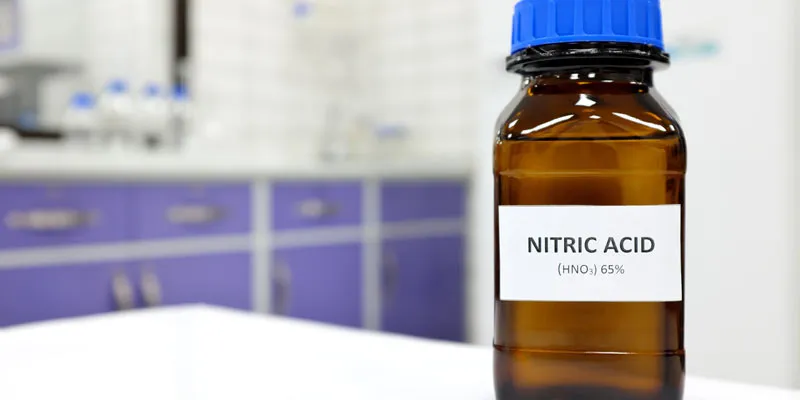
How To Use Nitric Acid Safely
Nitric acid is a corrosive chemical and harmful to humans. Its contact with skin and eyes can cause serious burns. Affected skin will require flushing with soap and lukewarm water for at least 30 minutes.
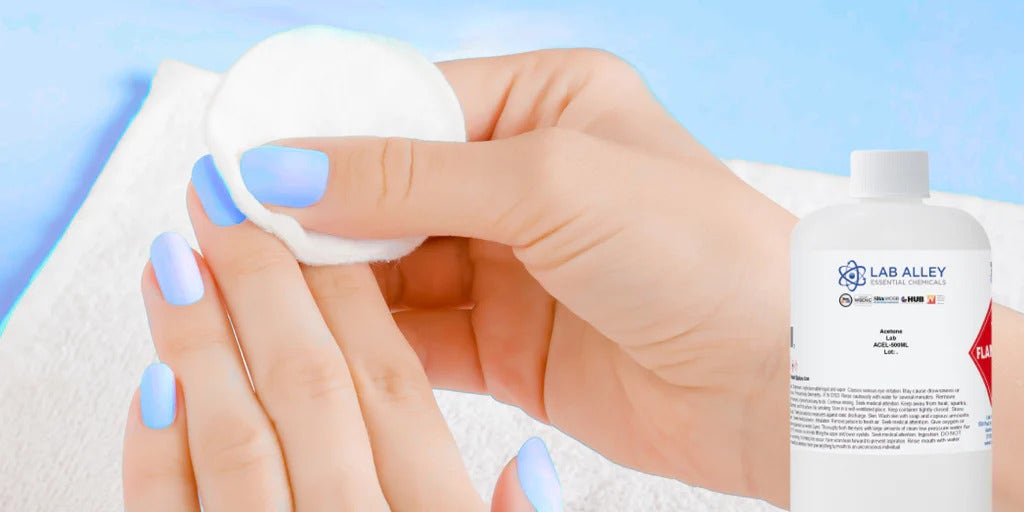
Acetone Safety: Proper Storage and Disposal Methods
Acetone is a staple chemical solvent in most laboratories. It is also perhaps one of the most recognizable chemicals to the layperson, best known as the pungent solvent comprising nail polish remover.
How to Use Potassium Iodide Safely and Where to Buy it Online
Potassium Iodide Powder, also known as Potassium Salt of Hydriodic Acid, Iodic Acid Potassium Salt, Potassium Monoiodide, and Knollide, has the chemical formula KI. It appears as a white crystalline powder, odorless, and is soluble in water at ambient conditions.
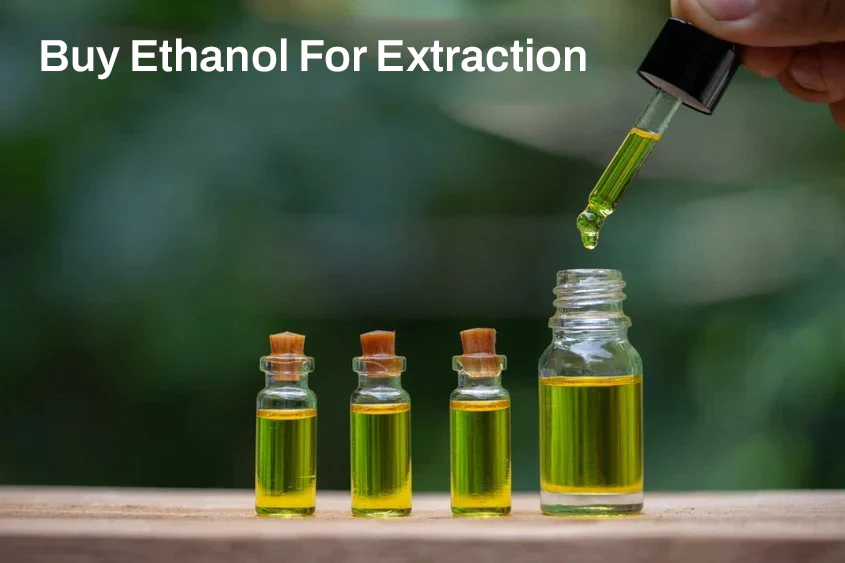
Medicinal Oils Derived From Plants
You can order food-grade ethanol, extraction-grade ethanol, ACS-grade ethanol, FCC-grade ethanol, USP grade ethanol, HPLC-grade ethanol and kosher ethanol from Lab Alley. Perform ethanol (EtOH) extraction at ultra-low temperatures for the best yields.
Ethanol extraction is a cost-effective way to use ethanol as an industrial solvent to produce high-quality botanical extracts from large volumes of medicinal herbs or plants.
Available Grades and Packaging Options
Chemical suppliers offer lactic acid in multiple grades and container sizes, accommodating different application needs and usage volumes. Appropriate grade selection depends on purity requirements, intended use, and regulatory compliance.
Standard Grade Classifications
-
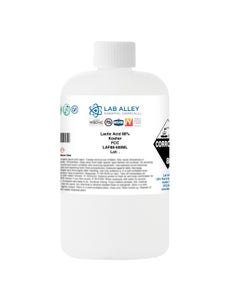
Food Grade (FCC): Meets Food Chemicals Codex standards for food preservation, acidulation, and pH adjustment. This GRAS-certified grade undergoes testing for heavy metals, microbes, and chemical impurities, ensuring consumption safety.
-
Pharmaceutical Grade (USP): Conforms to United States Pharmacopeia specifications for medical and cosmetic uses, including injectable solutions and drug formulations. Strict impurity limits ensure patient safety.
-
Cosmetic Grade: Specifically formulated for alpha-hydroxy acid applications in skincare and personal care items. This grade balances effectiveness with skin safety, meeting cosmetic industry purity standards.
-
Technical Grade: Cost-effective option for industrial manufacturing, PLA plastic production, textile processing, and chemical synthesis where food or pharmaceutical purity isn't necessary.
-
High-Purity Analytical Grades: Specialized grades meeting demanding analytical chemistry requirements for research and quality control, needing exceptional purity and minimal contaminants.
Container Sizes and Bulk Options
-
Small quantities: Laboratory containers from 100mL, 500mL, and 1L for research, education, and small-scale applications needing convenient handling.
-
Medium quantities: Containers including 1 gallon, 4L, and 5 gallons for pilot-scale operations, medium-volume laboratory work, and small manufacturing.
-
Bulk options: Large containers, including 55 gallons for high-volume applications, commercial operations, and manufacturing needing a consistent supply. Bulk storage uses stainless steel tanks with venting and temperature control.
-
Typical concentrations: Common formulations include 85%, 88%, and 90% aqueous solutions available in various grades matching application needs.
Suppliers provide laboratory-tested products with complete documentation, including certificates of analysis and safety data sheets. Technical support helps with grade selection and packaging decisions, meeting specific application requirements while ensuring regulatory compliance.
Contact sales teams for current pricing, availability, and technical specifications to fulfill your lactic acid needs.
FAQs
What is Lactic Acid, and how is it produced?
What are the potential side effects of Lactic Acid exposure?
How should Lactic Acid be stored to prevent degradation?
Does Lactic Acid have an expiration date?
Is Lactic Acid safe for food and cosmetic use?
Food-grade lactic acid holds GRAS status from the FDA for safe use in foods and beverages. Cosmetic-grade lactic acid is specifically formulated for skincare applications and widely used in AHA products. Both grades meet safety standards for their intended applications when used according to established guidelines and concentration limits.