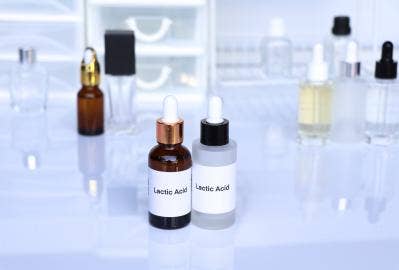






Lactic Acid Uses & Applications: Comprehensive Industry Guide
Lactic acid (2-hydroxypropanoic acid) stands out as a remarkably adaptable organic compound with applications spanning food technology, skincare, medicine, and sustainable manufacturing. This alpha-hydroxy acid performs distinct functions as a preservative, acidity controller, skin treatment agent, and building block for other chemicals across countless processes.
The compound originates from two sources: bacterial fermentation of carbohydrates or direct chemical synthesis. You'll find it naturally in fermented foods like yogurt and sauerkraut, and your own muscles produce it during intense physical activity. The FDA recognizes it as GRAS (Generally Recognized as Safe), and its ability to break down naturally in the environment makes it attractive for applications prioritizing both safety and sustainability.
Industries have embraced lactic acid because it delivers results while meeting regulatory standards and environmental objectives. Companies looking to replace fossil fuel-derived ingredients with renewable alternatives often turn to lactic acid as both an ecologically sound and technically effective solution.
In this comprehensive guide, we'll explore:
1. Industrial Applications
2. Scientific & Laboratory Uses
3. Medical & Pharmaceutical Uses
4. Food & Beverage Industry
5. Agriculture & Soil Treatment
6. Consumer & Household Uses
7. Environmental & Water Treatment
Industrial Applications
Manufacturing sectors depend on lactic acid for its acidity, ability to bind metal ions, and role in creating other compounds. Coming from renewable sources and breaking down naturally positions it as essential for industries moving toward sustainability.
Biodegradable Plastics Manufacturing
Creating polylactic acid (PLA) consumes more lactic acid than any other industrial use. Manufacturers convert lactic acid into this biopolymer to produce packaging materials, textile fibers, and single-use items that offer genuine alternatives to conventional plastics derived from petroleum.
PLA tackles the plastic waste crisis through its ability to decompose in commercial composting facilities. Unlike traditional polymers lingering indefinitely in oceans and landfills, PLA returns to simple molecules under proper conditions. This characteristic explains its rapid adoption for items designed for brief use followed by disposal.
Fabric producers weave PLA fibers into clothing and home textiles, achieving durability and comfort similar to polyester while offering eventual biodegradation. You'll find these materials in workout clothes, bedding, and specialty fabrics where performance must match environmental values.
Chemical Synthesis
Chemical manufacturers use lactic acid to produce lactate esters, which function as solvents and plasticizers. These derivatives replace petroleum-based chemicals in numerous applications while maintaining the ability to degrade naturally after use.
Converting lactic acid into propylene glycol and similar molecules creates ingredients for antifreeze, food additives, and medicines. This flexibility makes it valuable for companies building product lines around renewable materials.
Textile & Leather Processing
Dyeing fabric requires mordants that help colors bond permanently to fibers. Lactic acid fills this role by interacting with metal ions in ways that improve how dyes attach and remain stable through washing and sunlight exposure.
Leather tanning operations use lactic acid to control acidity and enhance finished product quality. Its mild character and metal-binding properties contribute to softer leather while supporting cleaner production methods compared to traditional chrome tanning.
Metal Cleaning & Descaling
Manufacturing plants apply lactic acid to remove mineral buildup, rust, and scale from machinery and metal components. Unlike aggressive mineral acids traditionally employed for cleaning, lactic acid strips away deposits while posing fewer risks to workers and ecosystems.
Its ability to dissolve metal oxides and mineral scales occurs without the intense corrosion characteristic of stronger acids. This makes it appropriate for cleaning delicate equipment where material compatibility matters.
Scientific & Laboratory Uses
Researchers value lactic acid for its predictable behavior, relevance to living systems, and consistent quality. Because it appears naturally in biological processes, it's especially useful for experiments involving metabolism and cellular function.
Analytical Reagent
Scientists incorporate lactic acid into buffer solutions that maintain steady acidity during experiments. Its buffering action works well in the pH ranges relevant to biochemical reactions, making it ideal for enzyme studies and biological assays requiring conditions mimicking living tissues.
Laboratories also use it as a reference compound for calibrating pH meters and conducting organic acid analyses. High-purity reagent grades ensure measurements remain accurate and reproducible across different testing sessions.
Cell Culture & Biotechnology
Growing mammalian cells in laboratory dishes requires carefully balanced culture media. Lactic acid or its salt forms provide carbon sources and help regulate acidity. Since cells naturally generate lactic acid through glycolysis, adding it externally aligns with their metabolic processes.
Biotechnology production via fermentation involves monitoring lactic acid levels to optimize conditions. Understanding its accumulation patterns helps scientists maximize yields of valuable biological products.
Research Applications
Exercise physiology, cellular energy production, and metabolic disease investigations frequently examine lactic acid dynamics. Scientists study how it forms during physical exertion, how cells process it, and how transport mechanisms move it between tissues.
Cancer researchers focus increasingly on lactic acid production in tumors, where altered energy metabolism creates acidic environments affecting growth patterns and treatment responses. These studies use lactic acid both as an experimental tool and a potential therapeutic target.
pH Adjustment & Buffering Agent
Laboratory procedures regularly require precise acidity control. Lactic acid adjusts pH in solutions containing living cells, active enzymes, or other biological materials that respond poorly to mineral acids or high ionic strength.
Medical & Pharmaceutical Uses
Healthcare applications exploit lactic acid's safety profile and biological compatibility. Occurring naturally in the human body and holding GRAS status supports its inclusion in products from injectable medications to skin treatments.
Pharmaceutical Excipient
Drug formulations include lactic acid to adjust acidity, dissolve ingredients, and stabilize finished products. Injectable solutions, oral medicines, and topical preparations benefit from its mild nature and compatibility with active drug compounds.
Maintaining proper acidity in sterile solutions prevents drug breakdown during storage and ensures compatibility with blood pH when administered. This prevents therapeutic failures and reduces adverse reactions at injection locations.
Electrolyte Replacement
Lactated Ringer's solution delivers fluids and electrolytes to patients experiencing trauma, undergoing surgery, or requiring rapid volume restoration. Sodium lactate provides an anion that liver cells convert to bicarbonate, correcting acid-base imbalances without directly administering bicarbonate.
Emergency departments and operating rooms depend on this solution to save lives when rapid fluid replacement becomes critical. Its composition mirrors blood plasma electrolytes, allowing large-volume infusion without causing imbalances.
Topical Treatments
Skin doctors prescribe lactic acid for dry skin diseases and as an agent that removes dead surface cells. As an alpha-hydroxy acid, it accelerates cell turnover while boosting natural moisturization factors in skin layers. Medical-strength formulations treat conditions like ichthyosis and severe keratosis pilaris, where enhanced exfoliation and hydration provide therapeutic rather than merely cosmetic benefits.
Medical Device Processing
Cleaning and sterilizing medical instruments benefits from lactic acid's antimicrobial effects and biological safety. Its effectiveness against microorganisms, combined with low toxicity, suits applications where residues might contact patients or healthcare workers.
Food & Beverage Industry
Food applications represent lactic acid's oldest and most regulated uses. Centuries of safe consumption in fermented foods establish confidence in its continued role in modern food production.
Food Preservative & Acidulant
Food producers add lactic acid to maintain freshness, prevent bacterial spoilage, and create tangy flavors in dairy products, baked goods, beverages, and processed foods. Its antimicrobial action extends shelf life while preserving quality from production through consumption.
The pleasant tartness it provides enhances taste without overwhelming other flavors. This characteristic suits products that require subtle acidity, which complements rather than dominates flavor profiles.
Meat & Poultry Processing
Meat processors spray or dip products in lactic acid solutions to eliminate pathogenic bacteria, including Salmonella and E. coli, from surfaces. This intervention extends storage life and reduces foodborne illness risks.
Regulatory bodies and consumers increasingly demand safer meat with minimal chemical residues. Lactic acid's GRAS designation and natural dissipation make it acceptable for pathogen control in conventional and organic meat production.
Fermented Food Production
Yogurt, cheese, and other fermented dairy products contain lactic acid created when bacteria convert milk sugar. This acidification preserves products, develops characteristic flavors and textures, and delivers the tangy taste consumers expect.
Pickles, sourdough, and numerous traditional foods owe their preservation and distinctive qualities to bacterial lactic acid production. These foods have nourished humans for millennia, demonstrating long-term safety and nutritional value.
pH Regulation
Controlling acidity in food products affects taste, texture, and stability throughout processing and distribution. Lactic acid adjusts pH in beverages, candies, and prepared foods where precise acidity management influences quality and acceptance.
Its buffering capacity maintains stable acidity despite ingredient interactions or processing variations. This stability proves particularly important in complex formulations with multiple components.
Agriculture & Soil Treatment
Agricultural lactic acid applications focus on soil management, crop nutrition, and animal health. Its organic nature and biodegradability align with sustainable farming and organic production standards.
Soil pH Amendment
Farmers apply lactic acid to modify soil acidity, especially in organic systems where synthetic amendments face restrictions. Its organic classification and rapid breakdown make it acceptable for certified organic operations while effectively altering pH.
Gentle acidification allows gradual adjustment without shocking plants and soil organisms. This controlled modification supports healthier below-ground biology and improved nutrient uptake.
Animal Feed Additive
Livestock feed contains lactic acid as a preservative, improving digestibility and animal wellness. It inhibits mold and pathogenic bacteria in stored feed, preventing waste and protecting animal health.
Supplementation may enhance gut health by encouraging beneficial lactic acid bacteria while suppressing harmful species. This promotes better feed efficiency and overall livestock performance.
Silage Production
Preserving harvested forage as silage depends on lactic acid fermentation, preventing decay and maintaining nutrition. Ensiling processes encourage bacteria to ferment plant sugars, producing lactic acid that lowers pH and preserves feed for extended periods.
Successful silage fermentation preserves forage quality for months or years, providing consistent nutrition regardless of seasonal availability. Lactic acid's role proves fundamental to modern livestock feeding in regions with distinct growing periods.
Consumer & Household Uses
Consumer products increasingly feature lactic acid as companies respond to demand for natural, sustainable ingredients with established safety records. Its performance in personal care and home applications drives market growth.
Cosmetic & Personal Care Products
Skincare formulations highlight lactic acid for anti-aging effects, where its alpha-hydroxy properties encourage exfoliation, cellular renewal, and wrinkle reduction. It penetrates outer skin layers to break bonds between dead cells, revealing fresher skin underneath.
Compared to glycolic acid, lactic acid's larger molecules provide gentler exfoliation with less irritation, making it appropriate for sensitive skin. It also enhances moisture retention, addressing multiple concerns simultaneously.
Personal Care Formulations
Hair products and body lotions incorporate lactic acid for acidity adjustment and moisture attraction due to its humectant characteristics. It helps maintain optimal pH for hair and skin health while drawing and holding water in formulations and on application surfaces.
Its compatibility with diverse cosmetic ingredients and contribution to product stability make it valuable for developers creating new personal care items.
Household Cleaning Products
Green cleaning products use lactic acid to remove mineral deposits from surfaces. Its effectiveness against limescale, soap residue, and hard water stains matches harsher alternatives while maintaining environmental compatibility.
Its mild character and inoffensive odor make it more acceptable for home use than traditional cleaning acids, supporting the expanding market for environmentally conscious cleaning solutions.
Environmental & Water Treatment
Environmental lactic acid applications align with sustainability initiatives and green chemistry principles. Its biodegradability and renewable origin support use in applications where environmental consequences weigh heavily in decision-making.
Biodegradable Chemical Alternative
Industries replace harsh mineral acids and petroleum derivatives with lactic acid where technically feasible, reducing environmental footprints. Its natural breakdown prevents environmental accumulation, and production from renewable resources reduces fossil fuel dependence.
These characteristics help companies meet sustainability targets and comply with environmental regulations, favoring greener alternatives.
Wastewater Treatment
Treatment facilities use lactic acid as a carbon source for biological nutrient removal systems. Microorganisms metabolize it while extracting nitrogen and phosphorus from wastewater, supporting compliance with discharge limits.
This application capitalizes on lactic acid's high biodegradability and effectiveness as a microbial substrate, providing treatment benefits while avoiding concerns associated with less degradable carbon sources.
Green Chemistry Applications
Sustainable chemical manufacturing employs lactic acid as a renewable starting material for biodegradable materials and chemicals. Research into lactic acid-derived polymers, solvents, and intermediates continues expanding as industries pursue cleaner production methods.
Its versatility as a chemical foundation, combined with its renewable origin, positions it as central to bio-based chemical production. This role will likely grow as technology progresses and economics increasingly favor renewable feedstocks.
Lactic Acid Grades and Pack Sizes
Looking for a trusted supplier of high-quality lactic acid? Lab Alley delivers premium lactic acid solutions for food, pharmaceutical, cosmetic, and industrial sectors. Each batch undergoes comprehensive testing to verify purity and meet rigorous quality benchmarks, ensuring reliable performance across your diverse application needs.
Available Grades & Purities
Lab Alley offers lactic acid in multiple grades designed for specific industry requirements:
-
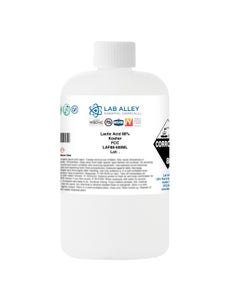
Food Grade (FCC): Conforms to Food Chemicals Codex specifications with stringent controls on heavy metal content and contaminants. Appropriate for food and beverage production, dietary supplement manufacturing, and all applications demanding food-grade certification.
-
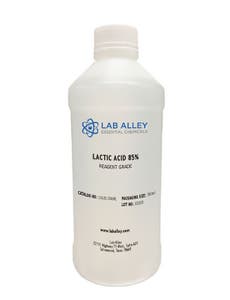
Reagent Grade: High-purity lactic acid conforming to analytical specifications for laboratory work. Ideal for research projects, analytical chemistry procedures, and applications where consistent composition with detailed certificates of analysis is essential.
-
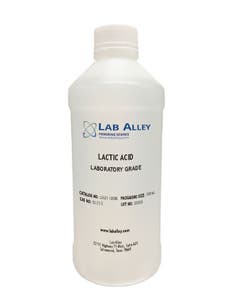
Lab Grade: Standard laboratory lactic acid offering dependable purity for educational settings, general research, and commercial applications where food-grade or reagent-level certification isn't mandatory.
Pack Sizes & Bulk Availability
Lab Alley provides lactic acid solutions in multiple container options, supporting everything from small laboratory studies to large-scale manufacturing:
-
Small laboratory bottles (100mL, 500mL, 1L) for research and educational purposes
-
Intermediate containers (1 gallon, 4L, 5 gallons) for moderate-volume applications and pilot programs
-
Large-volume packaging (55 gallons) for high-throughput industrial operations
-
Tailored packaging arrangements for unique specifications
Standard concentrations include 85%, 88%, and 90% aqueous solutions across Food Grade (FCC), Reagent Grade, and Lab Grade formulations.
All containers meet stringent safety, transportation, and regulatory requirements to guarantee appropriate handling and preservation throughout distribution. Contact our sales team for current pricing, product availability, and technical specifications to meet your lactic acid requirements.
Final Note
Lactic acid's exceptional versatility spanning food technology, pharmaceuticals, cosmetics, and industrial chemistry establishes it as an indispensable compound in contemporary applications. From safeguarding food quality to enabling biodegradable polymer production and supporting eco-friendly agriculture, this organic acid delivers dependable, sustainable answers to challenges across diverse industries.
The compound's documented safety history, GRAS designation, and natural biodegradability, paired with technical efficacy and renewable sourcing, position lactic acid for continued prominence. As environmental standards tighten and consumer preference shifts toward natural, sustainable ingredients, demand for lactic acid applications will likely accelerate further.
For businesses evaluating lactic acid integration, collaborating with knowledgeable suppliers like Lab Alley, who grasp technical nuances alongside regulatory landscapes, guarantees smooth adoption while upholding safety protocols and compliance requirements throughout all operational domains
For more detailed guidance, explore our Resource Library.
Our Customer Care team is also available for more information and documentation, including chemical Safety Data Sheets.
Need Lactic Acid You Can Trust?
If you are looking for high-quality lactic acid for your lab, product line, or research facility, be sure to visit our store to explore our trusted selection and request a quote.
As your trusted partner in chemical supply, Lab Alley is always striving to meet the growing demands of our customers. We want you to be able to access all of your chemical needs in one place, along with streamlined online ordering and fast shipping.
Due to popular demand from our valued clientele, Lab Alley's lactic acid is available in a range of purities and packaging options to suit various commercial, laboratory, and personal needs.