





Types of Lactic Acid: Understanding Grades, Forms, and Applications
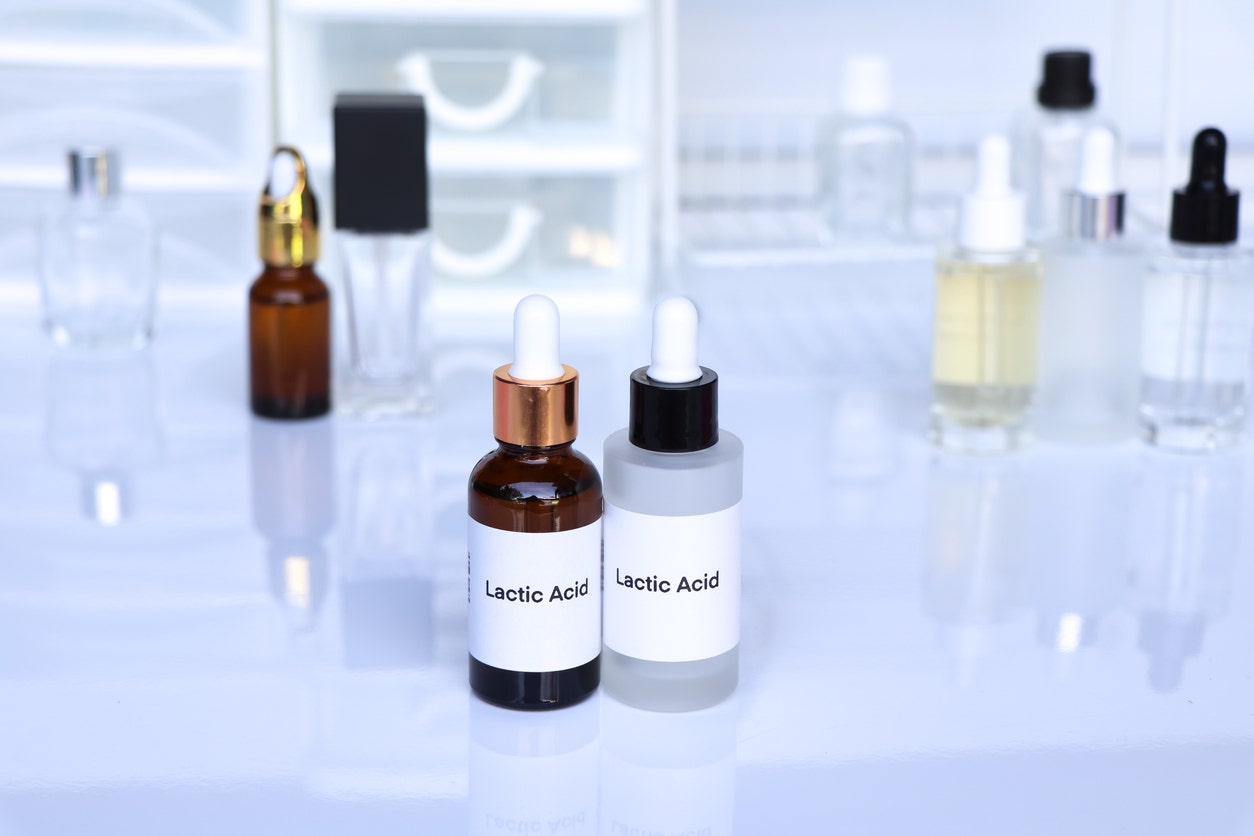
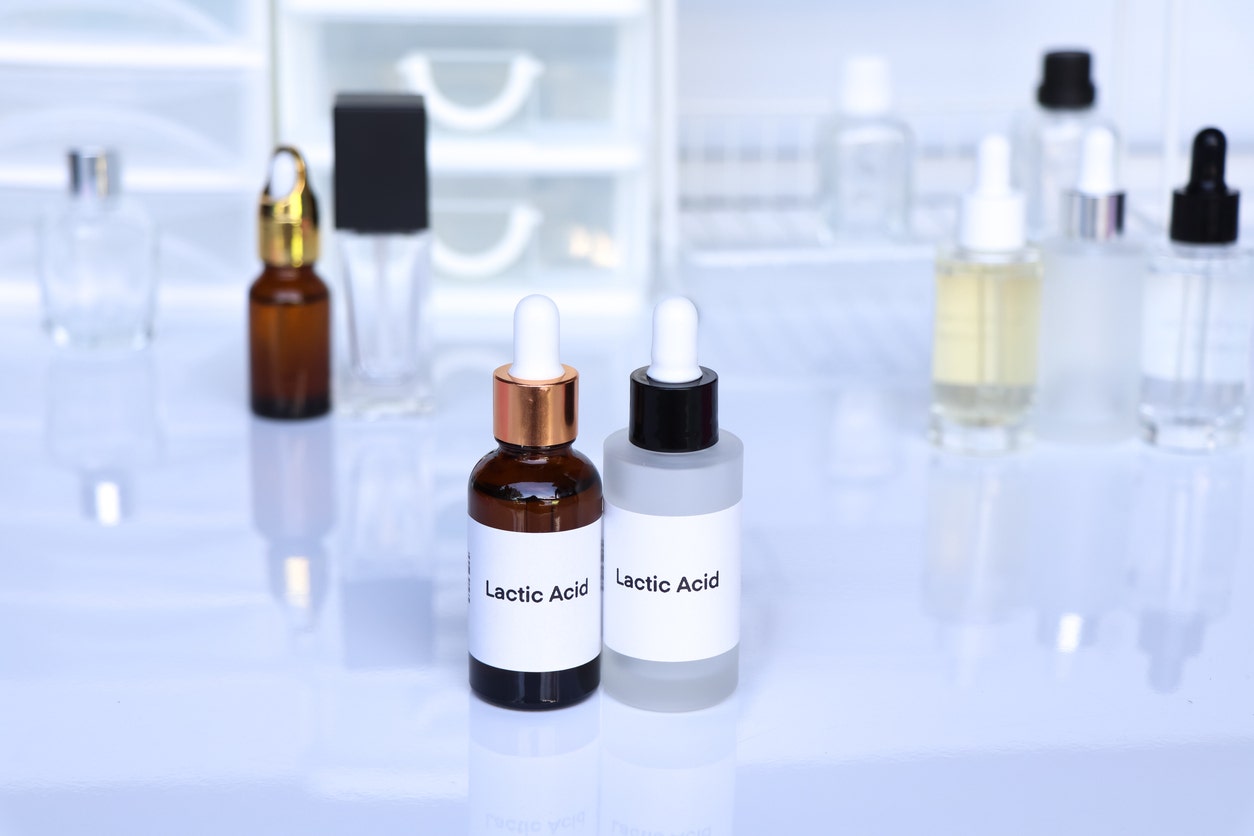
Lactic acid (C₃H₆O₃) is an organic alpha-hydroxy acid naturally occurring in fermented foods and produced commercially through bacterial fermentation or chemical synthesis. This versatile compound plays essential roles across food preservation, cosmetic formulations, pharmaceutical applications, and industrial manufacturing.
The compound exists in various grades, concentrations, and optical forms, which differ by purity, concentration, and intended application, influencing their suitability for food, cosmetic, pharmaceutical, and industrial uses. Different grades and formulations address specific regulatory and quality requirements across industries.
Key factors determine which type to choose: purity level, concentration, optical purity (L-, D-, or DL-forms), regulatory compliance (GRAS, USP, FCC), and intended application. Understanding these distinctions helps you select lactic acid that meets both performance needs and regulatory obligations.
In this article, we’ll explore:
- Common Grades & Purities of Lactic Acid
-
Certifications & Standards
-
Chemical Forms & Variants
-
Applications Based on Type
-
How to Choose the Right Type of Lactic Acid
Common Grades & Purities of Lactic Acid
Lactic acid comes in several distinct grades, each formulated for specific industries and applications. The differences lie primarily in purity levels, allowable contaminants, and the testing protocols used to verify quality.
Food Grade (FCC)
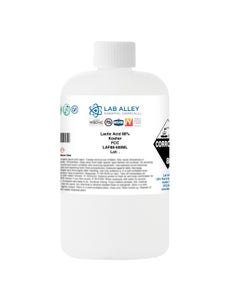
Food-grade lactic acid is a GRAS-certified form meeting FDA standards for food preservation, acidulation, and pH adjustment in food and beverage applications. This grade undergoes testing for heavy metals, microbial contamination, and chemical impurities that could compromise food safety or alter taste profiles.
Manufacturers depend on this grade when extending shelf life in dairy products, adjusting acidity in soft drinks, or preserving meat products. The certification process ensures each batch meets stringent safety criteria before reaching food processing facilities.
Pharmaceutical Grade (USP)
Pharmaceutical-grade lactic acid achieves high purity, meeting United States Pharmacopeia standards for medical applications, injectable solutions, and pharmaceutical manufacturing. The specifications for this grade are exceptionally strict, limiting impurities to parts per million or even parts per billion for certain contaminants.
Medical facilities use this grade in intravenous solutions, drug formulations, and injectable medications where patient safety depends on absolute purity. The rigorous quality control justifies the premium pricing compared to lower grades.
Cosmetic Grade
Cosmetic-grade lactic acid is specifically purified for alpha-hydroxy acid (AHA) applications in skincare products, meeting cosmetic industry purity and safety standards. This grade balances effectiveness with skin compatibility, removing impurities that could irritate while preserving the exfoliation properties consumers expect.
Skincare companies formulate with this grade for anti-aging treatments, chemical exfoliants, and pH-balanced lotions. The controlled specifications deliver consistent results batch after batch.
Industrial/Technical Grade
Industrial-grade lactic acid provides standard purity for manufacturing processes, PLA plastic production, textile treatment, and chemical synthesis, where food or pharmaceutical purity is not required. This economical option maintains reliable chemical reactivity while eliminating costly purification steps unnecessary for industrial applications.
Factories producing biodegradable plastics, processing textiles, or synthesizing other chemicals choose this grade. The cost savings become substantial when working with large volumes, where higher purity adds expense without performance benefits.
Electronic Grade
Electronic-grade lactic acid delivers ultra-high purity with minimal metal contamination for specialized semiconductor and electronics applications. This premium grade undergoes extensive purification, removing trace metals that could interfere with delicate electronic manufacturing processes.
Semiconductor fabrication facilities and specialized electronics manufacturers need this grade when even microscopic contamination levels could ruin expensive components or compromise product reliability.
Certifications & Standards
Certifications validate that lactic acid meets industry-specific requirements beyond basic purity specifications. These credentials demonstrate compliance with regulatory frameworks governing different applications.
GRAS Certification
Generally Recognized as Safe status from the FDA for food applications ensures safety for human consumption. This designation stems from extensive safety data and decades of successful use in food products without adverse health effects.
Food companies require GRAS certification to legally incorporate lactic acid into consumable items. The status simplifies regulatory approval while assuring consumers of product safety.
USP/NF Standards
United States Pharmacopeia compliance for pharmaceutical and medical applications establishes quality benchmarks for medical-grade materials. These standards specify acceptable limits for heavy metals, residual solvents, and other potential contaminants.
Pharmaceutical operations must source USP-compliant lactic acid for medical uses. Documentation requirements create full traceability from the manufacturer through final application.
FCC Standards
Food Chemicals Codex certification for food-grade quality and purity provides internationally recognized specifications for food additives. FCC standards detail chemical composition, physical properties, and testing methods for verifying quality.
This certification gives food manufacturers confidence that the purchased lactic acid meets appropriate quality thresholds for safe food contact.
Kosher/Halal Certification
Religious dietary compliance for food and pharmaceutical applications enables products to serve diverse consumer markets. These certifications verify that production methods align with religious dietary requirements.
Companies targeting kosher or halal markets need appropriately certified lactic acid to maintain overall product certification. Market access depends on meeting these religious standards.
Organic Certification
USDA organic compliance for use in organic food processing and manufacturing confirms production methods meet organic standards. This certification requires organic fermentation substrates and approved processing methods.
Organic food producers must source certified organic lactic acid to maintain their products' organic status. The certification carries premium pricing reflecting organic production costs.
ISO Quality Standards
International quality management compliance for manufacturing and processing facilities demonstrates systematic quality control throughout production operations. ISO certification shows manufacturers maintain documented processes ensuring consistent product quality.
These quality management certifications provide confidence that suppliers deliver reliable, consistent products meeting stated specifications.
Chemical Forms & Variants
Lactic acid appears in several distinct chemical forms, each offering particular advantages for different applications. Form selection affects handling characteristics, biological activity, and suitability for various processes.
Aqueous Solutions
The most common commercial form typically contains 50-90% lactic acid in water, with 88% being the standard concentration for industrial use. Water reduces viscosity, simplifies pumping and mixing, and provides safer handling compared to pure acid.
Most applications use aqueous solutions since the water content doesn't interfere with functionality while making the material easier to work with in processing operations.
L-Lactic Acid
The naturally occurring optical isomer represents the primary form produced by fermentation, used in food and pharmaceutical applications. This form matches human metabolic pathways, making it the appropriate choice for applications involving consumption or medical use.
Bacterial fermentation naturally yields L-lactic acid, providing economical production for most applications. Biological compatibility makes it essential for pharmaceutical and food uses.
D-Lactic Acid
A less common optical isomer is produced by specific bacterial strains or chemical synthesis. While chemically identical to L-lactic acid, the mirror-image molecular structure creates different biological properties.
Specialized industrial or research applications occasionally require D-lactic acid, though limited demand and higher production costs restrict its availability.
DL-Lactic Acid
A racemic mixture of L- and D-forms is often used in industrial applications where optical purity is not critical. Chemical synthesis produces equal amounts of both isomers, resulting in this mixture.
Industrial uses where biological compatibility doesn't matter benefit from the economic advantages of racemic lactic acid over pure L-form.
Sodium Lactate
The neutralized salt form is used in food preservation, cosmetics, and medical applications. This compound provides lactic acid benefits at neutral pH, suitable for applications where acidity would create problems.
Food preservation leverages antimicrobial properties without an acidic taste. Cosmetic formulations use it as a humectant. Medical applications incorporate it into electrolyte solutions.
Calcium Lactate
A calcium salt used as a food additive, pharmaceutical excipient, and nutritional supplement. This form delivers both lactic acid functionality and calcium supplementation simultaneously.
Food fortification, pharmaceutical calcium supplements, and texture modification applications all utilize calcium lactate for its dual benefits.
Potassium Lactate
A potassium salt used in food preservation and as a low-sodium alternative to sodium lactate. This form helps manufacturers create reduced-sodium products while maintaining preservation effectiveness.
Processed meat manufacturers particularly favor potassium lactate for extending shelf life without contributing to sodium content concerns.
Lactic Acid Applications Based on Type
Different lactic acid grades and forms serve specific purposes across industries. Matching type to application ensures performance while meeting regulatory requirements.
Food & Beverage
Food-grade lactic acid serves as a preservative, acidulant, and pH regulator in dairy products, baked goods, beverages, and meat processing. Antimicrobial properties extend shelf life by controlling spoilage organisms. The pleasant, mild acidity enhances flavors without a harsh chemical taste.
Dairy products benefit from lactic acid's natural presence in fermented items. Beverage makers control pH and add tangy notes. Meat processors improve safety and extend refrigerated storage life.
Pharmaceuticals & Healthcare
Pharmaceutical-grade material appears in IV solutions like Lactated Ringer's, drug formulations, and as an excipient in injectable medications. Biocompatibility and metabolic compatibility make it ideal for direct medical applications.
Emergency medicine uses Lactated Ringer's for fluid resuscitation. Drug manufacturing incorporates lactic acid for pH control and buffering. Normal metabolic pathways process it without accumulation concerns.
Cosmetics & Personal Care
Cosmetic-grade lactic acid functions as an alpha-hydroxy acid (AHA) for exfoliation, anti-aging treatments, and pH adjustment in skincare formulations. Gentler action compared to other AHAs suits sensitive skin while providing effective exfoliation.
Skincare products use it to remove dead cells, smooth texture, and reduce fine lines. pH adjustment maintains formulation stability and skin compatibility. Water-binding properties add moisturization beyond exfoliation alone.
Industrial Manufacturing
Technical-grade material supports biodegradable plastic (PLA) production, textile processing, leather tanning, and chemical synthesis. Industrial applications leverage chemical properties without requiring food or pharmaceutical purity.
PLA plastic production represents a rapidly growing demand for lactic acid. The biodegradable polymer offers environmental advantages over petroleum plastics. Textile and leather processing use it for pH control and treatments. Chemical synthesis incorporates it as a building block.
Agriculture
Agricultural applications employ lactic acid for soil pH adjustment, animal feed preservation, and organic farming. Biodegradability and low environmental toxicity suit agricultural settings.
Soil amendment corrects pH in alkaline conditions, improving nutrient availability. Feed preservation prevents spoilage during storage. Organic farming systems can use it under organic certification standards.
How to Choose the Right Type of Lactic Acid
Selecting appropriate lactic acid requires evaluating application needs, regulatory requirements, and technical specifications. Proper selection ensures performance while maintaining compliance.
Match Grade to Intended Use
Food grade (FCC) for food applications where GRAS certification and FDA compliance are mandatory. Industrial material in food products creates health risks and regulatory violations. Pharmaceutical grade (USP) for medical use, where patient safety demands the highest purity. Premium cost reflects extensive testing and quality control for medical applications.
Cosmetic grade for skincare products with specific purity profiles. Lower grades risk skin irritation or regulatory issues in markets with strict cosmetic oversight. Industrial grade for manufacturing, where high purity provides no additional benefit. Paying for unnecessary purity wastes resources when specifications exceed requirements.
Verify Required Certifications
Ensure GRAS status for food use before incorporating into consumable products. Lacking GRAS creates regulatory violations, potentially triggering recalls. Confirm USP compliance for pharmaceuticals. Medical applications need documented quality meeting pharmacopeial standards.
Check organic certification when producing organic items. Non-certified lactic acid disqualifies products from organic labeling.
Select Appropriate Concentration
Higher concentrations (80-90%) suit industrial use where dilution occurs during processing. Reduced water content lowers shipping costs and storage space requirements. Dilute solutions work better for direct food contact. Lower concentrations reduce handling hazards while providing necessary functionality.
Cosmetic formulations specify exact concentrations based on desired effects. Following specifications ensures products perform without irritating.
Consider Optical Purity Needs
L-lactic acid for food and pharmaceutical applications where biological compatibility matters. The body metabolizes L-form through normal pathways. Racemic DL-mixture for industrial uses where optical purity doesn't affect outcomes. Lower cost makes it attractive when L-purity provides no advantage.
Verify optical requirements before ordering, since switching forms can affect performance in sensitive applications.
Review Regulatory Compliance
Confirm FDA approval for food use with proper GRAS documentation. Written certification matters more than verbal assurances. Verify pharmaceutical regulations compliance. Authorities require documentation proving materials meet applicable standards.
Check cosmetic regulations in target markets. Requirements vary internationally between regions.
Consider Optical Purity Needs
Ensure suppliers provide proper documentation, including certificates of analysis for each batch. COAs verify specific material meets stated specifications. Confirm suppliers maintain appropriate quality systems. ISO or GMP compliance demonstrates systematic quality management.
Check reliability through references or trial orders before large commitments. Low prices mean nothing if material arrives late or off-spec. Request technical support availability for application questions. Knowledgeable suppliers help solve problems beyond just processing orders.
Need Help Finding the Right Type of Lactic Acid?
Lab Alley offers lactic acid in multiple grades and forms, backed by the necessary documentation and certifications. Whether you need it for manufacturing, laboratory research, agriculture, or regulated industries, our products meet high-quality and safety standards.
For more detailed guidance, explore our Resource Library.
Our Customer Care team is also available for more information and documentation, including chemical Safety Data Sheets.
Find Lactic Acid You Can Trust
If you are looking for high-quality lactic acid for your lab, product line, or research facility, be sure to visit our store to explore our trusted selection and request a quote.
As your trusted partner in chemical supply, Lab Alley is always striving to meet the growing demands of our customers. We want you to be able to access all of your chemical needs in one place, along with streamlined online ordering and fast shipping.
Due to popular demand from our valued clientele, Lab Alley's lactic acid is available in a range of purities and packaging options to suit various commercial, laboratory, and personal needs.