Denatured Ethanol Uses & Applications
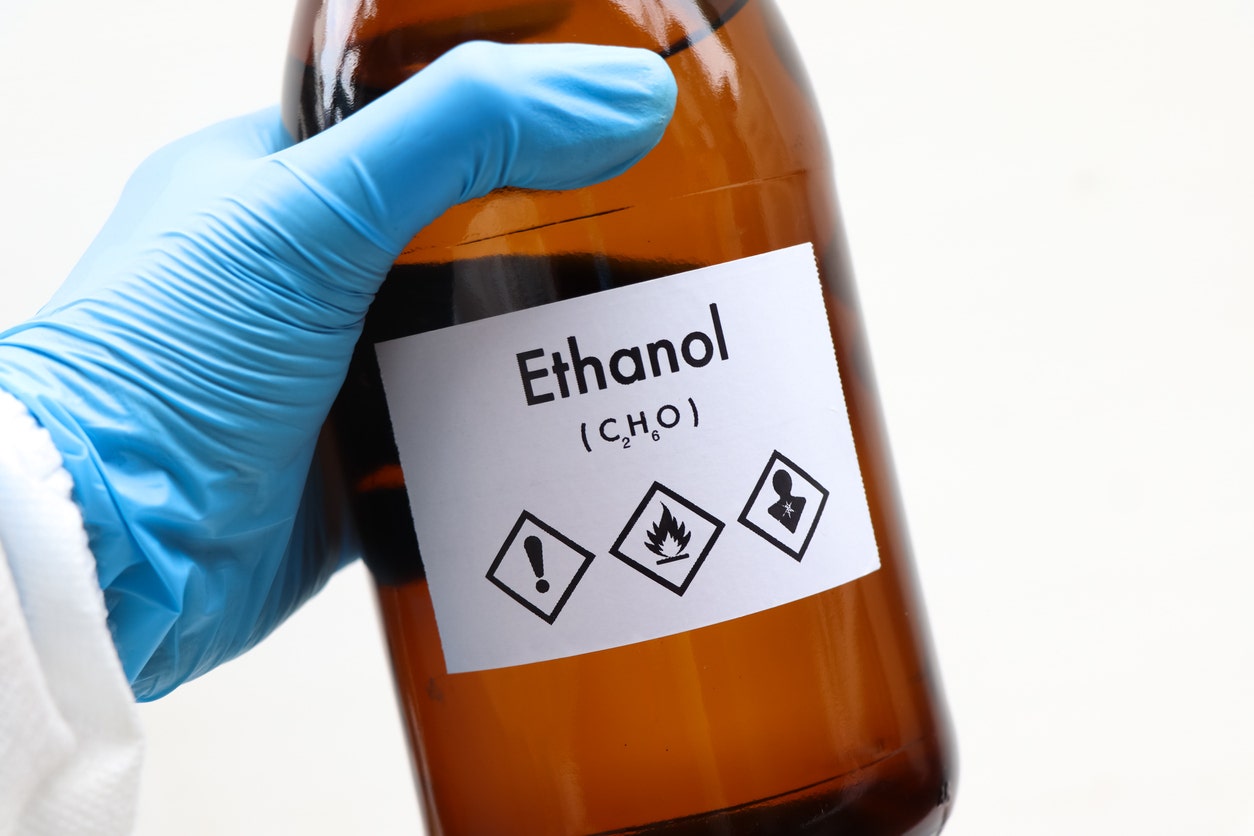
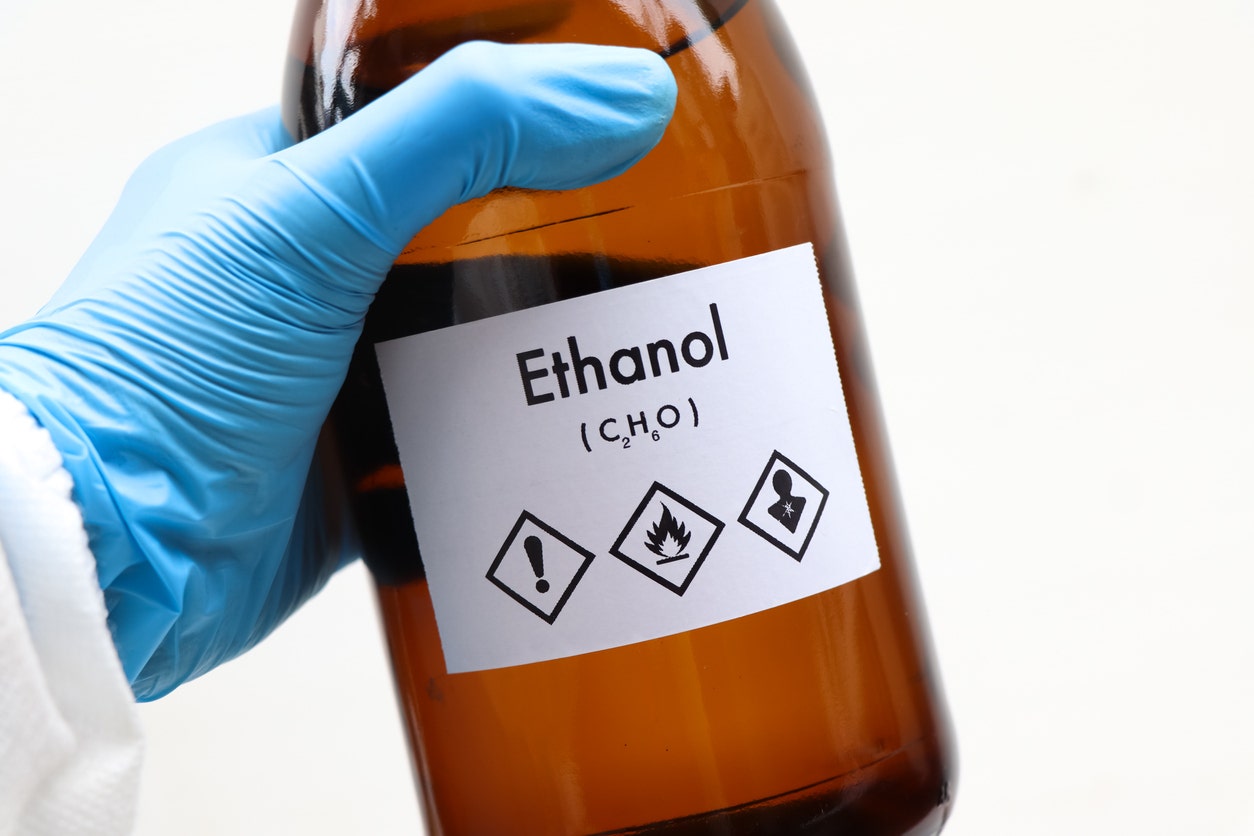
Denatured ethanol stands as one of the most economical and versatile solvents available for industrial and commercial operations. This specially treated ethyl alcohol has been intentionally modified with additives that make it unsuitable for drinking while preserving all the chemical properties that make ethanol so valuable in manufacturing and production environments.
What makes denatured ethanol particularly attractive is its tax-exempt status. By adding specific denaturants like methanol, isopropanol, tert-butyl alcohol, or denatonium benzoate according to strict governmental formulas, manufacturers can access high-quality ethanol without paying substantial beverage alcohol taxes. This cost advantage has made it the go-to choice for countless applications across manufacturing, cleaning, fuel production, and scientific research.
The compound delivers exceptional performance as a solvent, cleaner, and antimicrobial agent while keeping production costs manageable. Whether you're formulating industrial coatings, manufacturing cosmetics, or running laboratory analyses, denatured ethanol provides the same excellent properties as pure ethanol but at a fraction of the cost.
This guide examines denatured ethanol's diverse applications across:
- Industrial Applications
- Scientific & Laboratory Uses
- Medical & Pharmaceutical Uses
- Food & Beverage Industry
- Personal Care & Cosmetics
- Household & Consumer Uses
- Agriculture & Veterinary Uses
Industrial Applications
Manufacturing operations rely heavily on denatured ethanol because it delivers premium solvent characteristics without the financial burden of beverage alcohol taxation. Its ability to dissolve a wide range of substances while evaporating quickly makes it invaluable for production environments where cost efficiency directly impacts competitiveness.
Chemical Manufacturing & Synthesis
Industrial chemical producers depend on denatured ethanol as a fundamental raw material for creating numerous organic compounds. The production of acetaldehyde, acetic acid, and various ethyl esters all start with this cost-effective alcohol base. These intermediate chemicals then become building blocks for plastics, synthetic rubber, and countless other materials that modern manufacturing requires.
The uses of denatured ethanol in chemical synthesis extend far beyond basic production. Manufacturers creating specialty compounds for niche applications find that this economical solvent allows them to develop new materials without prohibitive ingredient costs.
Industrial Solvent Applications
When manufacturing operations need to dissolve resins, oils, fats, waxes, or alkaloids, denatured ethanol provides an excellent solution at a reasonable cost. Paint manufacturers incorporate it into their formulations to achieve the right consistency and drying characteristics. Ink producers rely on it to keep pigments properly suspended and flowing. Adhesive companies use it to control viscosity and curing times.
The production of coatings represents another major area where denatured ethanol proves its worth. From protective finishes for wood products to specialized coatings for industrial equipment, manufacturers choose this alcohol because it performs reliably while keeping production costs under control.
Fuel & Energy Production
The renewable energy sector has embraced denatured ethanol as a critical component in biofuel blends. You'll find it in E10, E15, and E85 fuel formulations at gas stations nationwide. As an oxygenate, it helps gasoline burn more completely and cleanly while boosting octane ratings for better engine performance.
What makes denatured ethanol particularly valuable for fuel applications is that it provides a renewable alternative to petroleum-based additives. Produced from corn, sugar cane, and other agricultural feedstocks, it reduces dependence on fossil fuels while supporting agricultural economies.
Surface Coatings & Finishes
Manufacturers of lacquers, shellacs, and varnishes have long recognized the benefits of using denatured ethanol in their formulations. The alcohol dissolves natural and synthetic resins effectively, creating smooth, even coatings that dry to beautiful finishes. Professional woodworkers and furniture manufacturers particularly appreciate products formulated with this solvent because they deliver consistent results.
Cleaning & Degreasing Operations
Manufacturing facilities face constant challenges in keeping equipment, machinery, and work surfaces clean and functional. Denatured ethanol excels as an industrial cleaner because it cuts through grease and oil while providing antimicrobial action. The solvent power handles tough cleaning jobs that water-based cleaners struggle with, while the antimicrobial properties help maintain sanitary conditions in production environments.
Scientific & Laboratory Uses
Research facilities and analytical laboratories operate under tight budget constraints while demanding reliable, consistent materials for their work. Denatured ethanol meets both requirements by providing laboratory-grade performance at significantly reduced cost compared to non-denatured alternatives.
Laboratory Reagent & Solvent
Chromatography procedures require substantial quantities of high-purity solvent, making the cost advantages of denatured ethanol particularly attractive. Laboratory managers appreciate that they can purchase this economical alternative without compromising analytical results. Extraction procedures also benefit from using denatured ethanol for isolating compounds from plant materials or purifying synthetic products.
Research Laboratory Applications
Organic synthesis work in research laboratories consumes large volumes of solvent. Graduate students and research scientists conducting synthetic chemistry experiments appreciate the availability of denatured ethanol because it allows them to stretch research budgets further. Purification processes, equipment cleaning, and reaction work all become more economical when using this tax-exempt alcohol.
Histological Applications
Medical research facilities processing tissue samples for microscopic examination use denatured ethanol extensively in their dehydration and staining protocols. The alcohol removes water from tissue specimens and prepares them for embedding in paraffin wax. Veterinary diagnostic laboratories and agricultural research facilities processing plant tissues also rely on this economical histological solvent.
Equipment & Glassware Cleaning
Laboratory cleanliness is non-negotiable, and denatured ethanol serves as a preferred cleaning agent for glassware, instruments, and work surfaces. The excellent degreasing properties remove organic residues that could contaminate subsequent experiments. Research facilities appreciate that cleaning with denatured ethanol leaves no residue once the alcohol evaporates.
Medical & Pharmaceutical Uses
Healthcare and pharmaceutical manufacturing represent major consumers of denatured ethanol for applications where internal consumption is not intended. The cost advantages make it practical for large-scale production while maintaining the antimicrobial and solvent properties that medical applications require.
Pharmaceutical Manufacturing
Manufacturers producing topical medications, antiseptics, and external-use preparations incorporate denatured ethanol as a key ingredient. The alcohol serves as both a solvent for active pharmaceutical ingredients and a preservative, extending the product's shelf life. Liniments, topical analgesics, and transdermal preparations all benefit from formulations based on denatured ethanol.
Antiseptic & Disinfectant Applications
Hospitals, clinics, and healthcare facilities use vast quantities of alcohol-based antiseptics for wound cleaning and surface disinfection. Denatured ethanol formulations provide the antimicrobial efficacy that medical environments demand while controlling costs. The broad-spectrum antimicrobial activity eliminates bacteria, viruses, and fungi effectively.
Medical Device Processing
Manufacturing medical devices requires solvents and cleaning agents that can remove manufacturing residues and prepare products for sterilization. Denatured ethanol serves both functions effectively while keeping production costs reasonable. From surgical instruments to diagnostic equipment, manufacturers rely on this economical solvent throughout their production processes.
External Pharmaceutical Preparations
Topical solutions, external medications, and over-the-counter preparations for skin conditions frequently incorporate denatured ethanol in their formulations. The alcohol acts as a carrier, solvent, and preservative while providing therapeutic benefits through its antimicrobial and astringent properties.
Food & Beverage Industry
While denatured ethanol cannot be used in products intended for human consumption, it plays important supporting roles in food industry operations where direct food contact is avoided or where processing removes any alcohol residues.
Food Processing Equipment Cleaning
Commercial food processing facilities must maintain rigorous sanitation standards to prevent contamination and ensure the safety of their food products. Denatured ethanol serves as an effective sanitizing agent for equipment surfaces, processing lines, and facility infrastructure. The antimicrobial action eliminates pathogens that could contaminate food products, while the rapid evaporation means equipment dries quickly and returns to service.
Industrial Food Applications
Certain food manufacturing processes involve extraction or processing steps that utilize alcohol, which is then completely removed before the final product reaches consumers. In these applications, denatured ethanol can sometimes provide a cost-effective alternative to food-grade alcohol, provided the manufacturing process ensures complete removal.
Commercial Kitchen Sanitization
Restaurant kitchens, institutional food service operations, and catering facilities all require effective sanitization of equipment and surfaces. Denatured ethanol-based sanitizers provide powerful antimicrobial action for cleaning applications where direct food contact is avoided. Health inspectors recognize properly formulated alcohol-based sanitizers as acceptable for many food service applications.
Personal Care & Cosmetics
The personal care industry represents one of the largest markets for denatured ethanol, particularly formulations like SDA 40B that are specifically designed for cosmetic applications. These specially denatured alcohols provide the solvent and carrier properties that cosmetic formulations require while maintaining skin compatibility for topical use.
Cosmetic Formulations
Perfumes and colognes are formulated on alcohol bases that carry fragrance compounds, allowing them to disperse when applied to the skin. Denatured ethanol formulations approved for cosmetic use, particularly SDA 40B containing tert-butyl alcohol and denatonium benzoate, have become the industry standard. This "perfumer's alcohol" allows fragrance creators to develop scents without the financial burden of beverage alcohol taxes.
Personal Care Products
Hand sanitizers have become ubiquitous in modern life, and the vast majority are formulated with denatured ethanol as their active antimicrobial ingredient. The SDA 40B formulation is particularly popular for consumer hand sanitizers because it provides effective germ-killing power while being safe for repeated skin contact. Astringent products for facial care often incorporate denatured ethanol for its ability to remove excess oil and tighten pores.
Hair Care Applications
Hair sprays and styling products need solvents that evaporate quickly without leaving sticky residues. Denatured ethanol meets these requirements perfectly, allowing styling product manufacturers to create formulations that hold hair in place, dry rapidly, and don't feel heavy or greasy.
Skincare & Beauty Products
Toners, facial mists, and clarifying treatments frequently incorporate denatured ethanol for its astringent and antimicrobial properties. The alcohol helps remove residual cleanser, tighten pores, and prepare skin for subsequent skincare steps.
Household & Consumer Uses
Consumer products represent a massive market for denatured ethanol, with formulations appearing in numerous household items that people use daily. The combination of cleaning power, antimicrobial efficacy, and reasonable cost has made denatured ethanol a key ingredient in many consumer product categories.
Commercial Cleaning Products
Glass cleaners achieve their streak-free shine largely thanks to denatured ethanol in their formulations. The alcohol cuts through oils and films while evaporating rapidly to leave surfaces crystal clear. Surface disinfectants for household use incorporate denatured ethanol to kill germs on countertops, doorknobs, light switches, and other frequently touched surfaces.
Hand Sanitizers & Antiseptics
The consumer market for alcohol-based hand sanitizers has exploded in recent years, with products available everywhere from grocery stores to gas stations. Most of these sanitizers are formulated with SDA 40B denatured ethanol, which provides effective antimicrobial action while being safe for frequent use on skin. First aid antiseptics for home medicine cabinets also commonly contain denatured ethanol.
Automotive & Maintenance Products
Car care enthusiasts and professional detailers use numerous products formulated with denatured ethanol. Automotive cleaners, degreasers, and detail sprays rely on the solvent power of alcohol to remove road grime, grease, and other contaminants. Maintenance products for tools, machinery, and equipment also frequently incorporate denatured ethanol.
DIY & Craft Applications
Home improvement enthusiasts and crafters find numerous uses for denatured ethanol in their projects. From cleaning surfaces before painting to using it as fuel for small alcohol burners, the versatility makes it valuable for various applications. The availability in retail hardware stores and home improvement centers makes denatured ethanol accessible for consumer purchase.
Agriculture & Veterinary Uses
Agricultural operations and veterinary medicine both require effective cleaning, sanitizing, and pharmaceutical products. Denatured ethanol serves these industries well by providing necessary properties at costs that work for agricultural economics.
Agricultural Equipment Cleaning
Farm equipment, processing machinery, and agricultural facilities require regular cleaning and disinfection to prevent disease spread and maintain sanitary conditions. Denatured ethanol-based cleaners provide powerful degreasing action while delivering antimicrobial benefits. Dairy equipment cleaning represents a particularly important application where external equipment surfaces and facility infrastructure can be cleaned effectively with denatured ethanol products.
Veterinary Antiseptics
Veterinarians and animal health professionals use antiseptics and disinfectants formulated with denatured ethanol for treating injuries, cleaning surgical sites, and maintaining sterile conditions. The antimicrobial efficacy against bacteria, viruses, and fungi helps prevent infections in animals just as effectively as in humans.
Pesticide & Herbicide Formulations
Agricultural chemical manufacturers incorporate denatured ethanol as a carrier and solvent in pesticide and herbicide formulations. The alcohol helps active ingredients dissolve properly and remain stable during storage. The cost advantages of using denatured ethanol become significant when formulating products that will be applied over large acreages.
Livestock Facility Sanitization
Maintaining sanitary conditions in livestock facilities is essential for animal health and preventing disease outbreaks. Denatured ethanol-based disinfectants provide effective sanitization for barns, pens, milking equipment, and other agricultural infrastructure.
Specialized Denatured Ethanol Types
The diversity of applications for denatured ethanol has led to the development of multiple specialized formulations, each designed to meet specific industry needs while complying with regulatory requirements.
SDA 40B (Specially Denatured Alcohol 40B)
This formulation contains tert-butyl alcohol and denatonium benzoate as denaturants, creating what the industry commonly calls "perfumer's alcohol." The denaturants chosen for SDA 40B are minimally toxic and don't interfere with fragrance characteristics, making this the preferred choice for cosmetic and personal care applications.
SDA 3C (Specially Denatured Alcohol 3C)
Formulated with isopropanol as the denaturant, SDA 3C provides excellent solvent and cleaning properties that make it popular for industrial and commercial applications. Manufacturers of cleaning products, disinfectants, and industrial solvents frequently choose SDA 3C because it delivers reliable performance across a wide range of applications.
SDA 3A (Specially Denatured Alcohol 3A)
Also known as methylated spirits, SDA 3A contains methanol as its denaturant. This traditional denatured alcohol formulation has been used for decades in fuel applications, general cleaning, and industrial processes. Hardware stores and home improvement centers commonly stock SDA 3A because it serves numerous DIY and maintenance applications.
CDA (Completely Denatured Alcohol)
Completely denatured alcohol formulations are heavily treated with multiple denaturants to make them absolutely unfit for consumption. These formulations are available without permits for general industrial cleaning and fuel applications where regulatory oversight is less stringent.
Histological Grade Denatured Ethanol
Laboratories processing tissue samples require consistent, reliable alcohol that meets quality standards for diagnostic and research work. Histological grade denatured ethanol is specially formulated to provide the purity and consistency that tissue processing protocols demand.
Denatured Ethanol Grades and Pack Sizes
Available Grades & Purities
Quality suppliers offer comprehensive portfolios of specially denatured alcohols with multiple certifications:
- SDA 40B Formulation: Contains tert-butyl alcohol and denatonium benzoate denaturants, ideal for cosmetics, perfumes, and personal care products requiring low toxicity in topical applications.
- SDA 3C Formulation: Contains isopropanol denaturant, widely used for cleaning, sanitization, and industrial applications requiring effective solvent properties.
- SDA 3A Formulation: Contains methanol denaturant, commonly called "methylated spirits," used for fuel, cleaning, and general industrial applications.
- SDA 38B Series: Specialized formulations with essential oils for specific industrial and cosmetic applications.
- CDA Formulations: Completely denatured alcohol grades available without permits for general industrial cleaning and fuel applications.
- Histological Grade: Specialized formulations for tissue processing and laboratory applications requiring consistent quality for research and diagnostic procedures.
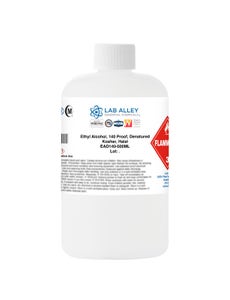
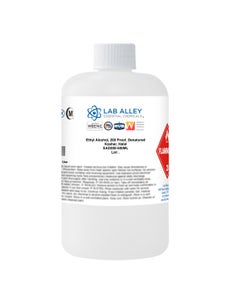
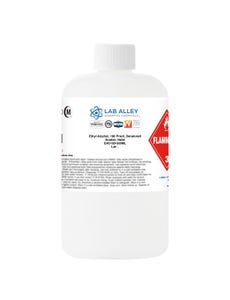
- Available concentrations include 140 proof (70%), 190 proof (95%), and 200 proof (100%) across multiple SDA formulations. All formulations are available with Kosher and Halal certifications, GMO-Free status, and documentation confirming no animal testing.
Pack Sizes & Bulk Availability
Reputable suppliers offer complete size ranges to accommodate operations from small laboratories to large-scale manufacturing facilities:
-
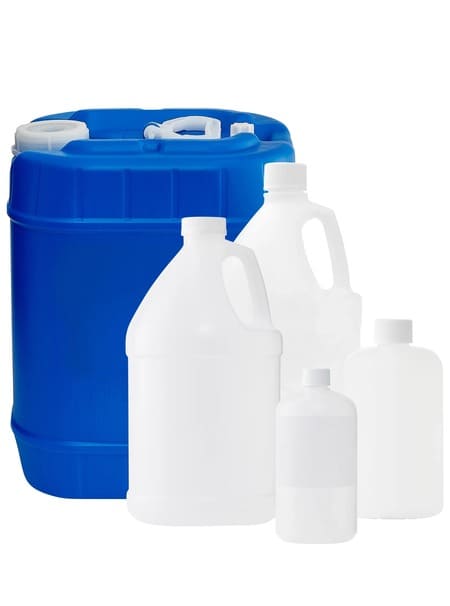
Laboratory Scale: Small containers (500mL, 1L, 4L bottles) for research laboratories and small-batch development
-
Commercial Scale: Mid-size containers (1 gallon, 4x1 gallon cases, 5 gallon pails) for small manufacturers and production operations
-
Industrial Scale: Bulk quantities (55-gallon drums, 270 gallon totes) for large manufacturing operations
-
Pallet Loads: Full pallet quantities for major industrial facilities and high-volume consumers
All products come packaged in industrial-grade containers with secure hazmat-compliant packaging that ensures product integrity during storage and transportation
Final Note
Denatured ethanol's combination of cost-effectiveness, excellent solvent properties, and tax-exempt status has made it an indispensable material across countless industries. From manufacturing chemicals and producing biofuels to formulating cosmetics and sanitizing facilities, this versatile alcohol delivers the performance that demanding applications require without the financial burden of beverage alcohol taxation.
The availability of specialized formulations like SDA 40B for cosmetics, SDA 3C for cleaning applications, and histological grades for laboratory work ensures that manufacturers can select the most appropriate type for their specific needs while maintaining regulatory compliance. As industries continue seeking cost-effective materials without compromising quality, denatured ethanol will remain a critical component in production operations worldwide.
For organizations considering denatured ethanol for their operations, working with experienced chemical suppliers who understand both technical specifications and regulatory requirements ensures successful implementation while maintaining safety and compliance standards across all application areas.
For more detailed guidance, explore our Resource Library.
Our Customer Care team is also available for more information and documentation, including chemical Safety Data Sheets.
Need Denatured Ethanol You Can Trust?
If you are looking for high-quality denatured ethanol for your lab, product line, or research facility, be sure to visit our store to explore our trusted selection and request a quote.
As your trusted partner in chemical supply, Lab Alley is always striving to meet the growing demands of our customers. We want you to be able to access all of your chemical needs in one place, along with streamlined online ordering and fast shipping.
Due to popular demand from our valued clientele, Lab Alley's denatured ethanol is available in a range of purities and packaging options to suit various commercial, laboratory, and personal needs.