





Ethanol Overview: Properties, Applications, Safety & Sourcing Guide
Ethanol, also known as ethyl alcohol, is a clear, colorless, volatile organic compound with the chemical formula C₂H₆O. You know this flammable liquid best as the alcohol in beer, wine, and spirits, but it serves far more roles than just producing Saturday night buzz.
Walk into any hospital, and you'll find ethanol being used to disinfect hands and surfaces. Drive past any gas station and ethanol is blended into nearly every gallon of gasoline sold. Step into research laboratories and ethanol sits on shelves as one of the most frequently used solvents.
What makes ethanol simultaneously so useful and so dangerous? The same volatility that makes it evaporate cleanly also creates fire hazards. The solvent properties that extract vanilla flavor also dissolve pharmaceutical compounds. The antimicrobial action that sanitizes hands also preserves certain foods. Every application balances the benefits of ethanol against its extreme flammability, which dominates all safety considerations.
Whether you're formulating hand sanitizer, extracting botanical compounds, blending fuel, or conducting laboratory research, knowing ethanol's properties and hazards prevents accidents while optimizing results. This guide walks through everything from basic chemistry to purchasing decisions, giving you practical information for working with this versatile but hazardous compound.
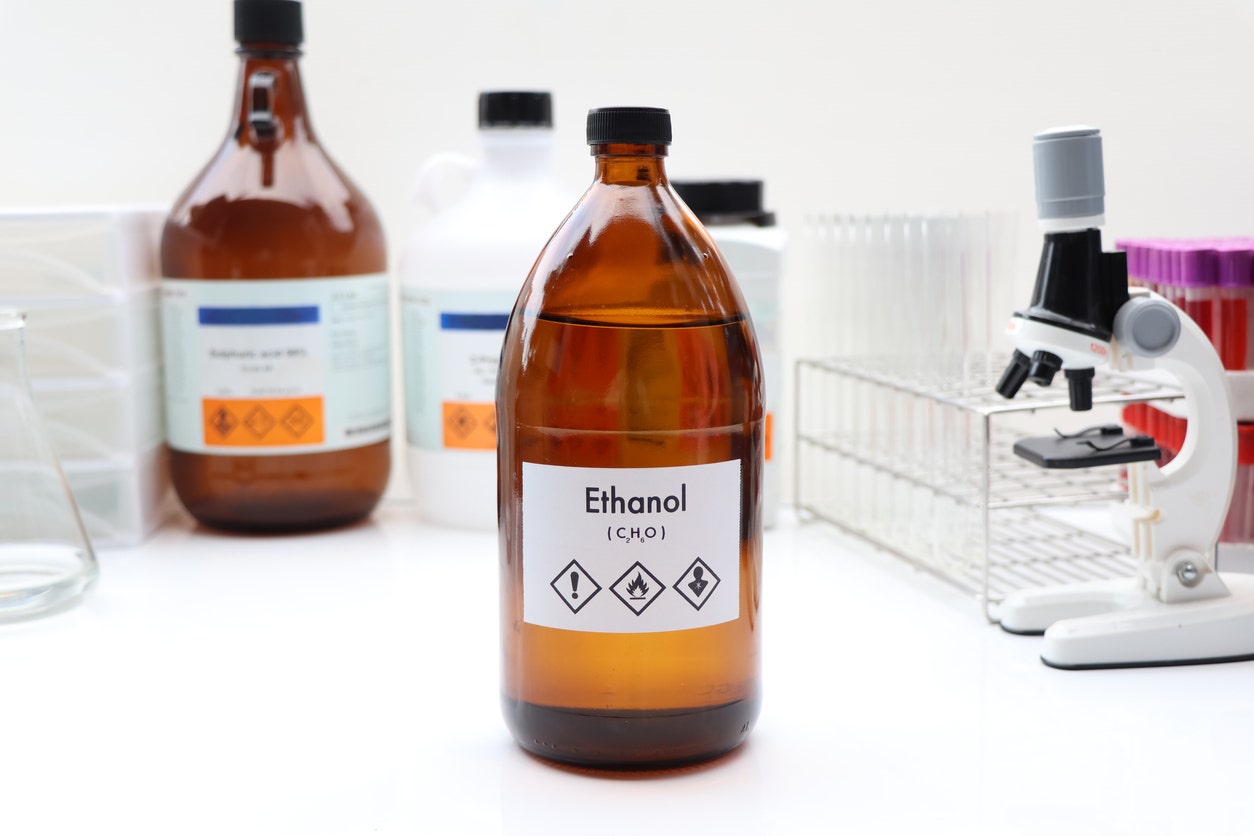
Properties of Ethanol
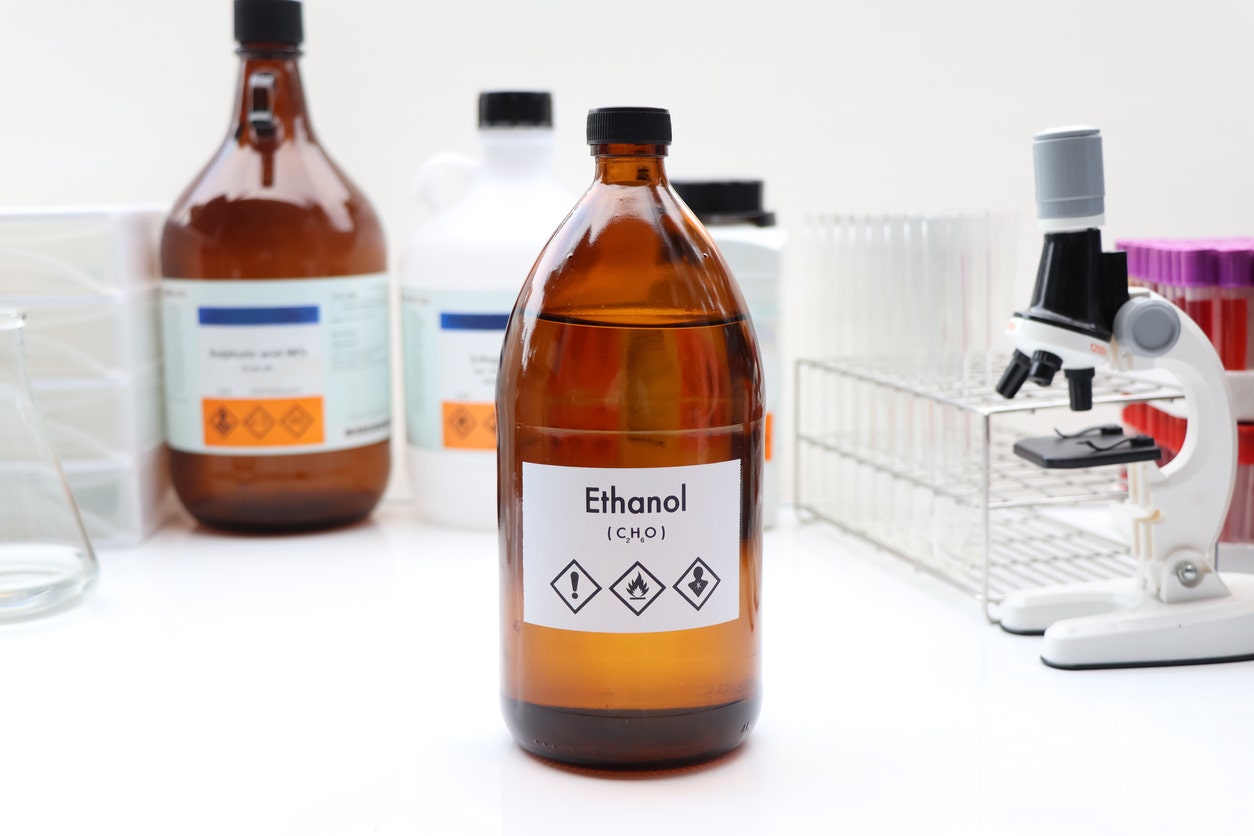
Chemistry determines capability. Ethanol's molecular structure creates the characteristics that make it valuable while demanding careful handling.
Key Facts About Ethanol
-
Compound Name: Ethanol
-
Synonyms: Ethyl alcohol, Grain alcohol, Absolute alcohol, Cologne spirit, EtOH, Spirits of wine, Denatured alcohol (when additives present), UN 1170
-
Chemical Formula: C₂H₆O (CH₃CH₂OH)
-
CAS Number: 64-17-5
-
Molar Mass: 46.07 g/mol
-
Appearance: Clear, colorless liquid with characteristic ethereal, vinous odor
Density Characteristics
At 20°C, ethanol weighs approximately 0.789 g/cm³, making it less dense than water. Spill ethanol onto water and it initially floats before mixing. This behavior affects emergency response since floating ethanol spreads fires across water surfaces rather than sinking safely below. Equipment designers account for this lower density when sizing pumps and calculating tank volumes.
Thermal Properties
Ethanol boils at 78.37°C (173.1°F), well below water's boiling point. This explains why ethanol evaporates so readily at room temperature. The melting point sits at -114.1°C (-173.5°F), keeping ethanol liquid even in arctic conditions.
Here's the critical number: 13°C (55°F) flash point. This temperature marks when ethanol vapors can ignite. Room temperature typically exceeds this threshold, meaning ethanol constantly releases flammable vapors. A spark too small to feel, static electricity from walking across carpet, or a hot light bulb can all ignite these vapors.
Ethanol and water create an azeotrope at 95.6% ethanol concentration. At this specific ratio, both compounds evaporate together at the same rate. Simple distillation cannot separate them further. Reaching higher purity requires specialized techniques like molecular sieve dehydration.
Ethanol is a widely used organic solvent and alcohol applied across food, beverage, pharmaceutical, cosmetic, laboratory, and industrial products. It supports extraction, sanitation, formulation, preservation, and chemical synthesis. Laboratories, manufacturers, and processors in the United States seeking high-purity ethanol can contact Lab Alley at 512-668-9918 to order the appropriate grade and concentration for specific operational needs.
Solubility and pH
Mix ethanol with water in any ratio and they blend completely. This unlimited miscibility simplifies formulation work. Most organic solvents also dissolve ethanol readily, providing flexibility for complex formulations. Fats and oils resist dissolving in ethanol, which helps when extracting compounds from natural materials.
Pure ethanol measures approximately pH 7.33, sitting near neutral. Unlike acids or bases, ethanol won't corrode metals through pH attack or irritate skin through extreme acidity or alkalinity. However, impurities or additives change pH, so always verify for applications where it matters.
Reactivity and Stability Considerations
Strong oxidizers react violently with ethanol. Hydrogen peroxide, nitric acid, and similar compounds produce exothermic reactions, generating heat that can ignite ethanol. Never store oxidizers near ethanol. Strong acids like sulfuric acid create dangerous situations, producing enough heat to ignite ethanol or cause violent boiling.
Air mixes with ethanol vapors to create explosive atmospheres between 3.3% and 19% vapor concentration. This wide, explosive range demands vigilance about vapor accumulation in poorly ventilated spaces.
Ethanol pulls moisture from the air through hygroscopic behavior. Open a bottle of absolute ethanol and watch the concentration drop as atmospheric water gets absorbed. High-purity grades need immediate resealing after each use.
Fire produces nearly invisible flames. Ethanol burns with pale blue flames barely visible in daylight. People have walked into ethanol fires without seeing flames until feeling heat. This invisibility makes ethanol fires exceptionally dangerous.
Stability under normal storage remains excellent. Unlike compounds that polymerize or decompose, ethanol sits unchanged for years when properly sealed.
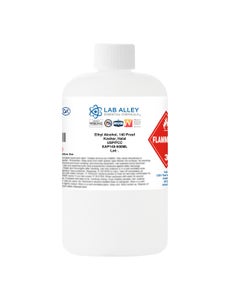
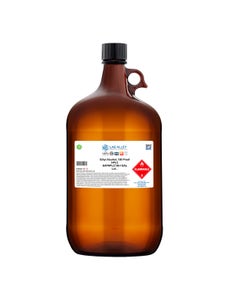
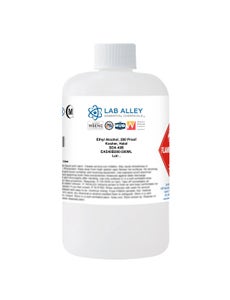
Ethanol sold by Lab Alley is available in Food, Pharmaceutical, Cosmetic, Technical, and High-Purity Analytical Grades, with concentrations ranging from 190 proof to 200 proof and container sizes spanning from small laboratory bottles to 55-gallon drums.
Applications & Benefits
Ethanol's versatility stems from being simultaneously a good solvent, an antimicrobial agent, a clean-burning fuel, and a regulatory-approved compound for food and pharmaceutical contact.
Food & Beverage Applications
Alcoholic beverages built entire industries around ethanol. Beer fermentation produces 4-6% ethanol, wine reaches 12-15%, and distilled spirits concentrate ethanol to 40% and higher. The beverage alcohol sector consumes enormous ethanol volumes while facing strict regulatory oversight.
Extraction applications pull flavor compounds from vanilla beans, herbs, spices, and botanical materials. High-proof ethanol dissolves aromatic molecules that water cannot touch. Vanilla extract wouldn't exist without ethanol. Flavor extracts ranging from almond to peppermint depend on ethanol for carrying compounds into countless food products.
Food coloring gets dispersed through ethanol, helping colors distribute uniformly. Processing aids use ethanol for various manufacturing steps. Preservation applications leverage antimicrobial properties, preventing microbial growth in certain specialty food products.
Medical & Pharmaceutical Applications
Antiseptics for surgical preparation use 70% ethanol, providing rapid kill of bacteria, viruses, and fungi. Surgeons scrub with ethanol-based antiseptics before procedures. Hand sanitizers containing 60-70% ethanol offer convenient antimicrobial action, with healthcare workers sanitizing hands dozens of times daily between patient contacts.
Pharmaceutical solvents dissolve active ingredients for liquid medications. Many oral medications use ethanol-carrying drugs that won't dissolve adequately in water alone. Injectable solutions sometimes incorporate small ethanol amounts improving drug solubility. Drug manufacturing uses ethanol throughout production processes for tablet granulation, controlling drug release rates, and serving as a process solvent during synthesis.
Industrial Applications
Transportation fuel dominates industrial ethanol consumption. Blending ethanol into gasoline creates E10 (10% ethanol) found at virtually every U.S. gas pump. E15 (15% ethanol) and E85 (51-83% ethanol) serve vehicles designed for higher ethanol content. This fuel use consumes billions of gallons annually.
Chemical manufacturing starts with ethanol, producing countless derivative chemicals. Paints, coatings, and inks dissolve pigments and resins in ethanol that evaporates cleanly, leaving solid films. Cleaning products, from glass cleaners to degreasers, incorporate ethanol because it dissolves oils and greases, then evaporates without residue.
Laboratory & Research Uses
General-purpose solvent applications make ethanol ubiquitous. It cleans glassware, dissolves samples, and participates in countless procedures. DNA precipitation uses cold ethanol to separate genetic material from the solution. Adding ethanol to DNA extracts causes nucleic acids to precipitate as visible white strands for purification.
Histology tissue processing moves samples through a graded ethanol series, dehydrating tissues before embedding in paraffin for microscopy. Chromatography mobile phases and equipment sterilization round out common laboratory applications.
Cosmetic & Personal Care
Perfumes dissolve fragrances and essential oils in ethanol that evaporates after application, leaving scent compounds on the skin. Cosmetic formulations from hair spray to setting spray use ethanol as a carrier solvent. Aftershaves and toners incorporate ethanol for antiseptic properties and astringent action. Personal care antiseptics include mouthwashes, first aid sprays, and cleansing products.
Fight Your Kidney Stone with This Natural Product Hack
Fight kidney stones. Discover how citric acid naturally prevents stone formation.
Is Lactic Acid Bad? A Look at the Health Science
Is lactic acid bad for you? Debunking myths and revealing its vital role in your body & beyond.
Hospitality Without Hitchhikers: Boric Acid’s Role in Bed Bug Prevention
Protect your hospitality business. Boric acid is key to preventing bed bug infestations.
Harnessing Silica Sulfuric Acid to Enhance Concrete Durability
Enhance concrete longevity. Silica sulfuric acid improves strength and chemical resistance.
Safety Information
Ethanol's extreme flammability overshadows all other hazards. While eye irritation, skin drying, and inhalation effects deserve attention, fire prevention must dominate safety thinking.
Health Hazards & Precautions
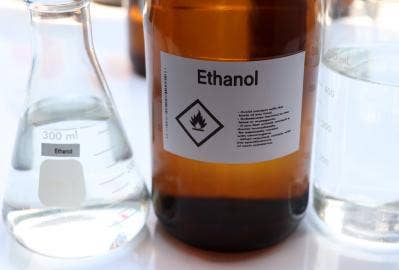
Flammability hazards stem from that 13°C (55°F) flash point. Standard room temperature exceeds this threshold. Ethanol constantly releases flammable vapors that drift seeking ignition sources. Class IB flammable liquid classification reflects serious fire risks requiring stringent controls.
Health effects from vapor inhalation include eye and respiratory tract irritation, headaches, dizziness, and drowsiness resembling alcohol intoxication. Skin contact causes drying and irritation with repeated exposure. Invisible flames make ethanol fires particularly treacherous, with pale blue flames barely visible in well-lit areas.
Vapor density exceeding air means ethanol vapors sink and accumulate in low areas like basements and floor drains, where ignition sources far from original containers can ignite accumulated vapors.
Personal Protection Requirements
Safety goggles protect eyes from liquid splashes. Nitrile gloves resist ethanol better than latex or vinyl alternatives. Lab coats or chemical-resistant aprons shield clothing and skin. Closed-toe shoes prevent ethanol spills from contacting feet. Respiratory protection with organic vapor cartridges becomes necessary when ventilation cannot control vapor levels.
Storage Guidelines
Cool, dry, well-ventilated storage areas minimize vapor generation. Approved flammable liquid storage cabinets provide critical fire protection. OSHA limits storage to 60 gallons per cabinet with three cabinets per fire area.
Tight container closures stop vapor release. Grounding and bonding during transfers prevent static electricity accumulation. Physical separation from oxidizers and strong acids prevents reactions from spills or container failures.
Emergency Procedures
Fire response demands alcohol-resistant foam extinguishers. Standard protein foam breaks down instantly on alcohol contact. CO₂ and dry chemical extinguishers also work. Water spray cools containers, preventing ruptures while containing fire spread.
Spill response starts with ignition source elimination. Shut off electrical equipment, remove hot objects, and prohibit sparks. Absorbent materials soak up spilled ethanol for disposal. Ventilation during cleanup prevents vapor accumulation reaching explosive concentrations.
Exposure first aid involves removing contaminated persons from vapor sources. Flush affected skin and eyes with water for at least 15 minutes. Remove contaminated clothing. Seek medical attention for persistent symptoms or significant ingestions.
Regulatory Overview
Ethanol faces multiple regulatory frameworks depending on use. Understanding which rules apply prevents violations.
OSHA Classification
NFPA Class IB flammable liquid and OSHA Category 2 flammable liquid designations trigger workplace safety requirements, including approved storage cabinets, proper labeling, fire protection systems, and worker training. Permissible exposure limit sits at 1000 ppm time-weighted average (1900 mg/m³). Workplace air monitoring ensures vapor concentrations stay below this threshold.
DOT Classification
UN 1170 identifies ethanol for shipping purposes. Hazard Class 3 designates flammable liquids, requiring specific packaging, marking, labeling, and placarding. Packing Group II reflects moderate danger among flammable liquids.
Environmental Considerations
Biodegradability makes ethanol environmentally favorable compared to persistent solvents. Microorganisms readily metabolize ethanol, breaking it down to carbon dioxide and water. Low environmental persistence means ethanol doesn't bioaccumulate or contaminate groundwater long-term. Aquatic toxicity becomes significant only at high concentrations.
How to Safely Dispose of Sulfuric Acid
Sulfuric acid is one of the most common acidifying reagents and sulfur sources, essential across multiple industries. At the same time, it is also a toxic and highly hazardous chemical reagent, requiring safe handling and disposal by trained personnel.
How To Use Nitric Acid Safely
Nitric acid is a corrosive chemical and harmful to humans. Its contact with skin and eyes can cause serious burns. Affected skin will require flushing with soap and lukewarm water for at least 30 minutes.
Acetone Safety: Proper Storage and Disposal Methods
Acetone is a staple chemical solvent in most laboratories. It is also perhaps one of the most recognizable chemicals to the layperson, best known as the pungent solvent comprising nail polish remover.
How to Use Potassium Iodide Safely and Where to Buy it Online
Potassium Iodide Powder, also known as Potassium Salt of Hydriodic Acid, Iodic Acid Potassium Salt, Potassium Monoiodide, and Knollide, has the chemical formula KI. It appears as a white crystalline powder, odorless, and is soluble in water at ambient conditions.
Medicinal Oils Derived From Plants
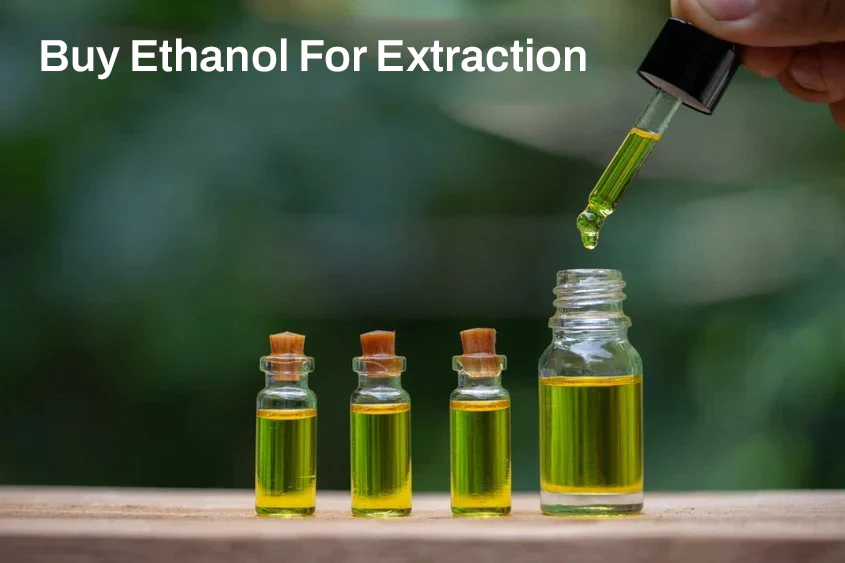
You can order food-grade ethanol, extraction-grade ethanol, ACS-grade ethanol, FCC-grade ethanol, USP grade ethanol, HPLC-grade ethanol and kosher ethanol from Lab Alley. Perform ethanol (EtOH) extraction at ultra-low temperatures for the best yields.
Ethanol extraction is a cost-effective way to use ethanol as an industrial solvent to produce high-quality botanical extracts from large volumes of medicinal herbs or plants.
Ethanol Grades and Pack Sizes
Suppliers stock diverse ethanol grades and package sizes matching varied application needs.
Available Grades & Purities
-
Absolute ethanol (200 proof) contains 99.5-100% ethyl alcohol with essentially zero water. Applications requiring anhydrous conditions, like certain pharmaceutical preparations or chemical synthesis, need absolute ethanol despite the higher cost.
-
190 proof ethanol (95%) represents the azeotropic mixture obtainable through distillation. This concentration suits most applications at a lower cost than absolute grades, with the small water content tolerable for food extraction, general laboratory work, and many pharmaceutical uses.
-
Denatured ethanol formulations add substances, making ethanol unfit for consumption, avoiding beverage taxes. SDA 3A contains methanol denaturant. SDA 3C uses isopropanol. Various other formulations serve specific industrial purposes, with permits required for purchasing and using SDA.
-
Pharmaceutical grade (USP) meets United States Pharmacopeia purity standards for medical and pharmaceutical applications. Maximum impurities are limited to 0.5% by weight. Rigorous testing and extensive documentation support regulatory compliance.
-
Food grade (FCC) conforms to Food Chemicals Codex specifications for food and beverage uses. GRAS certification confirms consumption safety. Using non-food-grade ingredients in food products violates regulations and creates health hazards.
-
Industrial grade provides economical options for manufacturing, fuel blending, and cleaning where pharmaceutical or food purity isn't required. Slightly higher impurity levels (up to 1% by weight) don't affect most industrial applications. This grade meets ASTM and EPA requirements for fuel and industrial applications.
-
Laboratory grades ranging from reagent to analytical purity serve research needing consistent quality with certificates of analysis documenting exact specifications.
Pack Sizes & Bulk Availability
Small containers (500ml, 1L, 4L) suit laboratories and low-volume users. Medium containers (5 gallons, 20L) serve regular users and small manufacturing operations. Bulk quantities (55 gallons, 270 gallons, tank trucks) accommodate high-volume industrial users, fuel distributors, and large manufacturers.
Common concentrations include 70% for disinfection applications, 95% for general use, and 99%+ for anhydrous applications.
Regulatory Requirements
Permit requirements apply to some ethanol grades. Beverage alcohol requires TTB permits for production and distribution. Specially denatured alcohol requires permits for purchase and use. Industrial use permits allow qualified facilities tax-free access to undenatured ethanol.
Excise tax applies to non-denatured ethanol at $13.50 per proof gallon unless exemptions apply. This substantial tax makes denatured alcohol economically attractive when denaturants don't interfere with applications. Age restrictions (21+) govern non-denatured ethanol purchases, preventing diversion to underage drinking.