




How to Safely Dispose of Specially Denatured Ethanol: Environmental and Safety Guidelines
Properly disposing of specially denatured ethanol is essential for environmental protection, worker safety, and regulatory compliance. This modified alcohol product is used extensively in laboratories, industrial manufacturing, pharmaceutical production, cleaning formulations, and specialty applications, making proper disposal knowledge critical for professionals across diverse sectors.
Specially denatured ethanol disposal presents significant challenges because of its extreme flammability, toxic denaturant additives, and complex regulatory classification as hazardous waste. Understanding correct disposal methods protects workers from fire hazards and chemical exposure risks while maintaining compliance with strict federal and state requirements.
This guide explores specially denatured ethanol disposal fundamentals, covering regulatory considerations, fire safety protocols, denaturant-specific concerns, and disposal pathways suited for different formulations and application settings.


In this article, we’ll review:
1. Why Proper Disposal Matters
2. How to Dispose of Specially Denatured Ethanol
3. Special Considerations for Specially Denatured Ethanol
Why Proper Disposal Matters
Specially denatured ethanol disposal has serious consequences that extend beyond standard waste management. Recognizing these impacts helps explain why environmental agencies and facilities have established specific guidelines for handling this flammable, modified solvent.
Environmental Protection
Environmental damage from specially denatured ethanol occurs when disposal methods ignore how the compound and its toxic additives behave in natural systems:
-
While ethanol itself degrades readily in nature, specially denatured ethanol contains toxic denaturants such as methanol, isopropanol, gasoline, or denatonium benzoate that can contaminate water sources and persist in the environment long after the ethanol has broken down.
-
These denaturants harm aquatic ecosystems, affecting fish, algae, and wildlife. Methanol is particularly toxic to aquatic organisms, while petroleum-based denaturants can create oil films on water surfaces.
-
Large releases cause oxygen depletion in water systems as microorganisms rapidly consume the ethanol component, potentially creating dead zones that kill fish and other aquatic creatures.
-
Proper disposal prevents environmental contamination and supports responsible chemical management that protects ecosystem health from both the solvent and its toxic additives.
Health & Safety
Human health and safety concerns make specially denatured ethanol disposal a critical workplace priority:
-
Specially denatured ethanol is extremely flammable as a liquid and vapor, with a flashpoint around 14 to 17°C (57 to 62°F), creating severe fire and explosion dangers during handling and disposal operations.
-
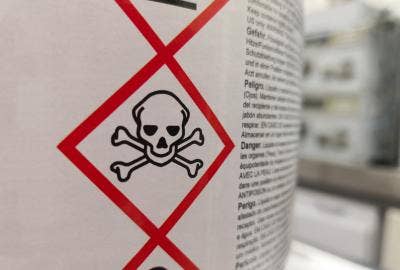
The toxic denaturants present additional poisoning risks. Methanol can cause blindness and death if ingested, while other denaturants produce specific toxicity profiles requiring careful handling.
-
Inhaling vapors may cause respiratory irritation, drowsiness, dizziness, headaches, and with high concentrations, respiratory depression. The denaturants often produce more severe respiratory effects than ethanol alone.
-
The compound causes serious eye irritation and potential corneal damage. Prolonged skin contact results in drying, irritation, and absorption through the skin that can lead to systemic effects.
-
Workers handling specially denatured ethanol for disposal face hazards from fire, vapor inhalation, chemical splashes, and spills. Implementing correct disposal procedures with appropriate protective equipment is critical for preventing exposure incidents.
Legal Compliance
The regulatory framework surrounding specially denatured ethanol disposal creates enforceable obligations:
-
Specially denatured ethanol is classified as D001 ignitable hazardous waste under the Resource Conservation and Recovery Act (RCRA) when discarded, requiring collection through licensed hazardous waste disposal programs.
-
Formulas containing methanol may also be classified as U154 toxic waste, creating mixed hazardous waste requiring stricter disposal protocols.
-
The Alcohol and Tobacco Tax and Trade Bureau (TTB) regulates specially denatured alcohol under federal law, adding another regulatory layer beyond EPA requirements.
-
As a flammable liquid, specially denatured ethanol cannot enter public sewer systems under the Clean Water Act due to fire and explosion hazards.
-
Transporting specially denatured ethanol waste is regulated as UN1170 ETHANOL SOLUTION, Hazard Class 3, Packing Group II, requiring proper documentation, placarding, and labeling.
-
Violations bring substantial penalties, including fines, corrective action orders, and potential criminal liability.
How to Dispose of Specially Denatured Ethanol
Effective, specially denatured ethanol disposal begins with understanding your specific waste characteristics and matching them to appropriate disposal methods while meeting regulatory requirements.
Check Applicable Regulations
Regulatory compliance research forms the foundation of any successful disposal plan.
Review EPA hazardous waste regulations under RCRA, as specially denatured ethanol is typically classified as D001 ignitable waste at a minimum. Verify whether your specific formula contains denaturants that trigger additional waste codes, particularly methanol (U154 toxic waste).
Examine state and local hazardous waste regulations for ignitable wastes and mixed hazardous wastes. Storage duration limits, labeling requirements, and disposal timing restrictions may vary between jurisdictions.
Check if your facility requires an EPA identification number for hazardous waste generators. Consult TTB regulations for specially denatured alcohol if your operations involve bulk quantities or TTB permits.
Determine your generator status based on monthly hazardous waste generation. Conditionally exempt small quantity generators (less than 100 kg/month) face fewer requirements than small quantity generators (100 to 1,000 kg/month) or large quantity generators (over 1,000 kg/month).
Review transportation requirements, as specially denatured ethanol solutions are regulated as UN1170 ETHANOL SOLUTION, Hazard Class 3, Packing Group II.
Never Pour Down Drains
Drain disposal of specially denatured ethanol is explicitly prohibited:
-
Specially denatured ethanol is classified as ignitable hazardous waste that cannot be discharged to sanitary sewer systems. The Clean Water Act prohibits the discharge of hazardous substances to municipal sewer systems.
-
Toxic denaturants are not removed by standard wastewater treatment processes.
-
The extreme flammability creates fire and explosion hazards in sewer collection systems. Vapors can accumulate in sewer lines, manholes, and lift stations, creating explosive atmospheres.
-
Even significant dilution does not eliminate the hazardous characteristics. Federal regulations explicitly prohibit dilution as a treatment method to avoid hazardous waste classification.
-
Violations can result in substantial fines from both the EPA and local sewer authorities.
Use Designated Waste Disposal Methods
Proper disposal pathways depend on waste quantity, denaturant formula, and regulatory classification.
Small Quantities (Laboratories and Small Businesses): Collect specially denatured ethanol waste in approved flammable-rated containers made from compatible materials such as HDPE or glass. Label containers clearly with contents, the specific SDA formula number if known, hazard warnings, and the accumulation start date.
Store labeled waste containers in approved flammable storage cabinets in cool, dry, well-ventilated areas away from ignition sources. Arrange pickup through licensed hazardous waste disposal contractors.
Industrial Quantities: Large-scale operations should establish relationships with bulk hazardous waste collection services. Maintain detailed waste manifests using the Uniform Hazardous Waste Manifest. Keep disposal records for a minimum of three years.
Consider recycling or reclamation programs at TTB-permitted facilities. Specially denatured ethanol may qualify for fuel blending programs, solvent recovery operations, or energy recovery. Follow Department of Transportation regulations for all waste shipments.
Laboratory and Institutional Waste: Collect specially denatured ethanol through institutional hazardous waste programs managed by environmental health and safety departments. Use provided waste containers, label with waste type and chemical composition, maintain chemical waste logs, and follow institutional protocols.
Understanding Fire and Safety Hazards
Never mix specially denatured ethanol with strong oxidizing agents, including permanganates, peroxides, nitrates, chlorates, or chromium compounds. These combinations can cause violent reactions, spontaneous ignition, or explosive decomposition.
Avoid contact with strong acids, particularly nitric acid. Keep specially denatured ethanol separate from bleach and other chlorine-releasing compounds. Store waste containers with adequate separation from incompatible materials.
Never Mix Chemicals
Never mix specially denatured ethanol with strong oxidizing agents, including permanganates, peroxides, nitrates, chlorates, or chromium compounds. These combinations can cause violent reactions, spontaneous ignition, or explosive decomposition.
Avoid contact with strong acids, particularly nitric acid. Keep specially denatured ethanol separate from bleach and other chlorine-releasing compounds. Store waste containers with adequate separation from incompatible materials.
Follow Enhanced PPE Guidelines
Worker protection during specially denatured ethanol disposal requires appropriate personal protective equipment:
-
Always wear chemical-resistant gloves (nitrile or neoprene) when handling specially denatured ethanol for disposal.
-
Use safety goggles or full face shields to protect eyes from splashes.
-
Wear flame-resistant protective clothing or laboratory coats. Avoid synthetic fabrics that can melt when exposed to flames.
-
Ensure adequate ventilation when transferring or handling waste to prevent vapor accumulation.
-
Have eyewash stations and safety showers available within 10 seconds of work areas.
-
Keep all sources of ignition away, including open flames, smoking materials, hot surfaces, and sparking electrical equipment.
-
Use explosion-proof electrical equipment in areas where flammable vapors may occur.
-
Use non-sparking tools when handling waste containers.
Special Considerations for Specially Denatured Ethanol
Specially denatured ethanol creates unique disposal considerations based on its complex regulatory status and toxic denaturant additives.
Formula-Specific Requirements
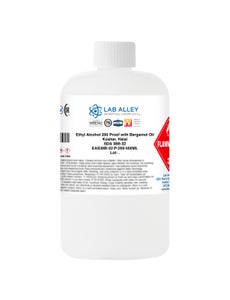
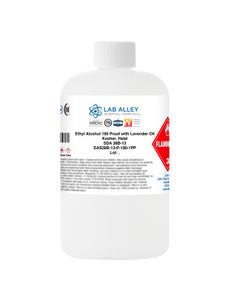
Different specially denatured alcohol formulas contain different denaturants that significantly affect hazard classification and disposal requirements. The TTB approves over 30 different formulas.
SDA Formula 3-A contains methanol at 5% by volume, making waste subject to both D001 (ignitable) and U154 (toxic) hazard codes. This dual classification requires disposal as mixed hazardous waste.
SDA Formula 30 contains methanol at 9 to 10% by volume, creating similar mixed hazardous waste concerns. SDA Formula 40-B contains either tert-butyl alcohol or denatonium benzoate, which are less toxic than methanol.
Always verify the specific SDA formula designation from product labels or safety data sheets. Communicate complete formulation information to waste disposal contractors.
Laboratory and Research Settings
Universities and research institutions classify specially denatured ethanol as hazardous waste requiring collection through environmental health and safety programs regardless of quantity.
Academic institutions typically provide dedicated laboratory chemical waste collection programs with regular pickup schedules and pre-labeled containers. Satellite accumulation areas in laboratories allow temporary waste storage in containers up to 55 gallons, provided containers are properly labeled and kept closed except when adding waste.
Industrial Applications and Recycling Options
Large-scale industrial operations may generate substantial waste volumes that qualify for beneficial recycling or recovery options.
Spent specially denatured ethanol used in extraction, purification, or cleaning processes may be classified as F003 spent solvent waste in addition to D001 ignitable waste. Some operations can arrange for off-site recovery at TTB-permitted reclamation facilities.
Recycling exemptions under EPA regulations may apply when specially denatured ethanol is legitimately reclaimed. Fuel blending programs accept some specially denatured ethanol formulations for addition to gasoline.
Household Quantities and Consumer Products
Even small quantities of specially denatured ethanol from household workshops or consumer products cannot be disposed of through regular trash or down drains.
Household hazardous waste collection programs operated by counties or municipalities accept specially denatured ethanol from residential sources. These programs typically operate collection events or permanent drop-off facilities. Never pour small quantities down drains, into storm sewers, or onto the ground.
Emergency Spills and Response
Specially denatured ethanol spills create immediate fire hazards requiring rapid response.
Eliminate all ignition sources immediately, including electrical equipment, open flames, and smoking materials. Evacuate non-essential personnel from the spill area.
Contain spills using non-combustible absorbent materials such as vermiculite, dry sand, or commercial spill pads designed for flammable liquids. Never use sawdust or other combustible absorbents.
Ensure adequate ventilation in spill areas, as ethanol vapors accumulate in low areas. Collect absorbed material in suitable flammable waste containers. Never attempt to wash spills into drains.
Transportation Classification and Documentation
Specially denatured ethanol waste requires proper classification and documentation for all off-site transportation.
The Department of Transportation regulates specially denatured ethanol as UN1170 ETHANOL SOLUTION, Hazard Class 3, Packing Group II. Containers must display proper hazard labels. Shipping papers must include the proper shipping name, hazard class, UN number, and packing group.
The Uniform Hazardous Waste Manifest tracks waste from generation through final disposal. Generators must complete all required sections and retain signed copies for three years.
Documentation and Recordkeeping Requirements
Maintaining comprehensive records demonstrates regulatory compliance and provides documentation for inspections.
Keep copies of all hazardous waste manifests for a minimum of three years. Retain disposal certificates confirming proper waste handling. Maintain waste generation records, including quantities, compositions, and accumulation dates.
Document employee training in hazardous waste management. Keep safety data sheets for all specially denatured ethanol formulas used at your facility.
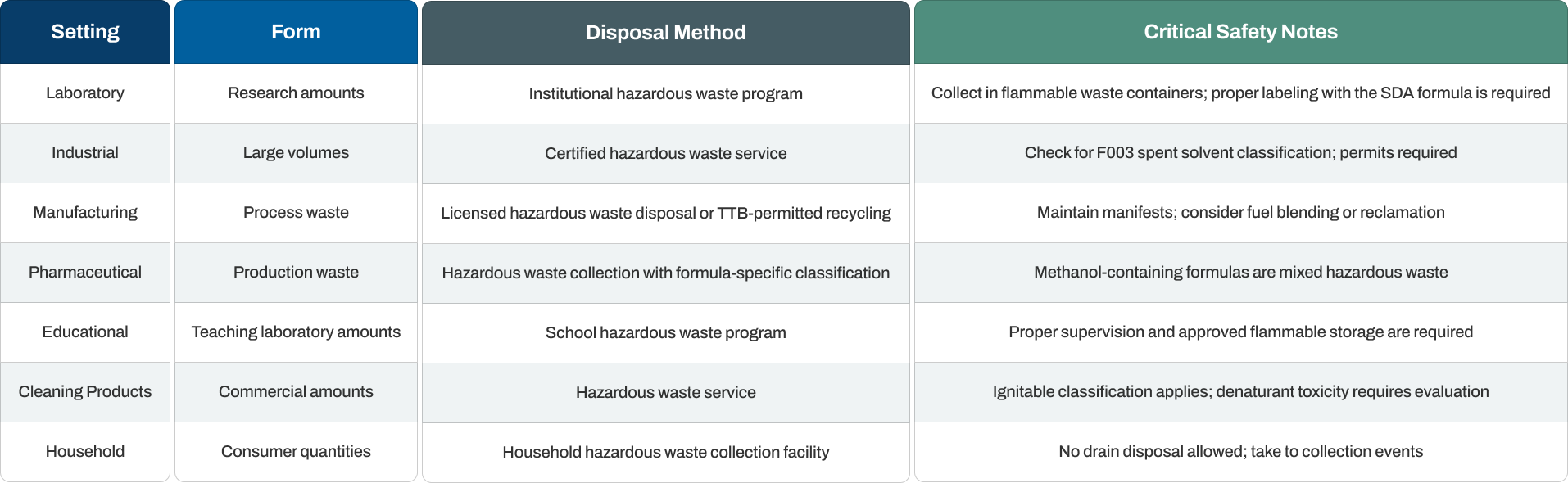
Quick Reference: Disposal Methods and Safety Requirements
Final Note
Specially denatured ethanol's classification as ignitable hazardous waste, combined with toxic denaturant concerns, requires strict disposal protocols regardless of application, quantity, or concentration. Understanding federal RCRA requirements, TTB regulations where applicable, using proper fire safety procedures, and maintaining appropriate protective equipment promote compliant, safe disposal operations.
For safe, regulatory-compliant disposal of specially denatured ethanol and expert guidance on formula-specific requirements, contact licensed hazardous waste management companies. Always consult current Safety Data Sheets (SDS) for specific handling and disposal information related to your particular SDA formula, and follow all applicable federal, state, and local regulations for hazardous waste management.
When uncertain about disposal procedures, consult environmental health professionals or hazardous waste disposal specialists for guidance specific to your denaturant formula, concentration, volume, and jurisdiction.
For more detailed guidance, explore our Resource Library
Our Customer Care team is also available for more information and documentation, including chemical Safety Data Sheets.
Need Specially Denatured Ethanol You Can Trust?
If you are looking for high-quality, specially denatured ethanol for your lab, product line, or research facility, be sure to visit our store to explore our trusted selection and request a quote.
As your trusted partner in chemical supply, Lab Alley is always striving to meet the growing demands of our customers. We want you to be able to access all of your chemical needs in one place, along with streamlined online ordering and fast shipping.
Due to popular demand from our valued clientele, Lab Alley's specially denatured ethanol is available in a range of purities and packaging options to suit various commercial, laboratory, and personal needs.