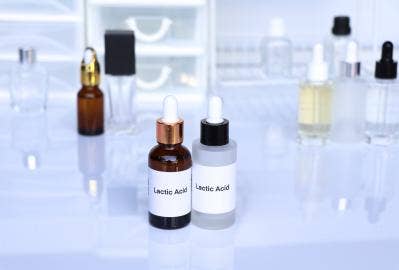






How to Store Lactic Acid: Best Practices for Safety and Quality
Lactic acid is a relatively stable organic acid that requires proper storage practices to maintain its quality, prevent contamination, and ensure safe handling. While generally more stable than many chemicals, improper storage may lead to concentration changes, microbial contamination, or container degradation that compromises product effectiveness.
Storing lactic acid correctly preserves the chemical properties that make this compound valuable across food processing, cosmetic manufacturing, and industrial applications. The compound's biodegradable nature and GRAS status offer advantages over many industrial chemicals, yet concentrated solutions still demand careful attention to storage conditions and safety practices.
Storage requirements vary depending on the grade and intended use. Food processing facilities must prevent contamination, cosmetic manufacturers need to maintain purity, and laboratory settings require proper labeling and segregation. Understanding these requirements helps ensure storage practices meet both safety needs and regulatory standards.


In this article, we’ll examine
-
Recommended Storage Conditions
-
Container & Packaging Requirements
-
Segregation & Compatibility
-
Safe Handling in Storage Areas
-
Regulatory Compliance & Labeling
Recommended Storage Conditions
Getting the storage environment right makes the difference between maintaining product quality and dealing with degraded material. Environmental factors directly affect lactic acid stability and shelf life.
Temperature Control
Store lactic acid at stable, cool temperatures between 15-25°C (59-77°F) to maintain optimal stability and prevent polymerization reactions. Temperatures exceeding 30°C can trigger molecular changes where lactic acid molecules link together, forming lactide or longer chains that alter the solution's properties.
Consistent temperature matters as much as the actual range. Wild swings cause containers to expand and contract, potentially breaking seals and allowing moisture or contaminants inside. Storage areas near loading docks, exterior walls, or poorly insulated spaces often experience these fluctuations.
Heat accelerates chemical reactions that degrade product quality over time. Even if the temperature stays within acceptable limits, choosing the cooler end of the range extends shelf life and reduces the risk of unwanted changes.
Humidity Control
Use appropriate containers with tight seals to prevent evaporation and concentration changes. When water evaporates from lactic acid solutions, the concentration increases. This shift can take a 50% solution up to 60% or higher, affecting applications that require specific acid strengths.
Protect from excessive moisture that could dilute solutions, particularly concentrated formulations. While lactic acid doesn't pull water from the air as aggressively as some salts, humid conditions combined with imperfect seals allow moisture infiltration over months of storage.
Facilities in coastal areas or tropical climates face ongoing humidity challenges. Regular checks of storage areas and container seals help catch moisture problems before they compromise entire batches.
Light Exposure
Store the lactic acid away from direct sunlight in opaque containers or dark storage areas to prevent gradual degradation and discoloration. Sunlight contains ultraviolet radiation that breaks chemical bonds, slowly converting clear lactic acid into yellowish or amber-colored solutions.
This color change signals more than cosmetic damage. The chemical alterations that produce discoloration also affect how the acid performs in formulations. Cosmetic manufacturers find discolored acid unacceptable, and even industrial users notice reduced effectiveness.
Opaque containers provide the best protection, but clear containers work fine when stored in dark areas. Simple measures like closing cabinet doors or using storage rooms without windows prevent most light-related degradation.
Ventilation
Ensure adequate ventilation in storage areas to manage vapors from concentrated solutions and maintain a safe working environment. Concentrated lactic acid releases some vapor, especially at warmer temperatures. While less aggressive than mineral acids, these vapors can irritate respiratory passages in poorly ventilated spaces.
Good air circulation also helps control temperature by preventing heat buildup. Stagnant air in enclosed storage areas can create hot spots that accelerate degradation even when the general room temperature stays acceptable.
Balance ventilation needs against contamination risks. Strong drafts can introduce dust, moisture, or other contaminants. Gentle air movement provides the benefits without the drawbacks.
Storage Duration
Monitor storage time and check for signs of crystallization, discoloration, or container degradation. Most grades maintain quality for 2-5+ years under proper conditions, but this assumes everything stays optimal throughout that period.
Regular inspections catch problems early. A monthly walk-through of storage areas takes minimal time but can identify issues such as leaking containers, temperature fluctuations, and early signs of product degradation.
Rotate inventory using the first-in, first-out (FIFO) method. Older material gets used before newer shipments, preventing situations where batches sit until they approach or exceed expiration dates. This approach also reveals storage problems faster since material doesn't linger long enough to hide issues.
Container & Packaging Requirements
Container selection affects how well lactic acid maintains its quality over time. The right materials resist acid attack while keeping air and moisture out.
Material Compatibility
Use containers made from glass, high-density polyethylene (HDPE), or stainless steel. Glass provides excellent resistance to acid attack and doesn't react with lactic acid at any concentration. Amber or opaque glass adds light protection to the chemical resistance.
HDPE works well for most applications, especially larger volumes where glass weight becomes impractical. This plastic resists lactic acid corrosion and handles the physical demands of industrial environments better than glass.
Avoid aluminum and zinc, which may react with acid over time. These metals corrode when exposed to organic acids, contaminating the product with metal ions and weakening containers until they leak or fail. Even brief contact during transfers can introduce contamination.
Stainless steel tanks serve bulk storage needs in industrial facilities. Type 316 stainless steel offers better acid resistance than Type 304, though both work for lactic acid. Proper venting prevents pressure buildup, and temperature control systems maintain optimal conditions for large volumes.
Sealing Systems
Containers should have tight-fitting, chemically-resistant caps or lids. The seal quality determines how well containers prevent evaporation. A loose cap on a gallon container can allow significant evaporation over months, changing the concentration enough to affect downstream processes.
Use containers specifically designed for the storage of organic acids. Generic containers may have seals or liners that deteriorate when exposed to acids. Acid-specific containers feature materials engineered to resist chemical attack.
Check seal integrity regularly, especially on containers opened frequently. Repeated opening and closing wear seals over time. Replace caps showing signs of deterioration before leaks develop.
Container Inspection
Inspect containers regularly for signs of degradation, cracking, or chemical attack, especially plastic containers exposed to concentrated solutions. HDPE can become brittle with age and exposure to acids. Cracks often start small but grow until containers fail.
Look for discoloration, warping, or surface changes that indicate chemical attack. White stress marks on plastic containers signal material fatigue. Swelling or distortion means the container material isn't compatible with the contents.
Replace damaged containers immediately. The cost of a new container is trivial compared to the expense and hazards of a major spill from a failed container. Transfer contents to sound containers and dispose of damaged ones properly.
Labeling Standards
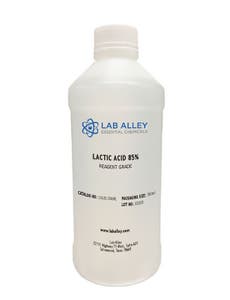
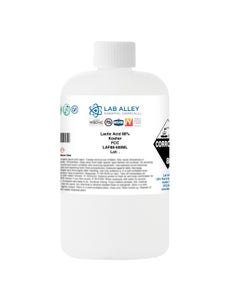
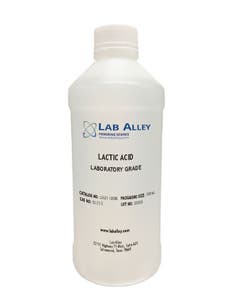
Clearly label containers with chemical name, concentration, hazard symbols, handling instructions, and batch or expiration dates. Complete labeling provides essential information for safe handling. Workers need to know what they're handling, how strong it is, and what precautions to take.
Use weather-resistant labels that stay legible throughout the storage period. Handwritten labels fade quickly. Printed labels with good ink and adhesive remain readable for years.
Include concentration information prominently since handling requirements differ between dilute food-grade solutions and concentrated industrial formulations. A 10% solution needs different precautions than an 88% material.
Segregation & Compatibility
Chemical compatibility determines how closely different materials can be stored. Proper segregation prevents reactions that could injure workers or damage facilities.
Incompatible Materials
Avoid storing near strong bases like sodium hydroxide or calcium hydroxide. Accidental mixing of acids and strong bases creates violent exothermic reactions. The heat generated can boil solutions, spray caustic materials, or even ignite combustible materials nearby.
Keep separate from oxidizing agents. Strong oxidizers can react with organic compounds, including lactic acid. While not as dramatic as acid-base reactions, these interactions still create hazards.
Store away from carbonates and bicarbonates, which can react to produce CO₂ gas and cause pressure buildup. The reaction between lactic acid and sodium bicarbonate generates carbon dioxide. In sealed containers, this gas creates pressure that can rupture containers or blow lids off.
Separation Requirements
Keep separate from materials that could introduce contamination, such as organic solvents or reactive compounds. Cross-contamination ruins product purity. Even vapors from nearby chemicals can affect lactic acid quality in applications requiring high purity.
Maintain separation from food products unless using food-grade lactic acid in appropriate food processing facilities. Storing chemicals near food creates contamination risks even with food-grade materials. Concentrated chemical solutions don't belong near items meant for consumption.
Organize storage areas by chemical compatibility groups and acid concentration levels to prevent accidental mixing. Group all acids together, away from bases. Within the acid section, separate organic acids from mineral acids based on concentration and specific hazards.
Storage Organization
Arrange storage to minimize the risk of accidental mixing. Use physical separation, such as separate cabinets or rooms, for incompatible materials. When space limits options, maximize the distance between incompatible chemicals.
Post clear signage indicating what materials belong in each area. Color coding helps workers quickly identify proper storage locations and incompatibilities. Red for acids, blue for bases, creates intuitive visual cues that reduce mistakes.
Implement procedures that prevent putting materials in the wrong locations. Regular audits of storage areas catch misplaced items before accidents occur. A monthly review takes little time but prevents serious incidents.
Safe Handling in Storage Areas
Handling practices protect workers while maintaining product quality. Even routine operations create exposure risks that proper procedures minimize.
Personal Protective Equipment (PPE)
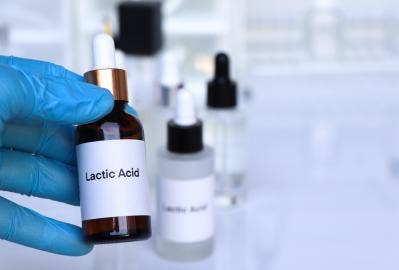
Personnel should wear appropriate PPE, including chemical-resistant gloves made from nitrile or neoprene, safety goggles, and protective clothing when handling concentrated solutions. Nitrile gloves resist acid penetration better than latex, which can deteriorate with repeated acid exposure.
Safety goggles with side shields protect eyes from splashes. Regular glasses don't provide adequate protection since liquids can splash around the frames. Goggles create a seal that keeps acid away from the eyes.
Protective clothing, like lab coats or chemical-resistant aprons, shields skin and personal clothing from contact. Long sleeves and pants provide more protection than short sleeves. Closed-toe shoes prevent acid from contacting the feet during spills
Transfer Procedures
Use careful transfer methods with proper equipment to avoid spills and prevent skin contact with concentrated acid. Pour slowly and steadily to minimize splashing. Rushing transfers increases accident risks without saving meaningful time.
Keep containers close together during transfers. Carrying acid across long distances or over obstacles increases spill chances. Set up transfer operations so materials move minimal distances.
Use funnels, pumps, or other transfer aids appropriate for the volume and container types. Trying to pour from a large container into a small opening without a funnel almost guarantees spills. Simple tools prevent most transfer accidents.
Emergency Equipment
Maintain spill containment materials, including sodium bicarbonate for neutralization and absorbent materials for cleanup. Size spill kits to handle the largest container stored in the area. Having enough absorbent material to handle realistic spill sizes allows effective response.
Provide emergency eyewash stations and safety showers when working with concentrated lactic acid solutions. Eye exposures require immediate flushing to prevent serious injury. Delaying treatment while someone searches for an eyewash station allows acid to cause more damage.
Train staff on proper handling procedures, emergency response, and first aid measures for acid contact. Workers need to know what to do before accidents happen. Trying to learn procedures during an emergency wastes critical time and often leads to mistakes.
Regulatory Compliance & Labeling
Regulations governing chemical storage protect workers and the environment. Compliance requirements vary by location and application type.
Hazard Communication
Follow GHS guidelines for hazard communication and workplace labeling, particularly for concentrated solutions that can cause burns. GHS standardizes how chemical hazards are communicated worldwide. Using these standards ensures everyone understands the risks regardless of language or location.
Comply with FDA regulations for food-grade lactic acid storage in food processing facilities. Food-grade materials require stricter contamination controls than industrial chemicals. Storage areas must meet cleanliness standards, and containers must be food-safe.
Adhere to local wastewater discharge regulations if storing large quantities that could affect drainage systems. Spills of concentrated acid into drains can temporarily overwhelm treatment plant capacity or violate pH discharge limits.
Industry-Specific Standards
For pharmaceutical and cosmetic grades, follow Good Manufacturing Practice (GMP) requirements for storage and handling. GMP standards ensure product purity and traceability. Documentation requirements track materials from receipt through use, providing accountability throughout manufacturing.
Maintain current Safety Data Sheets (SDS) and ensure documentation reflects the specific grade and concentration being stored. SDSs provide essential safety information. Having current versions accessible to workers satisfies regulatory requirements and supports safe operations.
Special Considerations for Lactic Acid
Lactic acid's unique properties create specific storage considerations that differ from other industrial acids.
Food Grade Storage
Food-grade lactic acid must be stored in food-safe containers and facilities that prevent contamination and maintain quality standards. Dedicated storage areas for food-grade chemicals reduce contamination risks from industrial materials stored nearby.
Temperature Sensitivity
While stable at room temperature, avoid storage areas that experience temperature fluctuations or extreme heat that could promote polymerization. Consistent moderate temperatures prevent the molecular changes that degrade product quality and reduce effectiveness.
Concentration Monitoring
Check concentration periodically, especially for dilute solutions, as evaporation can alter strength and effectiveness. Regular testing confirms concentration remains within specifications. This practice catches problems before batches fall out of spec.
Microbial Prevention
Ensure containers are clean and dry before filling. Consider sterile storage practices for pharmaceutical and cosmetic applications. Dilute solutions are more susceptible to microbial contamination than concentrated formulations. Pharmaceutical and cosmetic grades often require sterile handling to prevent contamination.
Environmental Benefits
Take advantage of lactic acid's biodegradable nature for easier cleanup and disposal compared to synthetic acids. When spills occur, cleanup is simpler since neutralized lactic acid breaks down naturally. This property reduces environmental impact compared to persistent synthetic chemicals.
Key Takeaways
Store lactic acid in appropriate acid-resistant containers at stable, cool temperatures between 15-25°C away from light and incompatible materials. Proper environmental control preserves product quality throughout the storage period.
Use proper PPE when handling concentrated solutions. Chemical-resistant gloves, safety goggles, and protective clothing prevent injuries during routine operations and emergency responses.
Follow grade-specific storage requirements for food, pharmaceutical, and cosmetic applications. Each grade has unique purity and contamination control requirements that storage practices must address.
Maintain regulatory compliance while taking advantage of lactic acid's generally favorable safety and environmental profile compared to stronger acids. The compound's biodegradable nature and food-safe status simplify some aspects of storage and handling, but concentrated solutions still require respect and proper procedures.
For more detailed guidance, explore our Resource Library.
Our Customer Care team is also available for more information and documentation, including chemical Safety Data Sheets.
Need Lactic Acid You Can Trust?
If you are looking for high-quality lactic acid for your lab, product line, or research facility, be sure to visit our store to explore our trusted selection and request a quote.
As your trusted partner in chemical supply, Lab Alley is always striving to meet the growing demands of our customers. We want you to be able to access all of your chemical needs in one place, along with streamlined online ordering and fast shipping.
Due to popular demand from our valued clientele, Lab Alley's lactic acid is available in a range of purities and packaging options to suit various commercial, laboratory, and personal needs.