





How to Store n-Hexane: Best Practices for Safety and Quality
n-Hexane is a highly flammable, volatile hydrocarbon solvent that requires strict storage practices to maintain quality and ensure safe handling. This straight-chain alkane serves as a common extraction solvent, cleaning agent, and chromatography mobile phase across laboratory, industrial, and manufacturing settings.
Classification as a Class IB flammable liquid places n-hexane among the most hazardous solvents from a fire perspective. The extraordinarily low flashpoint of approximately -21°C (-7°F) means ignition can occur at temperatures far below freezing. Even in cold environments, n-hexane generates flammable vapors that ignite from the smallest spark or heat source.
Beyond immediate fire dangers, n-hexane presents serious chronic health risks. Repeated exposure causes peripheral neuropathy, a condition involving nerve damage that leads to numbness, tingling, and muscle weakness in extremities. This neurological hazard distinguishes n-hexane from many other solvents, where acute effects dominate concerns.
The compound's extreme volatility creates both hazards simultaneously. Rapid evaporation at room temperature produces high vapor concentrations that travel along floors, seeking ignition sources, while exposing workers to neurotoxic fumes. Storage practices must address fire prevention and exposure control together rather than treating them as separate issues.


In this article, we’ll examine
- Recommended Storage Conditions
- Container & Packaging Requirements
- Segregation & Compatibility
- Safe Handling in Storage Areas
- Regulatory Compliance & Labeling
- Special Considerations for n-Hexane
- Environmental and Safety Considerations
Recommended Storage Conditions
Environmental controls for n-hexane focus on vapor suppression and fire prevention while minimizing worker exposure to neurotoxic fumes.
Temperature Control
Store at controlled temperatures between 15-25°C (59-77°F) to minimize vapor generation. Temperature directly influences evaporation rates and vapor pressure. Avoid temperatures above 30°C, which significantly increase vapor pressure and fire risk while accelerating evaporative losses.
Select cool storage locations away from heat-generating equipment, south-facing walls, or areas lacking climate control during warm months. Every degree of temperature reduction lowers vapor production, improving both safety and product conservation.
Thermal stability matters enormously for such a volatile material. Locations experiencing daily temperature swings create cycles of high vapor generation during warm periods. Consistent cool temperatures provide the safest environment for n-hexane storage.
Humidity Control
Humidity control is not critical as n-hexane is hydrophobic and does not absorb moisture. The hydrocarbon nature prevents water interaction, which affects hygroscopic materials. However, use tight seals to prevent evaporative losses that waste product and generate hazardous vapors.
Focus sealing efforts on vapor retention rather than moisture exclusion. Even small openings allow rapid escape of n-hexane due to its high vapor pressure. Perfect seals matter more for n-hexane than for less volatile materials.
Light Exposure
Store away from direct sunlight to prevent heating and excessive vapor generation. Protect containers from sources of heat. Sunlight warming containers elevates temperatures and drives increased evaporation even without causing photochemical degradation.
Locating storage in interior spaces away from windows eliminates solar heating. Dark storage isn't necessary for chemical stability, but it reduces thermal input that would increase vapor hazards.
Ventilation
Store in well-ventilated areas to prevent accumulation of flammable vapors. n-Hexane is highly volatile and generates significant vapors even at room temperature. Without adequate air movement, vapor concentrations reach flammable ranges quickly from even minor leaks or imperfect seals.
n-Hexane vapors are heavier than air and settle at floor level. Ventilation systems must specifically address ground-level vapor accumulation. Exhaust intakes positioned near the floor remove settled vapors more effectively than ceiling-mounted systems.
Continuous mechanical ventilation provides more reliable protection than natural air movement through doors or vents. Design systems for constant operation, maintaining multiple air changes per hour throughout storage zones.
Storage Duration
When properly sealed, n-hexane remains stable indefinitely. The compound doesn't degrade chemically or form hazardous breakdown products during storage. Monitor for evaporative losses and container integrity over time, as these physical changes create the only storage-related concerns.
Inspect containers regularly for bulging, indicating internal pressure from vapor generation. Check seals for solvent residue suggesting leakage. Weigh containers periodically to detect gradual evaporative losses through imperfect closures.
Container & Packaging Requirements
Material selection critically affects both safety and product retention for this highly volatile solvent.
Material Compatibility
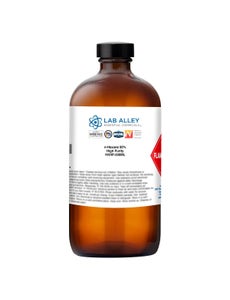
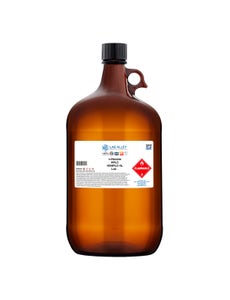
Use stainless steel, aluminum, or carbon steel containers. Glass containers are acceptable for laboratory quantities. Metal containers provide superior vapor barrier properties, preventing evaporative losses while offering fire resistance and mechanical durability.
Avoid plastic containers as n-hexane can permeate through or degrade many plastics. The solvent dissolves or swells numerous polymer types while slowly permeating through materials that initially appear compatible. Plastic containers eventually fail through degradation or allow gradual vapor escape through permeation.
Stainless steel represents the premium choice for long-term storage, offering complete inertness and excellent vapor containment. Carbon steel costs less while providing adequate service for most applications. Aluminum offers a lighter weight with good compatibility.
Seal Requirements
Containers must be tightly sealed to prevent evaporation and vapor release. Use compatible gaskets and seals resistant to hydrocarbon solvents. Standard rubber gaskets swell and degrade when in contact with n-hexane. Viton, PTFE, or metal gaskets maintain integrity during hydrocarbon exposure.
Check seals frequently because n-hexane quickly exploits any imperfection. The high vapor pressure drives vapors through tiny gaps that would barely leak less volatile liquids. Replace gaskets on regular schedules rather than waiting for visible failures.
Approved Storage Cabinets
Use approved flammable liquid storage cabinets meeting OSHA 29 CFR 1910.106 and NFPA 30 requirements for all storage. These cabinets contain fires and protect contents from external heat through double-wall construction and fire-resistant design.
Self-closing doors ensure cabinets remain sealed even when workers forget manual closure. This automatic protection proves essential given the immediate ignition risk from escaped n-hexane vapors. Raised door sills contain spills within cabinet boundaries.
Maximum capacity limits of 60 gallons per cabinet and three cabinets per fire area apply strictly. n-Hexane's extreme flammability makes these quantity limits particularly important for preventing catastrophic fires.
Laboratory Safety Cans
For laboratory use, employ safety cans with spring-closing lids, flame arresters, and pressure relief capabilities. These features provide multiple protection layers addressing n-hexane's volatility and flammability.
Flame arresters prevent external flames from igniting vapor-filled container interiors. Spring-closing lids seal automatically after each dispensing. Pressure relief prevents rupture if fires heat containers. Together, these engineered features substantially reduce ignition risks during routine handling.
Segregation & Compatibility
Separation requirements for n-hexane focus on fire prevention and avoiding chemical reactions.
Fire Hazard Separation
Store away from all ignition sources, including open flames, sparks, hot surfaces, static electricity, and electrical equipment. n-Hexane has a flashpoint of approximately -21°C (-7°F), making it extremely flammable. Ignition sources that seem irrelevant for less flammable materials can trigger n-hexane fires.
Distance every n-hexane storage location from potential ignition sources. Building codes specify minimum separations based on quantities and protection systems. Typical requirements range from 10 to 50 feet, but local codes may demand greater distances for such flammable material.
Implement strict no-smoking policies throughout areas where n-hexane exists. Prohibit hot work, including welding, grinding, cutting, or any spark-producing activities. When essential maintenance demands hot work nearby, remove all n-hexane and confirm vapor-free conditions before beginning.
Chemical Incompatibilities
Keep separate from strong oxidizing agents (nitric acid, peroxides, halogens) that can react violently with hydrocarbons. Contact between n-hexane and strong oxidizers generates heat and potentially ignites the mixture. Some reactions proceed with explosive violence.
Avoid storage near reactive materials, including strong acids and bases. While reactions may not be violent, contamination from these materials affects n-hexane quality and creates additional hazards.
Maintain physical barriers between incompatible chemicals. Separate cabinets or storage rooms prevent contact even during spills or container failures. Design drainage to prevent different materials from mixing if multiple containers leak simultaneously.
OSHA Storage Limits
Follow OSHA storage limits: no more than 60 gallons of flammable liquid in a single safety cabinet, and no more than three cabinets per fire area. These quantity restrictions apply to combined flammable materials, not just n-hexane alone.
Calculate total volumes carefully when storing multiple solvents in shared spaces. Exceeding limits creates serious code violations and exponentially increases fire dangers. Larger quantities require dedicated flammable liquid storage rooms built to stringent construction standards.
Solvent Segregation
Maintain proper segregation from other flammable solvents based on compatibility and regulatory requirements. Group compatible hydrocarbon solvents together while isolating reactive combinations.
Organize storage to facilitate emergency response. Knowing which materials are stored together allows firefighters to apply appropriate suppression methods and understand the hazards they face.
Safe Handling in Storage Areas
Handling procedures protect workers from both fire hazards and chronic neurotoxic exposure.
Personal Protective Equipment (PPE)
Personnel must wear appropriate PPE, including chemical-resistant gloves (nitrile, neoprene, or butyl rubber), safety goggles, and protective clothing. Gloves prevent skin absorption that contributes to neurotoxicity. Chemical-resistant materials resist n-hexane dissolution better than standard disposable gloves.
Safety goggles with side shields protect eyes during transfers and dispensing. Full-face shields provide additional protection during larger transfer operations. Long sleeves and long pants minimize skin exposure during normal handling activities.
Ventilation During Handling
Use adequate ventilation, including fume hoods, when dispensing or transferring. n-Hexane vapors can cause CNS depression and peripheral neuropathy with chronic exposure. Local exhaust at dispensing points captures vapors before they spread through work areas or reach breathing zones.
Chronic neurotoxicity develops from repeated exposures over weeks or months, not single incidents. Consistent vapor control through ventilation prevents cumulative exposure that leads to nerve damage. Maintain ventilation during all n-hexane handling, not just operations seeming to generate high vapor levels.
Fire Safety Equipment
Maintain Class B fire extinguishers suitable for flammable liquid fires readily accessible throughout storage areas. Position extinguishers near exit routes, ensuring escape paths remain accessible during fires.
Alcohol-resistant foam, carbon dioxide, and dry chemical extinguishers all work for hydrocarbon fires. Train personnel on extinguisher locations and operation before they work with n-hexane. Emphasize that fighting fires is secondary to evacuation when flames grow beyond the incipient stage.
Emergency Equipment
Provide emergency eyewash stations and safety showers in areas where n-hexane is handled. Eye contact causes immediate burning and irritation requiring thorough flushing. Position the eyewash within 10 seconds of travel time from any handling location.
Safety showers address large spills on skin or clothing. Immediate removal of contaminated clothing and thorough washing prevents both chemical burns and absorption, leading to systemic toxicity.
Ignition Source Control
Implement strict no-smoking policies and eliminate all ignition sources in storage and handling areas. Use explosion-proof electrical equipment and lighting in areas where n-hexane vapors may accumulate.
Every electrical device in storage areas must meet hazardous location requirements. Switches, lights, motors, and control equipment need explosion-proof or intrinsically safe designs preventing ignition of flammable atmospheres. Non-rated equipment creates ignition risks that may not manifest until catastrophic failures occur.
Static Electricity Control
Implement bonding and grounding procedures during all transfer operations to prevent static electricity discharge. n-Hexane has very low electrical conductivity, making it extremely prone to static charge accumulation.
Connect containers electrically before starting any transfer. Ground the entire system to the building ground. Verify connections before opening valves or beginning pumping. Static sparks easily ignite n-hexane vapors, making grounding essential rather than merely recommended.
Control flow rates to limit static generation. Slower transfers build less charge than rapid pumping. Balance transfer speed against static risks, erring toward caution with such flammable material.
Regulatory Compliance & Labeling
Multiple overlapping regulations govern n-hexane storage due to its fire hazards and health risks.
OSHA Requirements
Follow OSHA 29 CFR 1910.106 requirements for flammable liquid storage, including ventilation, cabinet specifications, and fire protection. These regulations establish minimum standards protecting workers from fire hazards.
Comply with OSHA 29 CFR 1910.1000 for permissible exposure limits (PEL: 500 ppm TWA) and implement appropriate exposure monitoring. Document exposure assessments and implement controls, maintaining concentrations below limits.
NFPA Standards
Adhere to NFPA 30 (Flammable and Combustible Liquids Code) for storage facility design and safety systems. This comprehensive standard addresses construction requirements, fire protection equipment, ventilation design, and electrical systems.
Local fire codes typically adopt NFPA 30, making compliance mandatory. Following NFPA standards also establishes industry best practices recognized across jurisdictions.
Hazard Communication
Follow GHS hazard communication standards with appropriate pictograms (flame, health hazard, environmental hazard) and hazard statements. Standardized symbols communicate multiple hazard categories, including flammability, neurotoxicity, and environmental concerns.
Clearly label all containers with chemical name, concentration, hazard symbols, and handling precautions. Complete labeling alerts workers to both immediate fire dangers and chronic health risks from repeated exposure.
Documentation
Maintain current Safety Data Sheets readily accessible to all personnel working with or near n-hexane. SDS documents provide critical information about flammability, exposure limits, health effects, first aid, and spill response.
Keep records of exposure monitoring, medical surveillance, training, and maintenance, verifying regulatory compliance. Documentation demonstrates implementing appropriate protection programs and supports investigations if incidents occur.
Special Considerations for n-Hexane
Unique properties create specific hazards requiring attention beyond general solvent storage practices.
Extreme Flammability
With a flashpoint of -21°C (-7°F), n-hexane can ignite at well below room temperature. Vapors form explosive mixtures with air at concentrations between 1.1% and 7.5%. This wide flammable range means vapor concentrations far below levels causing obvious odor can still explode.
The extremely low flashpoint makes ignition possible under essentially all storage temperatures. Even winter cold storage generates flammable vapors. Rigorous ignition source elimination becomes an absolute necessity rather than a precaution.
Health Hazards
Chronic exposure to n-hexane can cause peripheral neuropathy (nerve damage). Implement exposure controls, monitoring, and medical surveillance programs for workers with regular exposure. Initial symptoms include numbness and tingling in fingers and toes, progressing to muscle weakness and loss of coordination.
Nerve damage develops gradually over weeks or months of repeated exposure. Medical surveillance detects early symptoms, allowing intervention before permanent damage occurs. Workers showing neurological symptoms require immediate removal from n-hexane exposure.
High Volatility
n-Hexane evaporates rapidly at room temperature, creating both fire hazards and exposure risks. Minimize container opening time and ensure immediate resealing. Every second, containers remain open, releasing vapors that create hazards.
Plan transfers and sampling to work efficiently. Have all equipment ready before opening containers. Reseal immediately after obtaining required amounts rather than leaving containers open during subsequent processing steps.
Static Electricity Sensitivity
Very low electrical conductivity makes n-hexane extremely prone to static charge accumulation. Always use proper grounding and bonding during transfers. Static discharge sparks easily ignite vapor-air mixtures, making electrical grounding absolutely critical.
Never rely on apparent grounding through equipment contact. Make deliberate electrical connections using clamps and wire verified for continuity. Test grounding systems periodically to ensure reliability.
Vapor Travel
n-Hexane vapors are heavier than air and can travel considerable distances along floors or through ventilation systems to reach distant ignition sources. Flashback fires occur when vapors find ignition far from release points, then flames travel back through vapor trails to source containers.
This vapor travel capability makes ignition source control essential throughout the entire facility, not just immediately adjacent to storage areas. Survey all connected spaces for potential ignition sources that vapors might reach.
Environmental and Safety Considerations
Comprehensive facility systems provide additional protection beyond daily storage practices.
Fire Suppression Systems
Install appropriate fire suppression systems, including automatic sprinklers or foam systems designed for hydrocarbon fires. Automatic systems protect during unoccupied periods when fires might otherwise grow unchecked.
Foam systems using hydrocarbon-compatible concentrate work well for n-hexane fires. Standard sprinklers provide reasonable protection, though foam offers superior performance. Design systems for maximum credible fire scenarios based on stored quantities.
Secondary Containment
Implement secondary containment for all storage to prevent environmental contamination from spills or leaks. Containment capacity should match or exceed the largest container volumes. Spilled n-hexane evaporates quickly but can still reach soil, groundwater, or surface waters without containment.
Secondary containment provides time for response before environmental contamination. Berms, dikes, or collection pans capture releases from failed containers or piping systems.
Emergency Planning
Conduct regular fire risk assessments and maintain documented emergency response procedures, including evacuation routes and shutdown protocols. Risk assessments identify hazards requiring additional controls or procedural improvements.
Emergency procedures must address both fires and large spills. Train personnel on appropriate responses, including when immediate evacuation takes precedence over other actions.
Electrical Safety
Ensure all electrical equipment meets requirements for Class I, Division 1 or Division 2 hazardous locations per NEC standards. Hazardous location classifications depend on the likelihood of flammable vapor presence. Equipment must match installed location classifications.
Non-compliant equipment creates ignition sources through sparking contacts, hot surfaces, or electrical arcing. Investment in proper electrical equipment prevents catastrophic incidents.
Environmental Regulations
Follow local and federal environmental regulations for air emissions. n-Hexane is a volatile organic compound (VOC) subject to air quality regulations. Facilities may need permits for VOC emissions and must implement controls limiting releases.
Maintain spill response equipment, including appropriate absorbents for hydrocarbon solvents. Avoid water-based cleanup methods that spread contamination rather than containing it. Use hydrocarbon-specific absorbents or pads designed for solvent spills.
Waste Disposal
Follow proper waste disposal protocols. n-Hexane waste is typically classified as hazardous waste requiring disposal through licensed handlers. Never discharge n-hexane waste to drains or sewers. Collect all waste for proper disposal, maintaining regulatory compliance and environmental protection.
Key Takeaways
Store n-hexane in approved metal containers (stainless steel, aluminum, carbon steel) within OSHA/NFPA-compliant flammable liquid storage cabinets at cool, stable temperatures (15-25°C) with excellent ventilation and complete elimination of all ignition sources. Use tight seals to prevent evaporative losses and vapor generation.
Implement comprehensive fire safety measures, including Class B extinguishers, explosion-proof equipment, and automatic suppression systems. Maintain rigorous bonding and grounding procedures during all transfers.
Implement exposure controls and medical surveillance for personnel with regular contact due to peripheral neuropathy risks. Recognize that n-hexane's extreme flammability (flashpoint -21°C), high volatility, and chronic neurotoxicity hazards require the most stringent safety protocols among common laboratory solvents.
For more detailed guidance, explore our Resource Library.
Our Customer Care team is also available for more information and documentation, including chemical Safety Data Sheets.
Need n-Hexane You Can Trust?
If you are looking for high-quality n-Hexane for your lab, product line, or research facility, be sure to visit our store to explore our trusted selection and request a quote.
As your trusted partner in chemical supply, Lab Alley is always striving to meet the growing demands of our customers. We want you to be able to access all of your chemical needs in one place, along with streamlined online ordering and fast shipping.
Due to popular demand from our valued clientele, Lab Alley's n-Hexane is available in a range of purities and packaging options to suit various commercial, laboratory, and personal needs.