Non-Denatured Ethanol Uses & Applications
Non-denatured ethanol is a versatile pure alcohol compound that has become essential across numerous industries, including pharmaceuticals, food and beverage production, cosmetics, and scientific research. This additive-free ethyl alcohol serves multiple roles as a solvent, antiseptic, extraction medium, and chemical intermediate, making it one of the most multifunctional compounds in premium manufacturing applications.
What sets non-denatured ethanol apart is its remarkable purity. Whether you're producing pharmaceutical-grade medications, extracting essential oils from botanicals, or formulating luxury personal care products, non-denatured ethanol provides reliable solutions backed by FDA approval for human consumption and decades of proven performance across demanding applications.
The compound's widespread acceptance stems from its effectiveness, safety profile for human use, and superior quality. Since non-denatured ethanol contains no toxic additives or denaturants, it represents both a health-conscious choice and a premium option for applications where purity cannot be compromised.
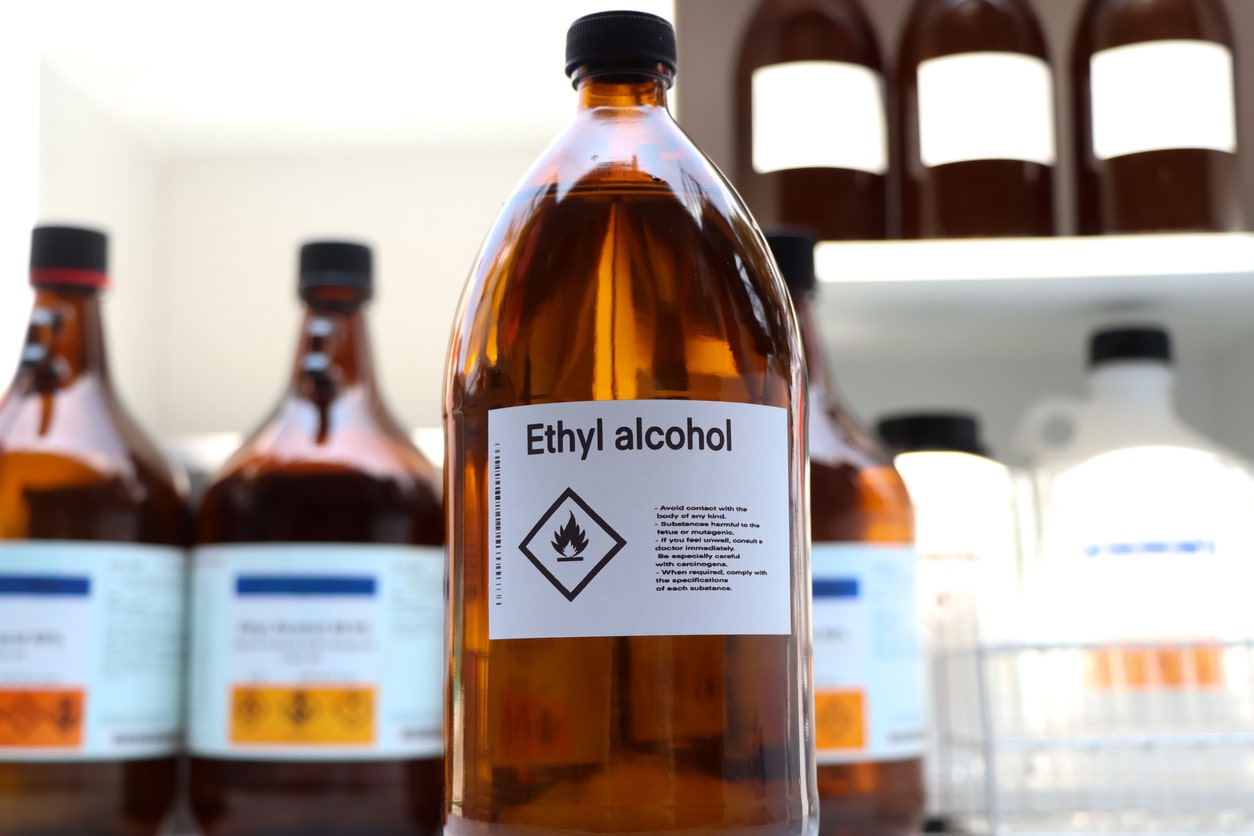
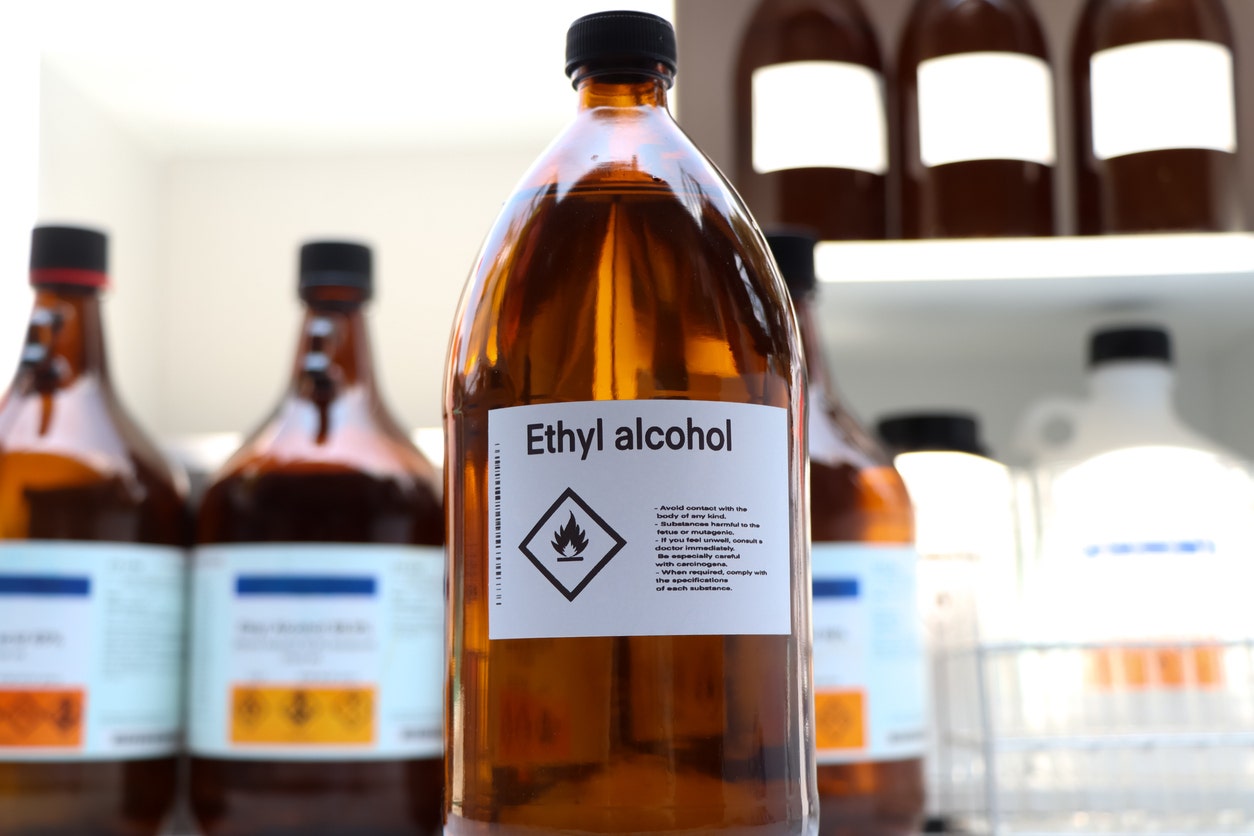
This guide examines ethanol's diverse applications across:
1. Industrial Applications
2. Scientific & Laboratory Uses
3. Medical & Pharmaceutical Uses
4. Food & Beverage Industry
5. Agriculture & Soil Treatment
6. Consumer & Household Uses
7. Environmental & Water Treatment
Industrial Applications
Non-denatured ethanol has multiple industrial applications due to its unique chemical properties. Its ability to act as both a premium solvent and extraction medium without contaminating additives makes it invaluable in specialized manufacturing and high-precision operations across diverse sectors.
Botanical Extraction & Processing
In premium extraction environments, non-denatured ethanol serves as the gold standard solvent for isolating essential oils, active compounds, and terpenes from medicinal hemp, cannabis, and botanical materials. Unlike denatured alternatives that introduce toxic additives, this pure alcohol ensures that extracted compounds remain uncontaminated and suitable for human consumption or therapeutic applications.
The cannabis and hemp industries particularly value what non-denatured ethanol does for producing high-quality concentrates and extracts. By avoiding denaturants that could compromise product safety or alter flavor profiles, manufacturers can create premium products that meet stringent quality standards and consumer expectations for purity.
High-End Chemical Manufacturing
As a raw material, non-denatured ethanol excels in producing pharmaceutical-grade compounds and specialty chemicals where even trace amounts of denaturants would be unacceptable. The production of organic intermediates for drug synthesis requires this level of purity to ensure that final medications meet rigorous safety and efficacy standards.
The uses for non-denatured ethanol in chemical synthesis include serving as a starting material for creating other high-purity chemical compounds used in advanced manufacturing processes. This versatility makes it valuable for chemical manufacturers who need reliable access to contamination-free alcohol for downstream operations.
Premium Solvent & Coating Applications
Non-denatured ethanol dissolves resins, oils, fats, waxes, and alkaloids in specialized manufacturing where product quality depends on solvent purity. Industries producing high-end coatings, specialty finishes, and precision formulations cannot risk denaturant contamination that might affect performance or appearance.
In lacquer production and specialty coating applications, non-denatured ethanol provides the clean evaporation characteristics needed for flawless finishes. Professional applications requiring pristine results specifically choose formulations based on pure alcohol to achieve the quality their clients expect.
Scientific & Laboratory Uses
Research laboratories and analytical facilities depend on non-denatured ethanol for its reliability and consistent performance across a wide range of scientific applications. Its well-characterized properties and absence of interfering denaturants make it an excellent choice for both routine testing and specialized research projects.
Analytical Chemistry
High-purity reagents for chromatography and spectroscopy procedures represent critical uses of non-denatured ethanol. When analyzing samples for trace compounds or conducting sensitive measurements, even minute amounts of denaturants can interfere with results and compromise data quality. Non-denatured ethanol eliminates this concern.
The compound serves as a reagent in numerous analytical procedures, including extractions, dilutions, and sample preparations. Its predictable behavior makes it valuable for both qualitative and quantitative analysis across multiple methodologies where accuracy is paramount.
Research Laboratory Applications
In laboratory settings, non-denatured ethanol plays a crucial role in organic synthesis and purification processes requiring contamination-free solvents. The compound's ability to dissolve a wide range of organic compounds while remaining free from toxic additives makes it ideal for pharmaceutical research and chemical development work.
Crystallization procedures benefit from the purity of non-denatured ethanol, particularly when synthesizing pharmaceutical compounds, where any impurities could compromise the final product. Research chemists working on new drug candidates specifically require non-denatured grades to ensure reliable outcomes.
Tissue Processing & Histology
Medical research facilities employ non-denatured ethanol in high-precision tissue processing for diagnostic and research applications. The dehydration steps in preparing tissue samples for microscopic examination require alcohol that won't introduce artifacts or interfere with subsequent staining procedures.
Histology laboratories processing biopsy samples for cancer diagnosis and other medical conditions cannot accept the risk of denaturant contamination affecting diagnostic accuracy. The premium quality ensures that pathologists can make confident diagnoses based on clearly preserved tissue architecture.
Medical & Pharmaceutical Uses
The healthcare industry recognizes non-denatured ethanol as one of the purest and most versatile compounds available for pharmaceutical manufacturing. Its FDA approval for consumption and established safety profile have made it a standard ingredient in medications and medical products worldwide.
Pharmaceutical Manufacturing
Non-denatured ethanol serves as the critical ingredient in USP-grade tinctures, elixirs, and liquid medications where purity standards absolutely prohibit denaturants. These formulations deliver active pharmaceutical ingredients in a form that patients can safely consume, making the alcohol base as important as the therapeutic compounds themselves.
Herbal extracts and botanical medicines also depend on non-denatured ethanol for extracting and preserving active compounds. Alternative medicine practitioners and pharmaceutical companies producing plant-based medications specifically require this pure alcohol to create products that meet both traditional standards and modern regulatory requirements.
Medical Grade Antiseptic Applications
Hospitals and medical facilities rely on non-denatured ethanol as a high-purity topical antiseptic for wound care and surface disinfection. While denatured alcohol works for many cleaning applications, certain medical procedures require the absolute purity that only non-denatured formulations can provide.
The antimicrobial efficacy eliminates harmful bacteria, viruses, and fungi without introducing toxic additives that could irritate tissues or interfere with healing. This makes it invaluable in surgical settings and intensive care units where infection control is paramount.
Injectable Pharmaceutical Solutions
Perhaps the most demanding application involves sterile injectable medications where non-denatured ethanol serves as a component in formulations administered directly into the bloodstream. The absolute purity required means that even pharmaceutical-grade denatured alcohol is unacceptable because denaturants could cause adverse reactions.
Vitamin preparations for injection and certain cancer medications incorporate non-denatured ethanol to improve solubility and stability. These life-saving formulations depend on the purity that distinguishes non-denatured from denatured alternatives.
Food & Beverage Industry Applications
Food and beverage applications represent one of the largest and most demanding sectors for non-denatured ethanol use. The requirement that all ingredients be safe for human consumption makes denatured alcohol completely unsuitable for these applications.
Premium Beverage Production
Non-denatured ethanol serves as the primary alcohol component in high-end spirits, craft liqueurs, and premium wine fortification. Master distillers and beverage artisans choose this pure alcohol because it provides a clean taste profile without off-flavors that denaturants would introduce.
The craft beverage movement has dramatically increased interest in using the highest quality ingredients. Small-batch distillers producing premium vodka, gin, and specialty spirits specifically seek out food-grade non-denatured alcohol to differentiate their products in competitive markets.
Food Grade Flavor Extraction
The flavor industry depends heavily on non-denatured ethanol for extracting essential oils and aromatic compounds from spices, herbs, vanilla beans, and other botanicals. These extracts become ingredients in everything from baked goods to soft drinks, making the purity of the extraction solvent critically important.
Vanilla extract production provides an excellent example of what non-denatured ethanol is used for in food applications. The complex flavor compounds in vanilla beans dissolve readily in pure alcohol, creating the rich extract that bakers and chefs rely on. Using denatured alcohol would introduce unpleasant chemical notes that would ruin the characteristic vanilla flavor.
Premium Extract Production
Coffee, citrus, mint, and countless other flavor extracts require non-denatured ethanol to capture the authentic taste profiles that consumers expect. The global flavor and fragrance industry uses massive quantities of this pure alcohol annually, making food-grade extraction one of the primary non-denatured ethanol uses worldwide.
Personal Care & Cosmetics
Luxury personal care and cosmetics applications demand the highest quality ingredients, and non-denatured ethanol delivers the purity that premium brands require. It serves as a base for fragrances, a solvent for active ingredients, and a quick-drying agent in various formulations.
Luxury Cosmetic Formulations
High-end perfumes and colognes build their formulations on a foundation of pure non-denatured ethanol that carries fragrance compounds without introducing competing chemical odors. Luxury fragrances are specifically formulated with this premium alcohol because it allows the perfumer's artistic vision to be experienced exactly as intended.
Premium aftershaves and luxury cosmetic products benefit from this purity, providing a refined experience that justifies their higher price points in competitive markets. The non-denatured ethanol benefits include superior scent delivery and skin compatibility.
Personal Care Products
Manufacturers of luxury hand sanitizers have elevated a once-utilitarian product into a premium category by formulating with non-denatured ethanol and adding skin-conditioning ingredients. These products provide effective antimicrobial action without the harsh, medicinal smell associated with denatured alcohol formulations.
High-end mouthwashes and oral care products also incorporate non-denatured ethanol to dissolve active ingredients and provide antiseptic benefits. Since these products may be inadvertently swallowed in small amounts, the safety profile of non-denatured alcohol provides an additional margin of consumer protection.
Professional Hair Care & Skincare
Salon-grade hair sprays and professional styling products often formulate with non-denatured ethanol to achieve quick drying times and optimal product performance. Professional stylists working on fashion shoots and special events prefer these premium formulations because they deliver reliable results.
Luxury toners, facial mists, and professional skincare formulations incorporate non-denatured ethanol for its solvent properties and antimicrobial benefits. The uses of non-denatured ethanol in skincare help other ingredients penetrate the skin more effectively while providing a pleasant, cooling sensation upon application.
Household & Consumer Uses
Consumer applications of non-denatured ethanol are more limited than industrial uses, primarily due to cost considerations. However, certain premium household products are specifically formulated with non-denatured alcohol to meet particular consumer needs.
Premium Cleaning & Sanitization
High-end glass cleaners and specialty surface disinfectants sometimes incorporate non-denatured ethanol to appeal to consumers seeking the purest possible cleaning products. Health-conscious households may prefer products without added denaturants, particularly for surfaces that contact food or areas where children play.
Healthcare facilities and safety-critical environments require pharmaceutical-grade hand sanitizers formulated with non-denatured ethanol to ensure maximum purity and effectiveness. These medical-grade formulations provide reliable antimicrobial action without introducing chemicals that might interfere with sensitive procedures.
Agriculture & Veterinary Uses
Agricultural and veterinary applications of non-denatured ethanol focus primarily on formulations intended for consumption by animals or situations where food safety regulations prohibit denaturants.
Veterinary Pharmaceuticals
Veterinary medicine relies on non-denatured ethanol for compounding medications, producing antiseptics, and formulating animal health products for valuable livestock and companion animals. It serves the same functions as in human medicine, providing a safe, effective base for liquid medications and topical preparations.
Horses, show animals, and breeding stock receive the same quality of pharmaceutical care as humans in many cases, creating demand for veterinary medications formulated with premium ingredients, including non-denatured ethanol.
Botanical Research & Food-Safe Sanitization
Agricultural research institutions use non-denatured ethanol for extracting active compounds from plants to develop new crop varieties or identify beneficial compounds. These research applications require absolute purity because denaturants could interfere with analytical procedures.
Dairy operations, food processing facilities, and agricultural equipment that contact consumable products require cleaning with food-safe materials. Non-denatured ethanol provides an effective option for disinfecting equipment while ensuring that any residual alcohol presents no food safety concerns.
Specialized Non-Denatured Ethanol Types
The diversity of applications has driven the development of multiple specialized grades, each tailored to meet specific regulatory requirements, purity standards, or industry needs.
USP Grade Ethanol
Pharmaceutical-grade non-denatured ethanol meeting United States Pharmacopeia standards represents the highest purity level available for medical and pharmaceutical applications. USP grade material undergoes rigorous testing to ensure it meets strict specifications for impurities and contaminants.
Food Grade Ethanol (FDA-Approved)
Pure ethanol certified for food and beverage applications meets FDA purity standards for human consumption and food processing. This grade serves the needs of beverage producers, flavor extract manufacturers, and food processors who require alcohol suitable for direct incorporation into products people will eat or drink.
Absolute Ethanol (Anhydrous)
High-purity anhydrous non-denatured ethanol containing 99 percent or higher alcohol content finds applications in research, electronics manufacturing, and specialized processes requiring minimal water content. The near-complete absence of water prevents interference with certain chemical reactions or manufacturing processes.
Kosher/Halal & Organic Certified Ethanol
Non-denatured ethanol meeting religious dietary requirements serves manufacturers producing products for Jewish and Muslim consumers. Kosher and halal certifications have become increasingly important as global food markets expand.
Organic-certified ethanol produced from organic corn or sugar cane meets USDA organic standards for use in organic food and cosmetic applications. The organic food and natural products industries have created strong demand as manufacturers formulate products to meet consumer preferences for organic ingredients.
Non-Denatured Ethanol Grades and Pack Sizes
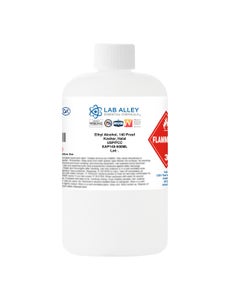
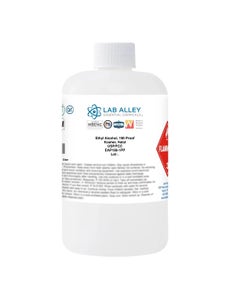
Searching for a reliable source of premium-quality non-denatured ethanol? Lab Alley supplies superior solutions across pharmaceutical, food, cosmetic, and industrial applications. Every batch receives thorough testing to confirm purity and satisfy strict quality standards, delivering consistent performance for your varied operational requirements.
Available Grades & Purities
Quality suppliers offer comprehensive portfolios of high-quality non-denatured ethanol with multiple certifications:
- USP/FCC Food Grade: Pharmaceutical and food-grade ethanol meeting United States Pharmacopeia and Food Chemicals Codex specifications for pharmaceutical manufacturing, food and beverage production, and any application requiring FDA-approved alcohol.
- USDA Certified Organic: Pure ethanol from organic corn or sugar cane sources, meeting USDA organic standards for manufacturers of organic foods, beverages, supplements, and personal care products.
- Kosher and Halal Certified: Non-denatured ethanol produced under religious supervision to meet dietary requirements for serving Jewish and Muslim markets.
- GMO-Free Formulations: Ethanol produced from non-genetically modified source materials for manufacturers targeting consumers who avoid GMO ingredients.
- Available concentrations include 140 proof (70%), 190 proof (95%), and 200 proof (100% absolute/anhydrous) for applications requiring different strength levels.
Pack Sizes & Bulk Availability
Reputable suppliers offer complete size ranges to accommodate operations from small laboratories to large-scale manufacturing facilities:
-
Laboratory Scale: Small containers (500mL, 1L, 4L bottles) for research laboratories and small-batch development
-
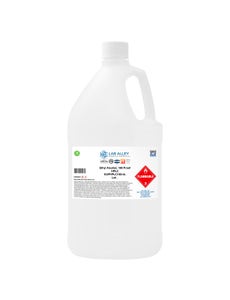
Commercial Scale: Mid-size containers (1 gallon, 4x1 gallon cases, 5 gallon pails) for small manufacturers and craft producers
-
Industrial Scale: Bulk quantities (55-gallon drums, 264-310 gallon totes) for large manufacturing operations
-
Pallet Loads: Full pallet quantities for major pharmaceutical manufacturers and large beverage producers
All products are packaged in high-quality, food-grade containers with secure, hazmat-compliant packaging that ensures product integrity during storage and transportation.
Final Note
Non-denatured ethanol's broad compatibility across pharmaceutical, food and beverage, personal care, and industrial spheres makes it a key multifunctional chemical in premium applications. From producing life-saving medications to creating luxury perfumes and extracting gourmet food flavors, this pure alcohol continues to provide reliable, high-quality solutions to challenges across multiple sectors.
The compound's proven safety record for human consumption, combined with its effectiveness and superior purity, ensures that non-denatured ethanol will remain a vital ingredient for years to come. As consumers become increasingly conscious of ingredient quality and regulations governing food and pharmaceutical safety continue to evolve, the demand for pure, additive-free alcohol is likely to drive continued growth in non-denatured ethanol applications.
For organizations considering non-denatured ethanol for their operations, working with experienced suppliers who understand both the technical aspects and regulatory requirements ensures successful implementation while maintaining safety and compliance standards across all application areas.
For more detailed guidance, explore our Resource Library.
Our Customer Care team is also available for more information and documentation, including chemical Safety Data Sheets.
Need Non-Denatured Ethanol You Can Trust?
If you are looking for high-quality non-denatured ethanol for your lab, product line, or research facility, be sure to visit our store to explore our trusted selection and request a quote.
As your trusted partner in chemical supply, Lab Alley is always striving to meet the growing demands of our customers. We want you to be able to access all of your chemical needs in one place, along with streamlined online ordering and fast shipping.
Due to popular demand from our valued clientele, Lab Alley's non-denatured ethanol is available in a range of purities and packaging options to suit various commercial, laboratory, and personal needs.