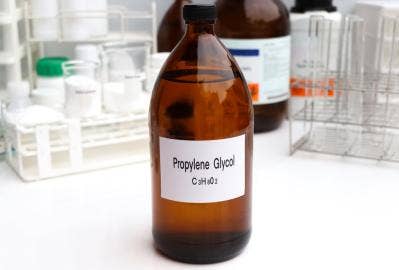






Propylene Glycol Safety & Hazards: Essential Handling Guidelines
Propylene glycol (1,2-propanediol) is a colorless, odorless, viscous liquid widely used as a solvent, humectant, and antifreeze in pharmaceuticals, food products, cosmetics, industrial applications, and animal feed. Propylene glycol exhibits very low toxicity, with an oral LD50 of 20,000-22,000 mg/kg in rats, and is generally recognized as safe (GRAS) by the FDA for food and pharmaceutical use. While combustible at elevated temperatures with a flash point of 103-107°C (217-224°F), propylene glycol is not flammable under normal conditions and presents minimal health hazards, with primary concerns being mild eye and skin irritation and CNS depression only at very high doses.
Workers across food processing, pharmaceutical manufacturing, cosmetics production, industrial facilities, and agricultural operations handle propylene glycol regularly. This versatile compound appears in products ranging from injectable medications to ice cream to aircraft deicing fluid, making it one of the most widely used industrial chemicals.
The safety profile of propylene glycol stands out among industrial chemicals for its remarkably low toxicity. You would need to ingest enormous quantities to experience serious health effects. The material doesn't ignite at room temperature and requires significant heating before combustion becomes possible. Yet proper handling still matters, particularly given its hygroscopic nature, potential to generate mist, and mild irritation it can cause. This guide covers essential safety information for working with propylene glycol across its diverse applications.
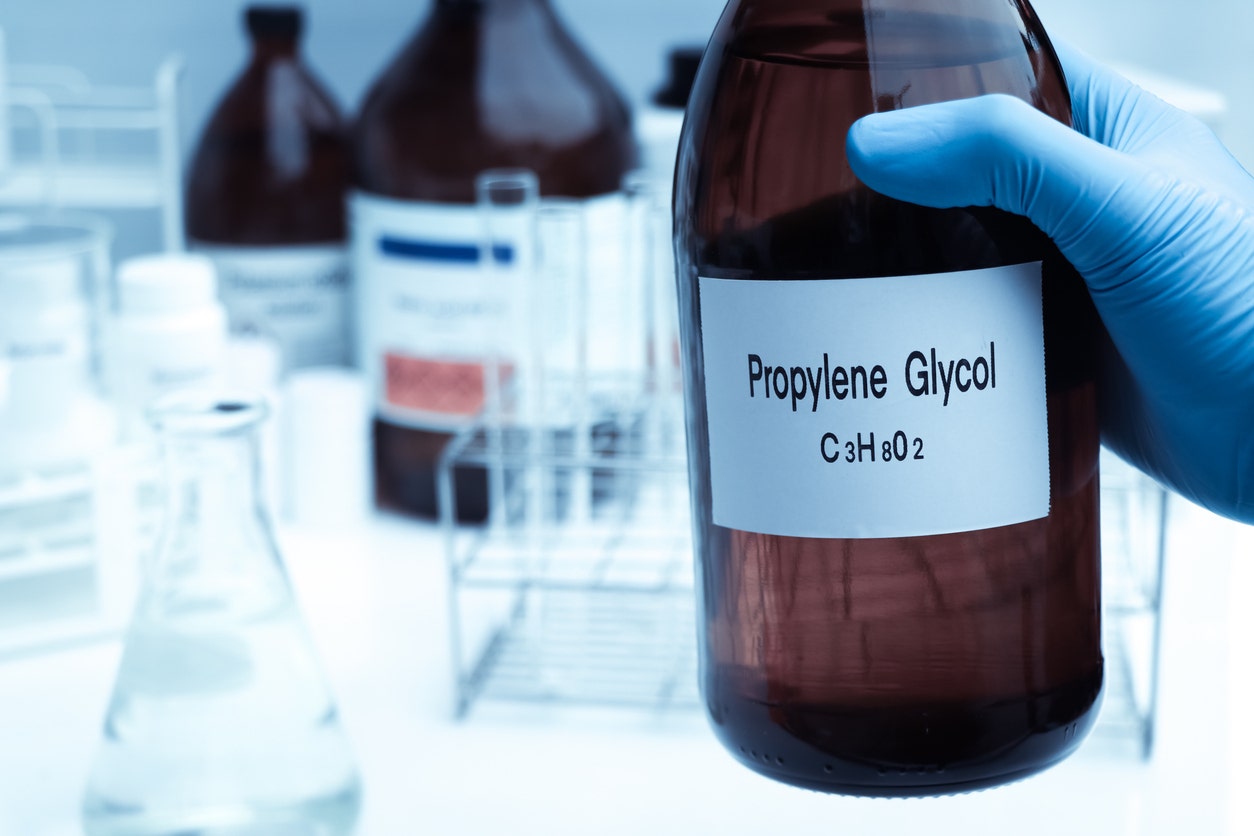
In this article, we’ll explore:
-
Chemical Hazards Overview
-
Exposure Risks & Health Effects
-
First Aid Measures
-
Handling & Storage Precautions
-
Spill & Leak Procedures
-
Fire & Explosion Hazards
-
Regulatory & Compliance Information
-
Applications & Uses
-
Technical Documents & References
Chemical Hazards Overview
Propylene glycol presents one of the lowest hazard profiles among industrial chemicals, with minimal toxicity and combustion risk only under specific conditions.
Hazard Classification
Under the Globally Harmonized System, most propylene glycol formulations require no GHS hazard pictograms due to the low hazard profile. Some formulations may display an exclamation mark (⚠️ GHS07) for irritant properties. The material may cause eye, skin, and respiratory tract irritation but presents low hazard for usual industrial handling.
Propylene glycol is combustible at elevated temperatures but not classified as a flammable liquid. The hygroscopic nature means it absorbs moisture from the air, which can affect handling and storage. Some OSHA formulations consider it hazardous, though the consensus recognizes it as a low hazard.
NFPA hazard ratings place propylene glycol at Health: 0-1 (minimal to slight hazard), Flammability: 1 (slight, must be preheated), and Reactivity: 0 (stable).
Primary Risks
Toxicity testing reveals very low acute toxicity with oral LD50 values of 20,000-22,000 mg/kg in rats. This extraordinarily high LD50 indicates you would need to consume massive amounts to reach lethal doses. The material becomes combustible when heated above 103°C but poses no fire risk at ambient temperatures.
Direct contact may cause mild eye and skin irritation, though effects are generally minor and temporary. Inhaling mists may irritate your respiratory tract, but vapor exposure is unlikely under normal conditions due to low vapor pressure. Central nervous system depression occurs only with very large doses far exceeding typical exposure levels. The hygroscopic nature may affect product quality and handling procedures, but doesn't create direct health hazards.
Exposure Risks & Health Effects
Understanding propylene glycol's effects on the body helps you recognize the rare situations where exposure might cause problems.
Inhaling vapors poses a low hazard for usual industrial handling because the material has very low vapor pressure at room temperature (0.08 mm Hg at 20°C). Breathing mists or aerosols generated during spraying or heating operations may irritate your respiratory tract, causing coughing and throat discomfort. Vapor exposure is unlikely under normal handling conditions.
Skin contact with prolonged exposure may cause mild irritation. Single brief contact is essentially non-irritating. The material may be absorbed through damaged or abraded skin in harmful amounts, though dermal absorption risk is generally low with intact skin. Studies in guinea pigs indicate propylene glycol is not an occupational skin sensitizer. Repeated contact may cause skin dryness similar to other humectants. Allergic reactions have been rarely reported in sensitive individuals.
Getting propylene glycol in your eyes may cause slight transient irritation with redness and tearing. Effects are generally mild. Liquid contact may cause a slight injury that resolves with thorough rinsing. Permanent eye damage is not expected from propylene glycol exposure.
Swallowing presents low hazard due to the extremely high oral LD50 of approximately 20,000-22,000 mg/kg across rats, mice, and rabbits. Ingestion may cause gastrointestinal irritation with nausea, vomiting, and diarrhea. Very high doses may trigger hemoglobinuric nephrosis (kidney effects) and changes in surface EEG readings. Chronic ingestion of large amounts may cause lactic acidosis and possible seizures, though these effects require consumption far exceeding normal exposure. The material is generally well-tolerated at normal exposure levels, reflected in its FDA GRAS status for food use at appropriate concentrations.
Long-term exposure to large doses may cause central nervous system depression. Repeated skin contact may cause dryness or irritation in sensitive individuals. Propylene glycol is not classified as a carcinogen by IARC, ACGIH, NIOSH, NTP, or OSHA. Animal studies show no birth defects from propylene glycol exposure. The material does not interfere with reproduction at normal exposure levels. Exposures having no adverse effects on the mother should not affect the fetus. Some animal studies show mutagenic effects and reproductive or birth defect effects only at very high doses, where nutritional deficiency may be a contributing factor rather than direct chemical toxicity.
First Aid Measures
First aid for propylene glycol exposure is straightforward due to the material's low toxicity. Serious medical emergencies are extremely rare.


The low toxicity of propylene glycol means most exposures resolve without medical intervention. However, seeking medical attention for persistent symptoms ensures appropriate care if unusual sensitivity or large exposures occur.
Handling & Storage Precautions
Working safely with propylene glycol involves basic industrial hygiene practices rather than specialized safety protocols.
Safe Handling Procedures
Use adequate ventilation to prevent mist formation during transfers or heating operations. Wear chemical-resistant gloves, safety glasses or goggles, and protective clothing to prevent prolonged skin contact and eye splashes. Avoid contact with eyes, skin, and clothing as a general practice.
Do not eat, drink, or smoke when handling propylene glycol. Wash your hands thoroughly after handling and before breaks. Use non-sparking tools if handling heated material above the flash point, though this situation is uncommon. Avoid generating mists or aerosols that could be inhaled.
Storage Conditions
Store in cool, dry, well-ventilated areas away from incompatible materials. Keep containers tightly closed when not in use to prevent moisture absorption due to the hygroscopic nature of propylene glycol. Protect from heat, light, and moisture contamination.
Maintain storage below 25°C (77°F) ideally for product quality, though the material remains stable across typical warehouse temperature ranges. Store away from food, beverages, and animal feed, even though the material has food-grade status, to maintain good manufacturing practices and prevent contamination. The hygroscopic property means leaving containers open will result in water absorption that dilutes the product and may affect performance in applications.
Incompatible Substances
Keep propylene glycol separated from strong oxidizing agents, including peroxides, permanganates, and nitrates. Avoid contact with strong acids and bases, which may react at elevated temperatures. Alkali metals and their hydrides (lithium, sodium, and aluminum) are incompatible. Reactive metals should be kept separate.
The material is sensitive to excessive heat and tends to oxidize at high temperatures. This consideration matters primarily in manufacturing processes involving heating rather than routine storage and handling.
Spill & Leak Procedures
Propylene glycol spills present minimal hazard compared to most industrial chemicals. The material poses no fire risk at room temperature and has very low toxicity.
Emergency Response Steps
Ensure adequate ventilation in the spill area to disperse any mists. Wear appropriate personal protective equipment, including gloves, safety glasses, and protective clothing. Respiratory protection is recommended if mists are generated during cleanup. No special fire precautions are required for spills at room temperature since the material won't ignite without significant heating.
Containment Methods
Contain the spill to prevent spreading across large areas. Soak up liquid with inert absorbent material such as vermiculite, sand, earth, or absorbent pads. For large spills, use dikes to contain the liquid before absorption. Do not let product enter drains or waterways where it could affect aquatic systems or contaminate water supplies. Remember that propylene glycol is miscible with water, meaning it mixes completely rather than separating like oils.
Proper Disposal
Collect spilled material for disposal according to federal, state, and local environmental regulations. Propylene glycol is not classified as RCRA hazardous waste, simplifying disposal requirements. The material may be biodegradable, and small amounts may be acceptable for sanitary sewer disposal where local regulations permit. However, always consult local regulations before disposing of any chemical to drains. Large quantities should be handled by licensed waste contractors familiar with non-hazardous chemical waste.
Fire & Explosion Hazards
Propylene glycol presents minimal fire risk under normal conditions but will burn when sufficiently heated.
Flammability
Propylene glycol is a combustible liquid but not classified as flammable. The flash point ranges from 103-107°C (217-224°F), well above normal handling and storage temperatures. NFPA flammability rating of 1 indicates the material must be preheated before ignition can occur. Explosive limits span 2.6-12.5% by volume in air when heated above the flash point.
The material does not ignite readily at room temperature. When heated above its flash point, it may form explosive vapor-air mixtures. Vapors may be heavier than air and could accumulate in low areas if large quantities are heated.
Extinguishing Media
Use water spray or fog, alcohol-resistant foam, dry chemical, or carbon dioxide (CO2) for propylene glycol fires. The material's miscibility with water allows water to be used effectively for cooling and dilution. However, extinguishing fire by water dilution alone may not be practical for large fires. Foam provides good coverage and cooling for significant incidents.
Firefighting Precautions
Firefighters should wear self-contained breathing apparatus and full protective gear when responding to fires involving propylene glycol. Heat from fire can generate flammable vapors that sustain combustion. Cool fire-exposed containers with water spray to prevent rupture from pressure buildup. Containers may fail from heat exposure even if not directly involved in flames.
Combustion produces carbon monoxide, carbon dioxide, and aldehydes. Avoid frothing or steam explosion when applying water to hot propylene glycol. Refer to NFPA Code 13 for specific guidance on propylene glycol use in sprinkler systems, where it serves as an antifreeze additive.
Regulatory & Compliance Information
Propylene glycol faces minimal regulatory restrictions due to its low toxicity and environmental impact, though food and pharmaceutical applications require quality standards.
OSHA Regulations
No established OSHA Permissible Exposure Limit (PEL) or ACGIH Threshold Limit Value (TLV) exists for propylene glycol. Some formulations are considered hazardous under 29 CFR 1910.1200 Hazard Communication Standard, while others are classified as non-hazardous depending on specific composition. General industry hygiene practices apply to all handling operations. New Jersey recommends an exposure limit of 10 mg/m³ (3.2 ppm) for mist as a precautionary measure.
EPA & Environmental Impact
Propylene glycol is not listed under CERCLA as a hazardous substance, so no reportable quantity (RQ) applies to releases. The material is not subject to SARA Title III Section 302 (Extremely Hazardous Substances) or Section 313 (Toxics Release Inventory) reporting requirements.
In environmental systems, propylene glycol is readily biodegradable in soil and water. The compound shows high soil mobility and may leach into groundwater, though it biodegrades rather than persists. It is not expected to bioconcentrate in aquatic organisms. Being water soluble and fully miscible with water, releases dilute readily. The material exhibits low environmental toxicity to aquatic and terrestrial species.
DOT Transportation Regulations
Propylene glycol is not regulated as a hazardous material for transportation purposes. No DOT classification, UN number, or packing group is required. Shipments need no special shipping labels, placards, or documentation. The material ships as non-hazardous, simplifying logistics and reducing transportation costs.
FDA/USP/GRAS Compliance
The FDA grants propylene glycol Generally Recognized As Safe (GRAS) status under 21 CFR 184.1666 for direct addition to food as a multipurpose food additive. The material is widely used as an inactive ingredient in FDA-approved pharmaceuticals and cosmetics across numerous product types.
USP/NF grade propylene glycol is available, meeting pharmaceutical compendial standards for use in drug manufacturing. The compound is approved for use in foods, pharmaceuticals, cosmetics, and animal feed when meeting appropriate purity specifications. Food and pharmaceutical applications require compliance with purity specifications, including limits on heavy metals, chloride content, and other potential contaminants.
Applications & Uses
Propylene glycol's versatility stems from its combination of safety, solubility properties, and functional characteristics across diverse applications.
Pharmaceutical Applications: The material serves as a solvent and vehicle in oral, topical, and injectable formulations. It functions as a humectant in topical products, helping retain moisture. Propylene glycol acts as a preservative and stabilizer in various formulations. Widely used in FDA-approved drugs as an inactive ingredient, it must meet USP/NF purity standards for pharmaceutical use. Lab Alley supplies USP/NF grade propylene glycol meeting stringent pharmaceutical specifications.
Food & Beverage: As a GRAS food additive, propylene glycol serves as a humectant, solvent, and preservative. Common applications include baked goods, dairy products, beverages, and processed foods, where it provides moisture retention and texture improvement. The FDA imposes limitations on use levels depending on the food category. Lab Alley offers food-grade propylene glycol complying with FCC specifications.
Industrial & Consumer Products: The compound serves as antifreeze and coolant, providing a safer alternative to ethylene glycol in applications where toxicity concerns exist. Aircraft deicing fluid formulations rely on propylene glycol for low-temperature performance. Heat transfer fluid systems use it across temperature ranges. Cosmetics and personal care products incorporate it as a humectant. Paint and coating formulations use it as a solvent. Some hydraulic and brake fluids contain propylene glycol. Lab Alley provides technical and industrial grades for these diverse applications.
Animal Feed: Propylene glycol is approved for use in animal feed as an energy source and to prevent caking in feed formulations. The material is generally recognized as safe for livestock and poultry at appropriate levels, helping meet nutritional requirements, particularly in dairy cattle.
Technical Documents & References
Proper documentation ensures quality, safety, and regulatory compliance across propylene glycol's many applications.
Safety Data Sheets (SDS) provide detailed safety information, physical properties (flash point, boiling point, viscosity, vapor pressure), handling procedures, and emergency response information for different propylene glycol grades, including USP, food grade, and technical grades.
FDA Regulations (21 CFR 184.1666) detail GRAS status, permitted uses, limitations on concentrations in various food categories, and purity requirements for propylene glycol in food applications.
USP-NF Monographs specify pharmaceutical quality standards, analytical methods for testing, purity specifications, and testing requirements that USP-grade propylene glycol must meet for use in drug manufacturing.
Certificate of Analysis (COA) verifies purity (typically 99.5% or higher for USP grade), water content, specific gravity, color, acidity or alkalinity, heavy metals limits, and compliance with applicable standards (USP/NF pharmaceutical grade, food grade FCC, or technical/industrial grade specifications) for each production lot.
Final Note
Propylene glycol ranks among the safest industrial chemicals in widespread use. Its remarkably low toxicity, GRAS food status, and approval for pharmaceutical applications reflect decades of safe use across countless products. The minimal fire risk at normal temperatures and absence of significant environmental concerns make it a preferred choice in applications requiring low-hazard solvents and humectants.
Success with propylene glycol handling comes from recognizing that while the material is extremely safe, basic good practices still apply. Preventing mist inhalation, avoiding prolonged skin contact, and protecting the hygroscopic material from moisture contamination maintain both worker safety and product quality.
Lab Alley supplies high-quality propylene glycol in USP/NF pharmaceutical grade, FCC food grade, and technical grades to meet your specific application requirements. Whether you're formulating medications, processing foods, manufacturing cosmetics, or producing industrial fluids, the excellent safety profile of propylene glycol combined with proper handling practices ensures confident, compliant operations across your facilities.
Explore our Resource Library for more information.
Our Customer Care team is also available for more information and documentation, including chemical Safety Data Sheets.
Need Propylene Glycol You Can Trust?
If you are looking for high-quality propylene glycol for your lab, product line, or research facility, be sure to visit our store to explore our trusted selection and request a quote.
As your trusted partner in chemical supply, Lab Alley is always striving to meet the growing demands of our customers. We want you to be able to access all of your chemical needs in one place, along with streamlined online ordering and fast shipping.
Due to popular demand from our valued clientele, Lab Alley's propylene glycol is available in a range of purities and packaging options to suit various commercial, laboratory, and personal needs.