





Sodium Hypochlorite Safety & Hazards: Essential Handling Guidelines
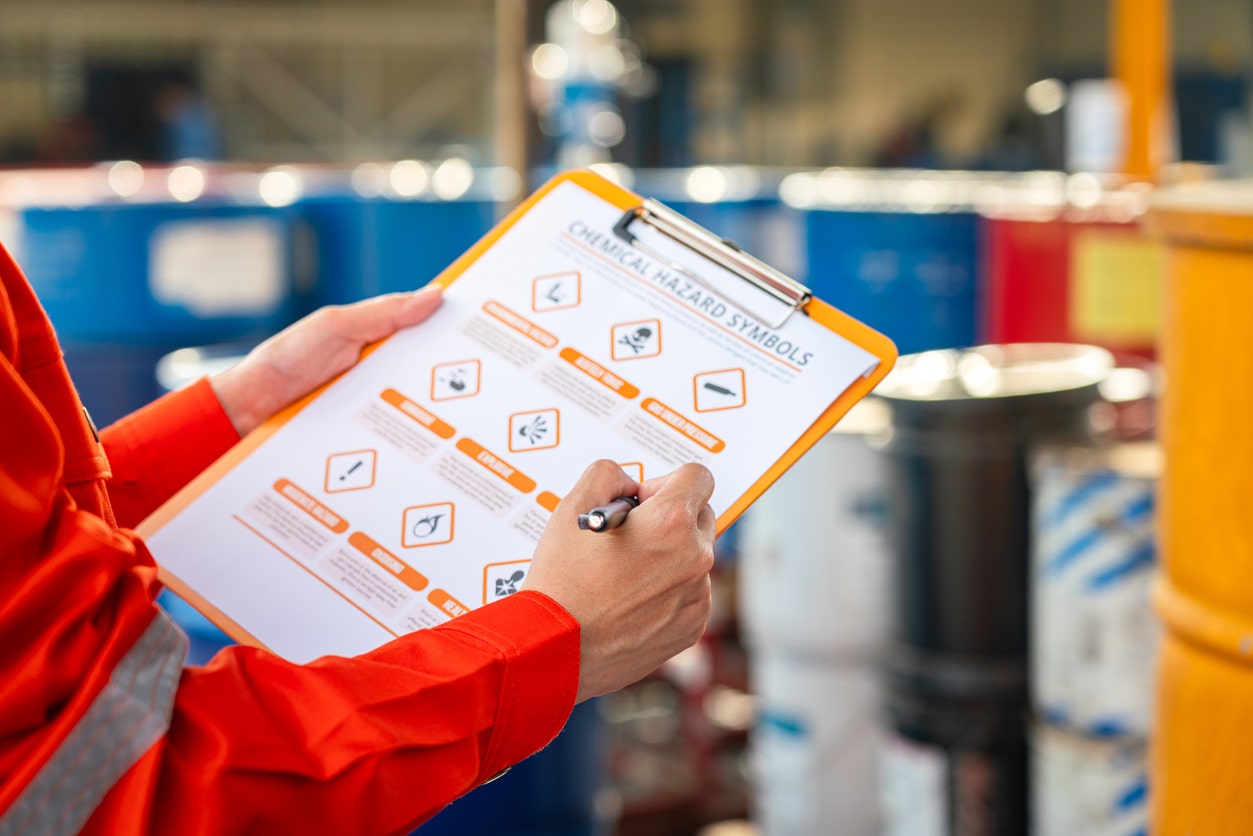
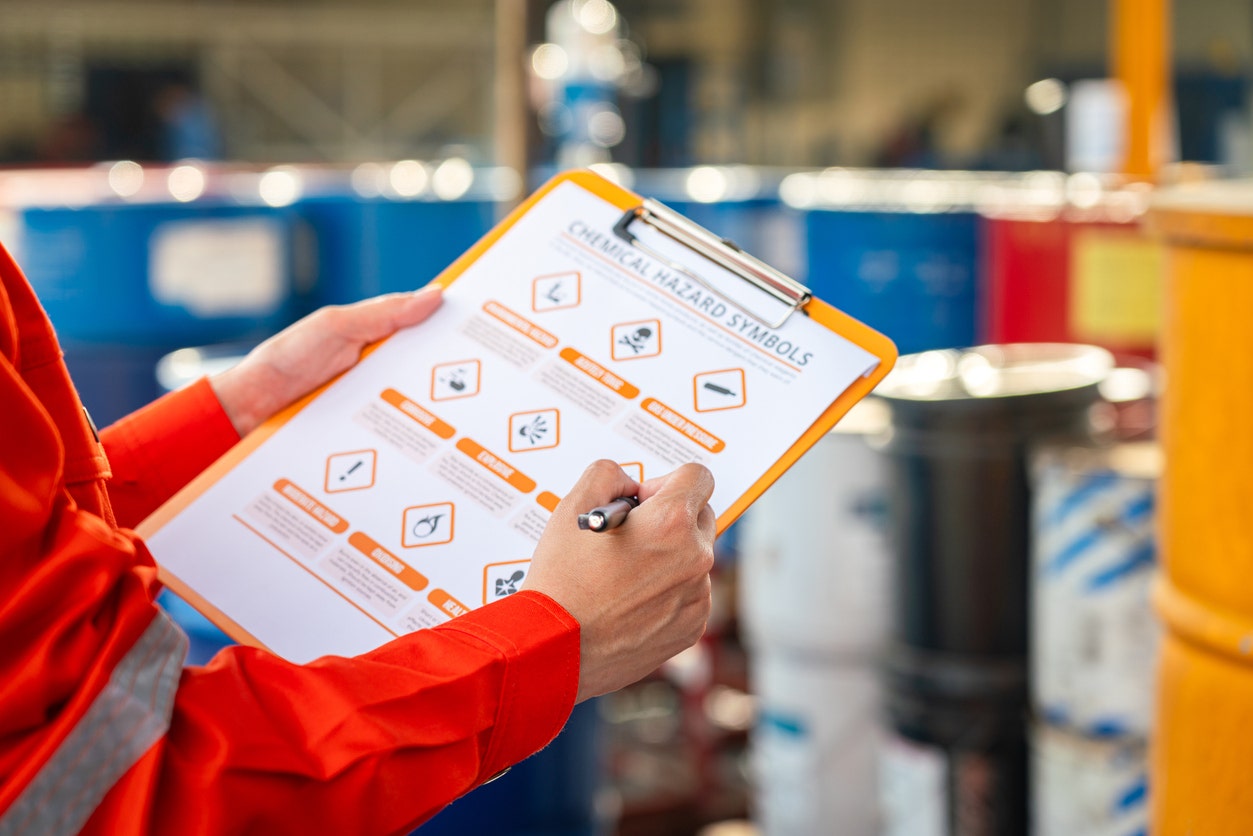
Sodium hypochlorite is a strong oxidizing agent and corrosive chemical commonly used as a disinfectant, bleaching agent, and water treatment chemical. Available in concentrations ranging from household bleach (3–6%) to industrial solutions (10–15%), this material is highly reactive and can release toxic gases when mixed with incompatible substances. Primary hazards include severe corrosive effects on skin, eyes, and the respiratory tract, along with dangerous gas formation when combined with acids, ammonia, or other common chemicals.
Workers in water treatment plants, food processing facilities, healthcare settings, janitorial services, and chemical manufacturing encounter sodium hypochlorite across a wide range of applications. Its versatility comes with serious safety considerations that anyone handling it must understand.
The corrosive nature of sodium hypochlorite sets it apart from many common chemicals. Contact with skin or eyes causes burns and tissue destruction that worsen the longer the material remains in contact. Breathing vapors irritates the airways and can lead to fluid accumulation in the lungs hours after exposure ends. Perhaps most dangerous, mixing sodium hypochlorite with acids, ammonia, or certain cleaning products generates toxic gases that have caused numerous poisonings and deaths.
In this article, we'll review:
-
Chemical Hazards & Classification
-
Exposure Risks & Health Effects
-
First Aid Procedures
-
Handling & Storage
-
Spill & Leak Procedures
-
Fire Hazards & Response
-
Regulatory Information & Compliance
-
Proper Dilution and Use
-
Technical Documents & Resources
Chemical Hazards & Classification
Sodium hypochlorite presents a unique hazard combination: powerful oxidizing action, severe corrosive effects, and reactive incompatibility with numerous common chemicals.
Physical Hazards
As a strong oxidizing agent, sodium hypochlorite may ignite combustible materials, including wood, paper, and organic substances. The chemical itself won't burn, but it releases oxygen gas that feeds and intensifies fires. Exposure to hot water causes decomposition that liberates both chlorine and oxygen gases.
Certain metals corrode on contact with sodium hypochlorite solutions. Reactions with nickel, iron, cobalt, and copper produce oxygen gas that can pressurize closed containers. Light and air exposure cause gradual decomposition, reducing effectiveness and potentially releasing irritating vapors unless stabilizers are added.
Health Hazards
Corrosive action on living tissue represents the primary health threat. Severity depends heavily on concentration and exposure time.
Breathing vapors irritates the airways and lungs. High concentrations trigger pulmonary edema (fluid accumulation in the lungs), which may develop hours after the initial exposure.
Eye contact results in severe damage, including corneal injury, ulceration, and potential permanent vision loss. Swallowing causes burns throughout the digestive tract; concentrated solutions may prove fatal, and survivors can suffer permanent scarring that restricts swallowing. Skin contact causes irritation, burns, and blistering, with deep destruction from extended contact.
Hazardous Reaction Products
Mixing sodium hypochlorite with acids releases toxic chlorine gas. Reactions with ammonia or amine compounds form explosive chloramines. Combining with organic matter, urea, or detergents also liberates chlorine gas. These reactions occur readily and have caused many accidental poisonings when people mix common cleaning products.
Environmental Hazards
Aquatic organisms face severe toxicity with long-lasting effects. The 96-hour LC50 ranges from 0.090 to 5.9 mg/L, indicating high toxicity to fish and other water-dwelling species.
Exposure Risks & Health Effects
Acute Exposure Effects
Breathing in vapors triggers coughing, choking, a sore throat, chest tightness, and labored breathing. High concentrations can cause pulmonary edema, a life-threatening condition that may develop hours after exposure ends, making medical observation important even if you feel fine initially.
Skin contact causes severe irritation, burns, redness, swelling, and blistering. Dilute solutions may take hours before irritation becomes apparent, while concentrated material burns immediately. Deep ulceration with permanent scarring occurs from prolonged contact.
Eye contact is a medical emergency. Corrosive action causes excessive tearing, corneal clouding, cataract formation, ulceration, and potential permanent blindness. Every second counts.
Swallowing household bleach (3–6%) causes gastrointestinal irritation, nausea, and vomiting, unpleasant but typically not life-threatening. Concentrated bleach (10% or higher) causes severe corrosive injuries with bleeding, organ perforation, and potential death.
Chronic Exposure Effects
Repeated exposure causes ongoing skin irritation and may lead to sensitization, where the skin reacts more severely with each contact. Pre-existing conditions affecting the skin, eyes, or the respiratory tract may worsen with continued exposure.
First Aid Procedures
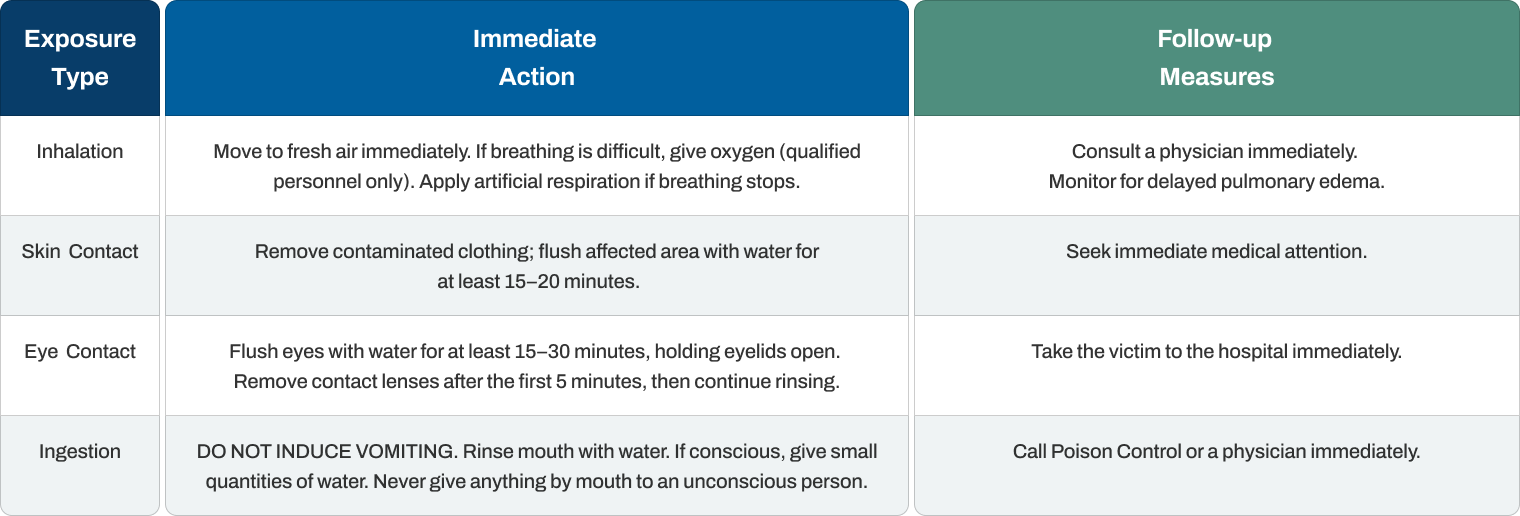
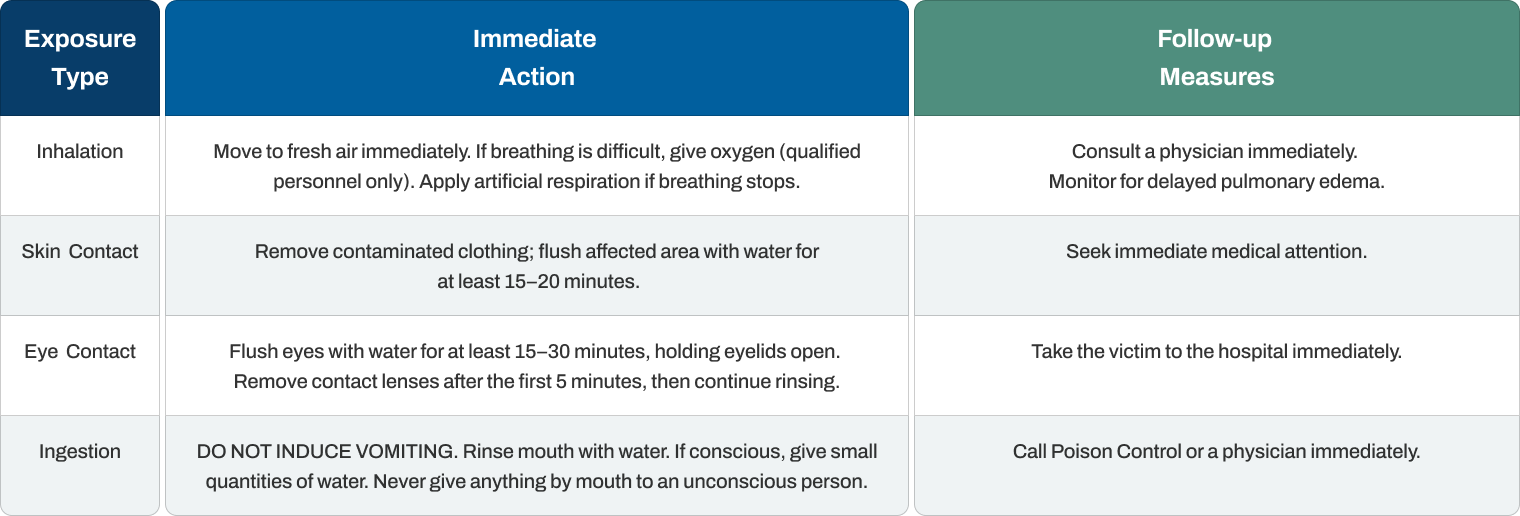
Rapid response significantly reduces injury severity. Every moment of contact causes additional tissue damage.
Notes for Medical Personnel
Toxicity depends on both concentration and pH. Monitor patients for delayed pulmonary edema after inhalation, as this serious complication may not appear for several hours.
Handling & Storage
Safe Handling Practices
Work only in well-ventilated spaces. Never breathe fumes, mists, or vapors. Wash your hands thoroughly after every handling session before eating, drinking, or touching your face. Do not eat, drink, or smoke in areas where sodium hypochlorite is used or stored.
Keep the material only in its original container or properly labeled corrosive-resistant vessels. PPE is mandatory: chemical-resistant gloves, protective clothing, face shields, and safety goggles. Requirements increase with solution concentration.
Storage Requirements
Store in cool, dark, well-ventilated areas, separated from all incompatible chemicals. Keep containers tightly sealed to prevent vapor escape and decomposition. Secure storage with locks and position containers below eye level. Use corrosive-resistant containers (polypropylene or stainless steel with resistant liners), never plain metal. Implement secondary containment and protect from sunlight, which accelerates decomposition.
Incompatibilities
Acids trigger immediate toxic chlorine gas release, even weak acids like vinegar. Ammonia and amine compounds form explosive chloramines. Organic matter, urea, and detergents also liberate chlorine gas. Reducing agents react violently with this strong oxidizer, and common household products like toilet bowl cleaners, rust removers, and vinegar can all produce hazardous gases when mixed with bleach. These accidental mixings have caused numerous poisonings and deaths.
Spill & Leak Procedures
Personal Precautions
Evacuate all personnel without proper PPE from the spill area. Establish adequate ventilation. Don chemical-resistant gloves, clothing, a face shield, and respiratory protection if vapors are present.
Small Spills
Wipe up liquid with appropriate absorbent materials. Clean the surface thoroughly with water and place all waste in properly labeled corrosive containers.
Large Spills
Stop the flow if safely possible. Apply water spray to reduce vapor generation. Contain the liquid using dikes made from non-reactive materials. Absorb with non-combustible materials such as vermiculite, sand, or earth, never organic absorbents, which can ignite on contact with this oxidizer. Prevent material from entering sewers, drains, or waterways.
Disposal
Never pour concentrations stronger than 1:10 down drains. Only properly diluted solutions (1:10 or weaker) mixed with adequate protein sources may be disposed of through sanitary sewers where local regulations permit. Concentrations above 1:10 require disposal as hazardous waste with proper documentation and licensed waste handler pickup.
Fire Hazards & Response
Fire & Explosion Hazards
Sodium hypochlorite is not flammable, but as a strong oxidizer, it supports and intensifies combustion. Contact with combustible materials may trigger ignition. The oxygen it releases makes fires burn hotter and faster. When involved in fires, it emits toxic chlorine gas, a severe respiratory hazard for firefighters and nearby populations.
Extinguishing Methods and Procedures
Standard firefighting methods apply. Use water spray to cool fire-exposed containers and prevent rupture. Firefighters must wear self-contained breathing apparatus and full protective clothing. Evacuate the area if containers are engulfed in flames or show signs of overheating.
Hazardous Combustion Products
Fires generate chlorine gas (highly toxic), sodium oxides, and oxygen gas. Downwind areas require evacuation and respiratory protection.
Regulatory Information & Compliance
EPA FIFRA Registration
Sodium hypochlorite products at 10.5% and 12.5% concentrations are registered as pesticides under FIFRA and certified to NSF/ANSI Standard 60 for use in potable water treatment systems.
EPA Regulations
CERCLA designates sodium hypochlorite as a Hazardous Substance with a Reportable Quantity (RQ) of 100 lbs (45.36 kg). Releases exceeding this amount require immediate reporting to the National Response Center. The Clean Water Act and TSCA also apply.
SARA Regulations
SARA 311/312 requires reporting under hazard categories, including corrosive to metals, skin corrosion, eye damage, and specific target organ toxicity. SARA 313 Toxics Release Inventory reporting does not apply.
DOT Classification
Classified as UN1791, Hypochlorite Solution, Class 8 (Corrosive), Packing Group II. Shipments require corrosive labels and appropriate documentation.
State Right-to-Know
Massachusetts, New Jersey, Pennsylvania, and Rhode Island list sodium hypochlorite on their Right-to-Know inventories. California Proposition 65 does not list the chemical.
Workplace Standards
OSHA considers sodium hypochlorite hazardous under the Hazard Communication Standard (29 CFR 1910.1200). No specific Permissible Exposure Limit exists. General ventilation providing 10 air changes per hour is recommended. Emergency eyewash stations and safety showers must be immediately accessible wherever the chemical is handled or stored.
Proper Dilution and Use
Effective Disinfection Concentrations
Most disinfection applications require 0.5–2% sodium hypochlorite. Higher concentrations don't necessarily improve effectiveness and increase hazards unnecessarily.
Household bleach typically contains 5.25% sodium hypochlorite. A 1:10 dilution (one part bleach to nine parts water) produces 0.53% sodium hypochlorite, approximately 5,250 ppm available chlorine, effective for most surface disinfection.
Contact Time Requirements
Surfaces must remain visibly wet with disinfectant solution for a minimum of 20 minutes to achieve effective microbial kill. Allow natural air drying or wait the full contact period before wiping.
Technical Documents & Resources
Safety Data Sheets: Obtain current Safety Data Sheets from your supplier for the specific concentration you're using. Hazard information varies significantly between household bleach (3–6%) and industrial solutions (10–15%).
Reference Documents
-
NIOSH Pocket Guide to Chemical Hazards: exposure guidance for related compounds, including chlorine gas
-
CAMEO Chemicals (NOAA): emergency response information for spills and releases
-
ATSDR ToxFAQs: accessible hypochlorite toxicology summary
-
CDC Guidelines: disinfection protocols for healthcare and other settings
Emergency Response Contacts
-
CHEMTREC: 1-800-424-9300 (24-hour emergency chemical information)
-
National Response Center: 1-800-424-8802 (CERCLA release reporting)
-
National Poison Control: 1-800-222-1222 (poisoning emergencies)
Training Requirements: Train all workers on corrosive effects, proper dilution procedures, chemical incompatibilities, and emergency response. Emphasize the danger of mixing sodium hypochlorite with toilet cleaners, rust removers, and ammonia-based products. Provide PPE training per OSHA 29 CFR 1910.1200, and ensure workers understand that risks increase significantly with concentration.
Final Note
Sodium hypochlorite ranks among the most widely used disinfectants and bleaching agents worldwide. Its proven effectiveness against bacteria, viruses, and fungi makes it indispensable across healthcare, food processing, water treatment, and cleaning applications.
Yet the same powerful oxidizing action that kills microorganisms also burns human tissue, corrodes materials, and generates toxic gases when mixed incorrectly. The single most important safety rule is never mixing sodium hypochlorite with other chemicals unless compatibility has been verified. The vast majority of serious incidents involve accidental mixing with acids, ammonia, or other cleaning products; preventing these mixtures eliminates the most common cause of injuries.
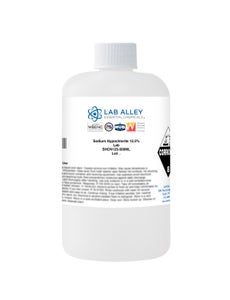
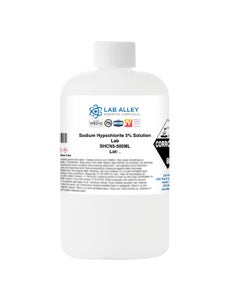
Lab Alley supplies sodium hypochlorite in various concentrations for disinfection, bleaching, and water treatment. Whether you need household-strength solutions or industrial concentrations, proper handling practices and appropriate dilution ensure both effective microbial control and worker safety.
Explore our Resource Library for more information.
Our Customer Care team is also available for more information and documentation, including chemical Safety Data Sheets.
Need Sodium Hypochlorite You Can Trust?
If you are looking for high-quality sodium hypochlorite for your lab, product line, or research facility, be sure to visit our store to explore our trusted selection and request a quote.
As your trusted partner in chemical supply, Lab Alley is always striving to meet the growing demands of our customers. We want you to be able to access all of your chemical needs in one place, along with streamlined online ordering and fast shipping.
Due to popular demand from our valued clientele, Lab Alley's sodium hypochlorite is available in a range of purities and packaging options to suit various commercial, laboratory, and personal needs.