





Shelf Life & Expiration of Sodium Hypochlorite: Storage and Stability Guide
Sodium Hypochlorite is a powerful oxidizing agent essential for disinfection, water treatment, bleaching, and sanitization applications. Understanding how long it retains an effective available chlorine concentration helps you maintain product efficacy and ensure reliable performance in critical uses. Unlike many chemical compounds, Sodium Hypochlorite is inherently unstable and continuously decomposes, making proper storage practices essential for preserving its active chlorine content.
Sodium Hypochlorite stability hinges on temperature, pH, concentration, and protection from contamination. This guide provides essential recommendations to maximize shelf life while ensuring safe handling and effective application.
In this article, we'll explore:
-
How Long Does Sodium Hypochlorite Last?
-
Signs That Sodium Hypochlorite Has Expired or Degraded
-
What to Do If Sodium Hypochlorite Is Expired
How Long Does Sodium Hypochlorite Last?
Sodium Hypochlorite longevity depends on concentration, storage temperature, pH level, and protection from light and metal contamination. Understanding these variables helps you predict active chlorine loss and plan inventory replacement.
Shelf Life Duration
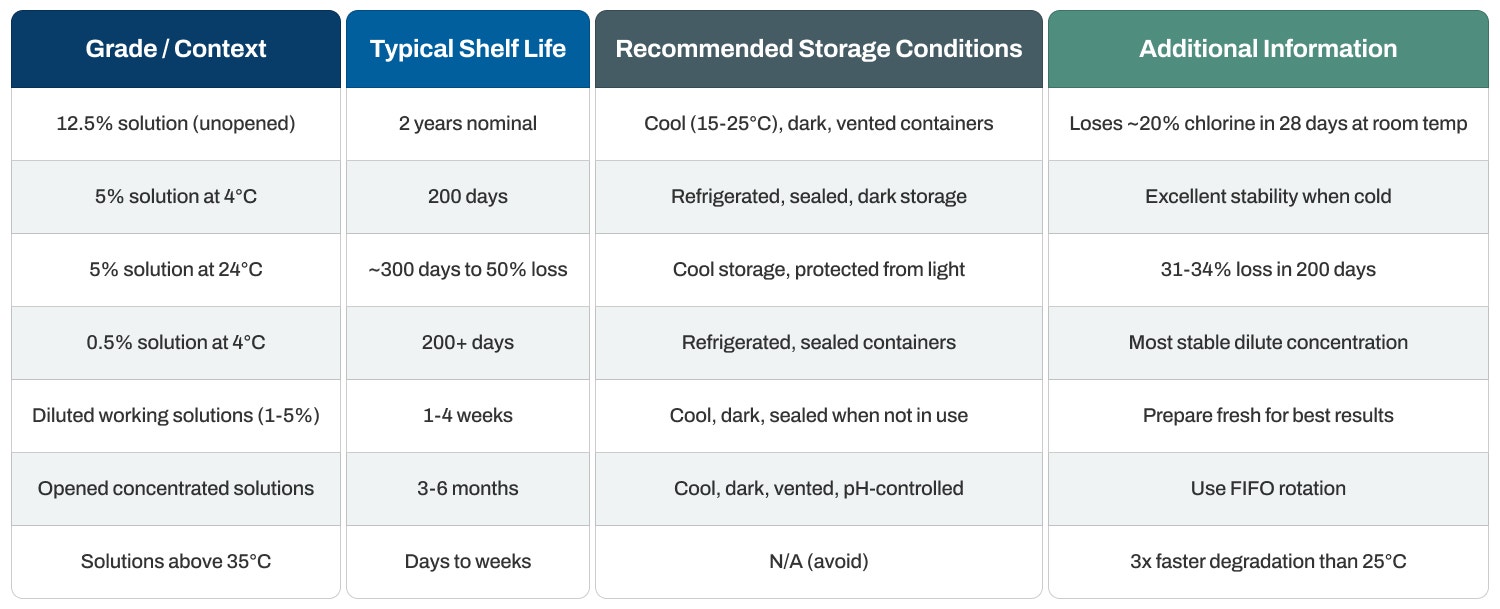
The manufacturer-assigned expiration is typically 2 years for sealed, undiluted solutions, but actual stability depends heavily on storage conditions. This timeframe represents optimal conditions rather than guaranteed performance.
Higher concentrations (10-12.5% available chlorine) degrade faster than lower concentrations. A 12.5% solution can lose approximately 20% of its available chlorine within 28 days at room temperature under optimal conditions.
Lower concentrations (7.5% and below) demonstrate greater stability. Solutions containing 0.5% available chlorine stored at 4°C maintain satisfactory stability for at least 200 days. At 5% concentration, temperature plays a decisive role: storage at 4°C keeps solutions stable for 200 days, while the same concentration at 24°C shows 31-34% chlorine loss over the same period.
Opened or diluted solutions experience significantly reduced shelf life due to exposure to air, light, and potential contamination. Diluted solutions (1-5%) should be used within 1 to 4 weeks, depending on storage conditions. Working solutions should be prepared fresh for each application session.
Chemical Stability
Sodium Hypochlorite decomposes continuously through two primary pathways: formation of chlorate ions (faster) and release of oxygen gas (slower). Both proceed simultaneously, resulting in continuous active chlorine loss.
The degradation rate is exponential, meaning significant decomposition occurs within the first few weeks after manufacture. For every 10°C increase in temperature, decomposition rate increases by a factor of 3.0 to 3.5, making thermal control the single most important storage consideration. A 5% solution stored at room temperature loses approximately 50% of its available chlorine in 300 days.
pH must remain alkaline (ideally 11-13) for maximum stability. pH below 11 accelerates decomposition and can liberate toxic chlorine gas. Additionally, metal contamination (especially nickel, copper, and cobalt) dramatically increases decomposition rates, and UV light accelerates degradation through photochemical pathways.
Concentration and Grade
Lower concentrations (7.5% and below) are more stable than higher concentrations (10-15%). This counterintuitive relationship reflects the chemical kinetics of decomposition reactions. Industrial standards require 12.5% solutions to retain a minimum of 100 g/L (10%) available chlorine after 28 days at room temperature. Once opened or diluted, shelf life drops dramatically, so fresh dilution before use is always recommended.
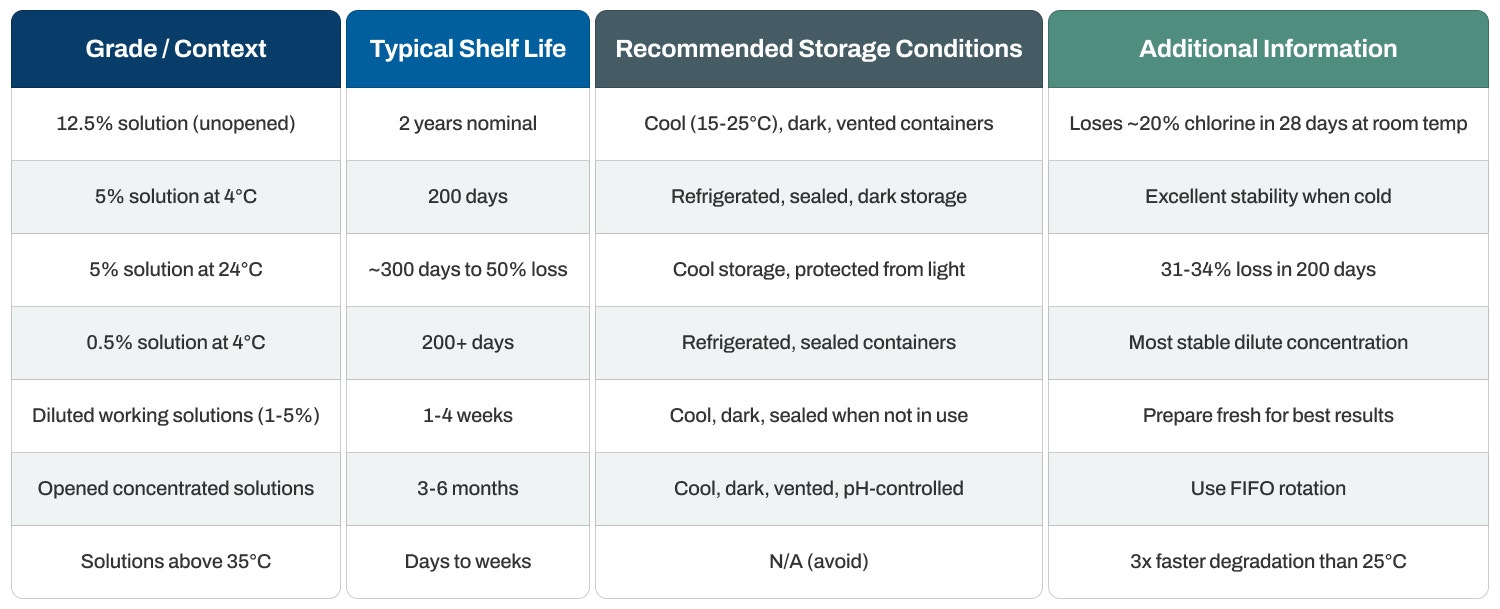
Quick Reference: Shelf Life and Storage
Signs That Sodium Hypochlorite Has Expired
-
Reduced Available Chlorine: Measured by iodometric titration or test strips, this is the most reliable indicator. A 12.5% solution must retain at least 100 g/L (10%) available chlorine after 28 days to meet industry standards.
-
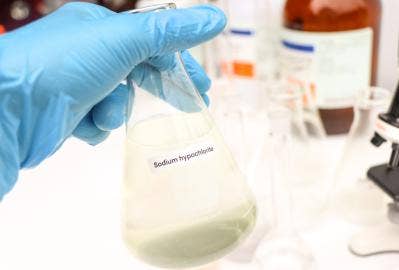
Color Changes: Fresh Sodium Hypochlorite ranges from light green to bright yellow. Significant darkening or turbidity indicates degradation or metal contamination.
-
Gas Evolution or Pressure Buildup: Swollen or pressurized containers indicate significant decomposition and pose a safety risk.
-
pH Drop: Solutions with pH below 11 are no longer optimally stable. Regular pH testing helps predict remaining shelf life.
-
Exceeded Expiration Date: Check the manufacturer-provided expiration date. Once opened, use concentrated solutions within 3-6 months and diluted working solutions within 1-4 weeks.
-
Precipitate Formation: Sediment accumulation indicates advanced degradation, particularly after temperature fluctuations or extended storage.
-
Weak Odor: Diminished chlorine smell may indicate significant chlorine loss, though chemical testing is more reliable.
What to Do If Sodium Hypochlorite Is Expired
Test Available Chlorine
Use iodometric titration or chlorine test strips to verify remaining available chlorine content. If the solution still meets minimum concentration requirements for the intended application, it may still be usable, though less effective than fresh material. Record testing results to track degradation rates and refine storage practices.
Do Not Use for Critical Applications
Expired Sodium Hypochlorite should not be used for applications requiring precise concentrations, such as drinking water disinfection, medical instrument sterilization, or food contact surface sanitization. Healthcare settings and potable water treatment require fresh solutions with verified chlorine concentrations. Non-critical uses like general facility cleaning may tolerate degraded solutions if testing confirms adequate residual chlorine.
Dispose of as Hazardous Waste
Sodium Hypochlorite is classified as a corrosive hazardous material (UN 1791, Hazard Class 8, Packing Group III). Do not pour concentrated solutions (above 1% available chlorine) down drains without neutralization. Neutralize with dilute acid solutions under controlled conditions with proper PPE and ventilation, then dispose of through licensed hazardous waste contractors or municipal collection programs. Document all disposal activities to satisfy regulatory requirements.
Replace with Fresh Stock
Source replacement material from established suppliers who can provide manufacturing date information and certificates of analysis confirming available chlorine concentration. Inspect incoming shipments for container integrity, proper labeling, and appropriate color. Coordinate purchasing to minimize on-site storage duration, as frequent smaller deliveries often provide better value than bulk purchasing, which leads to excessive degradation losses.
Proper Storage Extends Shelf Life
Implementing rigorous storage practices from the outset maximizes usability and ensures safety:
- Temperature Control: Store below 15-25°C (60-77°F) and avoid temperatures above 30°C. Refrigerated storage at 4-9°C significantly extends shelf life but is typically impractical for bulk quantities. Never freeze Sodium Hypochlorite, as freezing causes salt precipitation and container damage.
- Light Protection: Store in opaque containers or dark storage areas. Amber or opaque HDPE containers provide UV protection. Never store in clear glass containers exposed to sunlight or artificial UV sources.
- Container Requirements: Store in original manufacturer containers or containers specifically designed for Sodium Hypochlorite. Compatible materials include high-density polyethylene (HDPE), cross-linked polyethylene (XLPE), fiberglass-reinforced plastic (FRP), and chlorobutyl rubber-lined steel. Do not use containers made from carbon steel, copper, brass, aluminum, galvanized metals, or Hastelloy, as these metals contaminate the solution and accelerate decomposition. Use PVC, CPVC, or polypropylene fittings with Viton or EPDM gaskets and titanium fasteners.
- pH Maintenance: Maintain excess sodium hydroxide (NaOH) at 0.025-0.35% by weight to keep pH in the 11-13 range. A slight caustic soda excess stabilizes the solution and protects against light-induced degradation. Never allow pH to drop below 11, as this liberates toxic chlorine gas and accelerates decomposition.
- Prevent Contamination: Use only clean, deionized, or softened water for dilution to avoid introducing metal ions (especially iron, nickel, copper) or organic contaminants. Filter solutions to remove particulates. Never mix Sodium Hypochlorite with acids, ammonia, amines, reducing agents, organic solvents, or any incompatible chemicals.
- Ventilation and Pressure Relief: Store in well-ventilated areas. Bulk storage containers must be vented or equipped with pressure-relief valves to allow oxygen gas evolution without pressure buildup. Do not use airtight seals on containers holding concentrated Sodium Hypochlorite.
- Secondary Containment: Provide secondary containment for bulk storage volumes. Containment systems must hold at least 110% of the primary container volume and be constructed from corrosion-resistant materials such as sealed poured concrete, HDPE catchment basins, or FRP. This prevents environmental release in case of tank failure or spills.
- Segregation and Separation: Store away from acids, bases, organic materials, reducing agents, metals, and all incompatible chemicals. Keep separate from food, animal feed, and combustible materials. Clearly label storage areas and restrict access to trained personnel only.
- Regular Inspection: Inspect containers at least quarterly for signs of leakage, corrosion, swelling, or degradation. Test available chlorine content at regular intervals to monitor product quality. Perform periodic tank cleanouts to remove precipitates that accumulate as concentrated solutions age.
- Proper Labeling and Inventory Management: Label all containers with chemical name, concentration, date received, date opened, and expiration date. Implement first-in, first-out (FIFO) inventory rotation to use older stock first and minimize degradation losses. Always prepare working solutions fresh immediately before use.
Conclusion
Sodium Hypochlorite degrades continuously, with manufacturer-assigned expiration typically at 2 years for unopened containers. A 12.5% solution can lose approximately 20% of its available chlorine within 28 days at room temperature, while a 5% solution loses roughly 50% in 300 days at room temperature or remains stable for 200 days when refrigerated at 4°C.
Appropriate storage in compatible containers protected from heat, light, and metal contamination while maintaining alkaline pH (11-13) preserves active chlorine and maximizes shelf life. Following rigorous storage protocols, regular chlorine testing, and FIFO inventory rotation ensures dependable performance in water treatment, disinfection, bleaching, and sanitization applications.
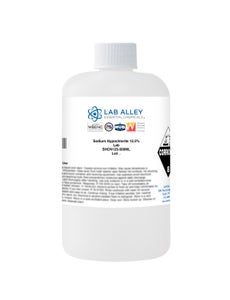
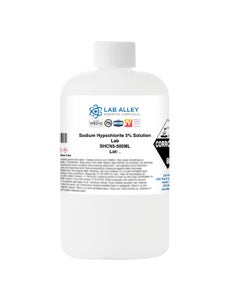
Note: Fresh Sodium Hypochlorite from Lab Alley stored under optimal conditions provides maximum available chlorine concentration and disinfecting efficacy when handled according to proper storage protocols and used within appropriate timeframes for your specific application.
For more detailed guidance, explore our Resource Library for comprehensive storage and handling information.
Our Customer Care team is also available for more information and documentation, including chemical Safety Data Sheets.
Need Sodium Hypochlorite You Can Trust?
If you are looking for high-quality sodium hypochlorite for your lab, product line, or research facility, be sure to visit our store to explore our trusted selection and request a quote.
As your trusted partner in chemical supply, Lab Alley is always striving to meet the growing demands of our customers. We want you to be able to access all of your chemical needs in one place, along with streamlined online ordering and fast shipping.
Due to popular demand from our valued clientele, Lab Alley's sodium hypochlorite is available in a range of purities and packaging options to suit various commercial, laboratory, and personal needs.