





Types of Denatured Ethanol
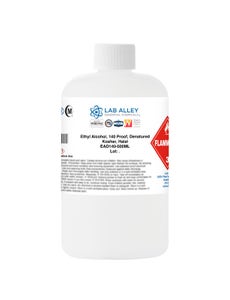
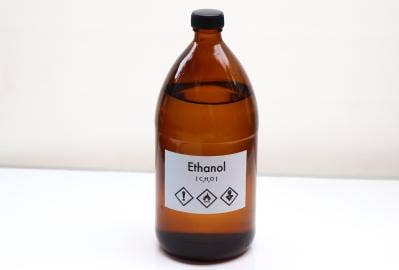
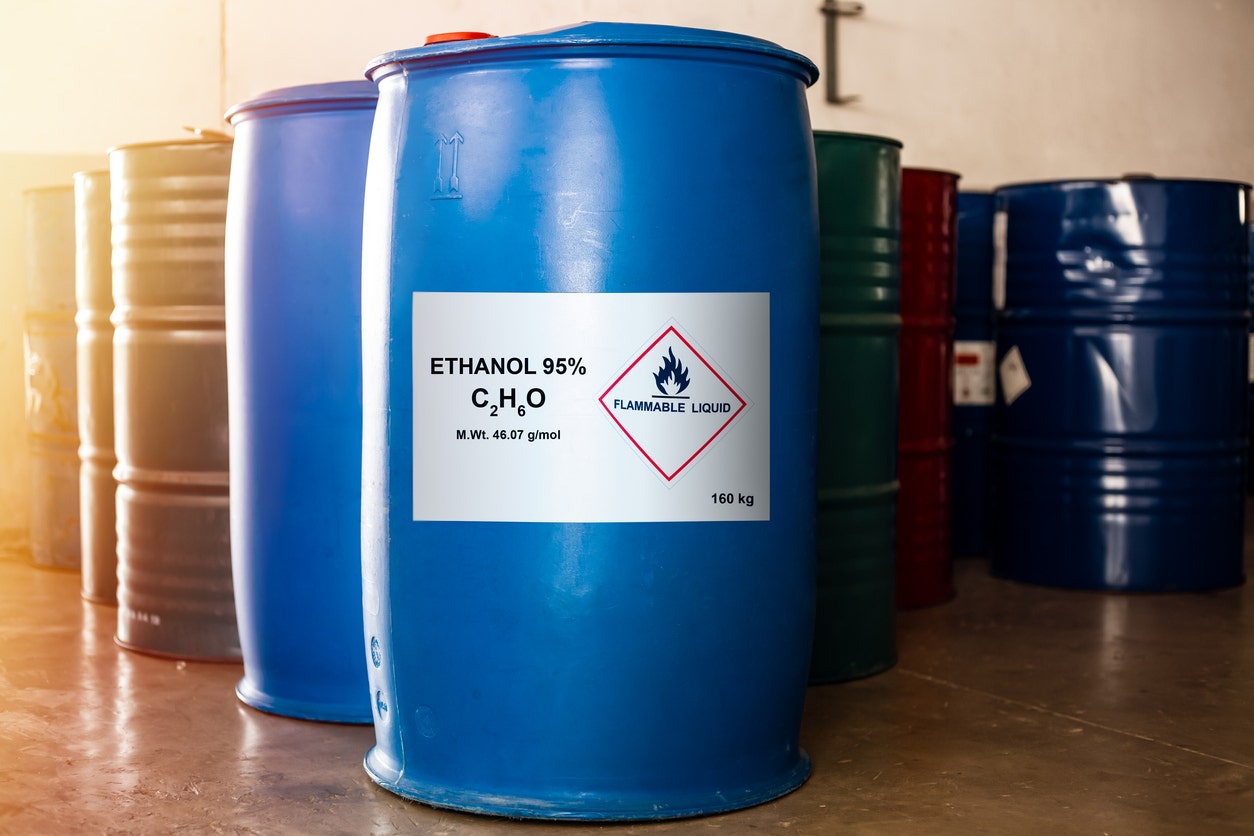
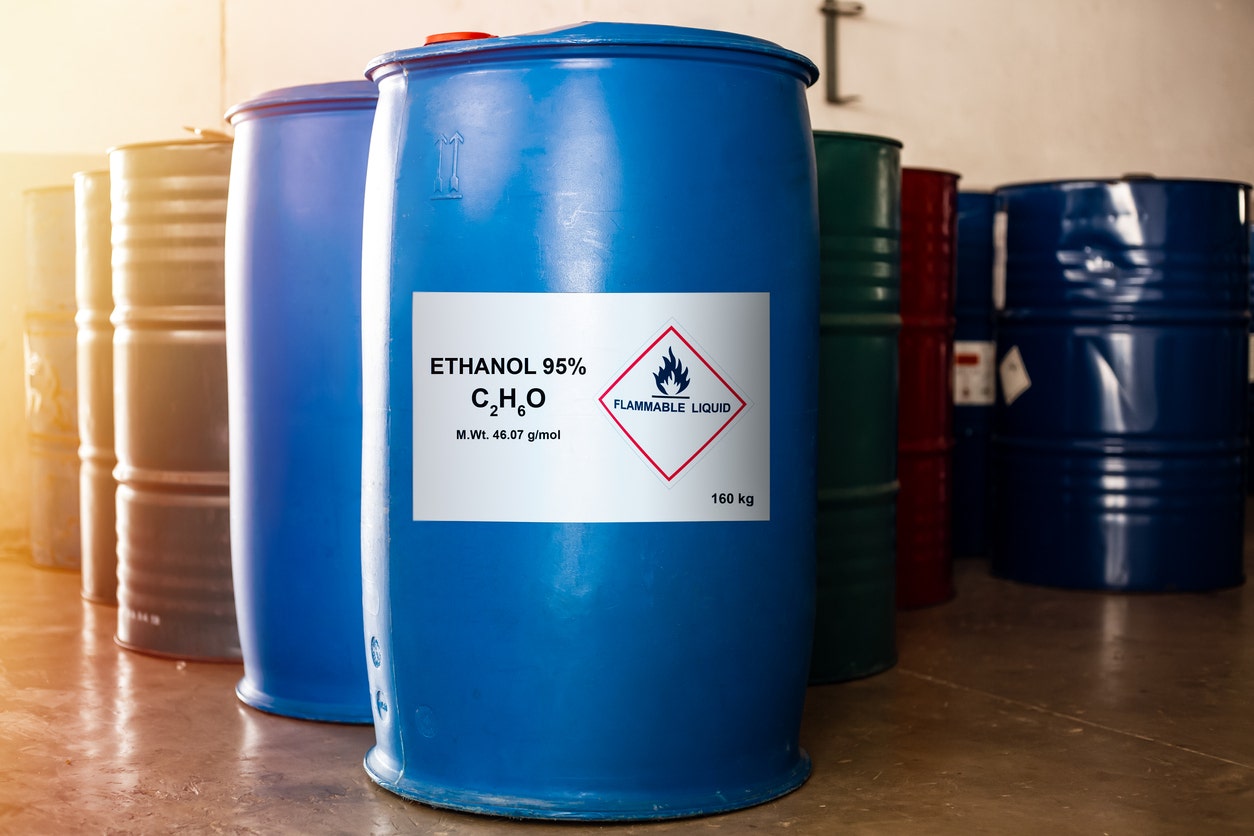
Denatured ethanol (C₂H₅OH with additives) is ethyl alcohol that contains toxic additives designed to make it poisonous, bad-tasting, or foul-smelling to prevent consumption. These additives, such as methanol, isopropanol, and various ketones, render the alcohol unsafe to drink while exempting it from beverage taxes. It exists in various formulations that differ by denaturant type, concentration, regulatory classification, and intended application, making it suitable for industrial manufacturing, cosmetic production, pharmaceutical processing, cleaning operations, and fuel applications.
The variety of denatured ethanol formulations exists because different industries need different denaturant profiles. What works for cosmetics won't work for fuel, and what's acceptable in industrial cleaning creates problems in pharmaceutical manufacturing. The federal government regulates these formulations through the Alcohol and Tobacco Tax and Trade Bureau (TTB), which prescribes exactly which denaturants can be used and in what quantities.
Choosing the right formulation means understanding both regulatory requirements and practical application needs. Get it wrong and you face compliance violations, process failures, or unnecessary costs from over-specification.
In this article, we’ll explore:
- Common Classifications & Formulations
- TTB-Approved Formulations
-
Certifications & Standards
-
Chemical Forms & Variants
-
Applications Based on Type
-
Regulatory Classifications
-
How to Choose the Right Type
Common Classifications & Formulations
The TTB divides denatured ethanol into distinct categories based on the extent of denaturation and the restrictions on its purchase and use.
Specially Denatured Alcohol (SDA)
SDA contains specific denaturants added according to TTB-prescribed formulas. Each formula uses particular denaturants chosen for compatibility with certain industrial processes. You can use SDA in manufacturing any product not intended for consumption, including cosmetics, pharmaceuticals, chemical synthesis, cleaning products, or anything where alcohol serves as a solvent or reactant.
The catch is you need an Industrial Alcohol User Permit to buy it. This permit requirement creates paperwork and oversight, but it gives you access to formulations optimized for your specific industry. The denaturants in SDA formulations are chosen to balance deterrence with process compatibility.
Completely Denatured Alcohol (CDA)
CDA has been denatured so thoroughly that it's utterly unfit for drinking. The denaturants are nearly impossible to separate from the alcohol, which is exactly the point. This thorough denaturation eliminates permit requirements for purchase and use.
Five approved formulations exist: CDA 12-A, 18, 19, 20, and 35. Each contains multiple denaturants that make the alcohol completely unpalatable and toxic. The trade-off for permit-free access is that these heavy denaturant loads may limit applications where denaturant compatibility matters.
Reagent Alcohol
This standardized laboratory formulation contains roughly 90% ethanol, 5% methanol, and 5% isopropyl alcohol. Labs use it for analytical work where a consistent denaturant profile matters for reproducible results.
The TTB classifies reagent alcohol as a "general use" article, which creates a purchasing advantage. Containers under 4 liters can be bought without Federal Excise Tax and without permits, making them accessible for educational and research settings.
Articles
Articles represent custom formulations created for specific industrial needs. You start with an approved SDA formula, then add materials that form an azeotrope with ethanol. This additional denaturation makes separation even harder while tailoring the formula to your process requirements.
Creating an article requires submitting TTB Form 5150.19 for approval. The TTB reviews your formula to ensure it meets denaturation requirements while serving your stated industrial purpose.
Fuel Grade Denatured Ethanol
Fuel-grade formulations meet both TTB denaturation requirements and EPA fuel specifications for use in gasoline blends. The denaturants must prevent consumption while also being compatible with combustion engines and fuel systems.
ASTM standards govern fuel-grade denatured ethanol to ensure it performs properly in vehicles. This creates a regulatory overlap where both TTB and EPA have oversight.
TTB-Approved Formulations
Within the SDA and CDA classifications, specific numbered formulations serve different industrial needs through carefully selected denaturant combinations.
SDA 3-A
Methanol serves as the primary denaturant in SDA 3-A. This formulation works well for industrial solvents, chemical synthesis, and manufacturing, where methanol won't cause process problems. The relatively simple denaturant profile makes it easy to account for in chemical processes.
Industries favor SDA 3-A when methanol compatibility exists because it provides straightforward denaturation without complex mixtures that could create unexpected interactions.
SDA 3-C
Isopropyl alcohol denatures SDA 3-C, offering an alternative when methanol creates problems. The secondary alcohol provides adequate deterrence while being somewhat less toxic than methanol in industrial settings.
This formulation appeals to operations where methanol causes corrosion issues, interferes with reactions, or creates toxicity concerns that exceed acceptable workplace exposure limits.
SDA 40-B
Cosmetic manufacturers consider SDA 40-B the gold standard. It uses tert-butyl alcohol and denatonium benzoate (Bitrex) as denaturants, a combination that studies show has low toxicity in topical applications. The denatonium benzoate provides extreme bitterness that prevents consumption without adding odors that would ruin perfumes and colognes.
Fragrance manufacturers particularly value SDA 40-B because the denaturants don't interfere with scent profiles. You get regulatory compliance and consumption deterrence without compromising the product's primary purpose.
CDA 12-A
This heavily denatured formulation contains methanol, isopropanol, and methyl isobutyl ketone. The multiple denaturants ensure nobody would consider drinking it, which enables permit-free purchase and use. Industrial cleaning operations often choose CDA 12-A for its regulatory simplicity.
The trade-off is reduced flexibility because the heavy denaturant load makes CDA 12-A unsuitable for applications where denaturant compatibility matters.
Other CDA Formulations
CDA 18, 19, 20, and 35 provide alternatives with different denaturant combinations. Each addresses specific industrial needs while maintaining the thorough denaturation that eliminates permit requirements.
General-Use Formulas
The TTB publishes certain formulas in 27 CFR Part 20 as general-use options. These include special industrial solvents made with SDA Formula 1, 3A, or 3C that don't require custom formula approval.
Certifications & Standards
Beyond basic formulation, various certifications and standards govern how denatured ethanol is produced and used across different industries.
TTB Formula Compliance forms the foundation. Every denatured alcohol batch must match approved formulas exactly as specified in 27 CFR Part 21. The denaturant types and amounts aren't negotiable because they protect both tax revenue and public health.
Industrial Use Permits are mandatory for SDA purchases. You apply to the TTB National Revenue Center, demonstrating your legitimate industrial use and ability to maintain proper records.
Formula Approval through TTB Form 5150.19 applies when you're creating articles with custom formulations. The approval process verifies that your formula provides adequate denaturation while serving your stated industrial purpose.
Kosher/Halal Certification matters for cosmetic and personal care applications serving religious communities. Some denatured formulations can obtain religious certification when the denaturants and production processes meet dietary law requirements.
cGMP Compliance applies when using denatured alcohol in pharmaceutical manufacturing. Current Good Manufacturing Practices ensure quality and safety throughout drug production.
ASTM Standards govern fuel-grade denatured ethanol to ensure engine compatibility and performance. These specifications address properties beyond denaturation, like vapor pressure and combustion characteristics.
Chemical Forms & Variants
Denatured ethanol formulations vary not just in denaturants but in how they're produced and presented for different applications.
SDA Formulations
Numbered designations like SDA 3-A, 3-C, and 40-B identify specific denaturant combinations approved for particular uses. The numbers correspond to specific formulas in TTB regulations with exact specifications for denaturant types and quantities.
CDA Formulations
The five CDA variants (12-A, 18, 19, 20, 35) represent thoroughly denatured options available without permits. Each uses multiple denaturants in combinations that make the alcohol completely undrinkable while serving different industrial process needs.
High-Proof Formulations
TTB requires alcohol of at least 185 proof for manufacturing SDA formulas unless specific exceptions apply. This high proof ensures that denaturants distribute properly and remain effective throughout storage and use.
Cosmetic Grade
Formulations like SDA 40-B are specifically designed for cosmetic applications. The denaturants balance regulatory requirements with cosmetic industry needs, preventing consumption without adding odors, colors, or toxicity that would compromise topical products.
Industrial Solvent Grade
These heavily denatured formulations prioritize solvent properties and industrial process compatibility. The denaturants are chosen to maintain cleaning power, dissolution capability, and chemical reactivity needed for manufacturing applications.
Fuel Grade
Fuel-grade formulations must work both as denaturants and as fuel components. They prevent consumption while meeting combustion requirements, vapor pressure specifications, and engine compatibility standards.
Applications Based on Type
Different formulations excel in specific applications based on their denaturant profiles and regulatory classifications.
Cosmetics & Personal Care
SDA 40-B dominates cosmetic applications, including perfumes, colognes, hairsprays, and personal care products. The tert-butyl alcohol and denatonium benzoate combination prevents consumption without compromising product aesthetics or safety for topical use.
Cosmetic manufacturers accept the Industrial Alcohol User Permit requirement because SDA 40-B's formulation is specifically optimized for their needs.
Industrial Manufacturing
Chemical manufacturers choose between SDA and CDA based on permit tolerance and denaturant compatibility needs. SDA formulations like 3-A and 3-C work when methanol or isopropanol compatibility exists. CDA formulations suit operations wanting permit-free access despite heavier denaturant loads.
Pharmaceutical Manufacturing
Pharmaceutical operations use selected SDA formulations for non-consumption products like topical preparations and as processing solvents. The denaturants must not compromise drug safety or efficacy, which limits formulation choices.
Cleaning & Disinfection
Industrial cleaning operations often prefer CDA formulations because permit-free access simplifies procurement and reduces compliance burden. The heavy denaturant loads don't matter for cleaning applications where alcohol effectiveness is what counts.
Laboratory & Research
Reagent alcohol's standardized formulation ensures reproducible results across experiments and laboratories. Researchers know exactly what denaturants are present and can account for them in analytical procedures.
Fuel Applications
Fuel-grade denatured ethanol serves gasoline blending and fuel additive applications where both TTB denaturation and EPA fuel quality requirements apply. The denaturants must prevent consumption while maintaining combustion properties and engine compatibility.
Regulatory Classifications
The regulatory landscape for denatured ethanol involves multiple classifications affecting how you can purchase and use different formulations.
TTB-Regulated SDA
SDA operates under permit requirements, formula approvals, and extensive recordkeeping obligations specified in 27 CFR Parts 20 and 21. You need an Industrial Alcohol User Permit and must maintain detailed records of receipts, usage, and inventory.
TTB-Regulated CDA
CDA's thorough denaturation eliminates permit requirements for purchase and use, but manufacturers still must comply with TTB formulas and distilled spirits plant regulations. This creates a compliance advantage for industrial operations.
Tax-Free Status
Both SDA and CDA avoid Federal Excise Tax because denaturants make them unfit for consumption. This tax exemption creates substantial cost savings compared to tax-paid ethanol.
General-Use Articles
These standardized formulations published in TTB regulations can be used without custom formula approval. They provide simplified access for common applications where standard denaturant profiles work adequately.
Export Formulations
Special regulations govern denatured alcohol exports, addressing international treaty requirements and foreign regulatory frameworks. Export formulations may differ from domestic versions to meet importing country requirements.
Fuel Regulations
Fuel-grade denatured ethanol faces both TTB alcohol regulations and EPA fuel standards, plus Renewable Fuel Standard requirements. This creates layered compliance where multiple federal agencies have oversight.
How to Choose the Right Type
Selecting appropriate denatured ethanol means balancing application needs, regulatory requirements, and practical considerations.
Match formulation to your specific use. Cosmetic applications demand SDA 40-B because denaturants won't interfere with products or create topical toxicity concerns. Industrial solvents might use SDA 3-A or 3-C when permits are acceptable, or CDA formulations when permit-free access matters more. Laboratory work typically requires reagent alcohol for its standardized composition.
Evaluate denaturant compatibility carefully. Methanol-containing formulations create problems in applications where methanol corrodes equipment, interferes with reactions, or exceeds acceptable workplace exposure limits. Ketone denaturants affect certain plastics and elastomers. Check whether denaturants in candidate formulations will cause process problems.
Consider permit requirements. SDA requires Industrial Use Permits and formula approvals, creating compliance costs and administrative burden. CDA eliminates permits but limits you to available formulations. Small-quantity reagent alcohol offers exemptions but only for laboratory-scale use.
Assess regulatory compliance. SDA users maintain detailed records of receipts, usage, and inventory. Article producers need approved formulas on file. Ensure your operation can handle compliance requirements before selecting formulations that require them.
Review toxicity considerations. SDA 40-B has demonstrated low toxicity for topical use. Methanol-containing formulations require enhanced workplace controls. CDA formulations with multiple toxic denaturants demand comprehensive safety programs.
Evaluate cost factors. CDA offers permit-free access, reducing administrative costs. SDA requires permit maintenance, adding overhead. All denatured formulations provide tax-free status, creating savings versus tax-paid ethanol. Calculate the total cost of ownership, including compliance expenses.
Verify supplier qualifications. Confirm suppliers hold appropriate TTB permits as distilled spirits plants or dealers. Check that they provide certificates of analysis documenting denaturant compliance and maintain quality systems, ensuring consistent formulations.
Check processing compatibility. Verify denaturants won't damage equipment, interfere with reactions, or contaminate products. Understand that CDA formulations are difficult to separate if you need to recover ethanol.
Key Takeaways
Denatured ethanol provides tax-advantaged alternatives to beverage alcohol by incorporating toxic additives that prevent consumption while serving essential industrial, cosmetic, pharmaceutical, and fuel applications where cost effectiveness and regulatory compliance both matter.
For more detailed guidance, explore our Resource Library.
Our Customer Care team is also available for more information and documentation, including chemical Safety Data Sheets.
Find Denatured Ethanol You Can Trust
If you are looking for high-quality denatured ethanol for your lab, product line, or research facility, be sure to visit our store to explore our trusted selection and request a quote.
As your trusted partner in chemical supply, Lab Alley is always striving to meet the growing demands of our customers. We want you to be able to access all of your chemical needs in one place, along with streamlined online ordering and fast shipping.
Due to popular demand from our valued clientele, Lab Alley's denatured ethanol is available in a range of purities and packaging options to suit various commercial, laboratory, and personal needs.