





How and Why to Treat n-Hexane Waste
Note: n-Hexane is a highly flammable hydrocarbon solvent that does not require pH neutralization. However, n-hexane waste requires specialized treatment and disposal due to its extreme flammability, volatile organic compound (VOC) emissions, and potential health hazards. This guide addresses proper handling and disposal of n-hexane-containing waste.
Treating n-Hexane waste is critical for workplace safety, fire prevention, and environmental protection. Whether dealing with vegetable oil extraction, laboratory chromatography, printing operations, or pharmaceutical synthesis, proper n-hexane treatment helps prevent catastrophic fires and protects workers from serious neurological damage.
Facilities using n-hexane across food processing, analytical laboratories, printing and adhesive manufacturing, and pharmaceutical operations regularly generate waste streams containing this hazardous solvent. The compound's extremely low flash point and neurotoxic effects create severe risks that specialized treatment procedures address through stringent controls.
This guide explores the vital aspects of n-hexane waste treatment, covering the reasons for treatment, step-by-step procedures, and safety protocols that protect workers while ensuring regulatory compliance.


In this article, we’ll explore:
- Why Treat n-Hexane
- How to Treat n-Hexane Waste
- Safety Precautions During Treatment
Why Treat n-Hexane?
Understanding the reasons for treating n-hexane waste helps establish appropriate protocols across different facility types and applications.
Safety & Spill Response
n-Hexane is extremely flammable with a flash point of -21°C (-6°F), creating severe fire and explosion hazards even at freezing temperatures. Vapors are heavier than air and can travel considerable distances to ignition sources, causing flashback fires that ignite at points far from the original release.
Inhalation of vapors causes central and peripheral nervous system effects, including numbness, muscle weakness, and potential long-term neurological damage that may become permanent. Proper treatment reduces fire risks and prevents exposure to toxic vapors during waste management activities.
Industrial & Laboratory Use
n-Hexane waste generated from extraction, cleaning, and analytical operations requires proper disposal to prevent fire hazards and environmental contamination throughout facilities. Treatment ensures safe handling and regulatory compliance under RCRA hazardous waste regulations that govern ignitable materials.
Industries including food processing for vegetable oil extraction, laboratories conducting lipid analyses, printing operations, and adhesive manufacturing generate significant n-hexane waste volumes requiring specialized management.
Environmental Protection
n-Hexane is volatile and contributes to VOC emissions if improperly handled, degrading air quality. Listed as a Hazardous Air Pollutant (HAP) under the Clean Air Act Amendments due to atmospheric reactivity. Can contaminate groundwater if released, though high volatility generally limits environmental persistence compared to heavier solvents.
Regulatory compliance requires proper management under RCRA, specifically D001 ignitable waste classification, which triggers strict handling and disposal requirements.
How to Treat n-Hexane
Effective n-hexane waste treatment follows a structured approach, ensuring safety while achieving treatment goals through appropriate methods.
Step 1: Identify the Chemical Properties
Determine n-hexane concentration and purity in the waste stream to assess recovery potential. Measure volume to calculate disposal requirements and associated costs for hazardous waste management.
Identify contaminating substances, including oils, heavy metals, acids, or other solvents, affecting disposal classification and treatment options. Pure n-hexane waste versus contaminated mixtures require different disposal approaches, with pure material suitable for recovery.
Worker protection requires awareness that the OSHA permissible exposure limit (PEL) is 500 ppm as time-weighted average, while the ACGIH threshold limit value (TLV) is 50 ppm TWA with skin notation indicating absorption through dermal contact.
Step 2: Select Appropriate Treatment Methods
Distillation/Recovery:
For relatively pure n-hexane waste exceeding 70% purity, distillation allows solvent recovery and reuse in operations. This is economically viable for large-volume generators and reduces waste disposal costs substantially. Requires proper distillation equipment with fire suppression systems and explosion-proof controls throughout.
Hazardous Waste Incineration:
n-Hexane waste must be disposed of through RCRA-approved incinerators designed for ignitable hazardous waste with appropriate combustion temperatures. This is required for contaminated waste that cannot be recovered due to impurities or mixed solvents.
Fuel Blending:
Some n-hexane waste may be acceptable for blending as supplemental fuel in industrial boilers or cement kilns under appropriate air quality permits. Provides energy value while destroying the solvent completely.
Evaporation (Restricted Use Only):
Very small laboratory quantities of pure n-hexane can be evaporated in certified fume hoods with adequate exhaust capacity designed for flammable materials. This releases VOCs and is generally discouraged except for minimal volumes where collection is impractical.
Licensed Waste Contractor:
Most n-hexane waste should be collected and disposed of through licensed hazardous waste contractors specializing in flammable solvents with proper transportation credentials.
Step 3: Treatment Procedure
Work in well-ventilated areas away from ALL ignition sources. Wear appropriate PPE, including chemical-resistant gloves such as nitrile, PVA, or Viton®, safety glasses, flame-resistant clothing, and a face shield for large volumes.
For spills, ELIMINATE ALL IGNITION SOURCES IMMEDIATELY before approaching the release area. Evacuate the area if the spill is large and poses an immediate fire danger. Use non-combustible absorbents such as vermiculite, sand, or commercial absorbents. Do NOT use sawdust or other combustible materials that could fuel subsequent fires. Do not allow material to enter drains or sewers where vapors could travel and find ignition.
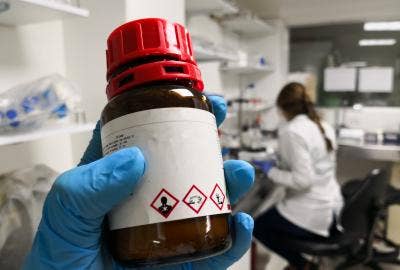
For storage before disposal, use tightly sealed, approved containers labeled "HAZARDOUS WASTE - FLAMMABLE" with all required information. Store in a flammable liquids storage cabinet or room away from heat, sparks, and incompatible materials such as oxidizers.
For recovery through distillation, use only explosion-proof equipment with proper grounding and bonding to prevent static discharge. Follow manufacturer protocols for solvent recovery operations. Ensure adequate fire suppression capability including appropriate extinguishers and suppression systems.
NEVER pour n-hexane down drains or discharge to sewers. This violates environmental regulations and creates explosion hazards in drainage systems where vapors can accumulate and find ignition sources.
Use non-sparking tools and equipment when handling n-hexane containers to prevent accidental ignition from mechanical sparks.
Step 4: Monitoring and Validation
Verify containers are properly labeled with hazardous waste labels, including the accumulation start date required by regulations. Ensure waste characterization is accurate for proper disposal classification under RCRA standards.
Monitor storage areas for vapor accumulation using appropriate detection equipment if warranted by storage volume or configuration. Maintain waste manifests and disposal records for regulatory compliance and audit trails.
Track waste generation and accumulation times to comply with generator status requirements. Facilities must ship waste within 90-270 days, depending on the generator category assigned by regulatory agencies.
Step 5: Dispose of Treated Waste
n-Hexane waste is classified as RCRA D001 ignitable hazardous waste based on flash point characteristics. Must be disposed of through licensed hazardous waste contractors to RCRA-approved incineration facilities with appropriate permits.
Empty n-hexane containers retain hazardous vapors and must be handled as hazardous waste unless triple-rinsed and depressurized according to regulatory specifications. Mixed hexane with other solvent wastes should be segregated from halogenated solvents to reduce disposal costs, as halogenated waste incurs higher fees.
Waste containing n-hexane from printing operations may be classified as K086 ink sludge waste under specific industrial source categories. Consult Safety Data Sheets and RCRA regulations for specific classification requirements applicable to your operations.
Special Considerations for n-Hexane Treatment
Food Processing Industry (Vegetable Oil Extraction): Large-scale vegetable oil extraction generates significant n-hexane waste from seed processing operations. Recovery and recycling systems are standard practice to minimize waste and costs in this high-volume application. Residual n-hexane in extracted materials requires careful monitoring to meet food safety standards before products enter commerce.
Laboratory Applications: Analytical and research laboratories generate n-hexane waste from extraction and chromatography procedures for lipid analysis and organic compound separation. Small volumes can be combined with other compatible non-halogenated solvents for bulk hazardous waste disposal, reducing container counts. n-Hexane mixed with halogenated solvents increases disposal costs significantly, so maintain segregation. Keep separate waste containers for different solvent types to enable cost-effective disposal.
Printing and Adhesive Industries: Printing ink formulations and adhesive manufacturing use n-hexane as a solvent carrier for resins and pigments. Waste may be classified under specific industrial waste codes, such as K086 for certain operations. Implement vapor recovery systems to minimize emissions and waste generation while protecting workers.
Pharmaceutical Manufacturing: Pharmaceutical synthesis and extraction operations generate n-hexane waste from reaction workups and purification steps. Contamination with pharmaceutical compounds may affect waste classification beyond the base ignitable designation. Recovery systems are commonly employed for cost reduction, given the large volumes generated.
Safety Precautions During Treatment
Correct safety practices protect workers and ensure successful treatment outcomes across all facility types.
Personal Protective Equipment: ALWAYS wear chemical-resistant gloves made from nitrile, PVA, or Viton® materials that resist n-hexane permeation. Use safety goggles or a face shield to protect eyes from splashes. Wear a flame-resistant lab coat or clothing to reduce burn severity if ignition occurs. Wear appropriate thermal protective clothing when necessary for fire response situations.
Fire Prevention (CRITICAL): Eliminate ALL ignition sources, including open flames, hot surfaces, sparks, smoking, static electricity, and non-explosion-proof electrical equipment from work areas. Ground and bond all containers during transfer operations to prevent static discharge ignition. Use only explosion-proof ventilation and lighting in n-hexane work areas to prevent electrical sparks.
Ventilation: Ensure explosion-proof local exhaust ventilation or conduct operations in certified fume hoods rated for flammable materials. n-Hexane vapors are heavier than air and accumulate in low-lying areas, floor-level drains, and confined spaces. Monitor these areas carefully with appropriate detection equipment.
Vapor Hazards: Exposure can cause dizziness, headache, nausea, and narcosis in acute scenarios. Chronic exposure causes peripheral neuropathy with numbness and muscle weakness that may progress to permanent disability. Skin absorption is possible through direct contact, so avoid prolonged dermal exposure.
Fire Fighting: Use dry chemical, CO₂, or alcohol-resistant foam extinguishers for n-hexane fires. DO NOT use water jets, as n-hexane floats on water and spreads the fire. Water spray may be used to cool fire-exposed containers to prevent rupture. Evacuate immediately if containers are exposed to fire conditions.
Emergency Preparedness: Have appropriate fire extinguishers readily available, including dry chemical and CO₂ units sized for expected fire scenarios. Maintain eyewash stations and safety showers for decontamination. Emergency response plans must address flammable liquid spills with clear procedures and responsibilities.
Aspiration Hazard: If ingested, DO NOT INDUCE VOMITING due to severe aspiration hazard if material enters lungs. Seek immediate medical attention and provide the Safety Data Sheet to responders.
Storage Safety: Store in approved flammable liquids storage cabinets or rooms meeting fire code requirements. Keep containers tightly closed when not actively transferring material. Ensure adequate ventilation in storage areas to prevent vapor buildup. Post "NO SMOKING" signs prominently.
Reproductive Hazard: n-Hexane is suspected of damaging fertility and the unborn child according to California Prop 65 listing. Use appropriate controls to minimize exposure for workers of reproductive age.
Conclusion
Proper treatment and disposal of n-Hexane is CRITICAL for workplace safety and environmental protection across food processing, laboratory, printing, and pharmaceutical applications. The extreme flammability with flash point of -21°C and significant health hazards, including permanent neurological damage associated with n-hexane, require strict adherence to safety protocols and regulatory requirements without exception. Due to its classification as RCRA D001 ignitable hazardous waste, n-hexane cannot be disposed of through normal waste streams and must be managed through licensed hazardous waste contractors or approved recovery systems with proper controls. The potential for severe fire hazards from vapor travel and ignition, combined with long-term neurological effects from chronic exposure, make proper handling, ventilation, and disposal non-negotiable safety requirements that protect both workers and surrounding communities.
For more detailed guidance, explore our Resource Library.
Our Customer Care team is also available for more information and documentation, including chemical Safety Data Sheets.
Need n-Hexane You Can Trust?
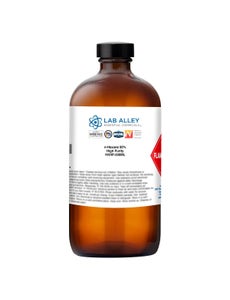
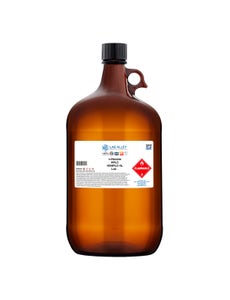
If you are looking for high-quality n-Hexane for your lab, product line, or research facility, be sure to visit our store to explore our trusted selection and request a quote.
As your trusted partner in chemical supply, Lab Alley is always striving to meet the growing demands of our customers. We want you to be able to access all of your chemical needs in one place, along with streamlined online ordering and fast shipping.
Due to popular demand from our valued clientele, Lab Alley's n-Hexane is available in a range of purities and packaging options to suit various commercial, laboratory, and personal needs.