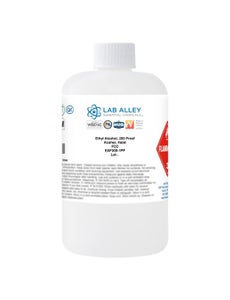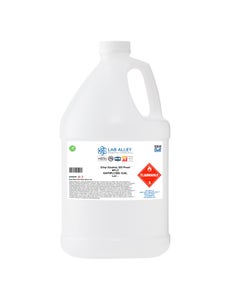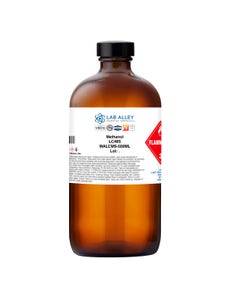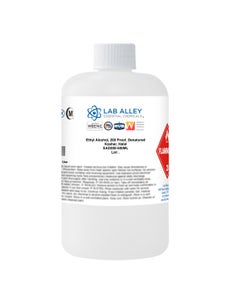






How to Store Ethanol: Best Practices for Safety and Quality
Ethanol is a highly flammable, volatile organic liquid that requires strict storage practices to maintain its quality, prevent contamination, and ensure safe handling. Due to its classification as a Class I flammable liquid and its hygroscopic nature, proper storage is critical for all grades and concentrations of ethanol.
Fire prevention dominates every aspect of ethanol storage. The compound's low flashpoint of 55°F (13°C) means vapors can ignite at room temperature. A single spark, hot surface, or static discharge can trigger fires or explosions that devastate facilities and injure workers. Beyond fire risks, ethanol's ability to absorb atmospheric moisture changes concentration over time, affecting performance in applications requiring precise alcohol content.
Different industries face unique storage challenges. Pharmaceutical companies need contamination-free environments. Laboratories handle smaller quantities but face diverse grades and concentrations. Food processors must prevent contamination while managing fire risks. Industrial facilities deal with bulk quantities requiring specialized tanks and extensive fire protection systems.


In this article, we’ll examine
- Recommended Storage Conditions
-
Container & Packaging Requirements
-
Segregation & Compatibility
-
Safe Handling in Storage Areas
-
Regulatory Compliance & Labeling
-
Special Considerations by Ethanol Type
Recommended Storage Conditions
Creating the right storage environment balances fire prevention with product quality preservation. Every condition affects safety, making careful attention to environmental factors essential.
Temperature Control
Keep storage areas between 15°C and 25°C (59-77°F). Temperature directly affects vapor generation. Warmer conditions produce more vapor, increasing fire risk and accelerating evaporation. Temperatures climbing above 30°C dramatically increase danger levels.
Location selection matters enormously. Pick climate-controlled spaces or naturally cool locations away from heat sources. Daily and seasonal temperature swings create problems beyond simple heat. Repeated expansion and contraction cycles stress containers and seals.
Humidity Control
Ethanol pulls moisture from the air aggressively. Leave a container open in humid conditions, and the concentration drops measurably within days. This hygroscopic property becomes critical for absolute ethanol, needing maximum purity, but affects all grades to varying degrees.
Check seals religiously. Caps that feel tight may leak slowly. Threaded closures wear out. Gaskets compress and crack. Replace closure hardware regularly rather than waiting for obvious failure.
Light Exposure
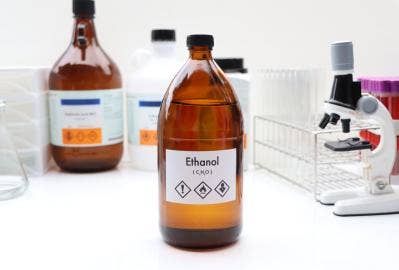
Sunlight slowly damages ethanol through photochemical reactions. UV radiation breaks molecular bonds, though ethanol resists this better than many organics. Dark storage rooms solve multiple problems at once. Opaque containers work anywhere. Amber glass bottles add elegance while blocking light.
Heat and light together accelerate problems faster than either alone. Sunlit windowsills represent worst-case scenarios, combining UV radiation with elevated temperatures.
Ventilation
Vapor accumulation creates two distinct hazards. First, flammable vapors reaching 3.3% concentration can explode from tiny ignition sources. Second, breathing ethanol vapors causes health effects from headaches to intoxication.
Being heavier than air, ethanol vapors flow downward and pool in low spots. Floor drains, pits, basements, and corners without air movement trap vapors. Ventilation systems must circulate air at floor level, not just ceiling height.
Storage Duration
Chemically, ethanol lasts forever when sealed properly. The compound doesn't decompose, polymerize, or form degradation products under normal conditions. However, physical changes occur even in sealed containers. Evaporation through imperfect seals concentrates solutions gradually. Moisture infiltration dilutes them.
Practical storage limits depend more on container integrity than chemical stability. Inspect long-term storage annually and transfer contents to fresh containers when originals show age.
Container & Packaging Requirements
Container selection affects safety more than any other single factor. Wrong materials create fire hazards or contamination. The right materials provide reliable long-term storage with minimal maintenance.
Material Compatibility
Glass, HDPE plastic, stainless steel, and PTFE fluoropolymer all resist ethanol without reaction. PET, LDPE, and PP plastics also work acceptably. Choose materials based on volume, mobility requirements, and budget constraints.
Glass excels for laboratory quantities under 5 gallons. HDPE dominates industrial storage for good reasons. The plastic handles ethanol from dilute solutions to absolute grades and survives drops that shatter glass. Stainless steel tanks serve bulk storage in facilities using thousands of gallons.
Skip aluminum, zinc, copper, and their alloys. Ethanol slowly corrodes these metals, contaminating stored material while weakening containers.
Approved Safety Containers
Building codes and OSHA regulations mandate approved safety containers for flammable liquids. Spring-closing lids automatically seal containers after each use. Flame arresters in container openings stop external flames from reaching contents. Pressure relief vents prevent explosions if the fire heats the containers.
Type I safety cans feature single openings serving both filling and dispensing. Type II safety cans provide separate pour spouts with actuated valves for controlled dispensing.
Storage Cabinet Requirements
Approved flammable liquid storage cabinets contain fires long enough for evacuation and emergency response. OSHA limits each cabinet to 60 gallons maximum. Facilities can have up to three cabinets per fire area.
Cabinet construction includes double-wall steel with air gaps for insulation. Doors close and latch automatically during fires. Label cabinets prominently with "FLAMMABLE - KEEP FIRE AWAY" warnings.
Segregation & Compatibility
Keeping incompatible materials separated prevents reactions ranging from annoying to catastrophic.
Fire Hazard Separation
Distance ethanol from every possible ignition source. Furnaces, water heaters, electrical panels, and motors all generate heat or sparks. Building codes specify minimum separation distances varying by jurisdiction and quantity. Typical requirements range from 10 to 50 feet.
Designate ethanol storage areas as hot-work-free zones. Prohibit welding, cutting, grinding, or any spark-producing activities.
Chemical Incompatibilities
Strong oxidizers represent the most dangerous incompatibility. Materials like hydrogen peroxide, nitric acid, and chlorine react violently with ethanol. Sulfuric acid contact with ethanol produces dangerous exothermic reactions. Never store ethanol near sulfuric acid. The combination with hydrogen peroxide creates Piranha solution, extremely dangerous and reactive.
Grade Segregation
Food-grade ethanol cannot touch denatured ethanol, even temporarily during transfers. Denaturants include methanol, which causes blindness, and other toxic compounds. Pharmaceutical-grade ethanol demands similar separation.
Physical separation plus clear labeling prevents mix-ups. Color-coding helps: green for food-grade, yellow for denatured, blue for pharmaceutical, for example.
Safe Handling in Storage Areas
Procedures during routine operations create most accidents. Perfect storage means nothing if daily handling creates hazards or exposures.
Personal Protective Equipment (PPE)
Chemical-resistant gloves protect skin during transfers and handling. Neoprene, Butyl, and Viton gloves resist ethanol better than nitrile or latex. Safety goggles with side shields create splash protection. Flame-resistant clothing reduces burn injuries if ignition occurs. Cotton or wool provides reasonable protection.
Respiratory protection becomes necessary when ventilation cannot maintain safe vapor levels. Organic vapor cartridge respirators filter ethanol vapors effectively.
Fire Safety Equipment
Class B fire extinguishers handle flammable liquid fires. Alcohol-resistant foam extinguishers work best for ethanol specifically. Standard foam breaks down on contact with alcohol.
Mount extinguishers near exits rather than deep within storage areas. During fires, exit routes must remain accessible.
Emergency Equipment
Eyewash stations provide a critical first response for eye splashes. Fifteen minutes of continuous flushing removes contaminants before serious damage occurs. Safety showers handle large skin exposures. Locate showers within 10 seconds of travel time from handling areas.
Spill containment materials should be immediately available. Use non-reactive materials that won't ignite if contaminated ethanol catches fire.
Regulatory Compliance & Labeling
Multiple regulatory frameworks govern ethanol storage. Overlapping federal, state, and local requirements create complex compliance landscapes.
Building Code Compliance
Fire codes address storage building construction, occupancy classification, and fire protection systems. Electrical systems in ethanol storage areas need hazardous location ratings. Explosion-proof or intrinsically safe equipment eliminates ignition sources from switches, lights, and motors.
Container Labeling
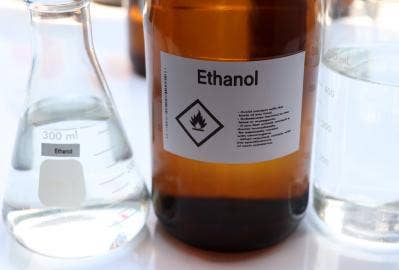
Every container needs identification showing contents, concentration, grade, and hazards. GHS pictograms provide standardized hazard warnings. Flame symbols indicate flammability. Include handling instructions directly on labels.
Documentation Requirements
OSHA mandates Safety Data Sheets (SDS) accessible to all workers. Inventory records track quantities and locations. Inspection logs document regular checks of storage conditions, equipment function, and container integrity.
Special Regulations
Fuel ethanol faces EPA underground storage tank regulations. Food-grade ethanol operations comply with FDA requirements for food-safe storage. Tax-free ethanol for permitted users requires special recordkeeping. Beverage alcohol follows Alcohol and Tobacco Tax and Trade Bureau rules.
Special Considerations by Ethanol Type
Each ethanol grade presents unique storage challenges based on purity, additives, and intended applications.
Absolute/Anhydrous Ethanol (≥99.5%)
Water content under 0.5% requires extraordinary moisture protection. Store absolute ethanol under nitrogen or argon blankets in larger containers. Inert gas prevents both moisture absorption and oxygen contact. Purchase absolute ethanol in smaller containers and use it quickly.
95% Ethanol (190 Proof)
This concentration represents the azeotropic composition from distillation. The 5% water content makes this grade more stable than absolute ethanol. Standard sealed containers provide adequate protection for typical storage durations.
Denatured Ethanol
Additives rendering ethanol undrinkable create additional toxicity hazards. Common denaturants include methanol (causes blindness), isopropanol, and denatonium benzoate. Read SDS carefully to identify specific denaturants present. Store denatured ethanol with prominent toxicity warnings.
Food-Grade Ethanol
Purity specifications for food applications demand contamination prevention. Storage areas must meet food-safe standards. Traceability requirements follow food-grade ethanol from receipt through use. Tax-free permits allow some organizations to obtain food-grade ethanol without beverage taxes.
70% Ethanol
This concentration optimizes antimicrobial effectiveness for disinfection. Monitor 70% ethanol concentration regularly. Prepare fresh batches when concentration drifts outside acceptable ranges. Larger water content increases microbial contamination risks compared to higher-proof ethanol.
Fuel Ethanol (E85, E15)
Gasoline blending creates different storage requirements. Underground storage tanks need ethanol-resistant materials. EPA regulations governing fuel storage include leak detection systems, spill containment, and corrosion protection requirements.
Environmental and Safety Considerations
Final considerations address big-picture safety and environmental protection beyond day-to-day operations.
Fire Characteristics
Ethanol burns with nearly invisible blue flames in daylight conditions. People may approach burning ethanol without realizing fire exists until they feel heat. Train workers to recognize indirect fire signs like heat shimmer and smoke from ignited materials.
Vapors travel remarkable distances before igniting. Flash-back fires occur when vapors reach ignition sources far from spills.
Fire Suppression Systems
Automatic sprinkler systems protect during unoccupied periods. Foam systems using alcohol-resistant concentrate smother flames while preventing reignition. Design fire protection based on maximum credible fire scenarios.
Environmental Protection
Secondary containment captures spills before they reach soil or waterways. Containment capacity should equal or exceed the largest stored container volume. Berms, dikes, or collection pans provide secondary containment for tanks and drum storage.
Key Takeaways
Fire prevention dominates ethanol storage through every decision and practice. Temperature control between 10-25°C reduces vapor generation while preserving product quality.
Proper containers meeting safety standards provide engineered fire protection. Approved safety cans and storage cabinets address fire hazards through design.
Humidity control preserves concentration, especially for high-purity grades. Segregation prevents incompatible materials from contacting ethanol.
Regular inspection catches problems before failures occur. Documentation proves regulatory compliance while supporting safety management.
For more detailed guidance, explore our Resource Library.
Our Customer Care team is also available for more information and documentation, including chemical Safety Data Sheets.
Need Ethanol You Can Trust?
If you are looking for high-quality ethanol for your lab, product line, or research facility, be sure to visit our store to explore our trusted selection and request a quote.
As your trusted partner in chemical supply, Lab Alley is always striving to meet the growing demands of our customers. We want you to be able to access all of your chemical needs in one place, along with streamlined online ordering and fast shipping.
Due to popular demand from our valued clientele, Lab Alley's ethanol is available in a range of purities and packaging options to suit various commercial, laboratory, and personal needs.