





How to Store Polyethylene Glycol: Best Practices for Quality and Safety
Polyethylene glycol (PEG) is a stable, water-soluble polymer available in various molecular weights that requires straightforward storage practices to maintain quality, prevent contamination, and ensure product integrity. Unlike many industrial chemicals, PEG presents minimal safety hazards but demands attention to moisture control and grade-specific handling requirements.
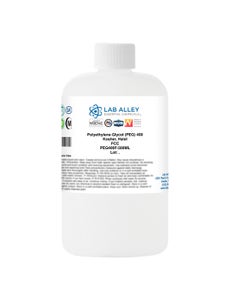
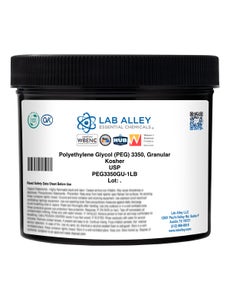
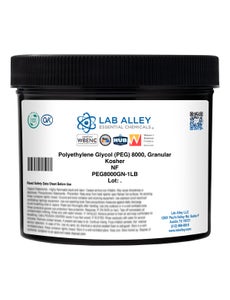
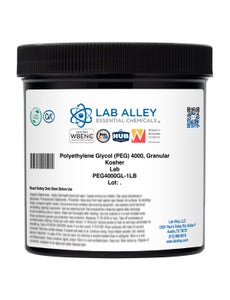
The physical form of polyethylene glycol varies dramatically based on molecular weight. Low-molecular-weight PEGs (200-600) flow as clear liquids at room temperature. High-molecular-weight PEGs (1000 and above) exist as waxy solids or hard flakes. These different forms require distinct storage and handling approaches.
PEG's hygroscopic nature creates the primary storage challenge. The polymer readily absorbs atmospheric moisture, which can alter concentration, viscosity, and product specifications. This moisture sensitivity affects pharmaceutical and food-grade products most critically, where precise specifications matter for regulatory compliance and product performance.


In this article, we’ll examine
- Recommended Storage Conditions
- Container & Packaging Requirements
- Segregation & Compatibility
- Safe Handling in Storage Areas
- Regulatory Compliance & Labeling
- Special Considerations for Polyethylene Glycol
- Environmental and Safety Considerations
Recommended Storage Conditions
Polyethylene glycol storage conditions focus primarily on moisture control and maintaining product specifications rather than addressing major safety hazards.
Temperature Control
Store polyethylene glycol at controlled room temperatures between 15-25°C (59-77°F). This range works well for all molecular weights and physical forms. Higher molecular weight PEGs exist as solids or semi-solids at room temperature and don't require elevated storage temperatures.
Avoid areas experiencing temperature extremes. While PEG tolerates reasonable temperature variations without degradation, extreme heat may accelerate oxidation over long periods. Higher molecular weight solid PEGs require warming only when transfer or processing operations demand a liquid form.
Humidity Control
Use tightly sealed containers to prevent moisture absorption due to PEG's hygroscopic properties. Excessive moisture uptake alters concentration, viscosity, and product specifications, potentially rendering material off-spec for critical applications.
Check seals regularly because closure systems degrade over time. Minimize container opening time during dispensing operations. Work quickly, then reseal containers immediately. The longer PEG remains exposed to humid air, the more moisture it absorbs.
Inspect containers periodically for signs of moisture accumulation, particularly for solid PEG forms that can absorb atmospheric humidity.
Light Exposure
Store in areas with normal indoor lighting. While PEG is generally stable, minimize prolonged exposure to direct sunlight to prevent potential oxidation over extended periods. Standard warehouse or laboratory lighting presents no problems for PEG storage.
Ventilation
Ensure adequate ventilation when heating higher molecular weight PEGs for processing. Standard room ventilation is typically sufficient for storage areas, as PEG has low volatility. Unlike flammable solvents, PEG doesn't create vapor accumulation hazards during normal storage.
Storage Duration
When properly stored with moisture protection, PEG maintains stability for extended periods. Pharmaceutical grades should follow manufacturer dating. Monitor for changes in color, odor, viscosity, or moisture content that might indicate degradation or contamination.
Container & Packaging Requirements
Container selection for polyethylene glycol balances material compatibility with moisture protection and handling convenience.
Material Compatibility
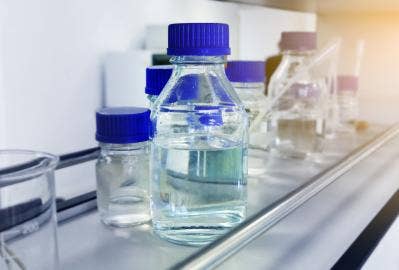
Use containers made from stainless steel, HDPE, polypropylene, or glass. These materials are compatible with PEG and suitable for various grades. Stainless steel works well for bulk storage tanks. HDPE and polypropylene offer good chemical resistance at a lower cost for drums and pails. Glass provides ideal containment for laboratory quantities and pharmaceutical-grade material.
Moisture Protection
Containers should have tight-fitting, moisture-resistant seals to prevent water absorption and maintain product specifications. Threaded closures with gaskets or seals work well. For bulk storage of liquid PEGs, use appropriate tanks with proper venting and moisture control systems.
Labeling Requirements
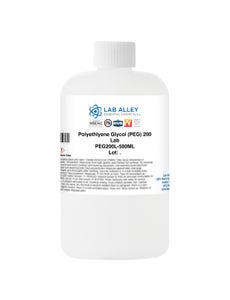
Clearly label containers with molecular weight, grade (industrial, pharmaceutical, food), lot numbers, and storage instructions. This information enables proper handling and prevents mix-ups between different grades or molecular weights.
Segregation & Compatibility
Proper separation maintains product quality and prevents contamination between different grades and applications.
Chemical Incompatibilities
Keep separate from strong oxidizing agents that could cause degradation or unwanted reactions. Store away from incompatible materials that may contaminate pharmaceutical or food-grade products.
Grade Segregation
Maintain separation between different molecular weights and grades to prevent cross-contamination and preserve product specifications. Store food-grade and pharmaceutical PEGs separately from industrial grades in dedicated areas with appropriate quality controls.
Organize storage by application type (industrial, pharmaceutical, food, cosmetic) to ensure appropriate handling protocols. Group similar physical forms together for easier handling.
Safe Handling in Storage Areas
While polyethylene glycol presents minimal toxicity hazards, certain handling situations require attention to prevent injuries.
Personal Protective Equipment (PPE)
Personnel should wear appropriate PPE, including gloves and safety glasses, when handling molten or heated PEG to prevent thermal burns from hot material. Heat-resistant gloves become necessary when working with molten material during heating and transfer operations.
Heating Operations
Use proper transfer equipment and heating systems when working with higher molecular weight PEGs that require melting for dispensing or processing. Water baths, heating mantles, or jacketed vessels provide safe, controlled heating for solid PEG.
Slip Hazard Management
Maintain spill cleanup materials, including absorbent pads. PEG spills create slippery surfaces that present slip hazards. Provide adequate housekeeping protocols to address spills promptly and maintain safe walking surfaces in storage areas.
Training Requirements
Train staff on proper handling procedures for different PEG molecular weights and physical forms, including safe heating practices for solid grades. Workers need to understand which materials flow at room temperature and which require heating before transfer.
Regulatory Compliance & Labeling
Regulatory requirements for polyethylene glycol storage depend on grade and intended applications.
Food and Pharmaceutical Regulations
Follow FDA regulations for food-grade and pharmaceutical-grade PEG storage in facilities producing consumable or medical products. Comply with USP (United States Pharmacopeia) standards for pharmaceutical-grade PEG storage and handling requirements.
GMP Compliance
Adhere to Good Manufacturing Practice (GMP) requirements for pharmaceutical and cosmetic applications, including environmental monitoring and contamination prevention. Maintain environmental monitoring programs tracking temperature, humidity, and contamination levels in storage areas.
Hazard Communication
Follow GHS guidelines for hazard communication and workplace labeling, noting low toxicity but potential physical hazards from heated material and slip hazards. Maintain current Safety Data Sheets (SDS) readily accessible and ensure documentation specifies molecular weight range and grade-specific handling requirements.
Special Considerations for Polyethylene Glycol
Different molecular weights and grades create unique storage and handling requirements.
Molecular Weight Variations
Different molecular weights have different physical forms and handling needs. Low MW PEGs (200-600) are liquids requiring standard liquid storage. Medium MW PEGs (600-1000) range from viscous liquids to semi-solids. High MW PEGs (1000+) are solids or waxes stored at room temperature and heated only when transfer or processing is needed.
Hygroscopic Management
Minimize container opening time and ensure complete resealing after use to prevent moisture absorption that affects product quality and specifications. This is particularly critical for pharmaceutical and food grades where moisture content specifications are tight.
Grade-Specific Requirements
Pharmaceutical and food-grade PEGs require controlled storage environments, with documentation, quality monitoring, and contamination-prevention protocols per regulatory requirements. Implement appropriate quality controls, including environmental monitoring, periodic testing, and measures to prevent contamination.
Physical Form Handling
Solid PEG forms require warming for transfer operations. Implement safe heating procedures to prevent thermal degradation and protect workers from contact with hot material. Temperature monitoring during heating operations ensures the material doesn't exceed recommended limits.
Biodegradability Considerations
PEG biodegradability is molecular weight dependent. Lower molecular weight PEGs are more readily biodegradable than higher molecular weight PEGs, which show greater environmental persistence. Consider environmental factors when selecting PEG molecular weights for applications.
Environmental and Safety Considerations
Environmental protection and workplace safety complete the storage picture for polyethylene glycol.
Spill Management
Implement spill containment and cleanup procedures, recognizing that PEG is water-soluble and can enter wastewater systems. Large spills may require containment to prevent environmental discharge. Address slip hazards immediately as PEG creates very slippery surfaces when spilled.
Maintain spill response materials and train personnel on proper cleanup procedures for both liquid and molten solid PEG forms to prevent workplace hazards.
Wastewater Considerations
Follow local wastewater discharge regulations when disposing of PEG-contaminated water. Consult with local authorities regarding discharge requirements for your facility. Water-soluble nature makes PEG easy to clean, but also means the material enters wastewater readily.
Waste Disposal
Follow proper waste disposal protocols for off-specification or expired PEG materials. Disposal methods vary by grade and application and must comply with local regulations.
Environmental Impact
Consider environmental factors when selecting PEG molecular weights for applications. Lower MW grades offer better biodegradability compared to higher MW polymers, reducing environmental persistence.
Key Takeaways
Store polyethylene glycol in moisture-resistant containers at controlled room temperature (15-25°C), protected from incompatible oxidizing agents. Manage humidity exposure carefully due to PEG's hygroscopic nature, which can affect product specifications. Implement molecular weight-specific handling procedures, recognizing that low MW PEGs are liquids while high MW PEGs are solids requiring heating only for processing.
Follow grade-specific requirements for pharmaceutical, food, and cosmetic applications with appropriate quality controls. Maintain regulatory compliance while leveraging PEG's favorable low toxicity profile for safe handling. Consider environmental factors, including molecular-weight-dependent biodegradability and proper management of spills and waste.
For more detailed guidance, explore our Resource Library.
Our Customer Care team is also available for more information and documentation, including chemical Safety Data Sheets.
Need Polyethylene Glycol You Can Trust?
If you are looking for high-quality polyethylene glycol for your lab, product line, or research facility, be sure to visit our store to explore our trusted selection and request a quote.
As your trusted partner in chemical supply, Lab Alley is always striving to meet the growing demands of our customers. We want you to be able to access all of your chemical needs in one place, along with streamlined online ordering and fast shipping.
Due to popular demand from our valued clientele, Lab Alley's polyethylene glycol is available in a range of purities and packaging options to suit various commercial, laboratory, and personal needs.