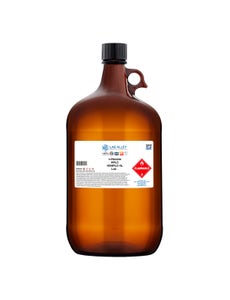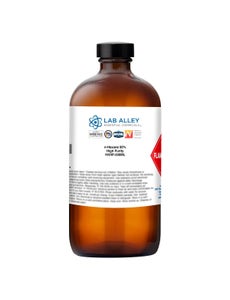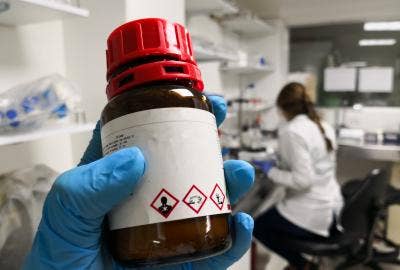






n-Hexane Safety & Hazards: Essential Handling Guidelines
n-Hexane is a highly flammable, volatile hydrocarbon solvent widely used in industrial extraction processes, particularly for edible oils, and as a chemical intermediate. While it has relatively low acute toxicity, n-hexane presents significant neurotoxicity hazards with chronic exposure. The compound is metabolized to 2,5-hexanedione, which causes peripheral nerve damage, making proper handling and ventilation essential for safe use.
Workers in oil extraction facilities, chemical manufacturing plants, laboratories, and industrial cleaning operations face exposure to n-hexane daily. Understanding this solvent's unique hazards helps protect against both immediate fire dangers and the insidious nerve damage that can develop from repeated exposure.
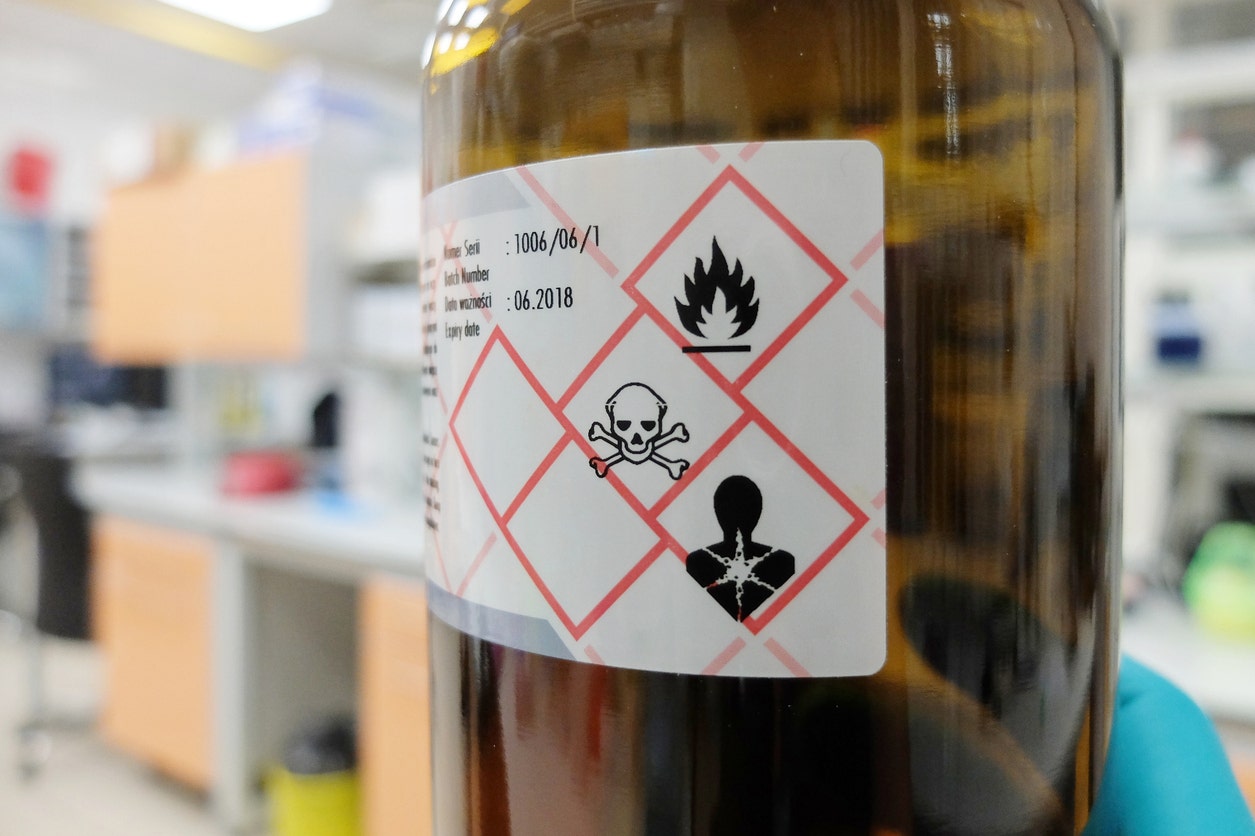
The extreme flammability of n-hexane demands constant vigilance around ignition sources. With a flash point between -22 to -26°C, the liquid can ignite on the coldest winter day. Vapors heavier than air flow to distant sparks or flames you might not even see. Beyond fire risk, the real concern with n-hexane is what it does to your nervous system over time. Your body converts n-hexane into 2,5-hexanedione, a metabolite that attacks peripheral nerves. This nerve damage causes numbness, weakness, and loss of coordination that may become permanent. This guide provides critical safety information for working with n-hexane while protecting against both fire and neurotoxicity.
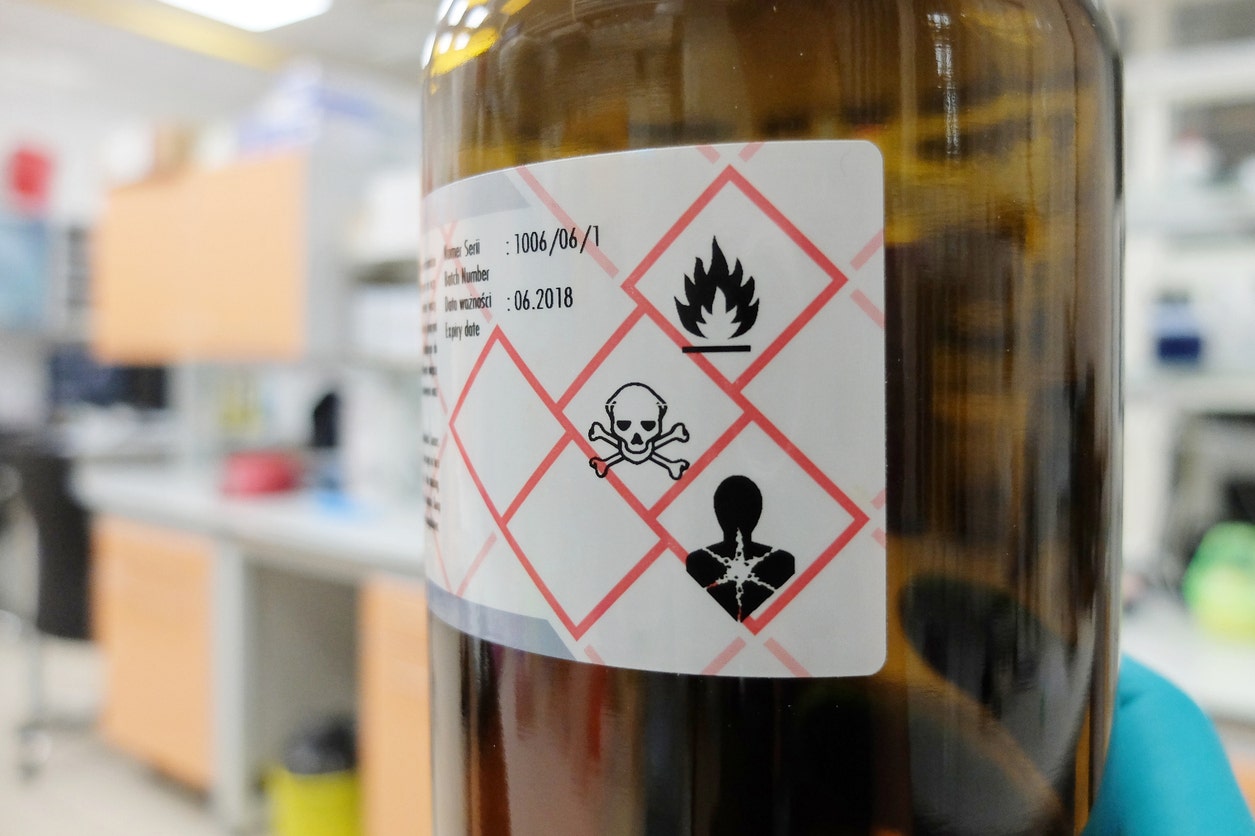
In this article, we’ll explore:
-
Chemical Hazards & Classification
-
Exposure Risks & Health Effects
-
First Aid Procedures
-
Handling & Storage
-
Spill & Leak Procedures
-
Fire Hazards & Response
-
Regulatory & Compliance Information
-
Technical Documents & References
Chemical Hazards & Classification
n-Hexane combines extreme flammability with chronic neurotoxicity, creating a dual hazard profile requiring specialized safety protocols.
Physical Hazards
n-Hexane is an extremely flammable liquid and vapor, earning an NFPA Flammability rating of 3. The flash point ranges from -22 to -26°C (-7 to -15°F), meaning the liquid can ignite at temperatures far below freezing. Autoignition occurs at 225°C (437°F). Explosive limits span from 1.1-1.2% (lower explosive limit) to 7.5-7.7% (upper explosive limit) by volume in air.
Vapor density of 2.97 indicates vapors are nearly three times heavier than air. These heavy vapors sink and accumulate in low areas like pits, basements, and along floors, where they can travel unseen to ignition sources. Static electricity generated during transfers or flowing through pipes can ignite vapors, making grounding and bonding critical for every operation.
Health Hazards
Peripheral neuropathy from chronic exposure represents the primary health concern with n-hexane. Your body metabolizes n-hexane to 2,5-hexanedione, which damages peripheral nerves progressively. This isn't an immediate effect but develops over weeks or months of exposure.
High acute exposures cause central nervous system depression with dizziness, drowsiness, and loss of consciousness. Direct contact irritates skin and eyes. Prolonged skin contact causes defatting, removing natural oils and leading to dermatitis. The material presents an aspiration hazard if swallowed and enters the airways, which may be fatal.
Animal studies show reproductive toxicity affecting the male reproductive system. The compound demonstrates mutagenic effects in animal studies, raising concerns about genetic damage.
Environmental Hazards
n-Hexane is toxic to aquatic life with long-lasting effects. The material readily evaporates from soil and water surfaces and biodegrades moderately in environmental systems. Low bioconcentration potential in aquatic organisms means it doesn't accumulate up the food chain. n-Hexane is listed as a hazardous air pollutant under the Clean Air Act due to atmospheric emissions concerns.
Exposure Risks & Health Effects
Recognizing both acute and chronic effects helps you identify when dangerous exposures are occurring.
Acute Exposure Effects
Inhaling vapors irritates your respiratory tract and causes dizziness, drowsiness, headache, and nausea. Central nervous system depression progresses with concentration. Exposures above 5000 ppm cause hallucinations, distorted vision, and loss of consciousness. In confined spaces, oxygen displacement causes suffocation even without toxic effects.
Skin contact irritates and reddens the skin. Prolonged exposure causes defatting, removing protective oils and leading to dry, cracked skin. Repeated contact results in dermatitis. The material absorbs through the skin in significant amounts, contributing to systemic toxicity.
Getting n-hexane in your eyes causes mild to moderate irritation, redness, and pain. Vapors irritate eyes even without direct liquid contact.
Swallowing causes nausea, vomiting, abdominal pain, and central nervous system depression. The critical danger is aspiration into your lungs, which causes severe chemical pneumonitis that may be fatal. This makes inducing vomiting extremely dangerous.
Chronic Exposure Effects
Peripheral neuropathy develops from repeated exposure to n-hexane over time. Nerve damage causes numbness in your extremities, muscular weakness, blurred vision, and fatigue. This condition has been documented at exposures as low as 500 ppm, which is the current OSHA permissible exposure limit. The effects may appear weeks or months after exposure begins and can be irreversible even after exposure stops.
Neurotoxicity primarily affects peripheral nerves in your hands and feet in a characteristic "glove-and-stocking pattern." Your fingers and toes go numb first, then the numbness spreads. The metabolite 2,5-hexanedione accumulates in nerve tissue and causes this damage. Decreased sensitivity to pain, touch, and temperature increases your injury risk since you may not notice cuts, burns, or trauma.
Reproductive effects include testicular damage in male rats exposed to high concentrations. California lists n-hexane under Proposition 65 for male reproductive toxicity. No documented human sterility reports exist, though the animal data raise concerns. Chromosomal damage occurs in rat bone marrow in laboratory studies.
First Aid Procedures
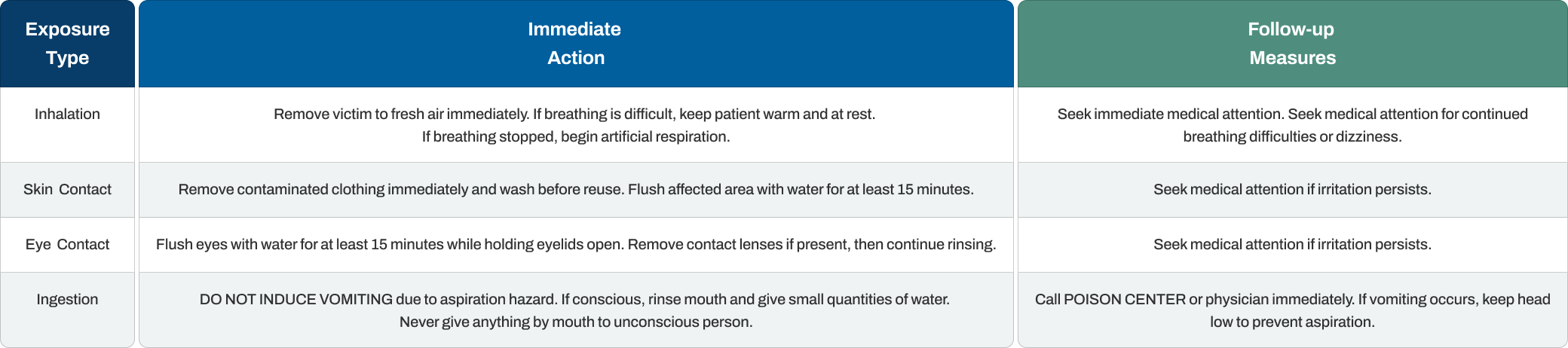
Quick response to n-hexane exposure prevents progression from minor incidents to serious injuries or long-term nerve damage.
Notes for Medical Personnel
Monitor for delayed neurotoxicity since nerve damage symptoms may appear days or weeks after exposure. Analgesics may be needed for pain management. No specific antidote exists for n-hexane poisoning. Monitor arterial blood gases if significant inhalation exposure occurred.
Consider biomonitoring for ongoing exposures: measure 2,5-hexanedione in urine (Biological Exposure Index: 5 mg/g creatinine) and n-hexane in expired air. These tests help assess exposure levels and guide medical management.
Handling & Storage
Safe n-hexane handling requires eliminating ignition sources while controlling vapor exposure through ventilation and personal protective equipment.
Safe Handling Practices
Use n-hexane only in well-ventilated areas or with local exhaust ventilation capturing vapors at the source. Ground and bond containers during all transfer operations. Use non-sparking tools made from brass, bronze, or other materials that won't generate sparks when struck.
Avoid contact with skin and eyes. Do not breathe vapors or allow vapor concentrations to build up. Keep the material away from heat, sparks, flames, and all ignition sources. Absolutely no smoking in use or storage areas, as even a cigarette ember can ignite vapors.
Storage Requirements
Store in cool, dry, well-ventilated areas away from all ignition sources. Keep containers tightly closed when not in use to prevent vapor release and evaporation. Store away from incompatible materials, including oxidizers, strong acids, and strong bases.
Keep containers out of direct sunlight, which heats the liquid and increases vapor pressure. Storage floors must be impermeable to contain spills and prevent soil contamination. Post "No Smoking" and "Flammable" warning signs prominently in storage areas.
Incompatibilities
Keep n-hexane away from strong oxidizing agents, including liquid chlorine, concentrated oxygen, and sodium or calcium hypochlorite. Dinitrogen tetraoxide explodes when mixed with n-hexane at temperatures as low as 28°C. Separate from strong acids and bases. The solvent may attack some plastics, rubber, and protective coatings, causing deterioration or failure.
Spill & Leak Procedures
n-Hexane spills create immediate fire and explosion hazards requiring rapid response.
Personal Precautions
Eliminate all ignition sources immediately throughout the affected area and surrounding spaces. Evacuate the area and establish adequate ventilation to disperse vapors. Use appropriate personal protective equipment, including respiratory protection if vapor concentrations exceed safe levels. Keep unnecessary personnel away from the spill zone.
Small Spills
Ensure ventilation is adequate and remove all ignition sources. Absorb liquid with inert dry material such as sand, earth, or vermiculite. Place absorbed material in waste disposal containers. Do not flush to sewers or drains where vapors could travel through piping to ignition sources or create confined space hazards.
Large Spills
Stop the leak if you can do so safely without exposing yourself to fire risk. Keep spilled material away from heat and ignition sources. Contain with dikes or barriers to prevent entry into sewers, basements, or confined areas where vapors could accumulate to explosive concentrations. Absorb with dry earth or sand. Do not use water jets, which spread the material.
Consider evacuation for at least 300 meters (1000 feet) for large spills. If a container is involved in a fire, isolate the area for 800 meters (1/2 mile) in all directions.
Environmental Precautions
Prevent entry into waterways, sewers, or confined spaces. n-Hexane floats on water and may travel along water surfaces to distant ignition sources. Notify local authorities and emergency response agencies if environmental contamination occurs or if the spill enters waterways.
Disposal
Dispose of n-hexane and contaminated materials per local, regional, and national hazardous waste regulations. Consult 40 CFR 261 for federal classification requirements. Do not discharge into drains or the environment under any circumstances.
Fire Hazards & Response
Fire represents the most immediate danger when working with n-Hexane. Understanding combustion behavior is essential for prevention and response.
Fire & Explosion Hazards
n-Hexane is an extremely flammable liquid and vapor. Vapors travel considerable distances to ignition sources and flash back to the spill or leak location. Vapors heavier than air collect in low areas where they're not immediately visible. The material is sensitive to static discharge generated by flowing liquid, transfers, or even walking across certain floor surfaces.
Vapor-air mixtures become explosive within the flammable limits of 1.1-7.7% by volume. This wide explosive range means dangerous concentrations develop easily.
Extinguishing Methods
For small fires, use dry chemical powder, carbon dioxide (CO2), water spray, or alcohol-resistant foam. For large fires, apply water spray, fog, or alcohol-resistant foam. Avoid straight water streams, which spread burning liquid and may be ineffective.
Water may not cool n-hexane below its flash point but should be used to keep nearby containers cool and prevent fire spread. Use water spray rather than solid streams, which spread the material.
Fire Fighting Procedures
Firefighters must wear self-contained breathing apparatus and full protective clothing. Fight fires from maximum distance or use unmanned monitor nozzles and hose holders. Move undamaged containers away from the fire area if this can be done safely.
Cool containers with water spray until well after the fire is extinguished. Withdraw immediately if venting sound increases or if tank discoloration occurs, as these signals indicate potential rupture. Combustion produces carbon monoxide, carbon dioxide, and unidentified organic compounds requiring respiratory protection.
Regulatory Information & Compliance
n-Hexane faces extensive regulation due to neurotoxicity concerns and environmental impacts.
OSHA Regulations
OSHA's Permissible Exposure Limit (PEL) is 500 ppm TWA (1800 mg/m³) as an 8-hour time-weighted average. Note that OSHA proposed a lower limit of 50 ppm TWA in 1989, but courts vacated this stricter standard in 1992. The 500 ppm limit remains legally enforceable despite being widely considered inadequate to prevent neurotoxicity.
NIOSH Recommendations
NIOSH's Recommended Exposure Limit (REL) is 50 ppm TWA (180 mg/m³) as up to a 10-hour time-weighted average. This more protective limit reflects the neurotoxicity risk. NIOSH sets the Immediately Dangerous to Life or Health (IDLH) concentration at 1,100 ppm (10% of the lower explosive limit).
ACGIH Guidelines
ACGIH's Threshold Limit Value (TLV) is 50 ppm TWA [1996]. The material carries a skin notation indicating that significant dermal absorption contributes to overall exposure. The Biological Exposure Index (BEI) is 2,5-hexanedione in urine at 5 mg/g creatinine, measured at end of shift at the end of the workweek.
California Regulations
Cal/OSHA sets a more protective PEL of 50 ppm TWA (176 mg/m³). California Proposition 65 lists n-hexane for male reproductive toxicity, effective December 15, 2017, requiring warning labels on products containing the chemical.
DOT Classification
n-Hexane is classified as UN1208, Hexanes, Class 3 (Flammable Liquid), Packing Group II. Shipments require Flammable Liquid labels and appropriate placards for bulk quantities.
EPA Regulations
The CERCLA reportable quantity (RQ) is 5000 lb (2270 kg), meaning releases exceeding this amount must be reported to the National Response Center. n-Hexane is subject to SARA Section 313 Toxics Release Inventory (TRI) reporting requirements. The Clean Air Act lists it as a Hazardous Air Pollutant requiring emission controls.
EPA classifies n-hexane as Carcinogen Group D (not classifiable as to human carcinogenicity). The Reference Concentration (RfC) is 0.2 mg/m³ based on neurotoxicity concerns.
State Right-to-Know
n-Hexane appears on Right-to-Know lists in New Jersey and Pennsylvania. Consult specific state inventories for local requirements and employee notification obligations.
International Regulations
The material is listed on TSCA (Toxic Substances Control Act inventory), Canada DSL (Domestic Substances List), and Europe EINECS (European Inventory of Existing Commercial Substances).
Workplace Standards
Medical surveillance is recommended for workers with regular n-hexane exposure. Implement exposure monitoring using OSHA Method 5000. Maintain exposure and medical records per 29 CFR 1910.1020. Consider achieving the NIOSH REL of 50 ppm rather than relying on the less protective OSHA PEL of 500 ppm, since neurotoxicity can occur at the higher concentration.
Technical Documents & Resources
Accurate technical information supports safe handling, exposure monitoring, and regulatory compliance.
Safety Data Sheets: Obtain current Safety Data Sheets from your supplier for specific product information, including purity and any additives or stabilizers present.
Reference Documents: NIOSH Pocket Guide to Chemical Hazards provides exposure guidance, protection recommendations, and emergency response information. CAMEO Chemicals (NOAA) offers detailed emergency response data. EPA IRIS contains toxicological assessment and risk data. ATSDR Toxicological Profile (July 1999) covers health effects and environmental fate comprehensively. ACGIH Documentation of TLVs and BEIs explains the scientific basis for exposure limits.
OSHA Method 5000 details workplace air monitoring procedures using charcoal tube sampling with gas chromatography and flame ionization detection (GC-FID).
Emergency Response: Contact CHEMTREC at 1-800-424-9300 for 24-hour emergency chemical information. NIOSH provides health and safety information at 1-800-CDC-INFO. National Poison Control is available at 1-800-222-1222 for poisoning emergencies.
Exposure Assessment: Implement air monitoring using OSHA Method 5000 to verify compliance with exposure limits. Monitor for 2,5-hexanedione in worker urine to assess metabolic dose. Evaluate the need for medical surveillance, including nerve conduction studies, for workers with chronic exposure. Note that occupational polyneuropathy has occurred at exposures as low as 500 ppm, the current OSHA PEL.
Training Requirements: Train workers on n-hexane hazards, proper handling procedures, emergency response, and personal protective equipment use per OSHA Hazard Communication Standard (29 CFR 1910.1200). Include specific training on neurotoxicity risks and early symptoms of nerve damage, such as numbness, tingling, weakness, and loss of coordination so workers can recognize problems early.
Final Note
n-Hexane serves important functions in oil extraction, chemical manufacturing, and laboratory applications. Its effectiveness as a solvent makes it valuable across industries, yet the combination of extreme flammability and chronic neurotoxicity demands rigorous safety protocols.
Success with n-Hexane safety requires addressing two distinct hazard profiles simultaneously. Fire prevention through ignition source elimination, proper ventilation, grounding, and bonding protects against immediate explosion and fire risks. Neurotoxicity prevention through exposure control, air monitoring, and medical surveillance protects against the insidious nerve damage that can permanently disable workers.
The current OSHA permissible exposure limit of 500 ppm is widely recognized as inadequate. Strive to achieve the NIOSH recommended exposure limit of 50 ppm through engineering controls, work practices, and personal protective equipment. Regular air monitoring and biological monitoring of urine 2,5-hexanedione levels help verify that exposure controls are working effectively. By maintaining comprehensive safety protocols addressing both acute fire hazards and chronic neurotoxicity, you can work safely with this powerful but dangerous solvent across industrial and laboratory applications.
Explore our Resource Library for more information.
Our Customer Care team is also available for more information and documentation, including chemical Safety Data Sheets.
Need n-Hexane You Can Trust?
If you are looking for high-quality n-hexane for your lab, product line, or research facility, be sure to visit our store to explore our trusted selection and request a quote.
As your trusted partner in chemical supply, Lab Alley is always striving to meet the growing demands of our customers. We want you to be able to access all of your chemical needs in one place, along with streamlined online ordering and fast shipping.
Due to popular demand from our valued clientele, Lab Alley's n-hexane is available in a range of purities and packaging options to suit various commercial, laboratory, and personal needs.