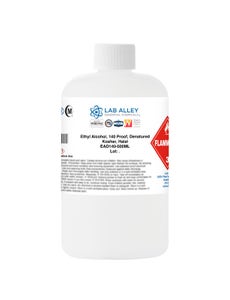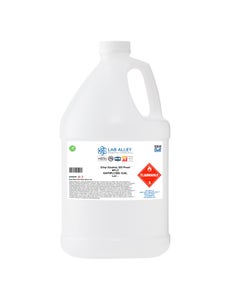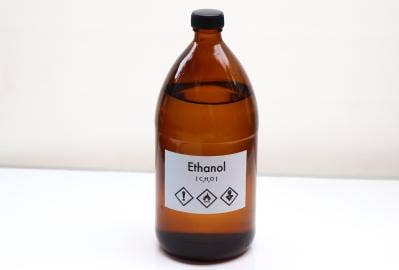






Denatured Ethanol Safety & Hazards
When you handle denatured ethanol in any setting, you're working with a substance that presents a unique combination of hazards. It's not just the extreme flammability that demands respect, but also the toxic additives intentionally mixed in to make it undrinkable. These denaturants create additional health risks that go far beyond those posed by pure ethanol alone.
Understanding these dual hazards is essential for anyone who stores, handles, or works around denatured ethanol. The denaturants added to prevent beverage use, such as methanol, isopropanol, acetone, or denatonium benzoate, introduce severe toxicity concerns, including blindness and death if ingested. Some formulations pose greater risks than others, depending on which denaturants they contain.
The key difference between denatured and non-denatured ethanol lies in what's been deliberately added. While both share identical fire hazards, denatured ethanol carries the additional burden of poisonous substances specifically designed to make consumption dangerous or fatal. This makes proper handling, storage, and the use of personal protective equipment critical across all denatured ethanol types and concentrations.
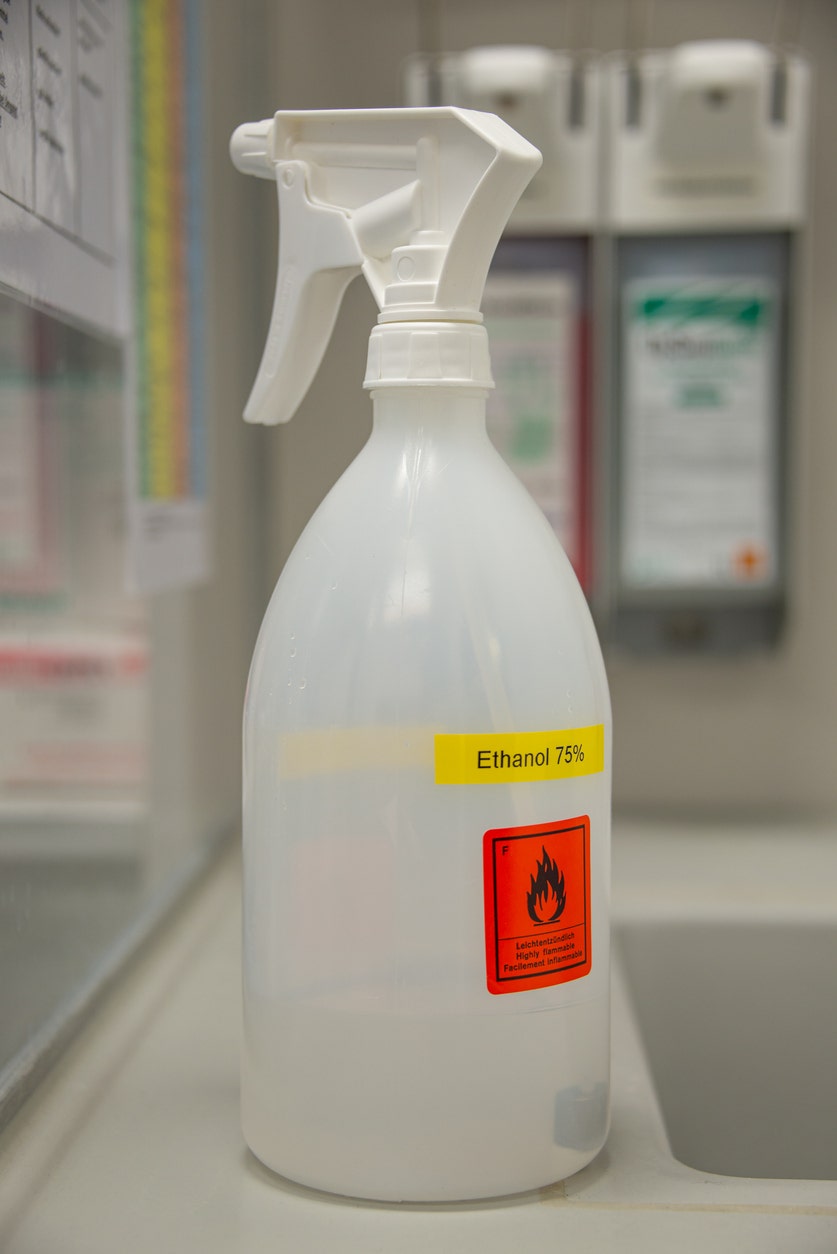
In this article, we’ll explore:
- Chemical Hazards Overview
- Exposure Risks & Health Effects
- First Aid Measures
- Handling & Storage Precautions
- Spill & Leak Procedures
- Fire & Explosion Hazards
- Regulatory & Compliance Information
- Specialized Denatured Ethanol Types: Safety Considerations
- Technical Documents & References
Chemical Hazards Overview
Denatured ethanol presents a hazard profile that combines the extreme flammability of alcohol with the toxicity of added denaturants. The absence of these toxic additives is what makes non-denatured ethanol suitable for food and beverage applications, but their presence in denatured formulations creates serious additional risks.
Hazard Classification
The Globally Harmonized System assigns denatured ethanol multiple pictograms that tell you everything about its primary risks. The flame symbol (???? GHS02) marks it as a highly flammable liquid and vapor, while the exclamation mark (⚠️ GHS07) indicates harmful and irritating effects. Many formulations, particularly those containing methanol, also display the skull and crossbones (☠️ GHS06) for acute toxicity from denaturants.
Under the NFPA hazard rating system, denatured ethanol receives a Health rating of 2 to 3, depending on which denaturants are present. Methanol formulations earn a higher rating due to severe toxicity potential. The Flammability rating sits at 3 across all formulations, signaling a serious fire hazard that requires immediate attention in any safety planning. Reactivity gets a 0, meaning the compound remains stable under normal conditions.
Primary Risks
The dangers from denatured ethanol come through multiple pathways, each presenting unique challenges for workplace safety:
Extreme flammability: With a flash point around 13°C (55°F), denatured ethanol can ignite at surprisingly ordinary temperatures. Vapors are heavier than air and travel to distant ignition sources. Static electricity can easily ignite vapors during transfer operations. The substance burns with a nearly invisible flame in daylight, creating unique hazards for emergency responders.
Vapor inhalation: High concentrations cause intoxication, dizziness, respiratory depression, and potentially unconsciousness from the ethanol component. Additional risks from denaturant vapors include severe poisoning, particularly from methanol, which can cause blindness and death. Chronic exposure may affect the central nervous system and cause denaturant-specific toxicity.
Skin absorption: Prolonged contact causes drying, irritation, and dermatitis. Denatured ethanol and its denaturants can be absorbed through the skin in significant amounts, potentially causing systemic toxicity. Methanol absorption through skin can cause poisoning without ingestion.
Eye irritation: Causes serious eye irritation with redness, tearing, pain, and temporary vision impairment. Denaturants may cause additional eye damage beyond pure ethanol effects. Methanol exposure can contribute to vision problems.
Ingestion toxicity: Denatured ethanol is extremely dangerous if ingested due to toxic denaturants. Even small amounts can cause severe poisoning, blindness, coma, and death. Methanol, the most common denaturant, is highly toxic, with deaths reported from as little as 0.5 ounces of 40% methanol.
Chronic effects: Prolonged exposure may cause liver damage, neurological effects, and dependency on the ethanol component, plus additional organ damage from denaturants. Methanol exposure can cause permanent vision damage and neurological effects.
Exposure Risks & Health Effects
Understanding how denatured ethanol and its denaturants affect your body helps you recognize dangerous situations before they escalate into medical emergencies. The concentration and duration of exposure largely determine the severity of symptoms, though denaturants significantly increase toxicity at all exposure levels.
Acute exposure effects develop quickly after contact. Respiratory symptoms include dizziness, drowsiness, headache, and nausea when vapors are inhaled, with denaturant vapors creating additional severe poisoning risks. Skin contact produces drying, irritation, and allows absorption of toxic denaturants that can cause systemic effects. Eye exposure causes immediate pain, tearing, and potential vision problems.
Ingestion presents the most dangerous scenario. Unlike non-denatured ethanol, which has GRAS status for food applications, denatured ethanol is never safe for consumption in any amount. Even small quantities can cause severe poisoning, blindness, coma, and death due to toxic denaturants. Methanol poisoning requires immediate specialized treatment with fomepizole or ethanol antidote therapy to prevent permanent blindness and death.
Chronic exposure concerns arise from repeated contact over extended periods. Long-term exposure can lead to liver damage, neurological effects, persistent respiratory irritation, and denaturant-specific organ damage. Workers who handle denatured ethanol regularly without proper protection may develop chronic dermatitis and systemic toxicity from continuous denaturant absorption.
First Aid Measures
Responding quickly and appropriately to denatured ethanol exposure can dramatically reduce the severity of injuries and long-term health consequences. The specific steps you take depend on how exposure occurred, but immediate action remains the common priority. The presence of toxic denaturants makes immediate medical attention more critical than with non-denatured ethanol exposures.
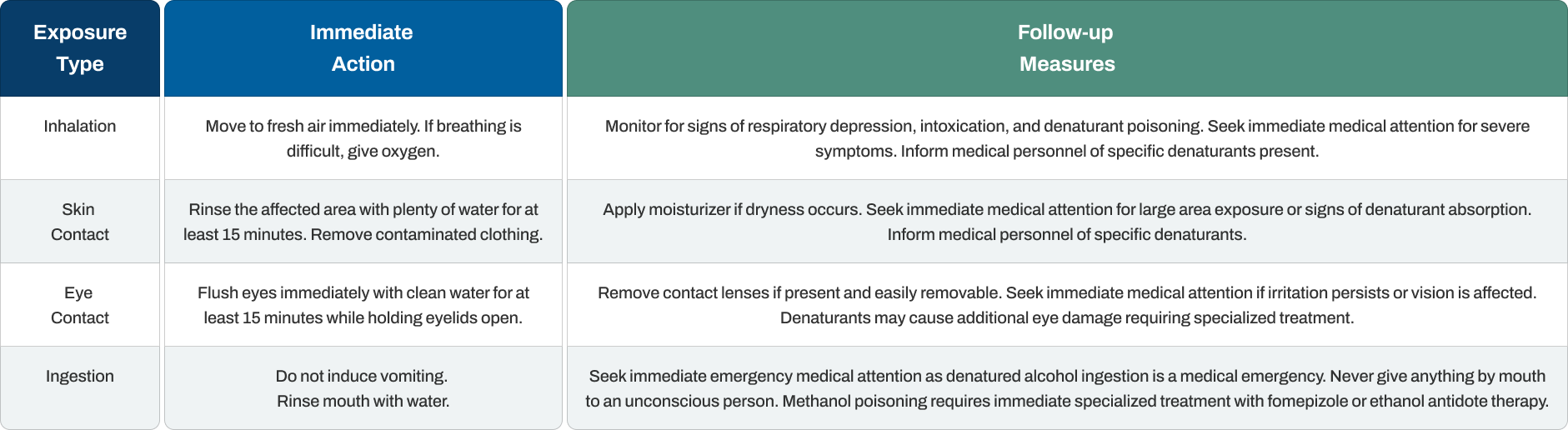
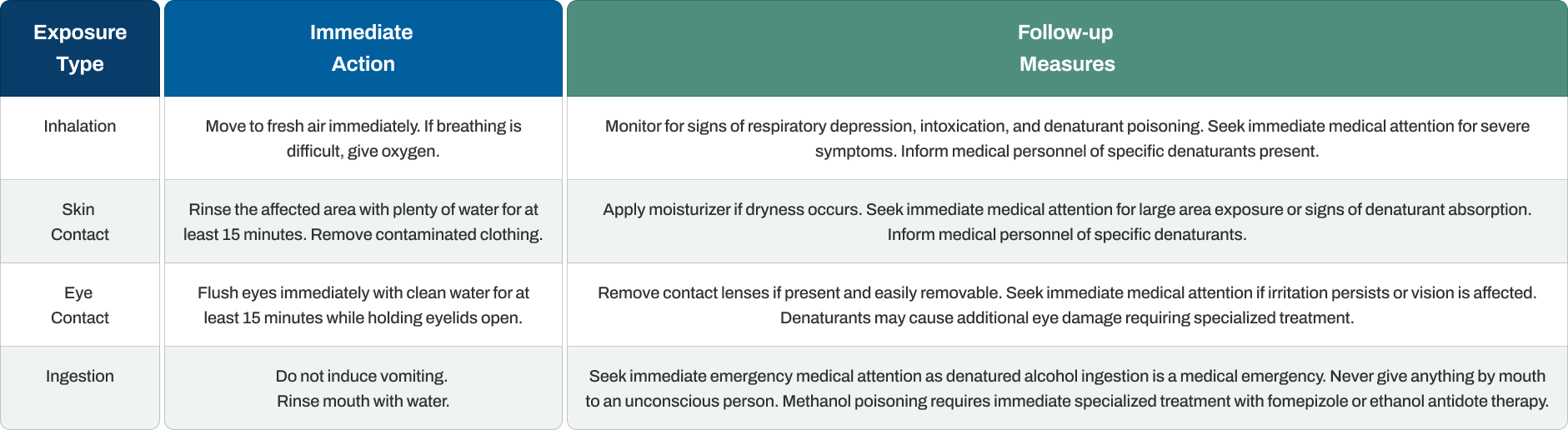
Critical considerations include avoiding contamination of yourself while helping others. Time matters enormously with all exposure types, particularly eye contact and ingestion, where damage can occur within minutes. The presence of toxic denaturants in denatured ethanol complicates medical response, making it essential to inform medical personnel of the specific denaturants present.
Handling & Storage Precautions
Safe management of denatured ethanol requires systematic attention to both fire prevention and health protection. The combination of extreme flammability and absorption risks from toxic denaturants means your safety procedures must address multiple hazard categories simultaneously.
Safe Handling Procedures
Personal protective equipment forms your first line of defense. Always use chemical-resistant gloves (nitrile recommended) suitable for denaturants, as standard latex or vinyl gloves degrade quickly upon contact with ethanol. Wear safety goggles and protective clothing to prevent skin contact, eye exposure, and absorption of toxic denaturants.
Ensure excellent ventilation in all work areas to prevent denaturant vapor exposure. Local exhaust ventilation at transfer points captures vapors at their source, while general area ventilation prevents accumulation in low-lying areas where ethanol vapors tend to collect.
Eliminate all ignition sources before handling denatured ethanol. Use explosion-proof electrical equipment, ground and bond containers during transfer operations, and avoid generating static electricity through proper procedures and conductive footwear. Avoid hot surfaces and any potential ignition sources that can provide autoignition temperatures.
Storage Requirements
Store denatured ethanol in cool, dry, well-ventilated areas away from heat, sparks, open flames, and oxidizing materials. Keep containers tightly closed and maintain temperatures below 25°C (77°F). Use approved flammable liquid storage cabinets with proper labeling indicating toxic contents.
Protect containers from direct sunlight, which can heat them significantly above ambient temperature and increase vapor pressure. Ensure proper grounding and bonding provisions are in place. Store away from food and consumables, as toxic denaturants make any contamination extremely dangerous.
Incompatible Substances
Denatured ethanol must be kept separated from several dangerous materials:
- Strong oxidizing agents: Permanganates, peroxides, and nitrates can react violently, causing immediate ignition or explosive reactions.
- Strong acids: Generate heat when mixed with ethanol, creating vapor release and potential ignition scenarios.
- Alkali metals: React violently with alcohols, releasing hydrogen gas and heat.
- Specialty chemicals: Acetyl chloride, chromium trioxide, and other reactive compounds can react dangerously.
- Hot surfaces and ignition sources: Avoid contact with any heat sources that could reach autoignition temperatures.
Additionally, denatured ethanol is incompatible with some plastics and rubber materials. Specific denaturants may have additional incompatibilities. Always verify container material compatibility before use.
Spill & Leak Procedures
Denatured ethanol spills demand immediate attention because of the extreme fire hazard combined with toxic vapor exposure from denaturants. A small spill can rapidly generate an explosive atmosphere while releasing poisonous vapors, making response time critical.
Emergency Response Steps
First, ensure the safety of all personnel in the area. Eliminate all ignition sources immediately by shutting down electrical equipment, extinguishing flames, and stopping operations that might generate sparks. Evacuate non-essential workers and establish proper ventilation to prevent denaturant vapor buildup.
All cleanup personnel must wear appropriate protective equipment, including flame-resistant clothing, respirators suitable for denaturant vapors, chemical-resistant gloves, and eye protection. Use explosion-proof equipment only. Large spills may require evacuation of the entire area until vapors can be dispersed. Consider that alcohol vapors are heavier than air and will settle in low-lying areas.
Containment and Cleanup Methods
Use non-combustible absorbent materials such as inert absorbents, vermiculite, or diatomaceous earth. Do not use sawdust or other combustible absorbents, as they create additional fuel for potential fires. Dike large spills to prevent spreading.
Contain the spill to prevent entry into waterways, sewers, or confined spaces. Work carefully to minimize vapor generation. Use non-sparking tools throughout the cleanup process. Water spray can help knock down vapors, though alcohol-resistant foam provides better vapor suppression. Treat the spill as both a flammable and toxic substance due to denaturants.
Environmental Protection and Disposal
Never allow denatured ethanol to enter storm drains, waterways, or soil. Denatured ethanol has a higher environmental impact than non-denatured ethanol due to toxic additives, which may be more persistent and harmful to aquatic ecosystems.
Recover spilled material where possible for proper hazardous waste disposal. Dispose of contaminated absorbents as hazardous waste according to local and federal regulations. Incinerate in an approved facility with adequate scrubbing for toxic denaturants. Follow TTB regulations for denatured alcohol disposal.
Document the spill incident thoroughly for regulatory compliance and future prevention.
Fire & Explosion Hazards
The fire and explosion characteristics of denatured ethanol dominate its hazard profile and drive most safety requirements. Understanding how ethanol burns and how to respond to ethanol fires can mean the difference between a minor incident and a catastrophic loss.
Flammability Characteristics
Denatured ethanol is a highly flammable liquid with a flash point around 13°C (55°F), meaning it forms explosive vapor-air mixtures at surprisingly low temperatures. Vapors are heavier than air and may travel to distant ignition sources. The autoignition temperature sits at approximately 365°C (689°F).
The substance burns with a nearly invisible flame in daylight, creating extreme danger for workers who may walk into burning areas without seeing the fire. Ethanol forms explosive mixtures with air across a broad concentration range, and vapors may reignite after initial suppression. Toxic denaturants may create additional hazardous combustion products.
Extinguishing Methods
Alcohol-resistant foam is essential for effective fire suppression, as standard foams break down quickly on alcohol fires. Other suitable agents include dry chemicals, carbon dioxide, or water spray. Do not use straight water streams, which may spread fire. Water can be used to cool containers and dilute spills in controlled applications. Be aware of toxic combustion products from denaturants.
Firefighting Precautions
Firefighters must use respiratory protection and full protective gear suitable for toxic vapors from denaturant combustion. Approach fires from upwind positions and cool containers with water spray to prevent rupture. Denatured ethanol burns with a nearly invisible flame in daylight, making thermal imaging cameras particularly valuable.
Be aware of potential boilover in tank fires. Vapors may reignite even after flames appear extinguished, requiring continued monitoring and vapor suppression. Poisonous gases are produced in fire from denaturant combustion.
Regulatory & Compliance Information
Denatured ethanol faces complex regulatory oversight from multiple federal agencies, with each exercising jurisdiction over different aspects of its manufacture, distribution, and use. Understanding these requirements helps ensure legal compliance while protecting worker safety and environmental quality.
OSHA Requirements
The Occupational Safety and Health Administration regulates denatured ethanol under 29 CFR 1910.106, the flammable liquids standard. The permissible exposure limit (PEL) is 1000 ppm (1900 mg/m³) as an 8-hour time-weighted average for the ethanol component.
Additional exposure limits may apply for specific denaturants. Methanol has a separate PEL of 200 ppm, which may be more restrictive. Employers must provide appropriate training, personal protective equipment, and safety procedures. Flame-resistant clothing and explosion-proof equipment are required in hazardous areas.
EPA and Environmental Regulations
The Environmental Protection Agency considers ethanol readily biodegradable, but denatured ethanol has a higher environmental impact than non-denatured ethanol due to toxic additives. It may be harmful to aquatic life due to denaturant toxicity. Reportable quantity thresholds under CERCLA may be lower due to denaturants. Subject to air emissions regulations.
DOT Transportation Requirements
The Department of Transportation classifies denatured ethanol as Hazardous Material Class 3 (Flammable Liquid), UN1170 for ethanol solutions or UN1987 for denatured alcohol. Requires proper shipping names, labels, placards, and packaging specifications. Additional hazmat requirements may apply for toxic denaturants.
FDA and TTB Compliance
Denatured ethanol is specifically prohibited for food, beverage, or human consumption applications. The TTB regulates denatured ethanol under industrial alcohol permits, with specific denaturant formulations required to comply with approved TTB formulas. Not subject to beverage alcohol taxes but subject to industrial use regulations.
Specialized Denatured Ethanol Types: Safety Considerations
Different grades of denatured ethanol carry significantly different toxicity profiles depending on which denaturants they contain. Understanding these differences helps you select appropriate safety measures.
SDA 3A (Specially Denatured Alcohol 3A): Contains methanol denaturant (approximately 5-10%), making it extremely toxic. Commonly called "methylated spirits." Methanol is highly poisonous and can cause blindness or death in small amounts. Requires the highest safety precautions. It can cause severe poisoning through ingestion, inhalation, or skin absorption. Used for fuel, cleaning, and general industrial applications.
SDA 40B (Specially Denatured Alcohol 40B): Contains tert-butyl alcohol and denatonium benzoate denaturants, known as "perfumer's alcohol." Popular for cosmetics and perfumes due to low toxicity in topical applications. Extremely bitter taste deters accidental ingestion. Lower acute toxicity than methanol formulations, but still dangerous.
SDA 3C (Specially Denatured Alcohol 3C): Contains isopropanol denaturant, widely used for cleaning, sanitization, and industrial applications. Generally less acutely toxic than methanol but still hazardous. May cause different symptoms than methanol poisoning.
CDA (Completely Denatured Alcohol): Heavily denatured formulations containing multiple toxic additives that are completely unfit for consumption. Available without permits due to extreme toxicity. Highest toxicity due to multiple denaturants.
Technical Documents & References
Working with denatured ethanol safely requires access to current and accurate technical documentation that addresses both fire hazards and specific denaturant toxicity.
Safety Data Sheets (SDS) provide detailed safety, handling, and first aid measures specific to concentration, grade, and denaturant formulation, including specific toxicity information for each denaturant present. This information is critical during medical emergencies.
TTB Regulations for industrial alcohol provide compliance requirements for permits, handling, and approved formulations of denatured alcohol with specific denaturant requirements.
Poison Control Guidelines provide emergency treatment protocols for denatured alcohol poisoning, with specific antidotes and treatments for different denaturants. Treatment protocols differ significantly for methanol versus other denaturants.
Certificate of Analysis (COA) verifies denaturant type, concentration, absence of unauthorized additives, and compliance with approved TTB formulations and industrial use standards.
Laboratories and facilities using denatured ethanol should maintain easy access to these documents and ensure all personnel receive proper safety training. Emergency contact information for poison control centers and environmental agencies should be readily available.
Final Note
Denatured ethanol occupies a unique position as an economical industrial chemical that combines extreme flammability with deliberate toxicity from added denaturants. This dual nature requires you to maintain constant awareness of both fire hazards and denaturant-specific health risks.
The presence of toxic denaturants makes denatured ethanol more hazardous than non-denatured ethanol in terms of health effects, particularly from ingestion, inhalation, or skin absorption. However, fire hazards remain identical between both types, with all ethanol formulations posing serious flammability risks.
Success in denatured ethanol safety comes from consistent application of proper procedures, regular training specific to denaturant hazards, and maintaining current technical documentation. By following established protocols, using appropriate protective equipment, and understanding the specific denaturants in your formulation, you can safely work with this important material across its many industrial applications.
Explore our Resource Library for more information.
Our Customer Care team is also available for more information and documentation, including chemical Safety Data Sheets.
Need Denatured Ethanol You Can Trust?
If you are looking for high-quality denatured ethanol for your lab, product line, or research facility, be sure to visit our store to explore our trusted selection and request a quote.
As your trusted partner in chemical supply, Lab Alley is always striving to meet the growing demands of our customers. We want you to be able to access all of your chemical needs in one place, along with streamlined online ordering and fast shipping.
Due to popular demand from our valued clientele, Lab Alley's denatured ethanol is available in a range of purities and packaging options to suit various commercial, laboratory, and personal needs.