





How and Why to Treat Non-Denatured Ethanol Waste: Essential Safety and Compliance Guide
Note: Non-denatured ethanol is not an acid or base, so "neutralization" in this context refers to rendering ethanol waste safe for disposal through various treatment methods.
Proper treatment of non-denatured ethanol waste protects people, facilities, and the environment. Labs, pharmaceutical operations, food processors, and research facilities all generate ethanol waste that requires careful handling. The pure nature of non-denatured ethanol creates both unique challenges and valuable recovery opportunities.
This solvent's extreme flammability demands respect. With a flash point of just 12.8°C (55°F), non-denatured ethanol can ignite at room temperature. Vapors mix with air to form explosive combinations, turning routine disposal into a potential hazard without proper treatment protocols.
Understanding how to handle non-denatured ethanol waste keeps operations safe and compliant. This guide covers why treatment matters, proven methods that work, and safety practices that protect your team.


In this article, we’ll explore:
- Why Treat Non-Denatured Ethanol?
- How to Treat Non-Denatured Ethanol Waste
- Safety & Best Practices
Why Treat Non-Denatured Ethanol Waste?
The reasons for treating non-denatured ethanol waste go beyond simple compliance. Safety, environmental protection, and economics all factor into the equation.
Safety & Fire Prevention
Non-denatured ethanol presents serious fire risks. That low flash point of 12.8°C means the liquid can ignite in typical working conditions. Vapors create an even bigger concern, forming explosive mixtures at concentrations between 3.3% and 19% by volume.
Workers face health hazards too. Direct contact irritates eyes, skin, and airways. Breathing concentrated vapors leads to headaches, drowsiness, and impacts on the central nervous system. Treatment reduces these risks by lowering concentrations or recovering the ethanol for reuse.
The absence of toxic denaturants in pure ethanol simplifies some safety considerations. You're dealing with one compound rather than a mixture, making vapor monitoring more straightforward and treatment options more flexible.
Environmental Protection
Dumping concentrated ethanol down the drain damages water systems. The high biological oxygen demand (BOD) and chemical oxygen demand (COD) strip oxygen from rivers and streams. In some industrial wastewaters, ethanol accounts for up to 90% of the total COD load.
Municipal treatment plants can't handle these sudden oxygen demands. Regulators set strict limits on what you can discharge, and violations carry hefty fines. While pure ethanol breaks down naturally through biological processes, high concentrations overwhelm the microorganisms doing that work.
Treatment prevents groundwater and surface water contamination. When managed correctly, ethanol converts to harmless carbon dioxide and water through natural processes.
Industrial & Laboratory Use
Many operations need ethanol removed before processing can continue. Recovery systems reclaim high-purity solvent for reuse, cutting both procurement costs and disposal expenses. This matters more with non-denatured ethanol since the recovered product has a higher value.
Distillation can return pharmaceutical-grade or food-grade ethanol directly to production. Compare this to denatured ethanol, which has limited reuse potential because of toxic additives. Treatment also prevents interference with downstream processes and keeps other waste operations running smoothly.
Regulatory Compliance
Local jurisdictions limit alcohol content in wastewater discharge. Environmental permits specify maximum COD and BOD levels along with flammable content restrictions. You'll need documented treatment records for regulatory reporting.
Non-denatured ethanol may trigger additional requirements. Some regions impose special taxes or permits because this material could theoretically go into beverage production. Keeping detailed records satisfies both environmental and tax authorities.
How to Treat Non-Denatured Ethanol Waste
Treating non-denatured ethanol follows a logical sequence. Each step builds on the previous one to ensure safe, effective results.
Step 1: Identify the Solution Properties
Start by measuring ethanol concentration, expressed as a percentage by volume or weight. This determines which treatment approaches make sense economically and practically.
Confirm you're actually working with non-denatured ethanol. The presence of denaturants completely changes your options. Test for contaminants like pharmaceutical residues, food additives, or process chemicals that might complicate treatment.
Calculate the total volume needing treatment. Large quantities may justify recovery equipment, while small amounts work better with simpler methods. Check pH if other chemicals are present, since pure ethanol is neutral, but contamination can shift that balance.
Step 2: Select Appropriate Treatment Methods
Your choice depends on concentration, volume, contamination level, available equipment, and budget. Non-denatured ethanol's purity gives you more flexibility than denatured alternatives.
Dilution Method
Adding water reduces concentration below regulatory discharge limits. For 95% ethanol, mix approximately 39 parts water to 1 part ethanol to reach 2% concentration. The exact ratio depends on local requirements, so check with your wastewater authority.
This approach costs less with non-denatured ethanol since no toxic additives limit disposal options. Diluted solutions work well in biological treatment systems, and the method needs minimal equipment. It's practical for small to medium volumes.
Biological Treatment
Microorganisms convert pure ethanol to carbon dioxide and water under aerobic conditions. Non-denatured ethanol works better here than denatured versions because toxic additives don't poison the microbes.
Large volumes fit well into existing wastewater treatment infrastructure. Introduce ethanol gradually to prevent shocking the system. Add nitrogen and phosphorus nutrients in ratios of 100:5:1 to 100:10:1 (carbon:nitrogen:phosphorus) to help microorganisms metabolize the ethanol efficiently.
Evaporation Method
Controlled evaporation in ventilated, spark-free spaces works for small volumes. Use fume hoods or dedicated evaporation stations. Capture vapors with condensation systems to recover pure ethanol for reuse.
This method suits laboratories and pharmaceutical settings dealing with residual amounts. Pure ethanol vapors condense more easily than denatured alternatives, maintaining reuse quality.
Distillation Recovery
Separating ethanol from water and contaminants through distillation makes economic sense for concentrations above 20% and substantial volumes. Non-denatured ethanol recovery brings higher value because the purified product works in pharmaceutical and food-grade applications.
The process needs specialized equipment and trained operators. Investment pays off through recovered product value and reduced disposal costs. You get pure ethanol for reuse and treated water for discharge.
Chemical Oxidation
Oxidizing agents like hydrogen peroxide convert ethanol to acetaldehyde, then acetic acid, and finally carbon dioxide and water. This requires careful control of reaction conditions and ventilation.
Intermediate compounds may need additional treatment. This method sees less use with non-denatured ethanol since destroying valuable, recoverable material wastes economic opportunity. It makes more sense for very dilute solutions where recovery isn't practical.
Step 3: Perform the Treatment Procedure
Work in well-ventilated spaces away from any ignition sources. This includes flames, sparks, hot surfaces, and static electricity. Ethanol vapors are heavier than air and collect in low spots, creating invisible fire hazards.
Wear safety glasses, chemical-resistant gloves, and flame-resistant clothing. Remove all ignition sources before starting. Ground metal equipment to prevent static discharge. Keep alcohol-resistant foam, carbon dioxide, or dry chemical fire extinguishers nearby.
Monitor for vapor accumulation throughout the process, especially in confined spaces where ethanol vapors can collect and reach dangerous concentrations. Use vapor detection equipment to track levels and ensure they stay well below explosive limits.
Add treatment agents slowly while mixing continuously to control reaction rates. Keep detailed records documenting concentrations, volumes, methods used, and final disposal. This supports environmental compliance and may be required for tax purposes.
Step 4: Monitor and Validate Treatment
Test the final ethanol concentration before disposal. This confirms treatment worked as intended. Check pH falls between 6 and 9 if other chemicals are present. Look for remaining contaminants that need additional treatment.
Ensure vapors are properly ventilated throughout the process. Monitor temperature during chemical treatments since some reactions generate heat. Document everything for regulatory compliance and internal records.
If using biological treatment, verify system performance by monitoring COD or BOD levels. Watch for signs of upset like unusual odors, foam, or changes in effluent quality.
Step 5: Dispose of Treated Waste
Diluted non-denatured ethanol solutions may go down the drain, but verify local concentration limits first. Many jurisdictions allow disposal below 1-5% concentration, though requirements vary.
Concentrated waste needs hazardous waste handling through licensed contractors. Many facilities accept pure ethanol for recovery or incineration. The absence of toxic denaturants makes non-denatured ethanol more attractive to recyclers.
Never put concentrated ethanol in regular trash due to fire risk. Treated solutions must meet local discharge standards for COD, BOD, pH, and flammable content. Consider recovery options since non-denatured ethanol's higher value can offset treatment costs.
Special Considerations for Different Types of Non-Denatured Ethanol
Different applications create unique treatment scenarios. Understanding these distinctions helps you choose the right approach.
Pharmaceutical Grade Ethanol
High purity makes pharmaceutical-grade ethanol suitable for most treatment methods. It may contain pharmaceutical residues requiring special handling. The premium value justifies recovery through distillation in many cases.
Consider recycling programs before disposal. Some operations may require DEA compliance documentation depending on your pharmaceutical activities.
Food Grade Ethanol
This material works well in biological treatment systems. Food-grade additives typically don't interfere with treatment or disposal. Lower regulatory concerns apply due to food-grade status.
Diluted food-grade ethanol often qualifies for drain disposal. High recovery value for food industry reuse makes distillation economically attractive.
Laboratory Grade Non-Denatured Ethano
Typically, high purity allows all treatment methods. It may be mixed with other lab chemicals, requiring waste characterization. High value justifies recovery when practical, and proper dilution makes it suitable for biological treatment.
Research Grade Ethanol
Usually very pure with minimal contaminants. It may be mixed with research chemicals requiring special handling. Look into institutional recovery programs.
Document disposal for grant compliance when research funding requires specific waste handling records.
Emergency Spill Response
Eliminate all ignition sources immediately. Ventilate the area to prevent vapor buildup. Absorb small spills with sand or vermiculite, not combustible materials like sawdust.
Contain large spills with dikes and pump to recovery containers. Pure ethanol spills have higher recovery potential than denatured alternatives. Use water spray to reduce vapor concentration, not to fight fires.
Contact the fire department for large spills or fires.
Safety & Best Practices
Proper safety practices protect workers and ensure successful outcomes.
- Fire Prevention: Eliminate all ignition sources before starting work. Use explosion-proof equipment where ethanol vapors may be present.
- Ventilation Requirements: Adequate ventilation prevents vapor accumulation. Ethanol vapors sink and collect in low areas, so position exhaust points accordingly. Continuous monitoring verifies safe conditions throughout treatment.
- Personal Protective Equipment: Safety glasses protect against splashes. Chemical-resistant gloves prevent skin contact. Flame-resistant clothing adds protection when handling significant quantities. Respiratory protection with organic vapor cartridges guards against inhalation hazards when ventilation is inadequate.
- Emergency Preparedness: Keep appropriate fire extinguishers within reach. Alcohol-resistant foam, carbon dioxide, or dry chemical types work on ethanol fires. Standard foam extinguishers won't work because ethanol dissolves the foam. Know where emergency shut-offs and exits are located before starting work.
- Vapor Monitoring: Use detection equipment in confined spaces or when handling large quantities. Maintain concentrations well below 3.3% (the lower explosive limit). Best practice targets less than 0.33% in work areas.
- Static Electricity Control: Ground all equipment when transferring ethanol. Use non-sparking tools made from brass or bronze for maintenance work.
- Temperature Control: Avoid heating ethanol near its flash point. Monitor treatment solution temperature and provide cooling if reactions generate heat.
- Recovery Considerations: Prioritize recovery methods when economically feasible. Non-denatured ethanol's high value and purity make recovery attractive. Even modest systems can pay for themselves through reduced disposal costs and recovered product value.
- Regulatory Compliance: Maintain documentation for tax, permit, and environmental compliance. Non-denatured ethanol may face different requirements than denatured alternatives. Verify what applies in your location and keep the required records.
Conclusion
Proper treatment of non-denatured ethanol waste ensures fire safety, environmental protection, and regulatory compliance while maximizing recovery opportunities. The pure nature of this solvent creates advantages over denatured alternatives, particularly for recovery and reuse.
Your treatment method depends on concentration, volume, contamination, and economics. Operations with consistent waste volumes often find that recovery equipment pays for itself through reduced costs and recovered product value.
Following systematic procedures with appropriate safety equipment produces successful results across pharmaceutical manufacturing, laboratory operations, food processing, and industrial applications. Fire prevention remains the top priority regardless of method, while the absence of toxic denaturants simplifies waste management.
Documented treatment protocols protect workers, satisfy regulators, and support environmental stewardship. The investment in proper treatment delivers safer operations, lower costs, and reduced environmental impact.
For more detailed guidance, explore our Resource Library.
Our Customer Care team is also available for more information and documentation, including chemical Safety Data Sheets.
Need Non-Denatured Ethanol You Can Trust?
If you are looking for high-quality non-denatured ethanol for your lab, product line, or research facility, be sure to visit our store to explore our trusted selection and request a quote.
As your trusted partner in chemical supply, Lab Alley is always striving to meet the growing demands of our customers. We want you to be able to access all of your chemical needs in one place, along with streamlined online ordering and fast shipping.
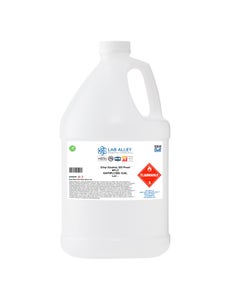
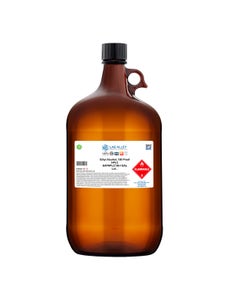
Due to popular demand from our valued clientele, Lab Alley's non-denatured ethanol is available in a range of purities and packaging options to suit various commercial, laboratory, and personal needs.