




How to Safely Dispose of Nitric Acid: Environmental and Safety Guidelines
Proper disposal of nitric acid (HNO3) is critical to protect the environment, ensure worker safety, and maintain regulatory compliance. Whether used in metal processing, laboratory analysis, chemical synthesis, or electronics manufacturing, correct disposal practices prevent serious harm to infrastructure, aquatic systems, and human health.
Nitric acid disposal presents significant challenges due to its corrosive nature, oxidizing properties, and potential for releasing toxic nitrogen oxides. Understanding appropriate disposal techniques protects ecosystems and ensures compliance with the stringent regulatory frameworks governing this hazardous oxidizing acid.


In this article, we'll review:
-
Why Proper Disposal Matters
-
How to Dispose of Nitric Acid
-
Special Considerations
Why Proper Disposal Matters
Environmental Protection
Nitric acid is highly corrosive and can severely damage aquatic ecosystems by altering the pH of water bodies and harming aquatic organisms. Improper disposal into waterways or soil contributes to acidification, destruction of beneficial microbial communities, and long-term ecological damage.
Groundwater contamination from soil disposal persists indefinitely, as subsurface acid plumes can migrate through aquifers and contaminate wells far from the original release point. Responsible disposal prevents environmental contamination and supports compliance with clean water and waste regulations.
Health & Safety
Nitric acid causes severe chemical burns to the skin, eyes, and the respiratory tract on contact. Contact with organic materials or incompatible substances releases toxic nitrogen dioxide (NO2) fumes, which pose serious inhalation hazards. Inhalation can cause delayed pulmonary edema, with life-threatening symptoms appearing hours after exposure. Proper disposal procedures minimize these risks to personnel and the surrounding community.
Legal Compliance
Nitric acid is classified as a hazardous waste under EPA RCRA regulations and is subject to strict disposal requirements at federal, state, and local levels. Industrial and laboratory users must comply with waste manifests, storage time limits, disposal permits, and licensed contractor requirements. Non-compliance can result in significant fines, penalties, and liability, including potential criminal prosecution for knowing violations.
How to Dispose of Nitric Acid
Check Applicable Regulations
Before disposal, review EPA RCRA hazardous waste regulations applicable to strong acids and oxidizing chemicals. Check local wastewater authority discharge limits for pH and acid concentration, as most jurisdictions prohibit direct drain disposal of concentrated acids.
Determine whether the nitric acid is contaminated with heavy metals, organic materials, or other hazardous substances, as these impose additional disposal requirements. Always review the SDS for your specific product concentration, since handling and disposal requirements vary significantly between dilute solutions, concentrated acid at 68%, and fuming nitric acid.
Drain Disposal Considerations
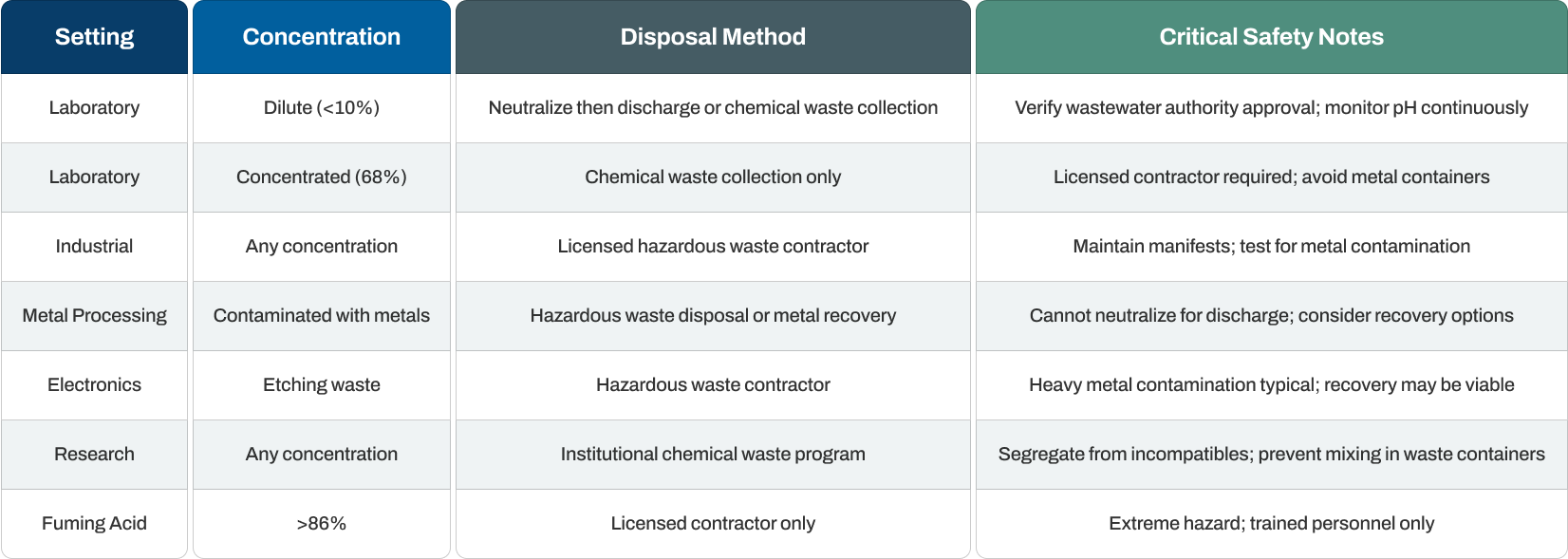
Concentrated nitric acid must never be disposed of via drains under any circumstances due to its corrosive and oxidizing properties. Highly dilute solutions may be neutralized and disposed of via sanitary sewer in some jurisdictions after pH adjustment to an acceptable range, typically pH 6 to 9, but always verify with local wastewater authorities before proceeding.
Nitric acid contaminated with heavy metals, organic solvents, or other hazardous materials cannot be disposed of via drains regardless of dilution. Many municipalities require pretreatment permits for any acid discharge above trace concentrations.
Use Designated Waste Disposal Methods
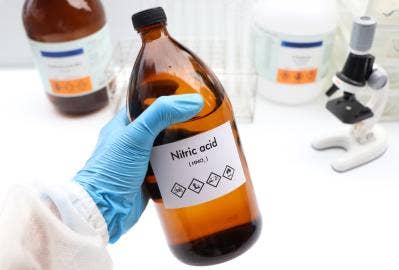
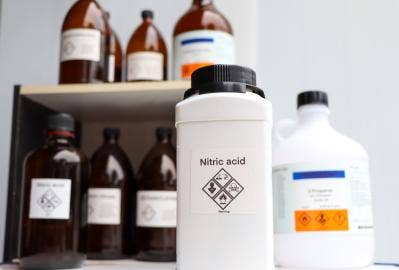
Small quantities (laboratories and small businesses): Small volumes of dilute, uncontaminated nitric acid may be neutralized under controlled conditions and disposed of via sanitary sewer after verification with local authorities. When drain disposal is not permitted, collect in compatible labeled glass or HDPE containers and dispose through institutional chemical waste programs.
Industrial quantities: Large volumes must be collected by licensed hazardous waste disposal contractors and transported to permitted treatment, storage, and disposal facilities (TSDFs). Maintain complete waste manifests and disposal records as required by EPA RCRA and state regulations. Industrial facilities should also explore recovery and recycling options before disposal.
Contaminated nitric acid: Acid contaminated with heavy metals, organic solvents, or other hazardous substances must be managed as hazardous waste through licensed disposal contractors with full documentation, proper labeling, and segregation from incompatible waste streams.
Laboratory and institutional waste: Follow institutional EHS protocols and collect through chemical waste programs with proper container labeling indicating acid type and concentration. Maintain chemical waste logs documenting all disposal activities for corrosive and oxidizing materials.
Neutralization Before Disposal
Dilute nitric acid solutions may be neutralized before drain disposal where permitted by local authorities. Sodium bicarbonate or dilute sodium hydroxide is commonly used as a base for this purpose. Neutralization must be carried out slowly and in small increments to control the exothermic reaction and prevent spattering, with continuous pH monitoring to confirm the solution reaches pH 6 to 9 before disposal.
Neutralization of concentrated nitric acid is not recommended outside of licensed treatment facilities due to the significant heat and fume generation involved. Never neutralize nitric acid contaminated with metals or organic compounds, as chemical treatment does not remove dissolved metals or destroy organic contaminants. Always perform neutralization in well-ventilated areas or fume hoods.
Never Mix Chemicals
Nitric acid is a powerful oxidizing acid and must never be mixed with:
-
Organic solvents, alcohols, or flammable materials, which create a fire, explosion, or violent reaction risk
-
Reducing agents or reactive metals such as magnesium, zinc, or aluminum, which cause violent exothermic reactions, releasing toxic nitrogen oxides
-
Bases or alkalis in concentrated form, which generate extreme heat and can cause spattering or container failure
-
Hydrogen peroxide or other strong oxidizers, which significantly increase explosion risk
-
Acetic acid or other organic acids, which can form unstable and explosive compounds
-
Concentrated sulfuric or hydrochloric acid, which creates highly dangerous mixed acid systems
Keep nitric acid strictly segregated from all incompatible materials during storage, handling, and disposal. Maintain distinct collection containers for different waste types and post clear signage identifying incompatible materials in storage areas.
Follow PPE Guidelines
Always wear acid-resistant gloves (butyl rubber or neoprene), a full face shield over chemical splash goggles, and a chemical-resistant apron or lab coat when handling nitric acid for disposal. For concentrated or fuming nitric acid, a supplied-air respirator or appropriate acid gas respirator is required. Standard dust masks and organic vapor cartridges do not protect against nitrogen dioxide fumes.
Ensure strong ventilation or work within a fume hood at all times. Have eyewash stations and emergency shower facilities immediately accessible. In confined or poorly ventilated spaces, respiratory protection is mandatory regardless of concentration.
Special Considerations
Guidelines for Specific Concentrations: Disposal protocols vary significantly based on the acid's strength. Requirements for dilute solutions (under 10%) differ from those for concentrated nitric acid (68%) and fuming nitric acid (exceeding 86%). Because of its hazards, fuming acid management must be restricted to trained specialists and licensed service providers.
Mitigating Toxic Fumes: The decomposition of nitric acid can release nitric oxide (NO) and nitrogen dioxide (NO2), both of which are hazardous even in small amounts. It is essential to maintain proper ventilation throughout the disposal process. Do not depend on your sense of smell to determine safety, as dangerous levels of gas can accumulate before any odor is detected.
Managing Metal-Contaminated Waste: Nitric acid that contains dissolved heavy metals like chromium, cadmium, or lead is strictly classified as hazardous waste. These solutions cannot be neutralized for sewer disposal and require analytical testing to document contamination and ensure correct waste characterization.
Industrial and Electronic Applications: Spent acid from metal cleaning or etching often contains heavy metals and requires handling by licensed contractors. Before arranging for disposal, explore metal recovery options; specialized firms can often reclaim valuable materials, which may lower your overall costs.
Non-Suitability for Incineration: Due to its nature as a strong oxidizer and the risk of generating toxic nitrogen oxides, nitric acid should not be incinerated. The preferred disposal methods are licensed wastewater treatment and chemical neutralization.
Recovery and Reclamation: Industrial operations can often regenerate spent nitric acid using ion exchange or distillation. You should consult a licensed chemical recovery specialist to see if recycling is a feasible alternative for your specific waste stream.
Safe Transportation Requirements: The DOT categorizes nitric acid as a Class 8 corrosive material, with an additional oxidizer label required for concentrations over 70%. Transport must involve DOT-compliant containers and licensed hazardous waste haulers who possess the necessary insurance and permits.
To ensure full regulatory compliance, reach out to your institutional EHS department, a licensed waste contractor, or your local wastewater authority. Always consult the Safety Data Sheet (SDS) for your specific acid concentration and adhere to all federal, state, and local mandates governing hazardous waste.
Quick Reference: Disposal Methods and Safety Requirements
Final Note
Nitric acid disposal requirements vary dramatically based on concentration and contamination status, with dilute uncontaminated solutions permitting neutralization while concentrated or contaminated acid demands professional hazardous waste management. Understanding local discharge prohibitions, metal contamination issues, and nitrogen oxide hazards promotes compliant, safe disposal operations.
For safe, regulatory-compliant disposal of nitric acid and expert guidance on neutralization procedures, metal recovery options, and concentration-specific requirements, consult your local wastewater treatment authority, institutional EHS office, or a licensed hazardous waste contractor. Always reference the Safety Data Sheet (SDS) for your specific product concentration, and follow all applicable federal, state, and local hazardous waste management regulations.
When uncertain about disposal procedures, neutralization safety, or contamination characterization, consult environmental health professionals or hazardous waste disposal specialists for guidance specific to your concentration level, metal content, volume, and jurisdiction.
For more detailed guidance, explore our Resource Library
Our Customer Care team is also available for more information and documentation, including chemical Safety Data Sheets.
Need Nitric Acid You Can Trust?
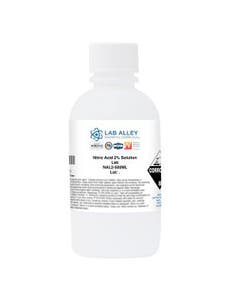
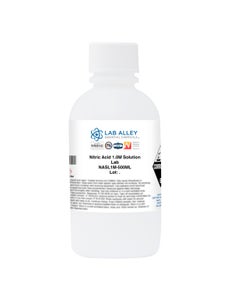
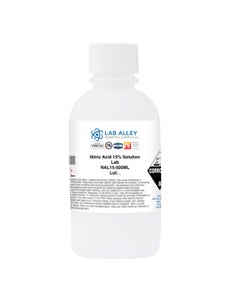
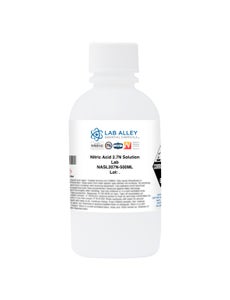
If you are looking for high-quality nitric acid for your lab, product line, or research facility, be sure to visit our store to explore our trusted selection and request a quote.
As your trusted partner in chemical supply, Lab Alley is always striving to meet the growing demands of our customers. We want you to be able to access all of your chemical needs in one place, along with streamlined online ordering and fast shipping.
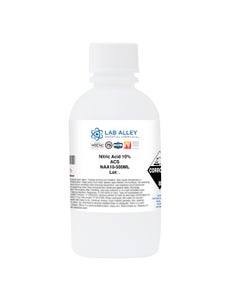
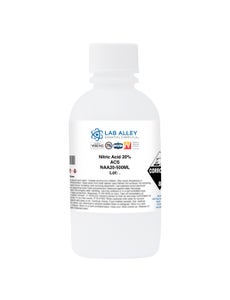
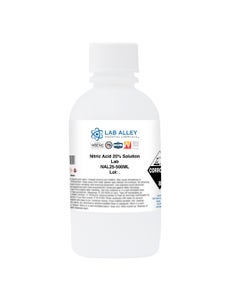
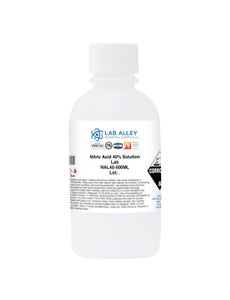
Due to popular demand from our valued clientele, Lab Alley's nitric acid is available in a range of purities and packaging options to suit various commercial, laboratory, and personal needs.