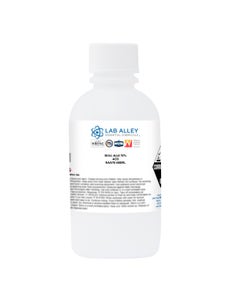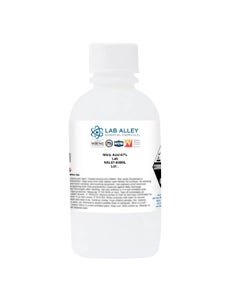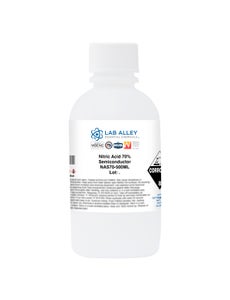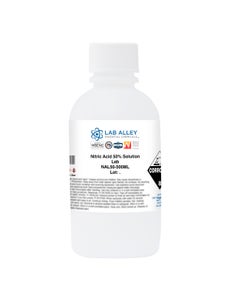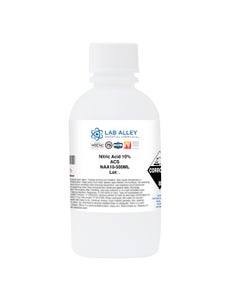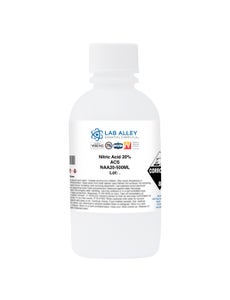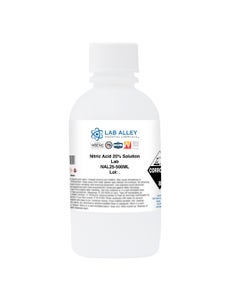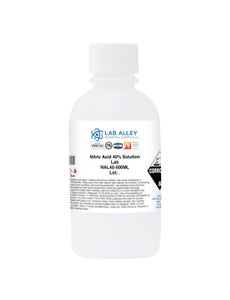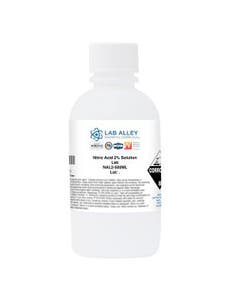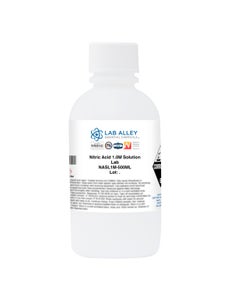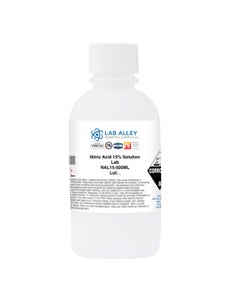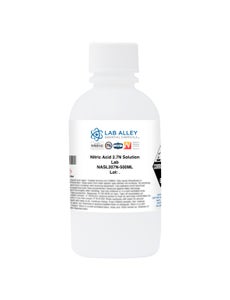





Shelf Life & Expiration of Nitric Acid: Storage and Stability Guide
Nitric acid is a powerful oxidizing agent essential for metal etching, chemical synthesis, fertilizer production, electronics manufacturing, and laboratory applications. Understanding how long it retains its specified concentration and chemical purity helps maintain product integrity and ensure consistent performance across industrial and analytical uses. Because nitric acid is reactive and subject to photolytic and thermal decomposition, proper storage is critical to preventing hazardous nitrogen dioxide gas accumulation and preserving reliable functionality.
Nitric acid stability hinges on temperature control, light exclusion, container material selection, and rigorous contamination prevention. The compound degrades through photochemical pathways that produce toxic nitrogen dioxide gas, requiring careful handling and storage protocols throughout the product lifecycle.
In this article, we'll examine:
-
How Long Does Nitric Acid Last?
-
Signs That Nitric Acid Has Expired or Degraded
-
What to Do If Nitric Acid Is Expired
How Long Does Nitric Acid Last?
Nitric acid longevity depends on concentration, storage temperature, light exposure, and container integrity. Understanding these variables helps predict degradation patterns and plan inventory replacement schedules.
Shelf Life Duration
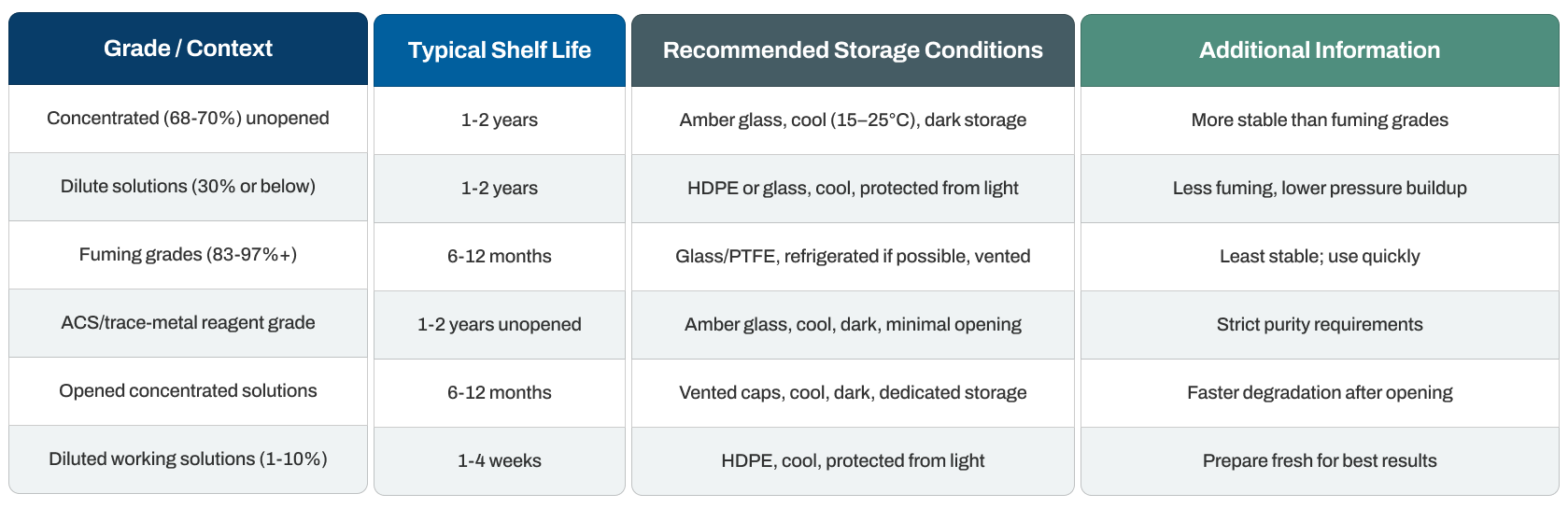
Sealed reagent-grade solutions: Manufacturers typically assign expiration dates of 1 to 2 years, though actual stability depends heavily on storage conditions and container integrity throughout the product lifecycle.
Concentrated solutions (68–70%): Generally more stable than fuming grades under equivalent conditions, but all grades are susceptible to degradation without proper storage controls.
Opened concentrated solutions: Use within 6 to 12 months depending on storage conditions and grade specifications. Analytical grades require faster turnover than industrial grades.
Diluted working solutions (1–10%): Should be used within 1 to 4 weeks depending on storage conditions. Fresh preparation before use delivers optimal results for analytical work.
Fuming grades: Experience the shortest shelf life due to aggressive decomposition when exposed to heat, light, or organic contamination. These specialty products demand immediate use after opening.
Chemical Stability
Nitric acid decomposes through photolytic oxidation, producing nitrogen dioxide (NO2), water, and oxygen gas. This reaction is initiated by light exposure and accelerated by heat. The decomposition is indicated by a characteristic yellow to brown discoloration caused by dissolved NO2.
Exposure to direct sunlight or UV radiation initiates photolytic decomposition even in sealed containers, making amber glass storage and dark locations essential. Elevated temperatures accelerate decomposition and increase NO2 gas evolution and pressure inside containers, with storage above 30°C significantly shortening shelf life.
Concentration and Grade
Concentrated nitric acid (68–70%) shows better stability than fuming grades and generates less pressure buildup during storage. Dilute solutions (30% or below) are less prone to fuming and pressure buildup.
White fuming nitric acid (97% or higher) and red fuming nitric acid (83% or higher with dissolved NO2) are the least stable grades and decompose most aggressively when exposed to heat, light, or organic contamination. ACS reagent-grade and trace-metal-grade solutions are held to tighter purity specifications and should be used within shorter windows once opened to preserve analytical accuracy.
Storage Conditions
Optimal storage temperature is below 25°C. Refrigeration at 4-9°C significantly extends shelf life for reagent-grade solutions, provided storage units are dedicated to corrosive chemicals and are not shared with incompatible materials. Compatible container materials include borosilicate glass, high-density polyethylene (HDPE), and fluoropolymer (PTFE, FEP).
For fuming grades, glass with PTFE-lined caps is strongly preferred. Never store in containers made from carbon steel, copper, brass, zinc, aluminum, or other reactive metals. Store in well-ventilated areas with active exhaust ventilation, and keep bulk containers loosely capped or vented to prevent pressure buildup from NO2 gas evolution.
Quick Reference: Shelf Life and Storage
Signs That Nitric Acid Has Expired or Degraded
Observable changes and testing results indicate when nitric acid has lost acceptable quality. Recognizing these signs prevents the use of degraded material in precision applications.
Discoloration: Fresh nitric acid is colorless to very slightly yellow. A deepening yellow, orange, or brown color indicates the accumulation of dissolved nitrogen dioxide from decomposition. Heavily discolored solutions should not be used for concentration-sensitive applications such as trace metal analysis or precision etching.
Gas evolution or pressure buildup: Containers that are swollen, pressurized, or release brown or orange fumes when opened indicate significant degradation. This is both a quality concern and a safety hazard, as NO2 is highly toxic with an OSHA ceiling limit of 5 ppm.
Off-concentration testing: A decrease in titratable acid concentration below the labeled specification is the most reliable indicator of degradation. Verify concentration using standardized titration with sodium hydroxide (NaOH). Solutions failing to meet minimum concentration specifications should not be used for applications requiring precise molarity.
Fuming at room temperature: Non-fuming concentrated grades that begin releasing visible white or reddish-brown fumes at room temperature indicate significant decomposition or contamination and should not be used.
Exceeded expiration date: Most commercial and reagent-grade products carry 1 to 2 year expiration dates for unopened containers. Once opened, use concentrated solutions within 6 to 12 months and diluted working solutions within 1 to 4 weeks.
What to Do If Nitric Acid Is Expired
Discovering expired nitric acid requires careful assessment to determine usability and ensure proper disposal when necessary.
Test Concentration
Perform an acid-base titration using a standardized NaOH solution to verify the remaining concentration. If the solution still meets minimum concentration requirements for the intended application, it may remain usable for non-critical purposes, though precision results cannot be guaranteed. Visual inspection and color evaluation offer preliminary information but cannot replace chemical testing for applications demanding exact specifications.
Do Not Use for Critical Applications
Degraded or off-specification nitric acid should not be used for trace metal digestion, ACS-grade synthesis, or semiconductor fabrication, where concentration deviations directly compromise results or product quality. Analytical chemistry demands fresh reagents with verified specifications, and semiconductor manufacturing requires ultra-pure reagents to avoid unacceptable defect rates in electronic components.
Dispose of as Hazardous Waste
Nitric acid is classified as a corrosive and oxidizing hazardous material (UN 2031, Hazard Class 8, Packing Group I or II depending on concentration). Do not pour nitric acid solutions down drains without neutralization and compliance with applicable wastewater regulations.
Carefully neutralize with dilute sodium hydroxide or sodium bicarbonate under controlled conditions with appropriate PPE and ventilation, then dispose through a licensed hazardous waste contractor or municipal hazardous waste collection program. Empty containers retain residues and must also be treated as hazardous waste.
Replace with Fresh Stock
For applications requiring reliable and reproducible results, replace degraded nitric acid with fresh product from a reputable supplier. Check the manufacturing date to confirm maximum remaining shelf life and request a certificate of analysis (CoA) to verify concentration and purity before use.
Inspect incoming shipments for container integrity, proper labeling, and colorless appearance. Coordinate purchasing and inventory to minimize on-site storage duration.
Proper Storage Extends Shelf Life
Implementing rigorous storage practices from delivery significantly slows decomposition and preserves concentration.
Temperature control: Store in a cool, dry location below 25°C. Avoid heat sources above 30°C and temperature fluctuations. Refrigerated storage at 4–9°C significantly extends shelf life for reagent-grade solutions in dedicated corrosive chemical storage units.
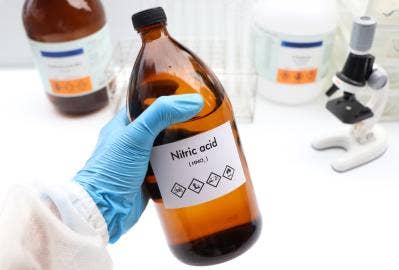
Light protection: Store in amber glass bottles or opaque containers in a dark storage area. Never store in clear glass or clear plastic exposed to sunlight, fluorescent lighting, or UV sources. UV radiation initiates photolytic decomposition regardless of temperature.
Container requirements: Use original manufacturer containers or containers specifically designed for strong oxidizing acids, including borosilicate glass, HDPE, and fluoropolymer (PTFE, FEP). Never use containers made from reactive metals. Verify polypropylene and PVC compatibility against the specific concentration and grade before use.
Contamination prevention: Never introduce organic materials, reducing agents, solvents, or combustibles into nitric acid containers or storage areas. Even trace contamination can initiate violent exothermic reactions. Use only clean, dedicated equipment for dispensing, and never return unused material to the original container.
Ventilation and pressure relief: Store in well-ventilated areas or dedicated corrosive chemical storage cabinets with active exhaust ventilation. Keep bulk containers loosely capped or vented to prevent pressure buildup. Never store fuming grades in airtight containers without pressure relief provisions.
Secondary containment: Provide secondary containment holding at least 110% of the primary container volume, constructed from acid-resistant materials such as HDPE, CPVC, or acid-resistant coated concrete.
Segregation: Store away from all flammable materials, organic solvents, reducing agents, bases, metals, and reactive chemicals. Label storage areas clearly and restrict access to trained, authorized personnel only.
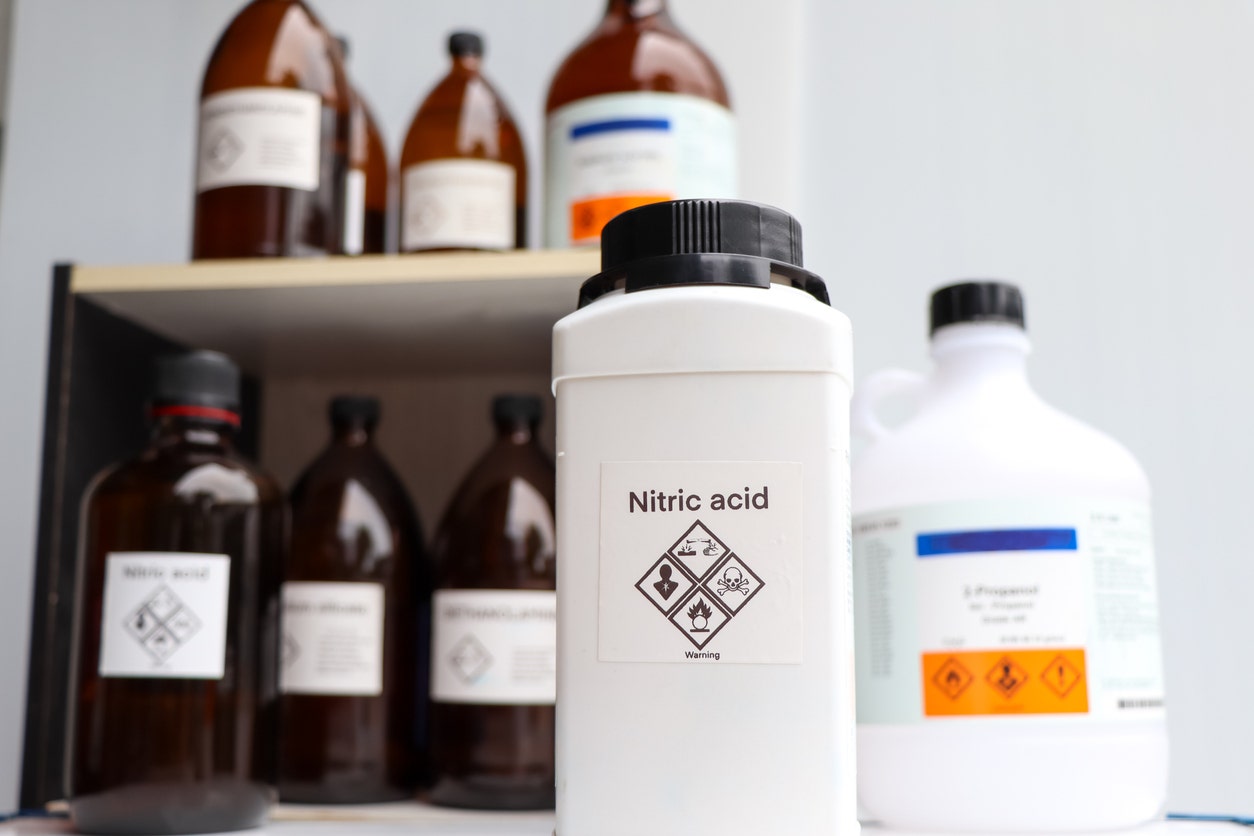
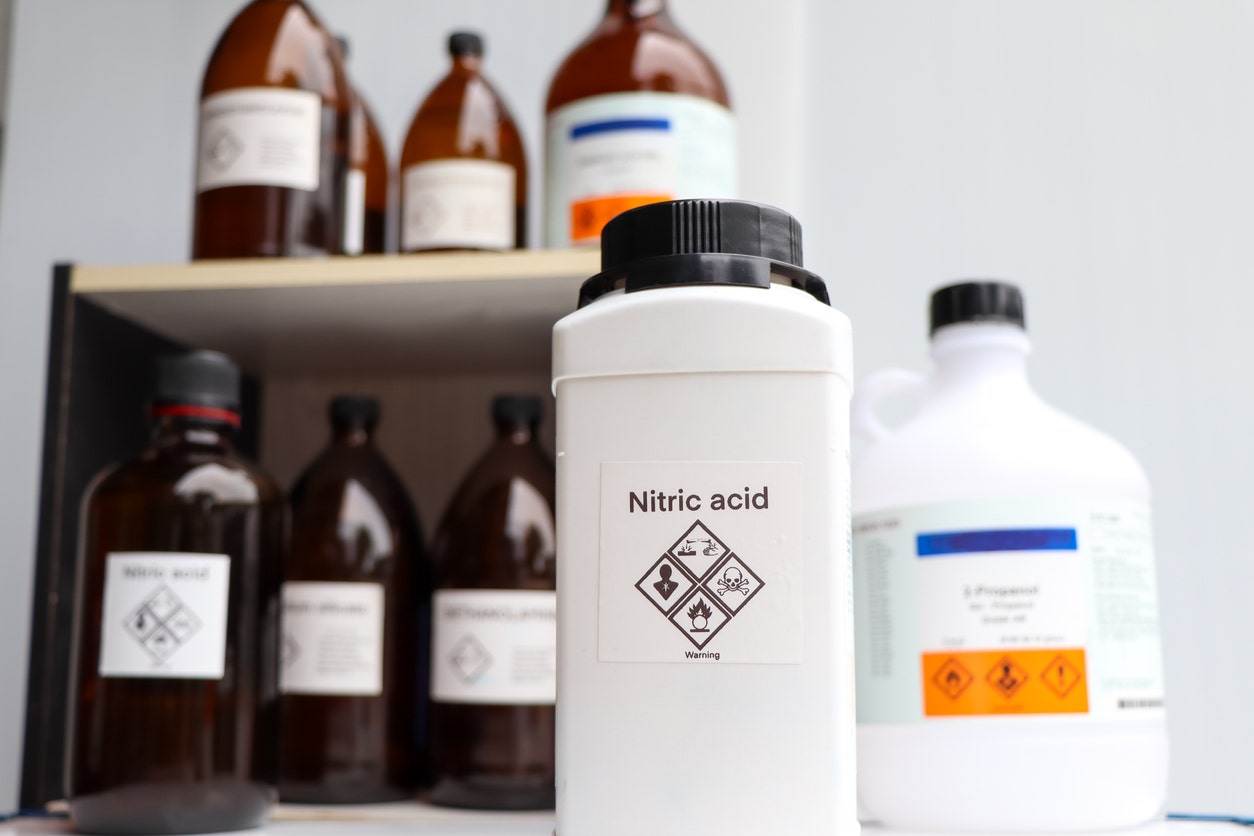
Regular inspection and labeling: Inspect containers at least quarterly for discoloration, fuming, swelling, corrosion, or leakage. Label all containers with chemical name, concentration, grade, date received, date opened, and expiration date. Implement first-in, first-out (FIFO) inventory rotation to use older stock before newer stock and minimize degradation losses.
Conclusion
Nitric Acid remains chemically stable under proper storage conditions and typically maintains its quality for several years when stored in tightly sealed, compatible containers. Over time, exposure to heat, light, air, or contaminants can accelerate decomposition, leading to the formation of nitrogen oxides and a gradual decline in purity, particularly in higher-concentration grades.
Storing Nitric Acid in approved corrosion-resistant containers away from direct sunlight, excessive heat, reducing agents, organic materials, and incompatible chemicals helps preserve product integrity and extend storage life. Maintaining appropriate storage temperatures, minimizing air exposure, and implementing routine quality inspections and FIFO inventory practices support consistent performance in laboratory, industrial manufacturing, metal processing, chemical synthesis, and analytical applications.
Note: Fresh nitric acid from Lab Alley stored under optimal conditions provides maximum concentration accuracy and chemical purity when handled according to proper storage protocols and used within appropriate timeframes for your specific application.
For more detailed guidance, explore our Resource Library for comprehensive storage and handling information.
Our Customer Care team is also available for more information and documentation, including chemical Safety Data Sheets.
Need Nitric Acid You Can Trust?
If you are looking for high-quality nitric acid for your lab, product line, or research facility, be sure to visit our store to explore our trusted selection and request a quote.
As your trusted partner in chemical supply, Lab Alley is always striving to meet the growing demands of our customers. We want you to be able to access all of your chemical needs in one place, along with streamlined online ordering and fast shipping.
Due to popular demand from our valued clientele, Lab Alley's nitric acid is available in a range of purities and packaging options to suit various commercial, laboratory, and personal needs.