





Polyethylene Glycol Safety & Hazards: Essential Handling Guidelines
Polyethylene glycol is a synthetic, water-soluble polymer available in various molecular weights, ranging from low-viscosity liquids (PEG 200-600) to waxy solids (PEG 1000-8000+), and is widely used in pharmaceuticals, cosmetics, industrial applications, and as an indirect food additive. PEG exhibits very low toxicity and is FDA-approved for pharmaceutical use and as an indirect food additive when manufactured to appropriate purity standards. While PEG presents minimal health hazards under normal use, it is combustible at elevated temperatures, may cause mild eye or skin irritation with direct contact, and can create slip hazards when spilled.
Despite its excellent safety record and low toxicity, concentrated solutions and large volumes demand proper handling protocols to prevent slips, manage combustion risks, and avoid eye or skin irritation. Professionals working in pharmaceutical manufacturing, cosmetics production, food processing, laboratories, and industrial facilities must understand the safety profile of polyethylene glycol.
The material's very low toxicity doesn't eliminate all precautions. PEG becomes combustible when heated above its flash point, creates extremely slippery surfaces when spilled, and may irritate sensitive tissues with prolonged contact. This guide provides essential information on polyethylene glycol safety, including recognizing exposure symptoms and responding appropriately in emergencies.
In this article, we’ll explore:
-
Chemical Hazards Overview
-
Exposure Risks & Health Effects
-
First Aid Measures
-
Handling & Storage Precautions
-
Spill & Leak Procedures
-
Fire & Explosion Hazards
-
Regulatory & Compliance Information
-
Molecular Weight Considerations: Safety Profile
-
Technical Documents & References
Chemical Hazards Overview
Polyethylene glycol's hazard profile centers on physical risks rather than chemical toxicity. The compound's low reactivity and minimal health effects make it one of the safer materials in industrial settings, though specific conditions require appropriate precautions.
Hazard Classification
Under OSHA's 2012 Hazard Communication Standard, PEG is not classified as hazardous. The material may cause mild eye and skin irritation with direct contact. Ingesting large amounts may lead to gastrointestinal upset, though the compound is used medicinally as an osmotic laxative in controlled doses.
PEG is combustible at elevated temperatures but not flammable under normal conditions. This distinction matters because the material requires heating to its flash point before ignition becomes possible. Inhalation hazards are minimal under normal conditions since PEG doesn't readily form vapors at room temperature.
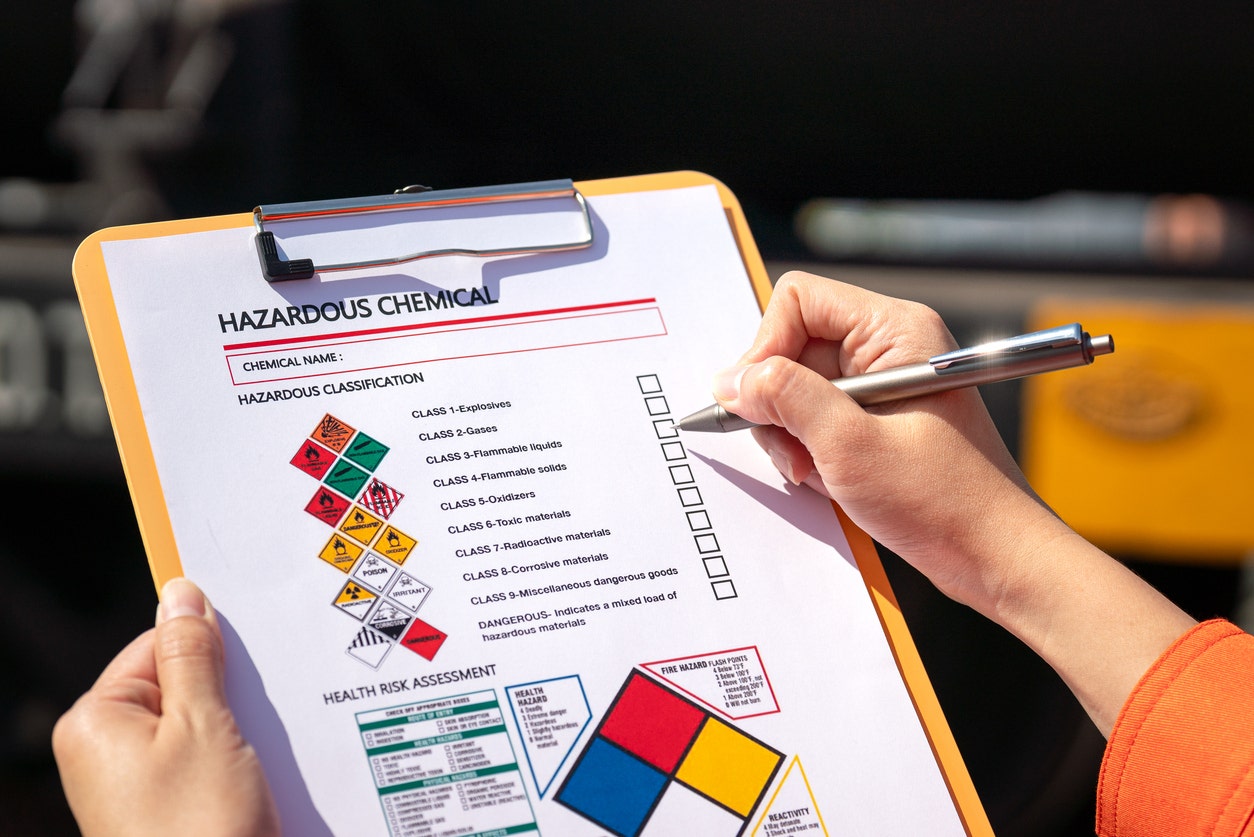
Most polyethylene glycol products don't require GHS hazard pictograms due to low hazard classification. NFPA ratings are Health: 0-1 (minimal to slight hazard), Flammability: 1 (combustible), and Reactivity: 0 (stable).
Primary Risks
Main hazards from polyethylene glycol vary with molecular weight and handling conditions. Very low acute toxicity shows oral LD50 values exceeding 5,000 mg/kg for most forms, with higher molecular weight versions reaching LD50 values above 50,000 mg/kg. These numbers indicate essentially non-toxic behavior through oral exposure.
When spilled, PEG creates slippery surfaces that pose serious fall hazards. This physical danger often represents the most immediate risk in facilities handling the material. Even small spills require prompt cleanup to prevent accidents.
The material causes mild irritation to the eyes and skin with direct contact, though effects are typically minor and temporary. Combustion occurs when heating PEG above 171-287°C, depending on molecular weight. While this temperature range exceeds normal handling conditions, it becomes relevant in certain manufacturing processes or if material contacts hot surfaces.
Dust from solid forms may irritate if inhaled and can form combustible mixtures when dispersed in air. The compound is generally safe for intended uses when handled with standard industrial hygiene practices.
Exposure Risks & Health Effects
Understanding how polyethylene glycol affects health enables you to spot exposure situations and respond appropriately. Effect severity relates to concentration, contact duration, and molecular weight of the specific PEG form involved.
Breathing PEG vapors or dust creates a very low risk under normal use. The material doesn't readily vaporize at room temperature, so inhalation exposure typically occurs only with heated material or dusty solid forms. Inhaling mists or dust may cause mild respiratory irritation. High concentrations of heated vapors may trigger coughing. Normal room temperature handling is not expected to cause significant respiratory effects.
Skin contact may cause mild irritation with prolonged exposure. The compound is generally well-tolerated in topical products, explaining its use in cosmetics and pharmaceutical ointments. Some people experience slight dryness with extended contact. Low dermal absorption means PEG doesn't readily penetrate intact skin. The material is not corrosive or severely irritating.
Eye contact may cause mild to moderate irritation with redness, tearing, and discomfort. Permanent damage is not expected. Irritation typically resolves with rinsing. PEG is not corrosive to eye tissue.
Oral toxicity is very low across all molecular weight ranges, with LD50 values from greater than 5,000 to greater than 50,000 mg/kg depending on molecular weight. Large quantities may cause gastrointestinal upset, including nausea or diarrhea. PEG is used medicinally as an osmotic laxative. Serious harm is not expected in typical exposures.
Long-term exposure at normal levels is safe with no evidence of chronic toxicity. PEG is not classified as a carcinogen by IARC, NTP, or OSHA. No evidence exists of mutagenicity or reproductive toxicity. High MW PEGs (greater than 1000) are poorly absorbed and excreted unchanged. Low MW PEGs may contain trace impurities requiring quality control.
First Aid Measures
Rapid and correct first aid reduces discomfort from polyethylene glycol contact. Serious medical emergencies from PEG exposure are rare, and response procedures are straightforward.
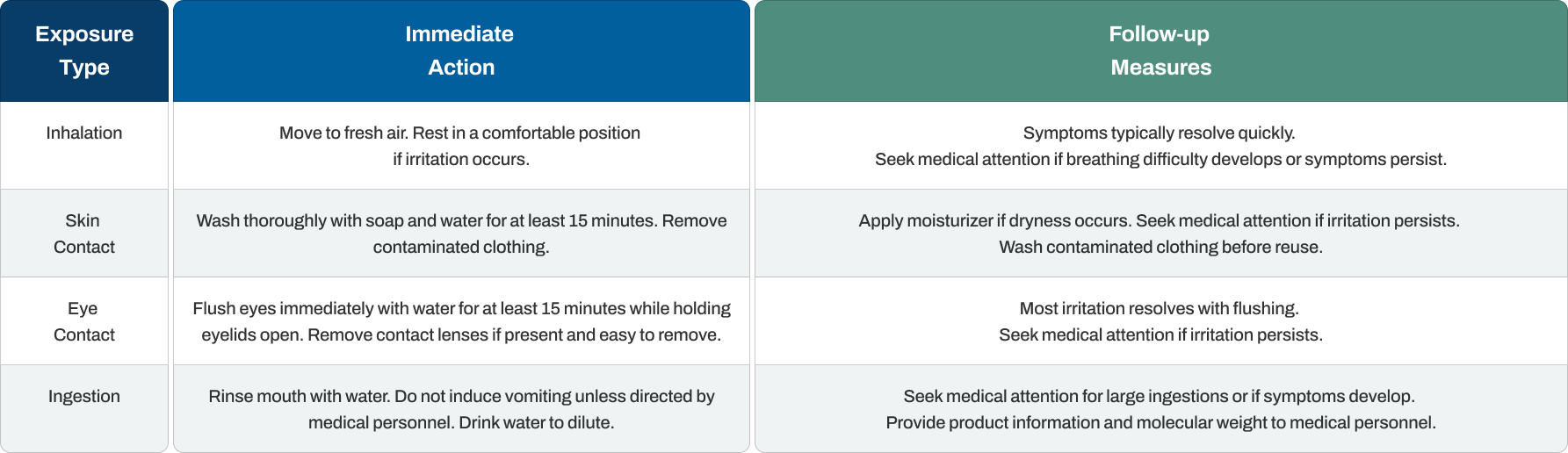
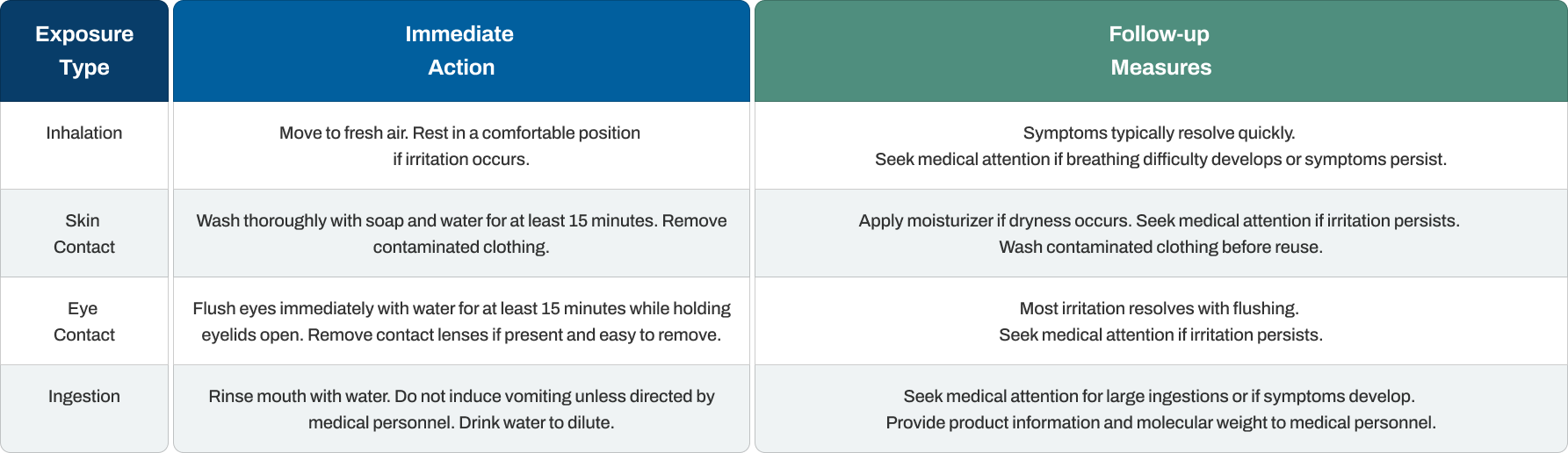
The molecular weight of the specific polyethylene glycol product matters for medical treatment. Lower molecular weight forms may be absorbed more readily if swallowed, while higher molecular weight versions pass through the digestive system largely unchanged. When seeking medical attention, bring the product container, Safety Data Sheet, or Certificate of Analysis if available.
Handling & Storage Precautions
Working safely with polyethylene glycol requires systematic procedures addressing both minor chemical hazards and more significant physical hazards like slips and combustibility.
Safe Handling Procedures
Use standard hygiene practices when working with PEG. Wear nitrile or latex gloves and safety glasses to prevent contact. Ensure adequate ventilation, especially when heating polyethylene glycol or working with solid forms that may generate dust. Avoid creating dust with solid forms during weighing or transferring.
Clean spills promptly to prevent slip hazards. This precaution is critical because PEG creates surprisingly slippery surfaces even in small amounts. Wash your hands after handling. No explosion-proof equipment is required since PEG doesn't create flammable vapor-air mixtures at normal temperatures.
Storage Conditions
Store in cool, dry areas at room temperature (15-25°C). Keep containers tightly closed to prevent moisture absorption, as PEG is hygroscopic. Protect from excessive heat (above 170°C) and direct sunlight. Store away from strong oxidizers and acids. Solid PEG may soften at elevated temperatures. Liquid forms may solidify at low temperatures.
Incompatible Substances
Strong oxidizing agents, including peroxides, permanganates, and nitrates, can react with PEG. Strong acids and bases at elevated temperatures may cause reactions. Certain reactive metals (aluminum, zinc) may react under some conditions. PEG is generally compatible with most materials.
Spill & Leak Procedures
Responding to polyethylene glycol spills focuses on preventing slip injuries rather than chemical hazards. Quick action prevents accidents and minimizes product loss.
Emergency Response Steps
Address slip and fall hazards immediately by restricting access to the spill area. Wear appropriate PPE, including gloves and safety glasses. Ensure adequate ventilation if the material has been heated. No fire precautions are required at room temperature.
Containment Methods
For liquid PEG, contain the spill and absorb with vermiculite, sand, or spill pads. For solid PEG, sweep up or vacuum the material. Prevent entry into drains or waterways to avoid contributing to biological oxygen demand in water bodies.
Proper Disposal
Collect material for reuse if uncontaminated. Dispose of as non-hazardous waste per local regulations. PEG is biodegradable. Small amounts may be disposed of via sanitary sewer, where permitted. Consult disposal contractor for large quantities.
Fire & Explosion Hazards
While polyethylene glycol is not classified as flammable, it will burn under certain conditions. Understanding fire behavior helps prevent ignition and ensures appropriate response.
Flammability
PEG is combustible at elevated temperatures but not flammable at room temperature. Flash point varies by molecular weight: PEG 200-400 approximately 171-182°C, PEG 600-1000 approximately 210-240°C, PEG 8000 approximately 268°C. Dust from solid PEG may form combustible mixtures if dispersed in air.
Extinguishing Media
Use water spray, foam, dry chemical, or CO2. Water is generally effective. Use media appropriate for the surrounding fire if PEG is involved in a larger incident.
Firefighting Precautions
Wear full protective gear, including SCBA, if involved in a significant fire. Cool containers with water spray to prevent rupture. Combustion produces carbon monoxide, carbon dioxide, aldehydes, and irritating smoke.
Regulatory & Compliance Information
Polyethylene glycol faces various regulations depending on its intended use. Understanding these requirements helps maintain compliance and ensures appropriate product selection.
OSHA Regulations
Not classified as hazardous under 29 CFR 1910.1200. No established PEL. ACGIH recommends 10 mg/m³ TWA for particulates not otherwise classified. General industry safety standards apply.
EPA & Environmental Impact
Not listed as hazardous under CERCLA or RCRA. Readily biodegradable in aerobic and anaerobic conditions. Low aquatic toxicity (LC50/EC50 greater than 100 mg/L). Not bioaccumulative. May contribute to BOD in water bodies if released in large quantities.
DOT Transportation Regulations
Not regulated as a hazardous material. No DOT classification, UN number, or special shipping requirements. Ships as non-hazardous material.
FDA/TTB Compliance
FDA-approved as an indirect food additive under 21 CFR 178.3750 (MW 200-9500) and other sections of Parts 175-178 for food contact applications. Widely used as an inactive ingredient in FDA-approved pharmaceuticals. USP/NF grades must meet purity specifications, including limits on heavy metals (less than 10 ppm), ethylene oxide (less than 1 ppm), and 1,4-dioxane (less than 10 ppm).
Molecular Weight Considerations: Safety Profile
Molecular weight significantly impacts polyethylene glycol's properties, handling characteristics, and safety profile. Understanding these differences helps select the right form for your application.
Low MW PEG (200-600): Liquid forms at room temperature. More readily absorbed if ingested. May cause mild skin or eye irritation. Oral LD50 approximately 20-30 g/kg. Flash point 171-182°C. Used in pharmaceuticals, personal care products, and solvents.
Medium MW PEG (1000-6000): Semi-solid to solid waxy forms. Reduced absorption and irritation potential. Oral LD50 greater than 5,000 mg/kg. Flash point 210-260°C. Most common range for pharmaceutical tablets, ointments, and suppositories.
High MW PEG (8000-35,000+): Solid, waxy, brittle forms. Minimal absorption and toxicity. Oral LD50 greater than 50,000 mg/kg. Flash point 268°C or higher. Used as tablet binders, film coatings, and controlled-release matrices. Essentially non-toxic by the oral route.
Toxicity is inversely related to molecular weight. Lower MW PEGs show modest toxicity only at very high doses. PEG greater than 1000 shows minimal toxicity. Higher MW PEGs are poorly absorbed and excreted unchanged. Acceptable daily intake is approximately 10 mg/kg body weight.
Technical Documents & References
Working safely with polyethylene glycol requires access to accurate technical documentation providing detailed information for proper handling, regulatory compliance, and quality assurance.
Safety Data Sheets (SDS) provide molecular weight-specific safety information, physical properties, handling procedures, and regulatory compliance data. USP-NF Monographs specify pharmaceutical quality standards, analytical methods, and purity specifications for different molecular weight ranges.
FDA Regulations (21 CFR 178.3750 and Parts 175-178) detail permitted uses as indirect food additives, purity requirements, and molecular weight specifications. Certificate of Analysis (COA) verifies average molecular weight, purity, absence of contaminants (heavy metals less than 10 ppm, ethylene oxide less than 1 ppm, 1,4-dioxane less than 10 ppm), and compliance with applicable standards.
Final Note
Polyethylene glycol stands out among industrial materials for its excellent safety profile and versatility. Very low toxicity, minimal environmental impact, and generally recognized as safe status for many applications make PEG a reliable choice across diverse industries.
Success with polyethylene glycol safety comes from recognizing that physical hazards, particularly slip risks from spills, often pose greater immediate dangers than chemical hazards. Maintaining clean work areas and promptly addressing spills prevents the majority of PEG-related accidents.
By following established handling protocols, maintaining proper storage conditions, and understanding molecular weight differences, you can safely work with this versatile polymer across pharmaceutical, cosmetic, food, and industrial applications.
Explore our Resource Library for more information.
Our Customer Care team is also available for more information and documentation, including chemical Safety Data Sheets.
Need Polyethylene Glycol You Can Trust?
If you are looking for high-quality polyethylene glycol for your lab, product line, or research facility, be sure to visit our store to explore our trusted selection and request a quote.
As your trusted partner in chemical supply, Lab Alley is always striving to meet the growing demands of our customers. We want you to be able to access all of your chemical needs in one place, along with streamlined online ordering and fast shipping.
Due to popular demand from our valued clientele, Lab Alley's polyethylene glycol is available in a range of purities and packaging options to suit various commercial, laboratory, and personal needs.