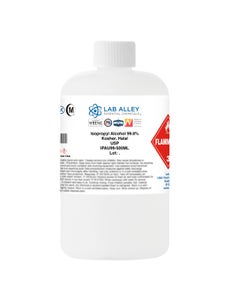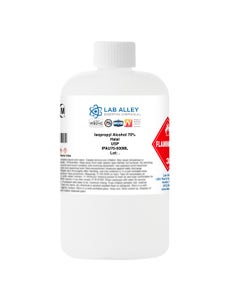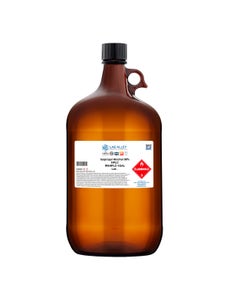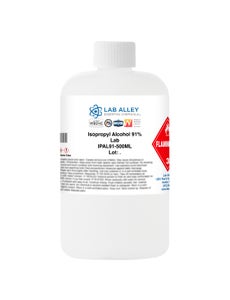






How to Store Isopropanol (Isopropyl Alcohol): Best Practices for Safety and Quality
Isopropanol (IPA), also known as isopropyl alcohol or 2-propanol, is a highly flammable, volatile organic solvent that requires strict storage practices to maintain quality, prevent contamination, and ensure safe handling. Its widespread use in laboratories, manufacturing, and healthcare settings makes proper storage essential across diverse applications.
Classification as a Class IB flammable liquid places isopropanol among the most hazardous materials from a fire safety perspective. The extremely low flashpoint of approximately 12°C (53°F) means vapors can ignite well below room temperature. Even in cool environments, IPA generates flammable vapors that travel to distant ignition sources and flash back to storage containers.
Beyond fire hazards, isopropanol presents health concerns through vapor inhalation. Breathing concentrated vapors causes respiratory irritation, drowsiness, dizziness, and central nervous system depression. Storage practices must address both flammability and health protection simultaneously.
Different grades serve different applications with varying purity requirements. Technical-grade IPA handles general industrial and cleaning applications. USP-grade material meets pharmaceutical standards for medical and drug formulation uses. Electronic and semiconductor-grade isopropanol provides ultra-high purity for precision cleaning in electronics manufacturing. Each grade demands appropriate storage, preventing contamination that would compromise specifications.


In this article, we’ll examine
- Recommended Storage Conditions
- Container & Packaging Requirements
- Segregation & Compatibility
- Safe Handling in Storage Areas
- Regulatory Compliance & Labeling
- Special Considerations for Isopropanol
- Environmental and Safety Considerations
Recommended Storage Conditions
Storage environment directly impacts both safety and product quality for isopropanol across all concentrations and grades.
Temperature Control
Maintain storage temperatures between 15-25°C (59-77°F) for optimal stability and safety. This moderate range minimizes vapor generation while preserving material quality. Temperatures climbing above 30°C increase vapor pressure significantly, elevating both fire danger and evaporation losses.
Select storage locations carefully based on thermal stability. Cool areas naturally maintain safer conditions by reducing vapor production. Keep IPA away from heat-generating equipment, south-facing walls receiving direct sun, and spaces lacking climate control during summer months.
Temperature fluctuations create additional problems beyond simple heat effects. Thermal cycling causes pressure changes inside sealed containers, potentially stressing closures and creating small leaks. Stable temperatures extend container service life while reducing leak risks.
Humidity Control
Use tight-sealing containers to minimize moisture absorption. While less hygroscopic than ethanol, isopropanol can still absorb water from humid environments, affecting concentration. This becomes particularly important for high-purity grades and applications requiring specific alcohol content.
Moisture pickup proves most problematic for anhydrous (99%) isopropanol used in electronics cleaning and water-sensitive applications. Even small amounts of absorbed water compromise performance in these critical uses. Lower concentration formulations like 70% IPA tolerate humidity exposure better but still benefit from proper sealing.
Verify closure integrity regularly. Caps may appear tight yet allow slow vapor escape and moisture infiltration through worn threads or degraded gaskets. Replace questionable closures before failures become obvious through product loss or contamination.
Light Exposure
Keep isopropanol away from direct sunlight in opaque containers or dark storage areas. UV radiation promotes photodegradation reactions that slowly compromise material quality. While IPA resists light damage better than some solvents, extended exposure still causes gradual degradation.
Opaque containers provide excellent light protection regardless of storage location. When using clear glass or plastic containers, store them in cabinets, closets, or areas without direct sun exposure. Amber glass bottles combine visibility benefits with UV blocking for laboratory applications.
Ventilation
Well-ventilated storage areas prevent the accumulation of flammable vapors that create explosion hazards. Adequate air circulation is essential for safety in all locations where isopropanol is used. Without proper ventilation, even small leaks or evaporation from imperfect seals build dangerous vapor concentrations over time.
IPA vapors are heavier than air, causing them to settle and concentrate in floor-level areas. Effective ventilation addresses these low zones specifically rather than just moving air at ceiling height. Exhaust systems pulling from floor level provide the most reliable vapor control.
Natural ventilation through windows or vents may suffice for small quantities in large spaces. Mechanical ventilation becomes necessary for larger storage areas or facilities with limited natural air movement. Design ventilation systems to provide continuous operation rather than intermittent air changes.
Storage Duration
Properly sealed isopropanol stored away from heat and light remains stable indefinitely from a chemical perspective. The compound doesn't spontaneously degrade or form unwanted products under normal conditions. However, practical considerations limit effective storage life.
Monitor stored material for evaporation, discoloration, or container degradation over time. Small amounts of IPA escape through imperfect seals, gradually concentrating solutions or reducing quantities. Discoloration from clear to yellow or brown indicates contamination or degradation requiring investigation.
Peroxide formation represents the most serious aging concern for isopropanol. Extended storage, especially with air and light exposure, allows the formation of explosive peroxide compounds. Test old stock before subjecting it to distillation, evaporation, or other concentration processes that might trigger peroxide reactions.
Container & Packaging Requirements
Material selection for isopropanol containers balances chemical compatibility with safety features required for flammable liquid storage.
Material Compatibility
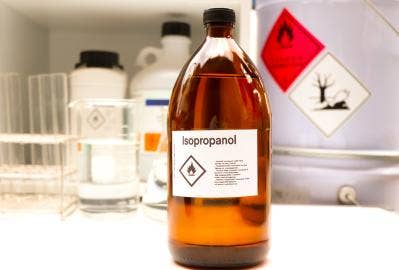
Use containers made from stainless steel, aluminum, glass, HDPE, or PTFE. These materials resist chemical interaction with isopropanol across all concentrations and maintain integrity during long-term contact. Stainless steel and aluminum provide excellent durability for industrial drum storage. Glass works well for laboratory volumes where visual inspection helps quality monitoring.
HDPE offers good chemical resistance at a reasonable cost for intermediate containers. The plastic withstands IPA contact without degradation while providing impact resistance superior to glass. PTFE handles the most demanding applications requiring absolute chemical inertness and purity preservation.
Avoid prolonged contact with some plastics, including polystyrene, PVC, and certain rubbers that may swell, soften, or degrade when exposed to isopropanol. These materials initially appear compatible but slowly deteriorate with extended exposure. Compatibility charts specific to isopropanol guide proper material selection for long-term storage.
Closure Requirements
Containers must be securely sealed to prevent leakage and evaporation. IPA's volatility means even small openings allow rapid product loss while releasing flammable vapors. Quality closures incorporating gaskets or O-rings provide reliable long-term sealing.
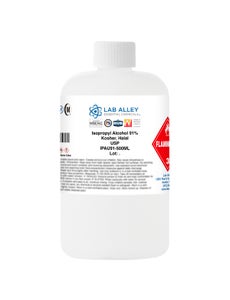
Clearly label all containers with contents and hazard warnings. GHS-compliant labels show flame pictograms indicating flammability and health hazard symbols warning of vapor toxicity. Include concentration information to help users select appropriate material for specific applications.
Approved Storage Cabinets
Use approved flammable liquid storage cabinets that meet OSHA 29 CFR 1910.106 and NFPA 30 requirements for quantities exceeding small laboratory amounts. These engineered cabinets contain fires through double-wall construction and provide fire resistance, protecting contents from external heat sources.
Cabinet construction specifications address multiple safety aspects. Self-closing doors ensure cabinets remain sealed even when workers forget manual closure. Raised door sills contain small spills within cabinets. Venting provisions allow optional connection to exhaust systems in facilities requiring active ventilation.
Labels reading "FLAMMABLE - KEEP FIRE AWAY" must be prominently displayed on cabinet exteriors. Positioning cabinets away from exits ensures escape routes remain accessible during fires. Adequate spacing between cabinets allows firefighting access and prevents fire spread between units.
Laboratory Safety Cans
For laboratory use, employ safety cans with spring-closing lids, flame arresters, and pressure relief capabilities for safe dispensing. These specialized containers provide multiple engineered safety features addressing IPA's flammability.
Spring-closing lids automatically seal containers after each pour, limiting vapor escape and fire exposure. Flame arresters in spouts prevent external flames from igniting contents even when vapors exit during dispensing. Pressure relief mechanisms prevent rupture if fires heat containers.
Choose whether sizes can match actual usage patterns. Smaller cans reduce the amount of material exposed during individual dispensing operations while improving handling safety through reduced weight.
Segregation & Compatibility
Proper separation prevents ignition and chemical reactions that could trigger fires, explosions, or hazardous material releases.
Fire Hazard Separation
Keep isopropanol away from all ignition sources, including open flames, sparks, hot surfaces, and electrical equipment. The flashpoint of approximately 12°C (53°F) makes it highly flammable even in cool environments. Vapors ignite from heat sources that seem harmless for less flammable materials.
Distance determines safety. Building codes mandate minimum separation from ignition sources based on quantities stored and the fire protection present. Typical requirements specify 10 to 50 feet, depending on specific circumstances.
Designate IPA storage zones as hot-work-free areas. Prohibit welding, cutting, grinding, brazing, or any activity generating sparks, flames, or hot surfaces. When essential maintenance requires hot work nearby, remove all isopropanol and verify areas are vapor-free before beginning.
Chemical Incompatibilities
Keep separate from strong oxidizing agents, including hydrogen peroxide, nitric acid, perchloric acid, and chromic acid, that can react violently with isopropanol. Contact between IPA and strong oxidizers generates heat, potentially triggering ignition of the mixture. Some reactions proceed violently enough to cause explosions.
Avoid storage near acetaldehyde, strong bases, and reactive metals that may cause hazardous reactions. These materials create different hazards than oxidizers, but still demand segregation from isopropanol storage.
Physical barriers between incompatible materials provide reliable separation even during emergencies. Separate cabinets or storage rooms ensure materials can't contact each other if containers leak or spill. Drainage systems should prevent mixed materials from flowing together.
OSHA Storage Limits
Follow OSHA storage limits strictly. No more than 60 gallons of flammable liquid may be stored in a single safety cabinet. Facilities may have no more than three cabinets per fire area without additional fire separation or suppression systems.
These quantity limits apply to combined flammable liquids, not just isopropanol. Calculate total volumes when storing multiple flammable materials in shared cabinets. Exceeding limits creates code violations and serious safety hazards.
Larger quantities require dedicated flammable liquid storage rooms built to specific construction and protection standards. These rooms incorporate fire-rated walls, explosion-proof electrical systems, enhanced ventilation, and automatic suppression.
Grade Segregation
Store different grades (technical, USP, electronic/semiconductor) separately to prevent cross-contamination and maintain product specifications. Mixing grades creates material not meeting any specification, potentially wasting expensive high-purity product.
Semiconductor-grade isopropanol demands particularly strict contamination control. Use dedicated containers never exposed to lower grades. Store in separate areas or cabinets with procedures preventing any cross-contact with technical or USP material.
Safe Handling in Storage Areas
Handling procedures during routine operations protect workers while maintaining safe storage environments.
Personal Protective Equipment (PPE)
Personnel must wear appropriate PPE, including chemical-resistant gloves (nitrile or neoprene), safety goggles, and protective clothing when handling isopropanol. Gloves prevent skin contact that causes drying and irritation. Safety goggles protect eyes from splashes during transfers or dispensing.
Long sleeves and long pants reduce skin exposure during normal handling. Flame-resistant clothing provides additional protection if ignition occurs, though fire prevention remains the primary defense.
Ventilation During Handling
Use adequate ventilation, including fume hoods, when dispensing or transferring to prevent inhalation of vapors that can cause respiratory irritation and CNS effects. Local exhaust at the point of use captures vapors before they spread through work areas.
Isopropanol vapors cause drowsiness, dizziness, and impaired coordination when inhaled at moderate concentrations. Higher exposures lead to more severe central nervous system depression. Proper ventilation maintains vapor levels well below concentrations causing health effects.
Fire Safety Equipment
Maintain Class B fire extinguishers suitable for flammable liquid fires readily accessible throughout storage areas. Mount extinguishers near doorways rather than in corners so that escape routes remain clear during emergencies.
Alcohol-resistant foam works particularly well for isopropanol fires. Carbon dioxide and dry chemical extinguishers also handle flammable liquid fires adequately. Train all personnel on extinguisher locations and operation before they work with IPA.
Emergency Equipment
Provide emergency eyewash stations and safety showers in areas where isopropanol is handled or stored. Eye contact with IPA causes immediate burning and irritation, requiring thorough flushing. Position the eyewash within 10 seconds of travel time from any location where splashes might occur.
Safety showers address large-area skin exposures that can't be managed with smaller water sources. Test emergency equipment weekly to ensure proper function when needed.
Contaminated Materials Management
Store used rags or wipes in metal containers with self-closing lids to prevent fire hazards. IPA-soaked materials present ignition risks from nearby heat sources or spontaneous heating in certain circumstances. Self-closing containers limit oxygen access while containing fires if ignition occurs.
Empty these containers frequently. Accumulated materials increase fire hazards over time. Dispose of contents according to regulations for flammable waste.
Static Electricity Control
Implement bonding and grounding procedures during transfer operations to prevent static electricity accumulation and ignition. Isopropanol has low electrical conductivity, making it prone to static charge buildup during pouring or pumping.
Connect containers electrically before beginning transfers. Ground the entire transfer system to discharge accumulated static safely. Control flow rates to limit static generation, particularly when transferring into non-conductive containers.
Regulatory Compliance & Labeling
Multiple regulatory frameworks create overlapping requirements for isopropanol storage and handling.
OSHA Requirements
Follow OSHA 29 CFR 1910.106 requirements for flammable liquid storage, including proper ventilation, cabinet specifications, and fire protection. These regulations establish minimum safety standards protecting workers from flammable liquid hazards.
OSHA's Hazard Communication Standard requires maintaining current Safety Data Sheets readily accessible to all personnel working with or near isopropanol storage areas. Workers need SDS access during normal operations and emergencies.
NFPA Standards
Adhere to NFPA 30 (Flammable and Combustible Liquids Code) for storage facility design and safety systems. This comprehensive standard addresses building construction, fire protection equipment, ventilation design, and electrical system requirements.
Local fire codes typically adopt NFPA 30 by reference. Compliance satisfies most local requirements while establishing industry best practices.
Hazard Communication
Comply with GHS hazard communication standards for labeling with appropriate pictograms (flame, health hazard) and hazard statements. Standardized symbols communicate hazards across language barriers and training levels.
Labels must identify concentration (70%, 91%, 99%, etc.), grade, and handling precautions. Complete labeling prevents confusion between different concentrations and grades, requiring different handling approaches.
Pharmaceutical Compliance
For USP-grade isopropanol used in pharmaceutical or medical applications, follow Good Manufacturing Practice (GMP) storage requirements. GMP systems address environmental controls, quality monitoring, and documentation supporting product quality throughout storage.
Maintain records tracking lot numbers, receipt dates, storage conditions, and quality testing. Documentation supports regulatory compliance and quality investigations if problems arise.
Special Considerations for Isopropanol
Unique properties of isopropanol create specific storage challenges requiring attention beyond general flammable liquid practices.
Concentration-Specific Uses
70% isopropanol is commonly used for disinfection due to its optimal antimicrobial activity. The water content allows better penetration into microorganisms while maintaining sufficient alcohol concentration for killing. 99% isopropanol is used for electronics cleaning and applications requiring anhydrous conditions where water would damage components or interfere with processes.
Store concentrations separately with appropriate labeling, preventing confusion between materials serving different purposes. Using 99% IPA where 70% is specified wastes expensive high-purity material. Using 70% where anhydrous material is required causes application failures from water contamination.
Vapor Hazards
Isopropanol vapors can cause drowsiness, dizziness, and CNS depression at high concentrations. Ensure adequate ventilation during use and storage to prevent accumulation. Unlike some solvents causing only irritation, IPA vapors affect brain function at moderate concentrations.
Symptoms of excessive exposure include headache, confusion, poor coordination, and slowed reactions. Higher exposures cause unconsciousness. Ventilation must maintain concentrations well below levels causing impairment.
Peroxide Formation
Isopropanol can form explosive peroxides upon prolonged storage, especially when exposed to air and light. Use within recommended timeframes and test old stock before distillation or evaporation. Peroxide concentration during evaporation or distillation can trigger explosions.
Test kits detect peroxide presence in aged isopropanol. Positive tests require peroxide removal before concentration processes. Alternatively, dispose of peroxide-contaminated material without distillation or evaporation, which would concentrate the hazard.
Static Electricity Sensitivity
Low electrical conductivity makes isopropanol prone to static charge accumulation during pouring or transfer. Always use proper grounding and bonding to prevent spark generation from static discharge.
Flow rates affect static generation. Slower transfers build less charge than rapid pumping or pouring. Balance transfer speed against static risks, particularly when moving large quantities.
Grade-Specific Purity
Electronic/semiconductor-grade isopropanol requires contamination-free storage. Maintain dedicated containers and avoid any cross-contact with lower-grade materials. Even trace contamination from shared equipment or containers compromises ultra-high purity specifications.
Implement procedures ensuring semiconductor-grade material never contacts surfaces previously holding technical or USP grades. Dedicated transfer equipment, storage containers, and handling areas preserve required purity levels.
Environmental and Safety Considerations
Comprehensive facility systems provide additional protection layers beyond day-to-day storage practices.
Fire Suppression Systems
Install appropriate fire suppression systems, including automatic sprinklers or foam systems, in areas storing significant quantities of isopropanol. Automatic systems protect during unoccupied hours when fires might otherwise grow unchecked.
Foam systems using alcohol-resistant concentrate work best for isopropanol fires. Standard foam breaks down on contact with alcohol-based materials and proves ineffective.
Secondary Containment
Implement secondary containment for bulk storage to prevent environmental contamination from spills or leaks. Containment capacity should match or exceed the largest container volume, ensuring complete capture of worst-case releases.
Spilled isopropanol volatilizes rapidly but can still reach soil, groundwater, or surface waters if not contained. Secondary containment provides time for cleanup before environmental contamination occurs.
Emergency Planning
Conduct regular fire risk assessments and maintain documented emergency response procedures, including evacuation routes and emergency shutdown protocols. Risk assessments identify hazards requiring additional controls or procedural improvements.
Emergency procedures should address both fires and large spills. Train personnel on appropriate responses, including when to fight fires versus when to evacuate immediately.
Electrical Safety
Ensure electrical equipment in storage areas meets appropriate standards for locations where flammable vapors may be present. Hazardous location electrical equipment prevents ignition through design features addressing spark production and surface temperatures.
The National Electrical Code classifies areas based on vapor presence likelihood. Equipment must match the classification for locations where it's installed.
Wastewater Compliance
Follow local wastewater discharge regulations. Isopropanol is biodegradable but should not be discharged in large quantities without proper treatment. Some jurisdictions limit IPA concentrations in wastewater or require pretreatment before discharge.
Small quantities from laboratory operations typically qualify for drain disposal. Larger volumes may require collection and disposal as hazardous waste or treatment before discharge.
Spill Response
Maintain spill response equipment, including absorbent materials and ensure personnel are trained in cleanup procedures. Response equipment should include non-combustible absorbents that won't ignite if contaminated isopropanol catches fire.
Eliminate ignition sources before approaching spills. Ventilate areas to prevent vapor accumulation during cleanup. Dispose of contaminated absorbents as flammable waste.
Key Takeaways
Store isopropanol in approved non-reactive containers (stainless steel, aluminum, glass, HDPE, PTFE) within OSHA/NFPA-compliant flammable liquid storage cabinets at cool, stable temperatures (15-25°C) with excellent ventilation and strict separation from all ignition sources and incompatible oxidizing agents. Use tight seals to prevent evaporation and moisture absorption.
Implement comprehensive fire safety measures including Class B extinguishers and emergency procedures. Follow concentration-specific and grade-specific storage protocols. Monitor for peroxide formation in aged stock.
Recognize that while isopropanol is stable when properly stored, its extreme flammability and vapor hazards require rigorous safety controls comparable to other Class IB flammable solvents.
For more detailed guidance, explore our Resource Library.
Our Customer Care team is also available for more information and documentation, including chemical Safety Data Sheets.
Need Isopropanol You Can Trust?
If you are looking for high-quality isopropanol for your lab, product line, or research facility, be sure to visit our store to explore our trusted selection and request a quote.
As your trusted partner in chemical supply, Lab Alley is always striving to meet the growing demands of our customers. We want you to be able to access all of your chemical needs in one place, along with streamlined online ordering and fast shipping.
Due to popular demand from our valued clientele, Lab Alley's isopropanol is available in a range of purities and packaging options to suit various commercial, laboratory, and personal needs.