The store will not work correctly when cookies are disabled.
• On Budget, On Time, Every Time : Essential Chemicals for a Better World• WOMAN-OWNED SMALL BUSINESS (WOSB)• OVER 248K HAPPY CUSTOMERS• TRUSTED BY NASA, TESLA, SPACEX, BOEING & MORE• HIGH PURITY, NATURAL AND ESSENTIAL CHEMICALS• SERVING 16 INDUSTRIES• PROUDLY PARTNERED WITH ECODRIVE• COA & SDS AVAILABLE ONLINE• QUALITY LAB SUPPLIES & EQUIPMENT• CERTIFIED QUALITY: ISO 9001, KOSHER, ORGANIC & MORE• GSA CONTRACT HOLDER | GOVERNMENT APPROVED• FAST NATIONWIDE DELIVERY• On Budget, On Time, Every Time : Essential Chemicals for a Better World• WOMAN-OWNED SMALL BUSINESS (WOSB)• TRUSTED BY NASA, TESLA, SPACEX, BOEING & MORE• OVER 248K HAPPY CUSTOMERS• HIGH PURITY, NATURAL AND ESSENTIAL CHEMICALS• SERVING 16 INDUSTRIES• PROUDLY PARTNERED WITH ECODRIVE• COA & SDS AVAILABLE• QUALITY LAB SUPPLIES & EQUIPMENT• CERTIFIED QUALITY: ISO 9001, KOSHER, ORGANIC & MORE• GSA CONTRACT HOLDER | GOVERNMENT APPROVED• FAST NATIONWIDE DELIVERY
We are now ISO 9001 Certified
Get 5% OFF on your first order | Use Code: WELCOME5
Lab Alley supplies chemicals used in pulp and paper manufacturing, including processing agents, bleaching chemicals, fillers, and treatment additives. These materials support pulping, fiber treatment, brightness control, coating performance, and process efficiency across production. Products are available in ACS, reagent, lab, USP, and FCC grades depending on application.
How Lab Alley's chemicals are used in Pulp & Paper Manufacturing
Pulp and paper production relies on controlled chemical processes to break down raw materials, treat fibers, and produce consistent sheet quality. The right chemistry impacts brightness, strength, opacity, and overall process stability from pulping through finishing.
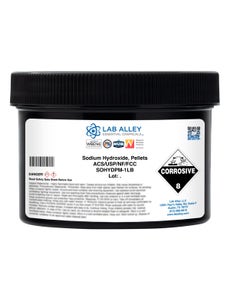
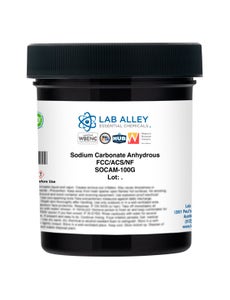
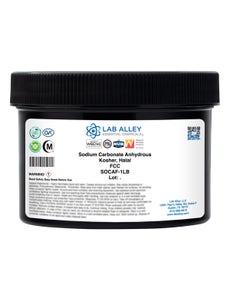
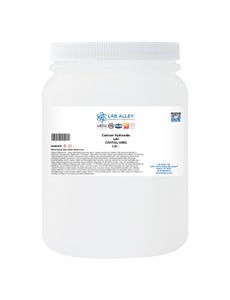
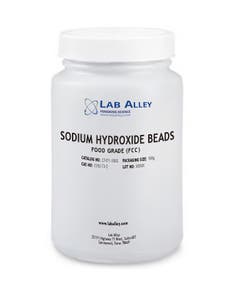
Pulping & Fiber Processing: Breaks down lignin and separates fibers during pulping while controlling alkalinity and reaction conditions. Examples: sodium hydroxide, sodium carbonate, calcium hydroxide, pulping process.
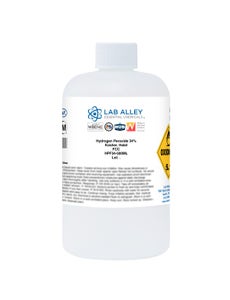
Bleaching & Brightness Improvement: Increases pulp brightness and removes residual lignin without damaging fibers. Examples: hydrogen peroxide, wood pulp bleaching, oxidizing agents used in bleaching stages.
pH Control & Process Stability: Maintains stable operating conditions across pulping, bleaching, and papermaking to prevent variability in output. Examples: sodium carbonate, sodium hydroxide solutions, sodium bisulfate, pH adjusting agents.
Fillers & Opacity Enhancement: Improves paper opacity, brightness, and printability while reducing cost per sheet. Examples: calcium carbonate, talc, barium sulfate, pigment extenders.
Retention & Wet-End Chemistry: Improves fiber bonding and helps retain fines and additives during sheet formation for better yield and consistency. Examples: aluminum sulfate, coagulating agents, papermaking ingredients.
Deinking & Recycling Processes: Supports removal of inks and contaminants from recycled fibers to improve cleanliness and reuse of pulp. Examples: removing ink stains, cleaning agents used in recycling systems.
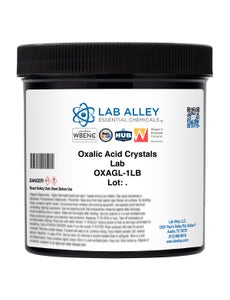
Scaling & Deposit Control: Prevents buildup of unwanted deposits and improves system cleanliness and efficiency. Examples: EDTA disodium salt, oxalic acid, acid neutralization.
Process Water Treatment & Recovery: Maintains water quality and balances system chemistry to support continuous operation and reduce waste. Examples: water treatment, neutralizing agents, ion balancing chemicals.
Coating & Surface Treatment: Improves surface smoothness, print quality, and handling characteristics of finished paper. Examples: paper coating, pigment systems, talc, calcium-based compounds.
Shop by Application
Pulping & Digestion: Used to break down wood or fiber sources and separate cellulose. Strong alkaline chemicals drive this process and impact yield and fiber quality.
Bleaching & Brightening: Used to increase whiteness and remove remaining lignin. Chemical selection affects brightness, fiber strength, and environmental impact.
Process Control & pH Adjustment: Used to maintain consistent conditions throughout production. Stable pH reduces variability and improves overall process control.
Fillers & Pigments: Used to improve opacity, smoothness, and print performance while managing material costs.
Wet-End & Retention: Used during sheet formation to improve fiber retention, bonding, and overall sheet consistency.
Recycling & Deinking: Used to remove inks and contaminants from recycled paper streams and improve fiber reuse.
Water Treatment & System Maintenance: Used to control scaling, maintain water quality, and keep systems running efficiently.
Coating & Finishing: Used in final stages to improve surface properties, handling, and print quality of finished paper products.
This chemical will only be shipped to addresses that are:
Businesses
Schools and Universities
Laboratories
If you use a residential address during checkout, we will automatically remove this item from your order prior to shipping.
If your order includes more than 1 lb of mercury, it must be shipped to a commercial address, lab, or school.
Please note that we’re unable to ship mercury—of any amount—to apartments or shipping/parcel stores.
Ineligible orders will be automatically canceled.
This product contains methylene chloride (DCM) and is subject to U.S. EPA regulations.
Please complete the required eligibility verification form at checkout to confirm compliance with EPA requirements.
Orders will not ship until eligibility has been verified and approved.
If you are purchasing SDA in 5 gallons or more, you are required to provide a TTB permit showing how much of the product you are allowed to purchase per year. Please email your TTB permit to customercare@laballey and include your Order Number.