Food & Beverage
Enjoy the confidence of creating food that’s safe, consistent, and trusted by consumers with Lab Alley’s high-quality ingredients. Our food-grade chemicals are manufactured and handled with strict quality controls to support flavor integrity, product stability, and regulatory compliance — so you can focus on delivering great products to market.
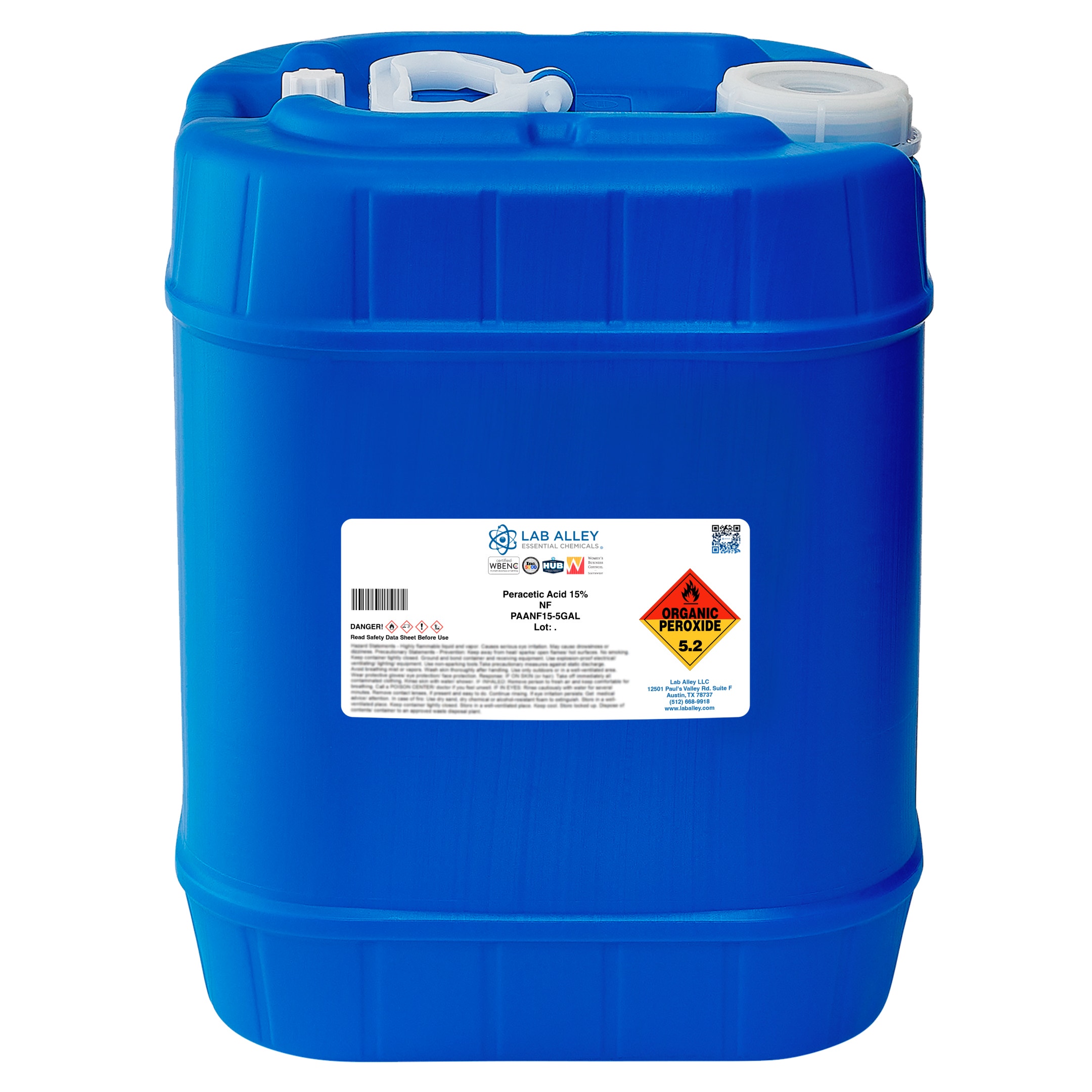
In wineries, peracetic acid is primarily used to sanitize equipment, barrels, tanks, and other surfaces that come into contact with grapes, juice, or wine. It helps prevent the growth of spoilage microorganisms and maintains a clean and hygienic environment throughout the winemaking process. Peracetic Acid is normally applied to surfaces once they have been cleaned with alkaline cleaning agents or detergents and then rinsed to remove any residuals. The peracetic acid is applied, either by spraying, soaking, or circulation methods, and the concentration and contact time will vary depending on the specific food & beverage's protocols and intended use of the equipment. Using peracetic acid reduces the risk of contamination and ensures the production of high-quality wines.
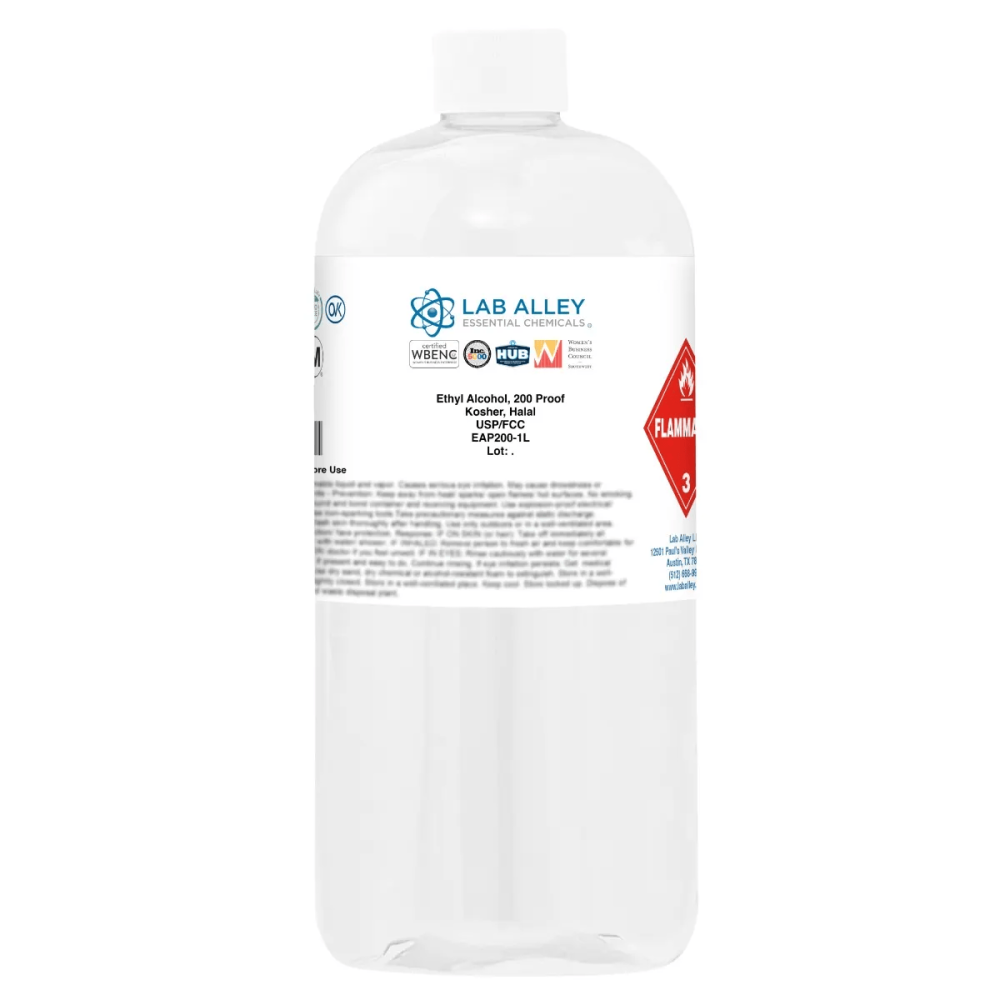
Ethyl Alcohol, more commonly known as Ethanol, is a crucial component in the food & beverage industry. Food grade ethanol, organic sugarcane ethanol, and organic corn ethanol has numerous applications throughout the food and beverage industries. It is the main ingredient in the manufacturing of alcoholic beverages and is also used in formulating extractions and flavors, such as vanilla, lemon, chocolate, cinnamon, and much more. To be considered safe for use in the food and beverage industries, non-denatured ethanol is required because it is free from additives and denaturants.
Ethanol has a number of various applications throughout the wine industry, including fermentation, extraction of flavor and aroma compounds, preservation, fortification, and titratable acidity adjustments. Ethanol is the primary alcohol produced during the fermentation process, and is the fundamental step in winemaking, where grape juice is transformed into wine. As a solvent, ethanol helps extract flavor and aroma compounds from grape skins, seeds, and other grape solids, which then contribute to the sensory characteristics and complexity of the resulting wine. Due to its antimicrobial properties, ethanol is a natural preservative, inhibiting growth of spoilage microorganisms, such as bacteria and fungi, in wine. The presence of ethanol helps extend the shelf life and stability of wine. Winemakers may choose to create fortified wines, like Port, Sherry, or Madeira, by adding additional ethanol to raise the overall alcohol content, sweetness, and flavor profile of the wine. Finally, ethanol content can impact the perception of acidity in wine, so winemakers take this into account when adjusting the titratable acidity levels of the wine to achieve a desirable sensory balance.
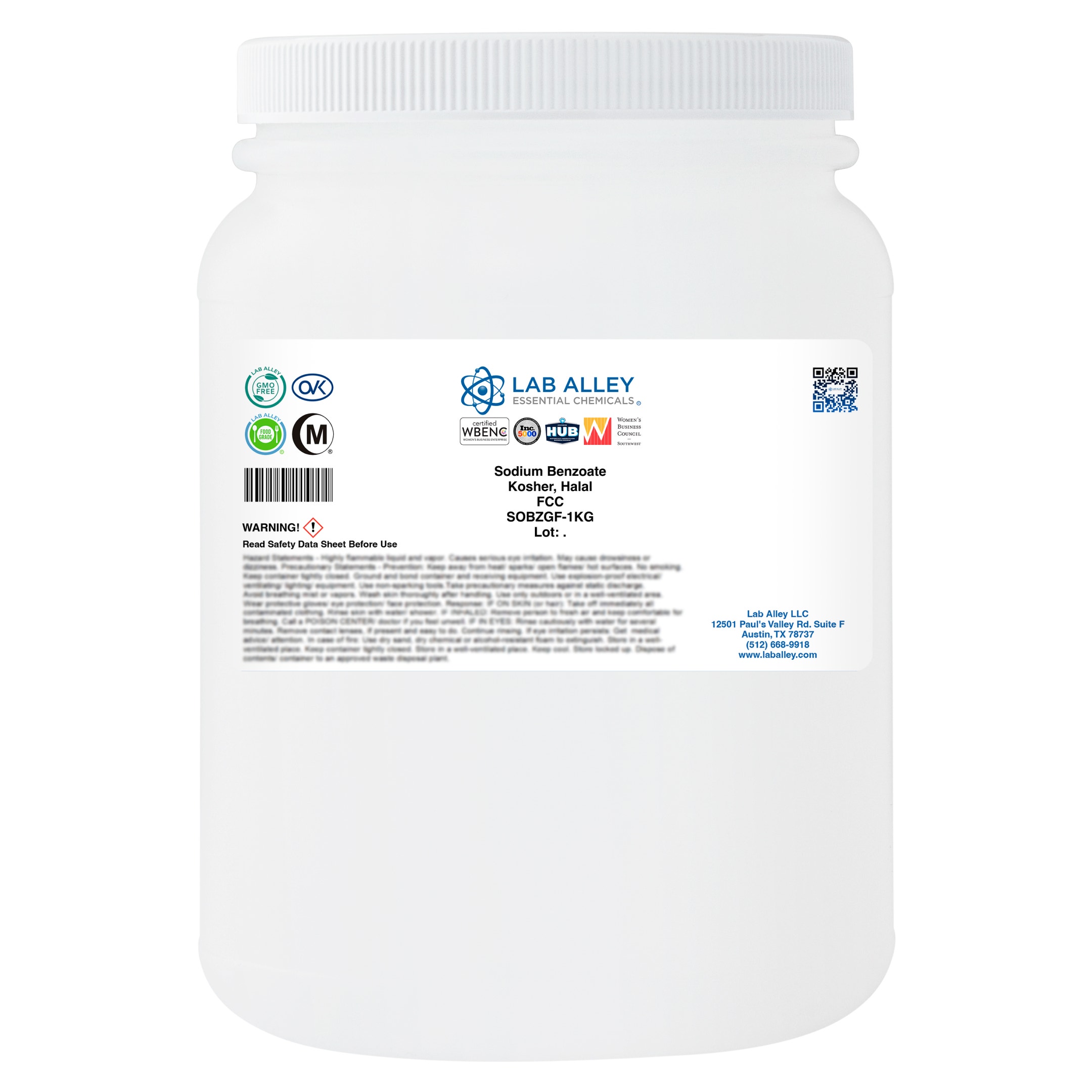
Sodium Benzoate is used mostly in the food and beverage industries as a preservative to prevent food from growing bacteria and molding. It helps to maintain freshness in foods by slowing or preventing changes in color, texture, flavor, and even pH levels. In beverages, sodium benzoate is used as a preservative to protect the taste and extend shelf life.