





How to Store Sodium Hypochlorite: Best Practices for Stability and Safety
Sodium hypochlorite is a widely used oxidizing agent and disinfectant that requires proper storage practices to maintain stability, prevent decomposition, and ensure safe handling. This powerful chemical serves countless applications from water treatment and industrial bleaching to surface disinfection and food processing sanitation.
Available in various concentrations, sodium hypochlorite presents unique storage challenges. Household bleach typically contains 5-6% available chlorine, while commercial and industrial formulations range from 10-12.5%. Unlike stable chemicals that last indefinitely when sealed, sodium hypochlorite degrades continuously from the moment it's manufactured, breaking down into salt water while releasing oxygen and chlorine gases.
The compound's strong oxidizing properties create serious incompatibility hazards. Contact with acids produces toxic chlorine gas in violent reactions. Mixing with ammonia-based cleaners generates poisonous chloramine vapors. Temperature affects stability dramatically, with decomposition rates doubling with every 10°C increase, making cool storage essential for preserving active chlorine content.


In this article, we'll examine:
-
Recommended Storage Conditions
-
Container & Packaging Requirements
-
Segregation & Compatibility
-
Safe Handling in Storage Areas
-
Regulatory Compliance & Labeling
-
Special Considerations for Sodium Hypochlorite
-
Environmental and Safety Considerations
Recommended Storage Conditions
Environmental factors profoundly influence sodium hypochlorite stability and decomposition rates during storage.
Temperature Control
Keep storage areas between 15-25°C (59-77°F) for optimal preservation. Higher temperatures significantly accelerate decomposition and reduce shelf life, with decomposition rates doubling for every 10°C increase in temperature. Material stored at 15°C maintains strength far longer than identical product kept at 25°C.
Select naturally cool locations within facilities. Avoid storage near furnaces, boilers, process equipment generating waste heat, or loading docks where doors open frequently in summer. Seasonal temperature variations require attention in non-climate-controlled warehouses where summer heat accelerates degradation substantially.
Humidity Control
Standard humidity control is sufficient for sodium hypochlorite storage. However, ensure containers are tightly sealed to prevent evaporation and concentration changes that can affect product performance. Evaporative water loss concentrates solutions, altering active chlorine percentages and shifting pH levels.
Seal integrity matters more than environmental humidity. Check caps regularly because closures experiencing gas pressure cycling may loosen gradually over time.
Light Exposure
Protect solutions from direct sunlight and UV exposure using opaque containers or dark storage areas. Light accelerates decomposition and reduces available chlorine content through photochemical reactions. Opaque HDPE containers in natural white or opaque colors block light effectively.
Dark storage rooms or enclosed cabinets solve light problems when using translucent containers. Artificial lighting in storage areas rarely causes problems since standard fixtures lack the UV intensity found in sunlight.
Ventilation
Ensure adequate ventilation in storage areas to manage chlorine gas that may be released from decomposition or from accidental contact with incompatible materials. Air movement dilutes any released gases below hazardous levels.
Design ventilation addressing heavier-than-air chlorine gas behavior. Exhaust intakes positioned low capture chlorine settling toward floors. Gas detection systems provide early warning of chlorine releases in facilities storing large quantities.
Storage Duration
Sodium hypochlorite degrades over time even under optimal conditions. Typical shelf life is 6-12 months depending on concentration, temperature, and storage conditions. Monitor for loss of available chlorine and changes in pH indicating decomposition progress.
Higher concentrations degrade faster than dilute solutions. Date containers upon receipt and when opened. Test available chlorine periodically using titration or test strips. Visual indicators signal advanced decomposition, including yellowing, gas evolution visible as bubbles, or bulging containers.
Container & Packaging Requirements
Material selection critically affects both product stability and safety during sodium hypochlorite storage.
Material Compatibility
Use containers made from high-density polyethylene (HDPE), fiberglass-reinforced plastic (FRP), or lined steel tanks. HDPE is the most common and recommended material, resisting chemical attack while remaining economical. UV-stabilized HDPE formulations offer enhanced durability.
Avoid containers made from aluminum, copper, bronze, iron, galvanized steel, or their alloys, which corrode rapidly in contact with sodium hypochlorite. These metals react with hypochlorite, corroding containers while catalyzing solution decomposition.
Venting Requirements
Containers must have vented caps or pressure relief systems to allow release of oxygen and chlorine gases produced during normal decomposition. Vented caps incorporate small openings or one-way valves allowing gas release while minimizing liquid spillage.
Never seal sodium hypochlorite in containers lacking venting. Bulging containers indicate excessive pressure requiring immediate venting in safe, well-ventilated areas.
Labeling Requirements
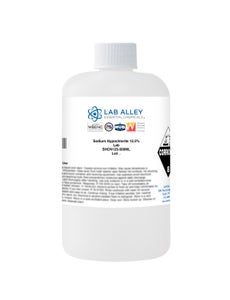
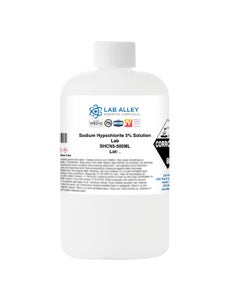
Clearly label containers with concentration (% available chlorine), date of receipt, date opened, and hazard symbols including oxidizer and corrosive warnings. Date tracking supports inventory rotation and shelf life management.
Bulk Storage Systems
For bulk storage, use properly vented HDPE or FRP tanks with overflow protection and secondary containment systems. Tank venting must handle gas generation rates from maximum expected decomposition. Overflow protection prevents tank overfilling during deliveries.
Segregation & Compatibility
Rigorous separation from incompatible materials prevents violent reactions and toxic gas generation.
Acid Segregation
Store away from acids (especially hydrochloric acid and sulfuric acid) which react violently with sodium hypochlorite to produce toxic chlorine gas. Reactions occur instantly upon contact with no induction period. Physical separation provides the only reliable prevention.
Never store acids and sodium hypochlorite in the same cabinet or containment area. Drainage systems must prevent spills from flowing together.
Ammonia Separation
Keep separate from ammonia, amines, and ammonia-based cleaners, which can form dangerous chloramine gases when mixed with sodium hypochlorite. Custodial areas storing cleaning chemicals require special attention to prevent accidental mixing.
Organic Materials and Reducing Agents
Avoid contact with organic materials, reducing agents, and flammable substances that can ignite or decompose violently when exposed to this strong oxidizer. Organic solvents can ignite when contaminated with hypochlorite.
Metal Catalysis Prevention
Store separately from metals and metal salts that can catalyze decomposition and generate heat. Transfer equipment, pumps, and valves must use non-metallic construction or hypochlorite-resistant alloys.
Dedicated Oxidizer Storage
Maintain physical separation from incompatible chemicals using dedicated storage areas for oxidizers. Never store with acids or ammonia products. Clear signage identifying oxidizer storage helps maintain proper segregation.
Safe Handling in Storage Areas
Proper procedures and protective equipment prevent injuries from this corrosive oxidizing solution.
Personal Protective Equipment (PPE)
Personnel must wear appropriate PPE, including chemical-resistant gloves (nitrile or neoprene), safety goggles or face shields, and protective clothing to prevent skin and eye contact. Face shields offer superior coverage during operations with splash potential.
Ventilation During Handling
Use proper ventilation when handling concentrated solutions to avoid inhalation of chlorine vapors released during use or from decomposition. Respiratory protection becomes necessary when ventilation can't maintain safe chlorine concentrations.
Emergency Equipment
Provide emergency eyewash stations and safety showers in all areas where sodium hypochlorite is stored or handled. Immediate flushing is critical for skin or eye contact. Position eyewash within 10 seconds of travel time from any handling location.
Spill Response Materials
Maintain spill cleanup materials, including neutralizing agents (sodium thiosulfate or sodium bisulfite) and absorbent materials. Add neutralizer to spills gradually while monitoring for cessation of gas generation.
Training Requirements
Train personnel on proper handling procedures, emergency response for chlorine gas release, and recognition of decomposition signs (yellowing, gas evolution, container bulging). Chlorine gas release procedures emphasize immediate evacuation from affected areas.
Regulatory Compliance & Labeling
Various regulatory frameworks govern sodium hypochlorite depending on applications and concentrations.
OSHA Requirements
Follow OSHA 29 CFR 1910.1200 Hazard Communication Standard requirements for proper labeling and SDS availability. Labels must identify contents, hazards, and supplier information using GHS-compliant formats.
EPA Regulations
Comply with EPA regulations for water treatment applications and disinfection uses, including proper concentration monitoring. Water treatment facilities face specific regulatory requirements.
FDA Requirements
Adhere to FDA regulations for food-grade sodium hypochlorite used in food processing and sanitation applications. Good Manufacturing Practices apply to facilities using sodium hypochlorite in food applications.
NSF Standards
For pools and spas, comply with NSF/ANSI Standard 60 for drinking water treatment chemicals. NSF-certified sodium hypochlorite undergoes testing to verify acceptable impurity levels.
Documentation
Maintain accurate inventory records and current Safety Data Sheets readily accessible to all personnel. Record receipt dates, lot numbers, and concentrations for all incoming shipments.
Special Considerations Sodium Hypochlorite
Concentration-Dependent Stability
Higher concentration solutions (>10%) decompose more rapidly and generate more oxygen gas. Lower concentrations (5-6%) are more stable but still degrade over time. Industrial users often face choices between concentrated material requiring dilution versus ready-to-use dilute solutions.
pH Sensitivity
Sodium hypochlorite solutions are most stable at pH 11-13. Acidification below pH 11 accelerates decomposition and increases chlorine gas release. Never add acids attempting to adjust pH.
Decomposition Products
Decomposition produces oxygen gas and sodium chlorate. Pressure buildup in sealed containers can cause bulging or rupture. Oxygen generation occurs continuously at rates depending on concentration and temperature.
Temperature Impact
Every 10°C increase in storage temperature approximately doubles the decomposition rate. Material stored at 30°C lasts half as long as an identical product kept at 20°C.
Metal Catalysis
Trace metals (iron, copper, nickel, cobalt) catalyze decomposition. Avoid contact with metal surfaces and use only compatible transfer equipment. High-purity grades minimize metal content during manufacturing.
Dilution Considerations
When diluting concentrated sodium hypochlorite, always add hypochlorite to water (never water to concentrated hypochlorite) to control heat generation and prevent splashing. Adding water to concentrated hypochlorite creates localized heating and violent boiling.
Environmental and Safety Considerations
Comprehensive systems protect both workers and the environment from releases and exposures.
Secondary Containment
Implement secondary containment for bulk storage with a capacity of at least 110% of the largest container to prevent environmental discharge from spills or leaks. Construct containment from HDPE, FRP, or coated concrete resistant to hypochlorite.
Ventilation Systems
Install appropriate ventilation systems to manage chlorine gas releases. Consider gas detection systems for large storage areas. Design ventilation for worst-case release scenarios.
Spill Neutralization
Follow proper neutralization procedures for spills using sodium thiosulfate, sodium bisulfite, or sodium metabisulfite before cleanup. Add neutralizer gradually while observing reactions.
Wastewater Compliance
Comply with local wastewater discharge regulations. Sodium hypochlorite must be neutralized before discharge to sewer systems in most jurisdictions. Dechlorinate wastewater when required by local regulations.
Emergency Response Equipment
Maintain emergency response equipment, including chlorine gas detectors and appropriate respiratory protection for personnel responding to releases. Portable gas monitors allow responders to assess hazard levels before entry.
Disposal Protocols
Follow proper disposal protocols for degraded or off-specification material. Neutralize before disposal according to local environmental regulations. Spent sodium hypochlorite converts to saltwater after complete neutralization.
Key Takeaways
Store sodium hypochlorite in HDPE or FRP containers with vented caps at cool, stable temperatures (15-25°C) away from direct sunlight and incompatible materials including acids, ammonia, and metals. Maintain strict segregation from acids that produce toxic chlorine gas on contact.
Use appropriate PPE and ensure emergency eyewash stations are readily available. Monitor product degradation through regular testing of available chlorine content. Recognize that sodium hypochlorite has a limited shelf life (6-12 months) even under optimal storage conditions.
Implement secondary containment and ventilation systems for bulk storage. Follow concentration-specific handling procedures, recognizing that higher concentrations decompose more rapidly. Lab Alley provides various grades and concentrations of sodium hypochlorite with expert guidance on proper storage and handling practices.
For more detailed guidance, explore our Resource Library.
Our Customer Care team is also available for more information and documentation, including chemical Safety Data Sheets.
Need Sodium Hypochlorite You Can Trust?
If you are looking for high-quality sodium hypochlorite for your lab, product line, or research facility, be sure to visit our store to explore our trusted selection and request a quote.
As your trusted partner in chemical supply, Lab Alley is always striving to meet the growing demands of our customers. We want you to be able to access all of your chemical needs in one place, along with streamlined online ordering and fast shipping.
Due to popular demand from our valued clientele, Lab Alley's sodium hypochlorite is available in a range of purities and packaging options to suit various commercial, laboratory, and personal needs.