






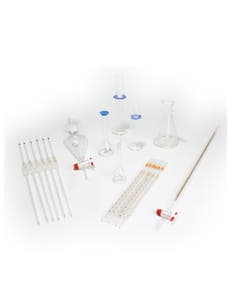
A flask looks simple until the wrong one costs you a repeat run. Here's what to know before you buy.
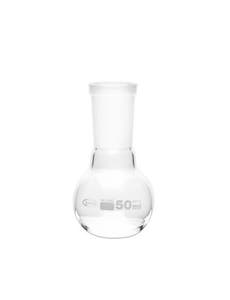
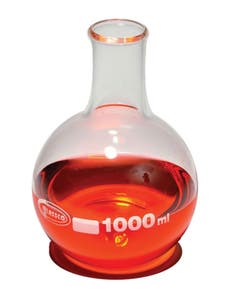
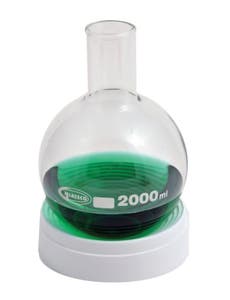
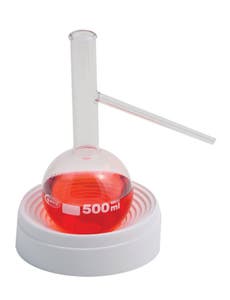
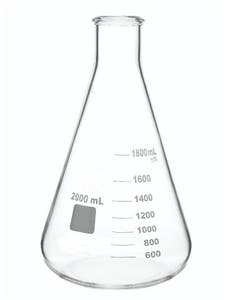
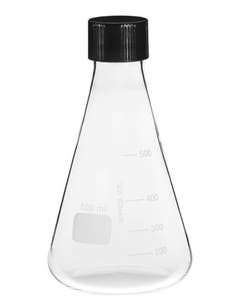
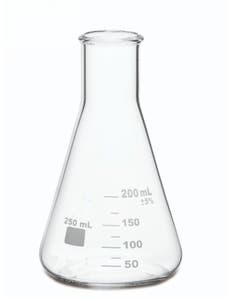
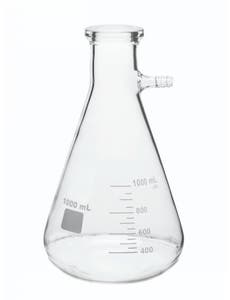
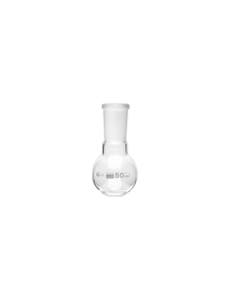
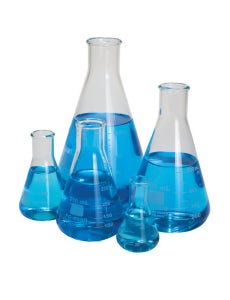
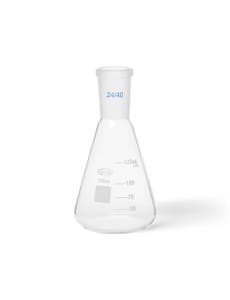
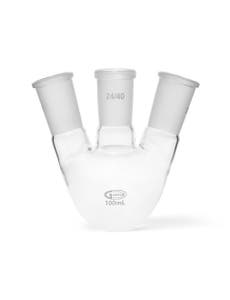
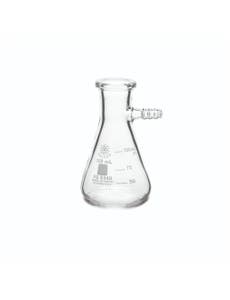
Most of the flasks here are borosilicate glass, and the product names say so. It handles heat, cold and sudden temperature swings far better than ordinary glass, and it stays clear and stable through repeated washing. The Erlenmeyer flasks have a heavy duty rim with graduations printed in white enamel. The filtering flasks are heavy walled so they can take vacuum. The round bottom boiling flasks with ground joints use low expansion borosilicate with uniform wall thickness, which adds strength and shock resistance.
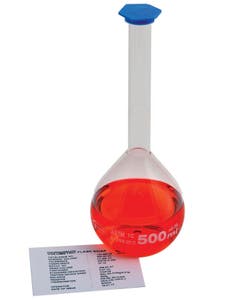
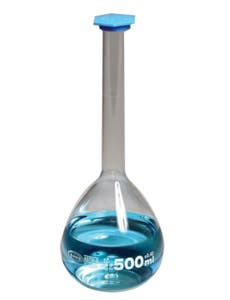
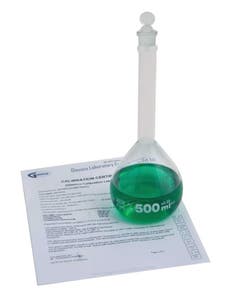
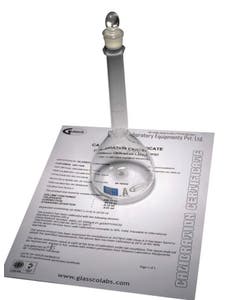
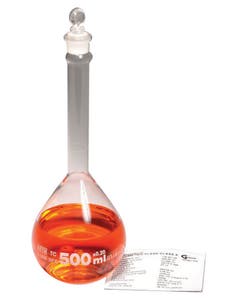
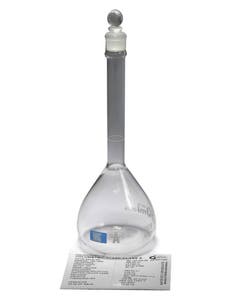
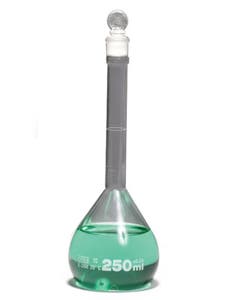
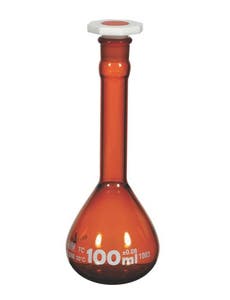
Glass isn't right for every chemical. Hydrofluoric acid attacks it, and strong bases like sodium hydroxide and potassium hydroxide can etch it over time, especially when hot. Our Chemical Storage Compatibility Chart points to HDPE containers for all three. Check every flask for chips and cracks before you heat it, and warm it up and cool it down gradually. Keep volumetric flasks away from direct heat. Heat can change the volume they hold and throw off the calibration.
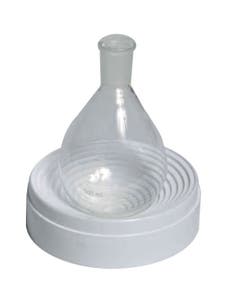
If you're building a distillation setup, look at the joints. The round bottom boiling flask with ground joints is 24/40, and glass with the same joint size fits together. For the other flasks that list a joint, like the Erlenmeyer flasks with joint and the angular flask with three necks, confirm the joint size on the product page or with Customer Care before you pair them with a condenser or adapter.