






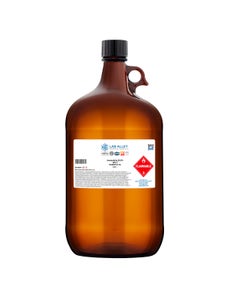
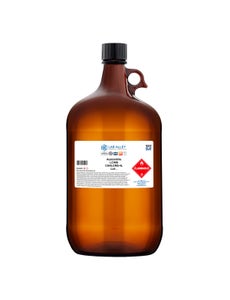
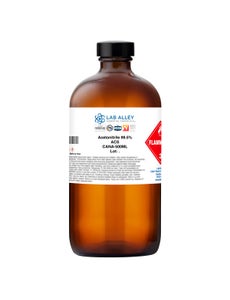
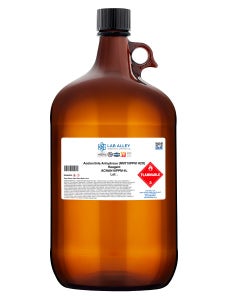
Acetonitrile (CH3CN), also sold as methyl cyanide or simply ACN, is the simplest organic nitrile. It's a clear, colorless liquid with a faint ether smell, and it mixes with water in any ratio. Chemists call it a polar aprotic solvent. In plain terms, it's polar enough to dissolve salts and many polar organics, but it has no hydroxyl hydrogen to hand off, so it stays out of the way in a lot of reactions.
The numbers people look up most: boiling point 81.6 °C, melting point minus 46 °C, density 0.786 g/mL at 25 °C, molecular weight 41.05. Low viscosity and a clear UV window down near 190 nm explain why so many reversed phase HPLC methods call for it by name.
Two safety points matter more than the rest. The flash point is 12.8 °C (55 °F), so treat it as highly flammable. And the body metabolizes acetonitrile into cyanide, which means symptoms of overexposure can show up hours later. Keep containers sealed, cool and away from oxidizers and strong acids, and read the SDS before first use.