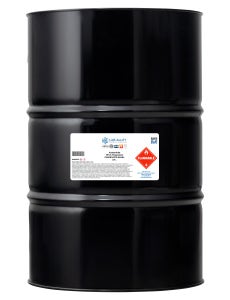






How to Store Acetonitrile
Acetonitrile is a colorless, highly flammable organic solvent widely used in laboratories for HPLC mobile phases, mass spectrometry, and general chemical synthesis. Its low flash point and water miscibility mean that improper storage can lead to rapid vapor accumulation, fire risk, or unwanted reactions with common laboratory chemicals. Facilities handling any grade of acetonitrile, from general reagent to HPLC and LC/MS grades, need storage practices that account for its flammability classification and reactivity profile.
Proper storage protects personnel, protects product integrity, and keeps a facility in line with OSHA, NFPA, and DOT requirements for flammable liquid handling. The sections below outline the specific conditions, containment, and compliance measures needed to store acetonitrile safely.


In this article, we'll review:
-
Recommended Storage Conditions
-
Container & Packaging Requirements
-
Segregation & Compatibility
-
Safe Handling in Storage Areas
-
Regulatory Compliance & Labeling
-
Environmental & Safety Considerations
Recommended Storage Conditions
Temperature
Acetonitrile should be kept in a cool, ambient storage location below 73°F, consistent with its classification as a Class IB flammable liquid. Its flash point of approximately 2°C (35°F) means that elevated temperatures near a storage area can push vapor concentrations into a flammable range. Facilities should keep storage rooms away from radiators, direct sunlight through windows, or any equipment that generates ambient heat.
Humidity Control
Because acetonitrile is fully miscible with water, moisture ingress is a genuine concern for product purity, particularly for HPLC and LC/MS grades where trace water content affects performance. Containers should remain tightly sealed between uses to prevent atmospheric moisture from entering the headspace. This is especially important for anhydrous formulations, where even small amounts of absorbed water can compromise the stated specification.
Light Exposure
Direct sunlight and prolonged UV exposure should be avoided during storage, as light exposure can contribute to gradual degradation over time. Opaque or amber containers are not strictly required, but storage away from windows or direct light sources helps preserve product quality. This is a straightforward precaution that adds negligible cost to a storage program.
Ventilation
Storage areas require mechanical or otherwise reliable ventilation to prevent the buildup of acetonitrile vapor. Vapor accumulation is both a fire hazard, given the compound's low flash point, and an inhalation hazard associated with the compound's PEL. Well-ventilated cabinets or dedicated rooms with adequate air exchange reduce both risks simultaneously.
Storage Duration
Acetonitrile remains chemically stable when stored sealed, cool, and away from incompatible materials, and it does not have a short shelf life under proper conditions. Personnel should periodically inspect stored containers for discoloration or an unusual odor, either of which can indicate contamination or degradation. Any container showing these signs should be evaluated before use, particularly in analytical applications where purity is critical.
Container & Packaging Requirements
Compatible Materials
Acetonitrile should be stored in sealed metal containers or in glass and HDPE containers rated for flammable organic solvents. Containers not specifically designed for organic solvent compatibility, including certain plastics, should be avoided, as they may degrade or fail to contain vapor effectively. Selecting the correct container material is a foundational step in preventing leaks and vapor release during storage.
Sealing Requirements
Containers must remain tightly closed and vapor-tight when not actively in use to limit both evaporative loss and vapor accumulation in the surrounding area. For larger volumes, secondary containment, such as spill trays or containment basins, is recommended to manage leaks before they spread. This layered approach reduces both fire risk and environmental exposure.
Labeling Requirements
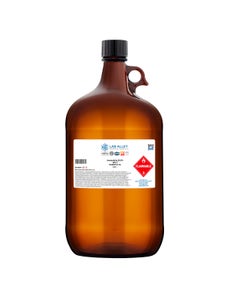
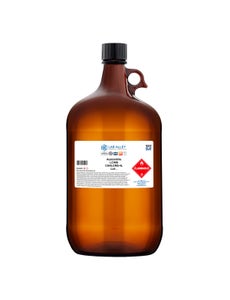
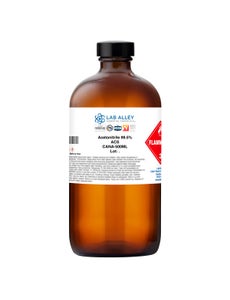
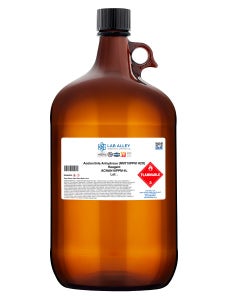
Every container should carry GHS-compliant labeling, including the flammable liquid pictogram, the specific concentration or grade, and applicable hazard statements. Facilities should also track expiration dates or lot numbers where relevant, particularly for grades used in regulated analytical work. Clear labeling supports both safety compliance and inventory accuracy.
Bulk Storage
Bulk storage tanks require construction from materials compatible with acetonitrile, along with pressure-vacuum venting to manage internal vapor pressure changes. Temperature control for bulk tanks helps maintain conditions within the same safe range recommended for smaller containers. Facilities operating bulk storage should verify that tank design meets flammable liquid storage codes applicable to their volume and location.
Segregation & Compatibility
Incompatible Substances
Acetonitrile must be segregated from several reactive chemical classes to prevent dangerous reactions:
-
Acids
-
Bases
-
Oxidizing agents
-
Reducing agents
-
Nitrating agents
-
Sulfites/sulfates
-
Perchlorates
Storage Grouping
All of the chemical classes listed above should be stored in separate cabinets or designated areas away from acetonitrile, rather than sharing a common flammable liquids cabinet. A dedicated flammable liquids storage area, organized by compatibility group, reduces the chance of accidental cross-contact during routine handling. This kind of grouping is standard practice in laboratories that stock a range of reactive solvents and reagents.
Flammability & Reactivity Precautions
As a Class IB flammable liquid, acetonitrile requires storage away from ignition sources, open flame, and any equipment capable of generating sparks. Storage limits and cabinet requirements should follow OSHA and NFPA 30 guidance for flammable liquid quantities permitted in a given space. Facilities exceeding standard cabinet limits should consult NFPA 30 for the appropriate storage room design.
Safe Handling in Storage Areas
PPE Requirements
Personnel handling acetonitrile in storage areas should wear chemical-resistant gloves made of nitrile or butyl rubber, along with splash goggles. For handling larger volumes, flame-resistant clothing adds an additional layer of protection given the compound's low flash point. PPE selection should be confirmed against the specific SDS for the grade in use.
Transfer & Dispensing
Grounding and bonding equipment should be used during any transfer or dispensing operation to prevent static discharge, which poses a real ignition risk given acetonitrile's flash point. This is particularly important when transferring from bulk containers or drums into smaller vessels. Establishing a consistent grounding protocol reduces the likelihood of static-related incidents during routine dispensing.
Spill Containment
Spill response should rely on absorbent materials rated for flammable organic solvents. Small spills of acetonitrile evaporate quickly, which means prompt ventilation and, where appropriate, evacuation of the immediate area are necessary to manage vapor buildup. Storage areas should keep appropriate absorbents on hand and accessible rather than stored elsewhere in the facility.
Emergency Equipment
An eyewash station and safety shower should be located near any acetonitrile storage area to support immediate response to skin or eye contact. A Class B fire extinguisher, rated for flammable liquid fires, should also be readily accessible. These items should be checked periodically to confirm they remain in working order.
Regulatory Compliance & Labeling
OSHA Regulations
Storage of acetonitrile falls under 29 CFR 1910.106, which governs flammable liquid storage, along with 29 CFR 1910.1200, the Hazard Communication Standard. The applicable OSHA permissible exposure limit is 40 ppm (70 mg/m³) as an 8-hour time-weighted average. Facilities should confirm that storage and handling practices align with both standards as part of routine compliance review.
GHS Requirements
Container labels must include the flammable liquid pictogram, the signal word "Danger," and hazard statements addressing both flammability and toxicity. These labeling requirements apply regardless of grade or container size. Consistent labeling across all containers in a facility simplifies both training and inspection.
NFPA & DOT
NFPA 30 governs flammable liquid storage requirements applicable to acetonitrile, including cabinet and storage room design. For transport, the Department of Transportation classifies acetonitrile as UN 1648, Class 3, Packing Group II. Facilities receiving or shipping acetonitrile should confirm that packaging meets these classification requirements.
Industry-Specific Compliance
LC/MS and HPLC grades used in pharmaceutical or analytical testing environments should follow applicable USP/NF and GMP expectations where those standards apply to the facility's operations. This is particularly relevant for organizations conducting regulated analytical work rather than general laboratory use. Quality assurance teams should confirm which standards apply based on the specific end use of the material.
SDS Requirements
A current Safety Data Sheet must be maintained and readily accessible at the storage location, in line with the Hazard Communication Standard. Personnel should be able to access the SDS without delay in the event of an exposure or spill. Facilities should review SDS documents periodically to confirm they reflect the current formulation and grade in use.
Environmental & Safety Considerations
Fire Suppression
Storage areas should be equipped with fire suppression systems appropriate for Class IB flammable liquids. Self-closing, fire-rated flammable storage cabinets are recommended for smaller quantities, as they limit fire spread in the event of an ignition. Facilities storing larger volumes should evaluate whether additional suppression infrastructure is warranted for the space.
Secondary Containment
Bulk storage tanks require secondary containment, such as diking or containment basins, to prevent environmental release in the event of a leak or tank failure. This containment should be sized to hold the full volume of the largest tank in the area. Regular inspection of containment structures helps confirm they remain functional over time.
Wastewater & Environmental Impact
Acetonitrile is fully water-miscible and should never be discharged to drains or wastewater systems. It carries an RCRA Waste Number of U003, which applies to its disposal as a hazardous waste. Facilities should route any waste acetonitrile through appropriate hazardous waste channels rather than standard drain disposal.
Electrical Equipment Standards
Storage areas require explosion-proof electrical fixtures due to the risk of flammable vapor accumulation. This applies to lighting, switches, and any other electrical equipment installed within or near the storage space. Meeting this standard reduces the risk of vapor ignition from an electrical source.
Key Takeaways
Storing acetonitrile safely comes down to managing its flammability and vapor accumulation risk at every stage, from temperature control and container selection to segregation from incompatible chemicals. Facilities that maintain cool, well-ventilated storage areas, use compatible sealed containers, and follow OSHA, NFPA, and DOT requirements minimize both fire risk and regulatory exposure.
Consistent attention to labeling, PPE, and emergency equipment rounds out a storage program that protects both personnel and product integrity across laboratory and industrial settings.
For more detailed guidance, explore our Resource Library.
Our Customer Care team is also available for more information and documentation, including chemical Safety Data Sheets.
Need Acetonitrile You Can Trust?
If you are looking for high-quality acetonitrile for your lab, product line, or research facility, be sure to visit our store to explore our trusted selection and request a quote.
As your trusted partner in chemical supply, Lab Alley is always striving to meet the growing demands of our customers. We want you to have all your chemical needs in one place, with streamlined online ordering and fast shipping.
Due to popular demand from our valued clientele, Lab Alley's acetonitrile is available in a range of purities and packaging options to suit various commercial, laboratory, and personal needs.