





How to Treat Acetonitrile
Acetonitrile is a polar, water-miscible nitrile solvent widely used in HPLC, pharmaceutical synthesis, and chemical manufacturing. Unlike acids or bases, it does not require pH neutralization. Still, its low flash point, systemic toxicity, and federal hazardous waste classification make unmanaged disposal a serious safety and regulatory risk.
Laboratories, research facilities, and industrial operations that regularly use acetonitrile accumulate waste that must be characterized, stored, and disposed of in accordance with applicable rules. HPLC workflows in particular generate high volumes of dilute acetonitrile-water mixtures, and even these aqueous streams carry treatment and disposal obligations.
Under the Resource Conservation and Recovery Act, acetonitrile is listed as RCRA U003 waste, classified as both ignitable and toxic. Generators who discard it must determine whether it qualifies as hazardous waste under 40 CFR 261.3 and comply with applicable storage, manifesting, and disposal requirements.


In this article, we'll explore:
-
Why Treat Acetonitrile?
-
How to Treat Acetonitrile
-
Safety Precautions During Treatment
-
Special Considerations
Why Treat Acetonitrile?
Safety & Spill Response
Acetonitrile has a flash point of roughly 2 to 6°C, making it a highly flammable liquid at room temperature. Vapors form readily, can travel to distant ignition sources, and ignite with minimal energy input.
Beyond fire hazard, acetonitrile is harmful by inhalation, skin absorption, and ingestion. Repeated or high-level exposure affects the central nervous system and can cause liver and kidney damage, making controlled handling essential during any treatment or cleanup activity.
Industrial & Laboratory Use
Pharmaceutical labs, analytical chemistry operations, and chemical manufacturers generate acetonitrile waste as a routine byproduct of synthesis, extraction, and chromatographic workflows. HPLC and liquid chromatography operations are particularly significant sources, producing continuous streams of dilute acetonitrile-water mobile phase waste.
These streams cannot be discharged to drains or combined with general waste without characterization. The RCRA U003 listing means waste acetonitrile is subject to hazardous waste generator requirements regardless of concentration, and failure to manage it properly exposes facilities to regulatory liability.
Environmental Protection
Acetonitrile is fully miscible with water and does not partition readily to soil, which means spills and discharges migrate quickly into surface water and groundwater. It is classified as a volatile organic compound under EPA regulations, contributing to air quality concerns when it evaporates from open containers or improperly managed waste streams.
Discharge to municipal sewer systems without treatment authorization can disrupt biological wastewater treatment processes and violate Clean Water Act requirements. Proper treatment and disposal prevent these pathways from becoming environmental liabilities.
How to Treat Acetonitrile
Step 1: Identify the Chemical Properties
Before selecting a treatment method, characterize the waste stream. Determine whether the waste is concentrated acetonitrile, a dilute aqueous mixture from the HPLC mobile phase, or a mixed solvent stream that includes other compounds.
Check for co-contaminants including HPLC buffers, ion-pairing agents such as trifluoroacetic acid or ammonium formate, heavy metals, or biological residues from sample matrices. These factors affect both treatment method selection and final disposal classification.
Because acetonitrile is fully miscible with water, aqueous waste forms a single homogeneous phase, which simplifies dilution steps but rules out simple liquid-liquid separation as a treatment approach.
Step 2: Select Appropriate Treatment Methods
The treatment method depends on waste volume, concentration, and purity. Options include:
-
Hazardous Waste Incineration (Primary Method): Acetonitrile waste is collected in compatible containers and transported to a licensed RCRA-approved incineration facility. This is the required approach for contaminated, mixed, or large-volume waste streams and is the most reliable option for ensuring full regulatory compliance.
-
Alkaline Hydrolysis (Laboratory-Scale Alternative): Suitable for relatively pure aqueous acetonitrile waste in small volumes. The waste is diluted to approximately 10% acetonitrile in water, then treated with excess sodium hydroxide (approximately 2.5 mol NaOH per mol of acetonitrile). Over time, acetonitrile degrades to acetic acid and ammonia. Reaction kinetics are slow at room temperature, and completion must be confirmed before disposal is considered.
-
Solvent Recovery by Distillation: Viable for pure or near-pure acetonitrile waste at facilities with appropriate equipment. Recovered solvent can be returned to use in HPLC or other applications. Requires explosion-proof electrical systems, closed-system distillation with condenser venting to a fume hood, and verification of recovered solvent quality before reuse.
Step 3: Follow the Treatment Procedure
All treatment activities must be conducted in a certified fume hood or area with local exhaust ventilation. Eliminate ignition sources before opening any waste containers, including static sources from clothing and ungrounded equipment.
For alkaline hydrolysis, dilute the waste to approximately 10% acetonitrile in water before adding NaOH; adding concentrated base directly to concentrated acetonitrile can cause phase separation and uneven reaction. Allow sufficient time for hydrolysis to proceed and confirm completion before moving to disposal.
For general waste collection, use containers compatible with acetonitrile, such as stainless steel or HDPE, with tight-fitting closures to limit vapor release. Label each container clearly as hazardous waste and record the accumulation start date.
Keep acetonitrile waste segregated from halogenated solvents and from strong oxidizers, concentrated acids, and other reactive materials. Never pour waste acetonitrile down drains, into sinks, or into containers shared with non-compatible waste streams.
Step 4: Monitor and Validate
For alkaline hydrolysis, verify that degradation to acetic acid and ammonia is complete before the treated material is submitted for disposal. Document the treatment method, reagent quantities, treatment date, and validation outcome for every batch.
For all waste streams, maintain hazardous waste manifests, disposal records, and waste characterization documentation in accordance with RCRA requirements. Track accumulation time against generator status: large quantity generators have a 90-day maximum storage limit, small quantity generators up to 180 days, and very small quantity generators up to 270 days.
Step 5: Waste Disposal
Acetonitrile waste classified as RCRA U003 must be sent to a licensed hazardous waste contractor for disposal at an approved facility unless the generator has made a formal determination under 40 CFR 261.3 that the waste does not meet hazardous criteria. Mixed waste containing acetonitrile is managed as ignitable hazardous waste.
Waste co-contaminated with biological materials, radioactive isotopes, or reactive chemicals requires specialized dual-hazard or triple-hazard disposal protocols. Consult the facility's EHS officer or waste contractor for proper segregation and disposal classification before combining waste streams.
Safety Precautions During Treatment
-
Personal Protective Equipment: Wear chemical splash goggles, a face shield when handling larger volumes, and gloves rated for acetonitrile permeation resistance, such as butyl rubber or laminated film gloves. A flame-resistant lab coat is required given the low flash point.
-
Ventilation: Conduct all treatment steps in a certified fume hood or space with confirmed local exhaust ventilation. The OSHA PEL is 40 ppm TWA (70 mg/m3), and the NIOSH REL is 20 ppm TWA; a skin designation applies because dermal absorption contributes to systemic exposure.
-
Spill Response: Immediately eliminate all ignition sources and evacuate the area if a significant spill occurs. Absorb with vermiculite, dry sand, or another inert, non-combustible absorbent. Do not allow acetonitrile to enter floor drains, confined spaces, or sewer connections, as vapor accumulation creates an explosion risk.
-
Emergency Preparedness: An eyewash station and safety shower must be accessible within 10 seconds of any area where acetonitrile is handled or treated. Keep a Class B fire extinguisher (CO2 or dry chemical) on hand; water jets are not appropriate for acetonitrile fires.
Special Considerations
Cyanide-Related Toxicity
Acetonitrile is metabolized in the body to cyanide-related compounds through hepatic cytochrome P450 activity. This means toxic effects can be significantly delayed following exposure, with symptoms appearing hours after contact.
Any exposure that involves ingestion, significant dermal absorption, or inhalation of concentrated vapors requires immediate medical attention, regardless of how the person feels at the time.
Two-Phase Prevention During Hydrolysis
The dilution step before NaOH addition is not optional. Adding concentrated sodium hydroxide directly to concentrated acetonitrile can produce a two-phase system in which base and solvent do not mix effectively, leaving acetonitrile largely unreacted.
Diluting the waste to approximately 10% acetonitrile in water first ensures a homogeneous mixture and allows the hydrolysis reaction to proceed uniformly.
HPLC Waste Management
HPLC systems running acetonitrile-based mobile phases generate waste continuously and at substantial volume during routine operation. Segregating HPLC waste from concentrated solvent waste simplifies disposal classification, since dilute aqueous streams may have different characterization outcomes than pure solvent.
Keeping these streams separate also reduces the risk of accidental contamination with HPLC additives such as ion-pairing reagents, which can complicate disposal options and increase contractor costs.
Conclusion
Acetonitrile's combination of flammability, systemic toxicity, and federal hazardous waste status makes waste treatment a compliance requirement, not a discretionary precaution. Whether a facility's primary method is licensed incineration, alkaline hydrolysis, or distillation-based solvent recovery, the approach must be matched to the actual waste stream and documented throughout.
Proper characterization, compatible storage, and timely disposal protect personnel, prevent environmental contamination, and keep facilities in good standing under RCRA.
For more detailed guidance, explore our Resource Library.
Our Customer Care team is also available for more information and documentation, including chemical Safety Data Sheets.
Need Acetonitrile You Can Trust?
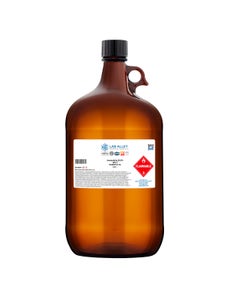
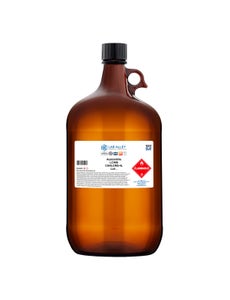
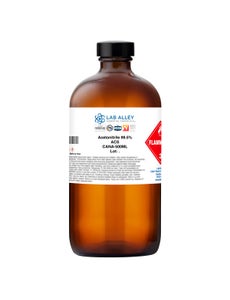
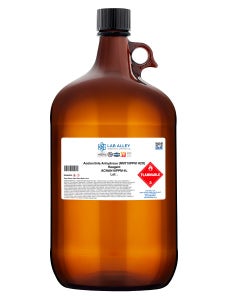
If you are looking for high-quality acetonitrile for your lab, product line, or research facility, be sure to visit our store to explore our trusted selection and request a quote.
As your trusted partner in chemical supply, Lab Alley is always striving to meet the growing demands of our customers. We want you to be able to access all of your chemical needs in one place, along with streamlined online ordering and fast shipping.
Due to popular demand from our valued clientele, Lab Alley's acetonitrile is available in a range of purities and packaging options to suit various commercial, laboratory, and personal needs.