





Sodium Hypochlorite Overview
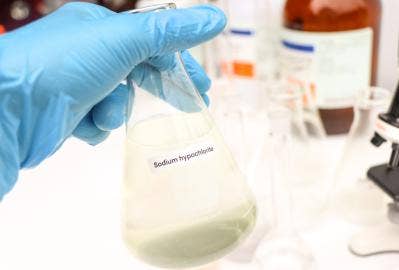
Sodium hypochlorite (NaOCl) is a clear to pale yellow aqueous solution with a characteristic chlorine odor. This widely recognized chemical ranks among the most commonly deployed disinfectants, sanitizers, and bleaching agents globally, valued for broad-spectrum antimicrobial activity, fast-acting oxidizing power, and relative ease of handling in dilute solution.
Municipal water treatment facilities add sodium hypochlorite to drinking water supplies, killing pathogens before water reaches homes and businesses. Hospital staff spray diluted sodium hypochlorite on surfaces, eliminating dangerous bacteria and viruses in patient rooms. Food processors sanitize equipment with sodium hypochlorite solutions, meeting strict FDA safety standards. Swimming pool operators measure and adjust sodium hypochlorite levels daily, controlling algae while maintaining safe water for swimmers. Household consumers pour sodium hypochlorite down drains, dissolving clogs while killing odor-causing microbes.
What explains sodium hypochlorite's dominance across such diverse applications? The combination of powerful oxidizing chemistry with relatively straightforward handling sets this compound apart from alternatives. Few disinfectants kill bacteria, viruses, fungi, and spores as rapidly. The aqueous solution format simplifies dosing compared to gaseous chlorine, requiring specialized injection equipment. Cost remains low enough for large-scale municipal use, yet effectiveness stays high enough for critical healthcare disinfection.
Yet sodium hypochlorite demands respect. The same oxidizing power that destroys pathogens also corrodes metals, burns skin, and releases toxic gases when mixed with acids or ammonia. Solutions decompose over time, losing strength unpredictably. Concentrated forms cause severe chemical burns. Mixing with common cleaning products creates life-threatening chlorine gas or chloramine vapors. Proper concentration selection, storage practices, and incompatibility awareness separate safe, effective use from dangerous incidents.
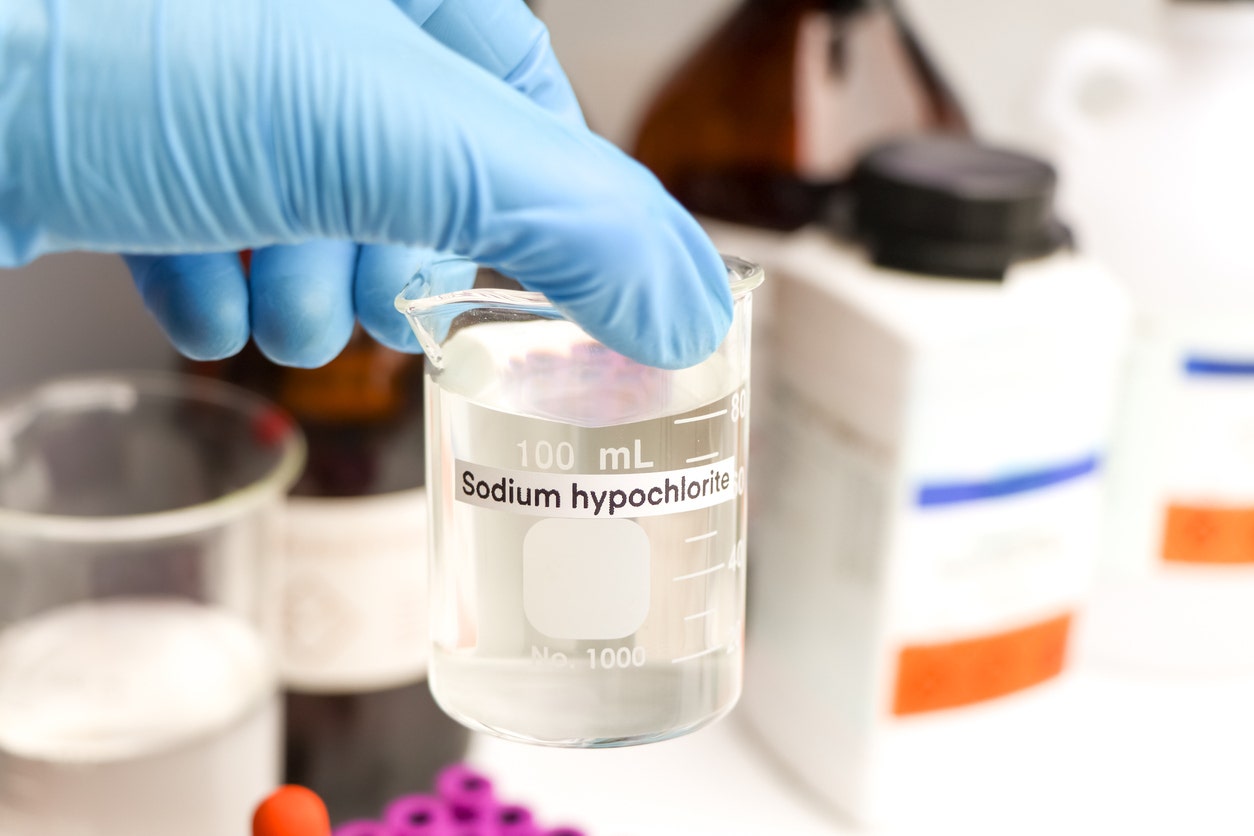
Properties of Sodium Hypochlorite
Chemical structure creates both utility and hazard. Sodium hypochlorite's hypochlorite anion delivers an oxidizing punch while the aqueous format enables practical handling, but instability limits shelf life and creates decomposition hazards.
Key Facts About Sodium Hypochlorite
-
Compound Name: Sodium Hypochlorite
-
Synonyms: Liquid Bleach, Bleach Solution, Hypochlorous Acid Sodium Salt, Chlorinated Soda, Dakin's Solution (diluted pharmaceutical form), Antiformin
-
Chemical Formula: NaOCl
-
CAS Number: 7681-52-9
-
RTECS Number: NH3486300
-
Molecular Weight: 74.44 g/mol
-
Appearance: Clear to pale yellow aqueous solution; characteristic chlorine odor; sold as solution (not in pure anhydrous form under standard conditions)
Physical Characteristics
Density ranges approximately 1.07–1.21 g/cm³ at 20°C, varying with concentration. Higher concentrations pack more sodium hypochlorite molecules per volume, increasing density above water's baseline. This concentration-dependent density affects metering pump calibration and dilution calculations across industrial operations.
Aqueous solutions begin decomposing well below boiling temperatures. The solution boils near 101°C (214°F) at atmospheric pressure, just slightly above water. However, pure NaOCl decomposes at approximately 35°C (95°F), making concentrated solutions thermally unstable long before the boiling point arrives. This low decomposition temperature explains why heat accelerates product degradation so dramatically.
Anhydrous NaOCl melts at approximately 18°C (64°F), but commercial handling occurs exclusively as an aqueous solution. The pure compound proves too unstable for practical isolated use. Water dilution stabilizes the hypochlorite while enabling liquid handling and metering.
Solubility and Physical Properties
Completely miscible with water in all proportions creates uniform solutions critical for accurate dosing. However, sodium hypochlorite shows poor miscibility with most organic solvents, limiting formulation flexibility compared to alcohol-soluble disinfectants.
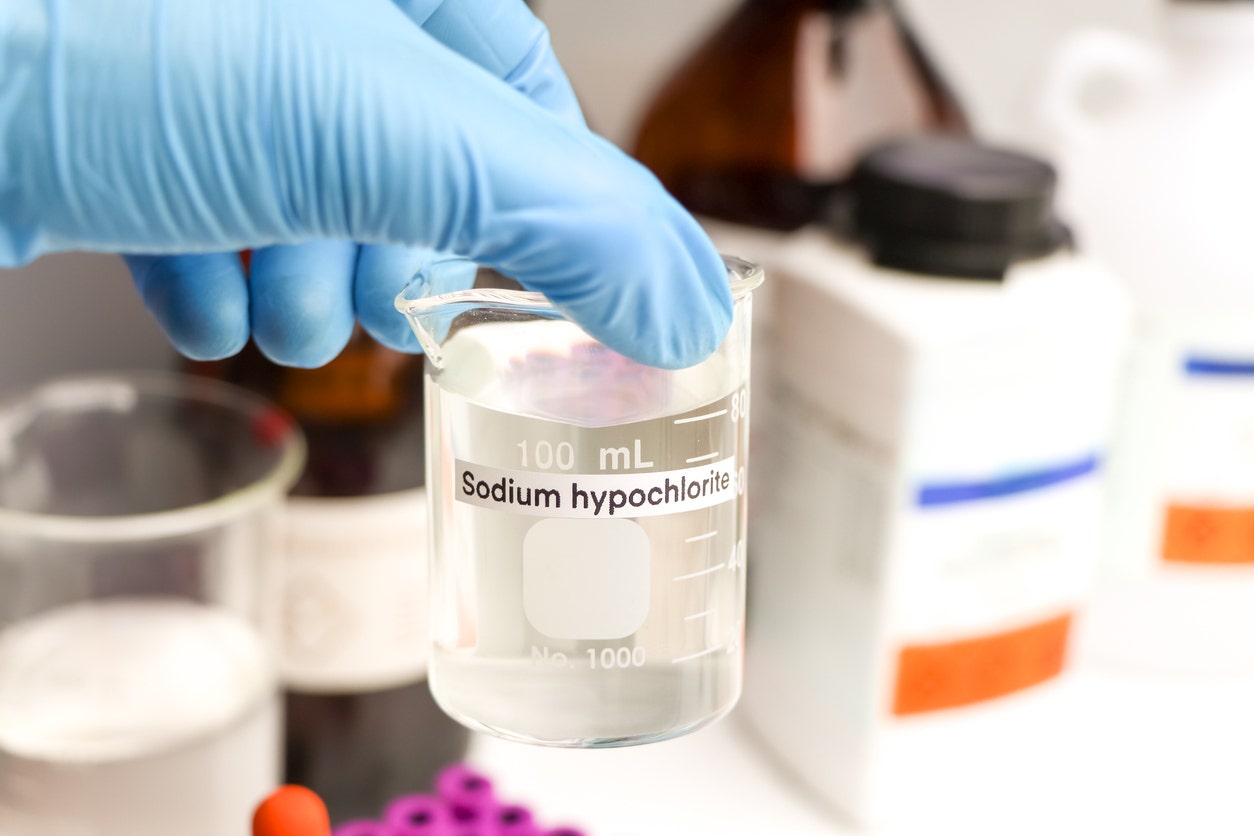
pH measures strongly alkaline, typically 11–13 in commercial aqueous solutions. This high alkalinity contributes to antimicrobial activity while also creating corrosivity concerns. The alkaline pH helps stabilize hypochlorite against decomposition but causes tissue damage on contact with skin or mucous membranes.
Viscosity stays low at approximately 1.0–1.3 mPa·s at 20°C, remaining close to water regardless of concentration. This thin consistency simplifies pumping and metering operations. Refractive index runs approximately 1.34–1.36 at 20°C, varying with concentration.
Sodium hypochlorite is an inorganic chemical compound widely used for disinfection, water treatment, sanitation, bleaching, and industrial cleaning applications. The compound is valued for its strong oxidizing properties and effectiveness against bacteria, viruses, fungi, and other microorganisms in municipal, commercial, industrial, and laboratory environments. U.S. laboratories, water treatment facilities, and manufacturers sourcing sodium hypochlorite by grade and concentration can contact Lab Alley at 512-668-9918 for product selection and ordering support.
Reactivity and Chemical Behavior
Strong oxidizing agent classification reflects sodium hypochlorite's vigorous reactions with organic materials, reducing agents, and flammable substances. The hypochlorite ion readily transfers oxygen atoms, destroying organic molecules while itself getting reduced to chloride.
Reacts with acids (hydrochloric, sulfuric) to release chlorine gas, creating a serious inhalation hazard. Even weak acids trigger chlorine evolution. This reaction represents one of the most common and dangerous sodium hypochlorite incidents. Cleaning product mixtures combining acidic toilet bowl cleaners with bleach have killed people through chlorine gas generation.
Reacts with ammonia and ammonium salts to form toxic chloramine gases. Window cleaners, floor cleaners, and other ammonia-containing products create life-threatening vapors when mixed with bleach. Warning labels addressing this specific incompatibility appear on consumer bleach bottles due to injury frequency.
Incompatible with hydrogen peroxide, formaldehyde, and many organic solvents. Decomposes over time, particularly when exposed to heat, light, heavy metals, and pH changes. This degradation generates oxygen gas. Sealed containers can pressurize from oxygen accumulation, occasionally bursting or spraying contents when opened.
Corrosive to many metals including aluminum, copper, brass, and iron. Compatible materials include polyethylene, polypropylene, PVC, and stainless steel (316 grade specifically). Not flammable itself, but contact with organic materials may enhance combustion as an oxidizer.
Chemical Stability and Incompatibilities
Stable under normal storage conditions allows extended shelf life when containers remain sealed and protected from heat. Does not polymerize eliminates concerns about viscosity increases or solidification during storage. However, this stability only applies under controlled conditions.
Incompatible with strong oxidizing agents, including nitric acid, peroxides, and permanganates, it creates violent reaction hazards. These oxidizers can ignite n-hexane or cause explosive decomposition. Physical separation during storage prevents catastrophic mixing. May react violently with halogens and strong acids under certain conditions. Static discharge can ignite vapors, representing a critical safety concern. Grounding and bonding all containers during transfers prevents static buildup from reaching spark-producing levels.
Sodium hypochlorite from Lab Alley is available in multiple grades, concentrations, and purity levels, with packaging options ranging from small laboratory containers to bulk drums and totes for laboratory, water treatment, industrial, and manufacturing applications.
Common Uses & Applications
Sodium hypochlorite's oxidizing chemistry destroys microorganisms, bleaches colored compounds, and oxidizes organic contaminants across water treatment, healthcare, food safety, and industrial processing.
Water Treatment & Sanitation
Disinfection of municipal drinking water and wastewater represents sodium hypochlorite's largest application by volume. Addition at treatment plants kills bacteria, viruses, and protozoa before distribution. Swimming pool and spa sanitization relies on sodium hypochlorite to control bacteria and algae. Cooling tower biocide applications prevent Legionella bacteria growth. Ballast water treatment aboard ships uses sodium hypochlorite to kill invasive aquatic species.
Healthcare & Medical Applications
Disinfection of hard surfaces, equipment, and medical devices with diluted solutions follows CDC guidelines. Concentrations typically range from 500 to 5,000 ppm available chlorine. Wound irrigation and debridement using Dakin's Solution promote healing in chronic wounds and burns. Bloodborne pathogen decontamination per CDC and OSHA guidelines specifies sodium hypochlorite for blood spills. Hospital-grade disinfection of isolation rooms employs sodium hypochlorite for terminal cleaning.
Food Processing & Sanitation
Sanitizing food contact surfaces and processing equipment meets FDA and USDA requirements using diluted solutions. Typical sanitizing concentrations span 50-200 ppm available chlorine. Produce wash for fresh fruits and vegetables employs approved concentrations reducing microbial loads. Disinfection of food handling facilities, floors, and drains prevents cross-contamination.
Industrial Bleaching
Pulp and paper bleaching produces white paper products that consumers demand. Textile bleaching removes natural colorants from cotton and linen before dyeing. Starch modification employs sodium hypochlorite to oxidize starch molecules for specific food and industrial applications.
Household Cleaning
Laundry whitening and stain removal oxidize colored stains while killing bacteria in fabrics. Kitchen and bathroom surface disinfection kills foodborne and waterborne pathogens. Mold and mildew removal from grout and tile exploits the bleaching ability. Drain cleaning uses oxidizing power to dissolve organic clogs.
Laboratory & Research
Preparation of defined disinfectant solutions for microbiological work requires standardized concentrations. Decontamination of laboratory work surfaces and biological spills follows biosafety protocols. Cell culture surface sterilization employs diluted solutions, eliminating contamination.
Agricultural & Environmental
Irrigation system sanitation prevents bacterial and algal buildup. Greenhouse disinfection between crops eliminates plant pathogens. Algae control in ponds uses sodium hypochlorite when copper-based algaecides prove unacceptable. Post-harvest produce disinfection reduces microbial populations, extending shelf life.
Fight Your Kidney Stone with This Natural Product Hack
Fight kidney stones. Discover how citric acid naturally prevents stone formation.

Is Lactic Acid Bad? A Look at the Health Science
Is lactic acid bad for you? Debunking myths and revealing its vital role in your body & beyond.
Hospitality Without Hitchhikers: Boric Acid’s Role in Bed Bug Prevention
Protect your hospitality business. Boric acid is key to preventing bed bug infestations.
Harnessing Silica Sulfuric Acid to Enhance Concrete Durability
Enhance concrete longevity. Silica sulfuric acid improves strength and chemical resistance.
Safety Information
Sodium hypochlorite hazards scale with concentration. Dilute household solutions cause irritation primarily, while concentrated industrial strengths produce severe chemical burns and toxic gas generation.
Hazards & Precautions
Toxicity: Corrosive at concentrated levels. Oral LD50 (rat) reaches approximately 8,910 mg/kg for a 5% solution. Higher concentrations prove significantly more hazardous.
Health Effects - Ingestion: Causes burns to the mouth, throat, and gastrointestinal tract. Do not induce vomiting. Dilute with water and seek immediate medical attention.
Health Effects - Inhalation: Vapors and chlorine gas released from heated or acidified solutions cause respiratory irritation and pulmonary edema at high concentrations. IDLH for chlorine stands at 10 ppm. Accidental mixing with acids creates dangerous chlorine levels within seconds.
Health Effects - Skin: The corrosive nature causes irritation, chemical burns, and dermatitis. Concentrated solutions damage skin more rapidly and severely than dilute household products.
Health Effects - Eyes: Severely corrosive. Causes pain, tearing, redness, and permanent corneal damage. Even brief splashes require immediate flushing.
Chronic Exposure: Repeated skin exposure may cause dermatitis. Occupational inhalation exposure is associated with respiratory irritation and potential sensitization.
Flammability: Not flammable itself. However, as a strong oxidizer, contact with combustible materials can accelerate a fire. Reacts with acids, releasing toxic chlorine gas.
Personal Protective Equipment (PPE)
Chemical splash goggles or full face shield required. Chemical-resistant gloves (nitrile, neoprene, or PVC) protect hands. Do not use natural rubber, which degrades rapidly. Chemical-resistant apron or protective clothing guards against splashes. Respiratory protection (half-face respirator with chlorine cartridge) necessary when working in enclosed spaces or with concentrated solutions. Eyewash station and safety shower should be immediately accessible.
Storage Guidelines
Keep in a cool (below 25°C / 77°F), dark, and well-ventilated area. Heat and light accelerate decomposition. Maintain containers tightly closed between uses, but do not seal with airtight lids. Oxygen off-gassing from decomposition can pressurize containers. Isolate from acids, ammonia, flammable materials, and organic compounds.
Use compatible containers: polyethylene (HDPE), polypropylene, PVC, or PVDF. Avoid metals entirely. Segregate from food or pharmaceutical products. Shelf life typically runs 3-6 months at recommended storage conditions. Check available chlorine content before use.
Emergency Procedures
Fire: The product itself is non-flammable. Use water to keep fire-exposed containers cool. Evacuate the area if containers become involved in a fire.
Spill: Evacuate the area immediately. Contain spill with inert absorbents (sand, vermiculite). Neutralize with sodium bisulfate or dilute with large quantities of water.
Exposure - Eyes: Flush immediately with large amounts of water for at least 15–20 minutes. Seek emergency medical attention without delay.
Exposure - Skin: Remove contaminated clothing promptly. Flush skin with large amounts of water for at least 15 minutes.
Exposure - Inhalation: Remove to fresh air immediately. Administer oxygen if breathing becomes difficult. Seek emergency medical attention.
Exposure - Ingestion: Do not induce vomiting. Rinse mouth thoroughly. Give water to dilute stomach contents. Seek immediate medical attention.
Regulatory & Classification
Sodium hypochlorite faces regulation as an oxidizer, corrosive substance, and antimicrobial pesticide depending on concentration and intended use.
OSHA Classification
Classified as an oxidizer and corrosive substance under the OSHA HazCom Standard (29 CFR 1910.1200). No specific OSHA PEL exists for sodium hypochlorite itself. Chlorine gas (released upon reaction with acids) has a ceiling PEL of 1 ppm.
NIOSH and ACGIH Recommendations
REL for chlorine gas: 0.5 ppm ceiling (10-minute exposure). IDLH for chlorine: 10 ppm. ACGIH establishes TLV-C (Ceiling) for chlorine: 0.5 ppm. Sodium hypochlorite lacks an independently assigned TLV since chlorine release during use governs inhalation exposure standards.
FDA Status
Approved as a sanitizing agent for food contact surfaces (21 CFR 178.1010) at specified use concentrations. Approved for produce washing under specific concentration limits (typically 50-200 ppm). Approved as an indirect food additive for equipment sanitation in food processing facilities.
DOT Classification
Sodium hypochlorite solutions at concentrations ≤16% available chlorine: Not regulated as hazardous material under DOT (49 CFR). Concentrated solutions (>16%): May be classified as oxidizer (UN 1791).
EPA Regulations
Registered as a pesticide/disinfectant under FIFRA for antimicrobial and sanitizing uses. TSCA lists permits for commercial manufacture and use. Sodium hypochlorite used in water treatment must meet NSF/ANSI 60 standards for drinking water applications.
International Regulations
EU lists sodium hypochlorite under Regulation (EC) No 1451/2007 as an active biocidal substance. Codex Alimentarius approves use in food contact surface sanitation and produce washing at defined concentrations. WHO recognizes sodium hypochlorite as an essential disinfectant.
Environmental Considerations
Readily biodegradable. Rapidly dissipates in aquatic environments through hydrolysis and photodegradation. At high concentrations, toxic to aquatic organisms. Disinfection byproducts (trihalomethanes, chlorate) must be considered in water treatment applications. Disposal should follow local, state, and federal regulations.
How to Safely Dispose of Sulfuric Acid
Sulfuric acid is one of the most common acidifying reagents and sulfur sources, essential across multiple industries. At the same time, it is also a toxic and highly hazardous chemical reagent, requiring safe handling and disposal by trained personnel.
How To Use Nitric Acid Safely
Nitric acid is a corrosive chemical and harmful to humans. Its contact with skin and eyes can cause serious burns. Affected skin will require flushing with soap and lukewarm water for at least 30 minutes.
Acetone Safety: Proper Storage and Disposal Methods
Acetone is a staple chemical solvent in most laboratories. It is also perhaps one of the most recognizable chemicals to the layperson, best known as the pungent solvent comprising nail polish remover.
How to Use Potassium Iodide Safely and Where to Buy it Online
Potassium Iodide Powder, also known as Potassium Salt of Hydriodic Acid, Iodic Acid Potassium Salt, Potassium Monoiodide, and Knollide, has the chemical formula KI. It appears as a white crystalline powder, odorless, and is soluble in water at ambient conditions.
Medicinal Oils Derived From Plants
You can order food-grade ethanol, extraction-grade ethanol, ACS-grade ethanol, FCC-grade ethanol, USP grade ethanol, HPLC-grade ethanol and kosher ethanol from Lab Alley. Perform ethanol (EtOH) extraction at ultra-low temperatures for the best yields.
Ethanol extraction is a cost-effective way to use ethanol as an industrial solvent to produce high-quality botanical extracts from large volumes of medicinal herbs or plants.
Sodium Hypochlorite Grades and Pack Sizes
Lab Alley provides two sodium hypochlorite concentrations serving laboratory, commercial, and industrial applications with comprehensive size options from small-scale research through bulk industrial consumption.
Available Grades & Concentrations
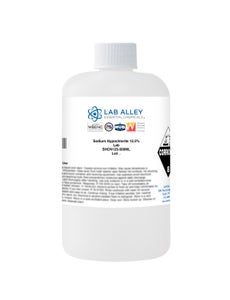
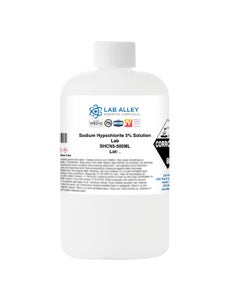
Lab Alley offers Sodium Hypochlorite Solution in two concentrations: 5% Solution and 12.5% Solution. Both concentrations ship with safety data sheets and supporting documentation. Laboratory, commercial, and industrial quantities accommodate applications ranging from analytical chemistry through large-scale water treatment and sanitation programs.
The 5% solution suits household-equivalent applications, laboratory dilution protocols, and light-duty sanitization. This concentration balances antimicrobial effectiveness against handling safety, requiring less stringent PPE and posing reduced chemical burn risks during normal use.
The 12.5% solution serves heavy-duty industrial applications including water treatment, industrial bleaching, and high-volume sanitation programs. This concentration delivers stronger antimicrobial action per applied volume while requiring enhanced safety protocols and compatible materials throughout handling systems.
Pack Sizes & Bulk Availability
Sodium Hypochlorite 5% Solution: Available in 500 mL, 1 L, 4 L, 1 gallon, 5 gallons, 20 L, 55 gallons, 275 gallons, case, and pallet quantities. Small volumes serve laboratory research. Mid-range sizes suit routine sanitation operations and food processing applications. Bulk drums and totes accommodate high-volume users, including water treatment plants.
Sodium Hypochlorite 12.5% Solution: Available in 500 mL, 1 L, 4 L, 1 gallon, 5 gallons, 20 L, 55 gallons, 275 gallons, case, and pallet quantities. Laboratory bottles enable analytical work. Intermediate containers serve commercial cleaning operations. Bulk packaging supports industrial water treatment and continuous-use sanitation systems.
Regulatory Requirements
Water treatment and food-contact applications require NSF/ANSI 60-certified products and appropriate documentation. Facilities using sodium hypochlorite as a registered disinfectant (EPA FIFRA) must apply the product according to label directions. Proper labeling required for food-contact and regulated applications. The 5% solution is typically not regulated as a DOT hazardous material for standard shipment. The 12.5% solution should be confirmed against current DOT thresholds before shipping.
FAQs
What is Sodium Hypochlorite, and how does it differ from chlorine bleach?
What are the potential side effects of Sodium Hypochlorite exposure?
How should Sodium Hypochlorite be stored to prevent degradation?
Does Sodium Hypochlorite have an expiration date?
Is Sodium Hypochlorite safe for food and pharmaceutical use?
When used correctly at approved concentrations, yes. FDA approves sodium hypochlorite for food contact surface sanitization and produce washing at specific concentrations (typically 50-200 ppm available chlorine). Post-application rinsing or adequate drainage removes residues. Pharmaceutical applications include diluted Dakin's Solution for wound irrigation, prepared from USP-grade starting material. However, product grade matters enormously - always specify food-grade or USP-grade material for these uses, verify NSF/ANSI 60 certification for water treatment, and follow label directions precisely regarding concentration, contact time, and rinsing requirements.