




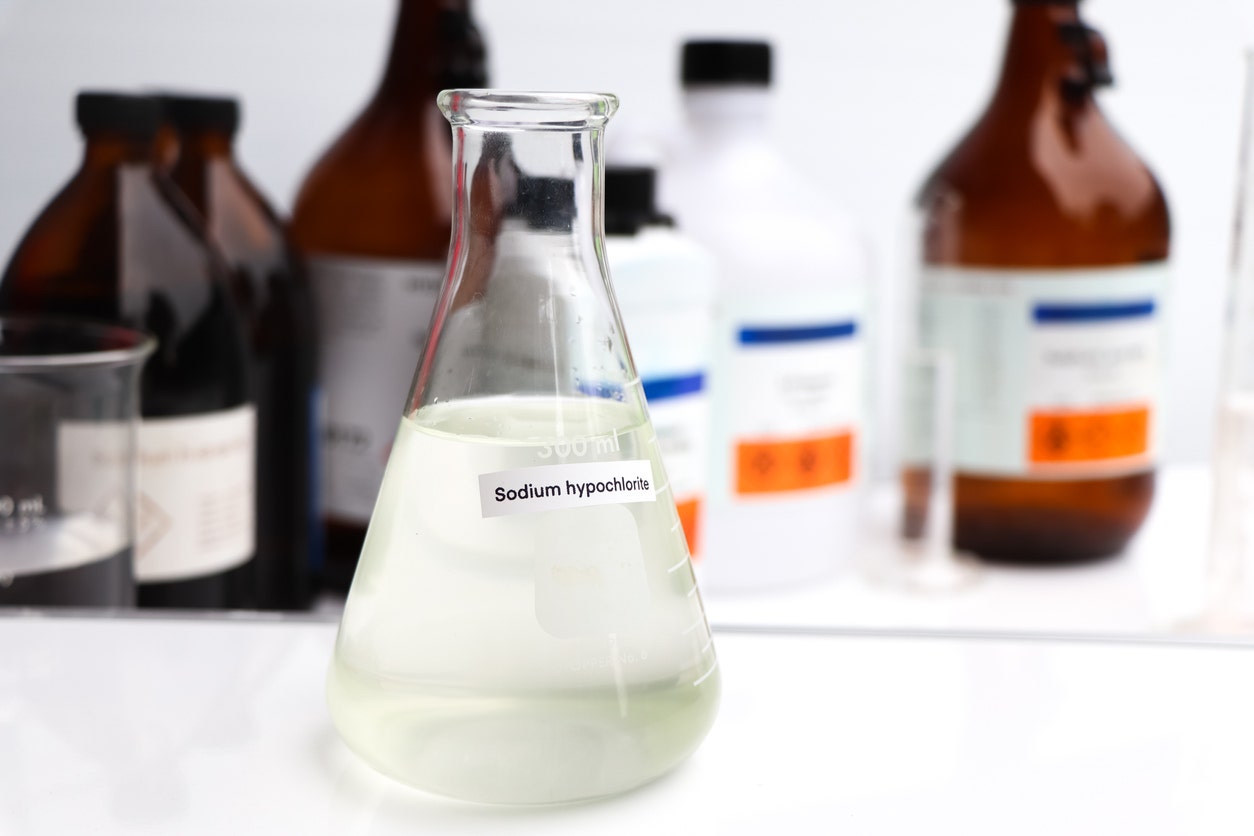
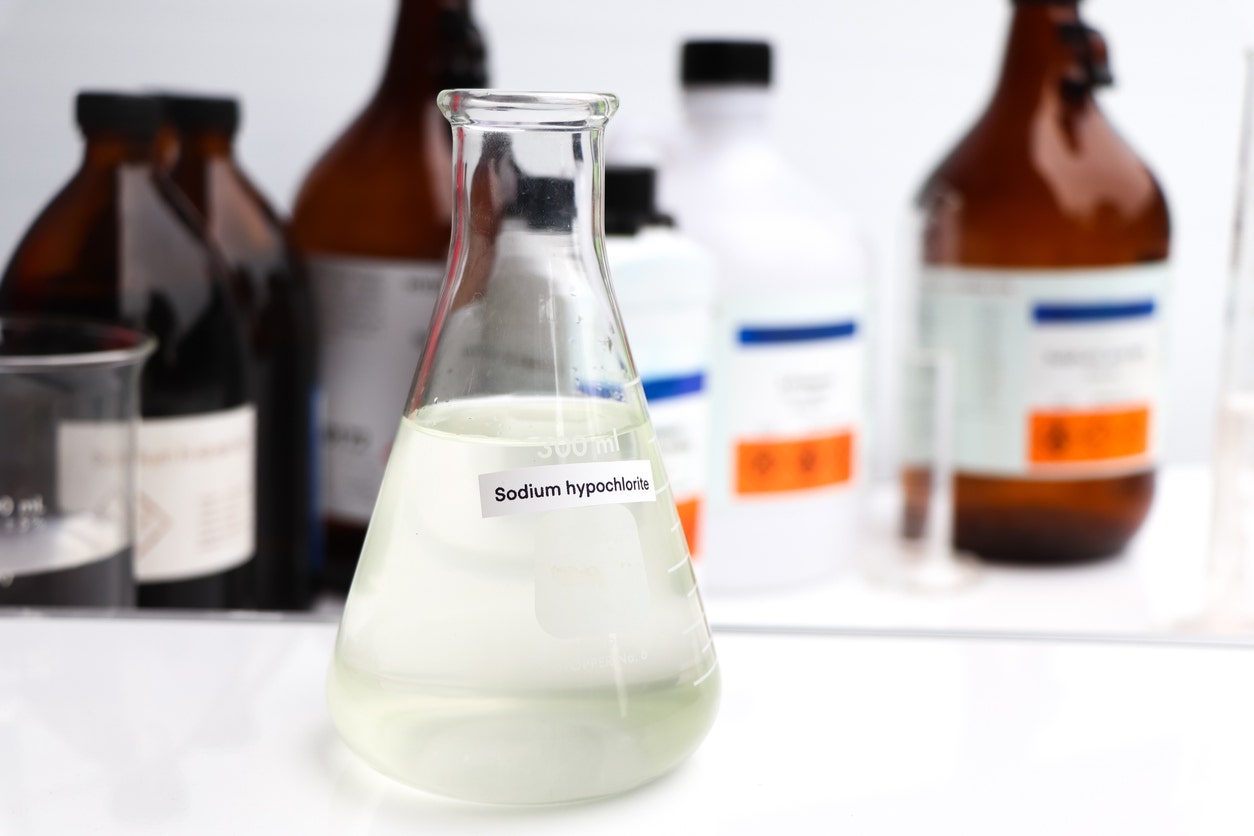
Sodium Hypochlorite Uses & Applications
Sodium hypochlorite (NaOCl) stands as one of the most widely deployed disinfectants and oxidizing agents in modern society. This powerful chemical compound serves critical sanitation functions across water treatment facilities, healthcare institutions, food processing plants, and countless other settings where controlling microbial contamination matters.
The compound's effectiveness stems from its strong oxidizing properties that rapidly destroy bacteria, viruses, fungi, and algae on contact. When sodium hypochlorite encounters microorganisms, it penetrates cell walls and disrupts vital cellular processes, leading to rapid pathogen inactivation. This broad-spectrum antimicrobial activity, combined with fast action and relatively low cost compared to alternative disinfectants, explains its dominant position in sanitation applications worldwide.
Available in concentrations ranging from household bleach at 3-8% available chlorine to industrial-strength solutions at 10-15% available chlorine, sodium hypochlorite offers flexibility for applications from home cleaning to municipal water treatment. The ability to select appropriate concentrations for specific uses allows optimization of effectiveness, safety, and cost across diverse applications.
Several characteristics make sodium hypochlorite particularly valuable. Ease of application requires no complex equipment or specialized training for most uses. Effectiveness at ambient temperatures means no heating systems are needed. Cost-effectiveness compared to many alternative disinfectants supports large-scale deployment. Versatility across applications from drinking water disinfection to surface sanitation demonstrates remarkable functional breadth.
This guide explores how sodium hypochlorite serves essential applications across:
-
Water Treatment & Disinfection
-
Healthcare & Medical Facilities
-
Food & Beverage Processing
-
Industrial & Manufacturing Applications
-
Household & Consumer Products
-
Agriculture & Horticulture
-
Municipal & Public Sanitation
-
Laboratory & Research Applications
Water Treatment & Disinfection
Water treatment operations worldwide depend on sodium hypochlorite for controlling microbial contamination in drinking water, wastewater, recreational water, and industrial water systems. The compound's reliable disinfection performance and operational simplicity support diverse water treatment applications.
Municipal Water Disinfection
Primary disinfection of drinking water supplies uses sodium hypochlorite to kill pathogens and provide residual protection throughout distribution systems. Water treatment plants add carefully controlled doses that achieve target chlorine residuals, ensuring water remains safe as it travels through pipes to consumers.
The chemical's ability to maintain residual disinfection distinguishes it from some alternative disinfectants. This residual continues protecting water quality during distribution, preventing microbial regrowth in pipes.
Wastewater Treatment
Disinfection of treated wastewater effluent before discharge into receiving waters prevents pathogen release into the environment. Treatment plants apply sodium hypochlorite to final effluent, achieving the microbial reductions regulators require before discharge.
Additional wastewater applications include odor control and reduction of biological oxygen demand. The oxidizing power helps break down odor-causing compounds and organic materials.
Swimming Pool & Spa Sanitization
Continuous disinfection and oxidation of organic contaminants in recreational water facilities maintain water quality and bather safety. Pool operators regularly add sodium hypochlorite to maintain free chlorine levels that control bacteria, viruses, and algae while oxidizing swimmer waste products.
Automated feeding systems deliver precisely controlled doses, maintaining target chlorine levels despite constant bather loads and environmental factors affecting chlorine demand.
Cooling Tower Treatment
Biocide applications for controlling bacteria, algae, and biofilm formation in industrial cooling water systems help prevent biological fouling, which reduces heat transfer efficiency and can harbor dangerous pathogens like Legionella. Cooling tower operators dose sodium hypochlorite to control microbial growth while managing corrosion and scale.
Well & Borehole Disinfection
Shock chlorination and routine maintenance disinfection of private wells and water storage systems address bacterial contamination. Well owners apply high chlorine doses periodically to disinfect well systems, then flush thoroughly before returning to service.
Reverse Osmosis System Sanitization
Periodic disinfection and biofouling control in membrane filtration systems maintain membrane performance and extend service life. Operators circulate sodium hypochlorite solutions through RO systems to kill biofilm-forming microorganisms that would otherwise foul membranes.
Healthcare & Medical Facilities
Healthcare settings utilize sodium hypochlorite's powerful antimicrobial properties for environmental disinfection, spill cleanup, and infection control. The compound's effectiveness against resistant pathogens makes it valuable for treating contamination associated with serious infections.
Environmental Decontamination
Disinfection during outbreaks of C. difficile, norovirus, and other healthcare-associated pathogens requires agents effective against spore-forming bacteria and resistant viruses. During outbreaks, healthcare facilities increase environmental cleaning with sodium hypochlorite solutions, focusing on high-touch surfaces and patient rooms.
The compound's sporicidal activity at appropriate concentrations makes it one of few chemical disinfectants effective against C. difficile spores.
Blood & Body Fluid Spill Cleanup
Decontamination of bloodborne pathogen spills with appropriate dilution (1:10 ratio or 5,000-6,000 ppm) inactivates HIV, hepatitis viruses, and other bloodborne pathogens. Healthcare and laboratory personnel use diluted bleach solutions to disinfect blood spills safely.
Proper dilution balances antimicrobial effectiveness against material compatibility and safety considerations.
Medical Device Reprocessing
High-level disinfection of certain semi-critical medical devices utilizes sodium hypochlorite following specific protocols. Some healthcare facilities use bleach solutions for disinfecting items like endoscopes when other high-level disinfectants aren't suitable.
Laboratory Decontamination
Biological safety cabinet decontamination and laboratory surface disinfection employ sodium hypochlorite to control biological contamination. Research laboratories working with infectious agents maintain bleach solutions for routine disinfection and emergency spill response.
Food & Beverage Processing
Food industry applications leverage sodium hypochlorite's antimicrobial properties while carefully controlling concentrations to ensure food safety without harmful residues. Regulatory frameworks specify maximum residue levels and application methods.
Food Contact Surface Sanitization
Sanitizing food processing equipment, cutting boards, utensils, and food preparation surfaces uses dilute sodium hypochlorite solutions, typically 50-200 ppm concentration. Food processors apply these solutions after cleaning to reduce microbial contamination on surfaces that will contact food.
Proper concentration control ensures effective sanitization while keeping residues within safe limits for food contact.
Fruit & Vegetable Washing
Wash water disinfection and surface treatment of fresh produce reduces microbial contamination that could cause foodborne illness or spoilage. Produce packers add sodium hypochlorite to wash water at controlled concentrations, treating produce surfaces while managing organic load and pH.
This treatment extends shelf life and improves food safety for fresh fruits and vegetables.
Poultry & Meat Processing
Antimicrobial treatment of poultry carcasses and meat processing equipment reduces pathogen levels, including Salmonella and Campylobacter. Processing plants apply chlorinated water to poultry during processing as an antimicrobial intervention.
Equipment sanitization between processing runs prevents cross-contamination and maintains sanitary conditions.
CIP (Clean-in-Place) Systems
Chemical sanitization components in automated cleaning systems for processing equipment incorporate sodium hypochlorite into cleaning cycles. CIP systems circulate cleaning and sanitizing solutions through processing equipment without disassembly, maintaining sanitation in dairy plants, breweries, and other facilities.
Beverage Industry Sanitation
Sanitizing bottling lines, tanks, pipelines, and packaging equipment in beverage production prevents microbial spoilage and contamination. Beverage plants maintain strict sanitation using chlorine-based sanitizers throughout processing and packaging areas.
Seafood Processing
Sanitizing seafood processing equipment and ice production systems controls bacteria that cause spoilage and foodborne illness. Seafood processors face particular challenges from psychrotrophic bacteria that grow at refrigeration temperatures, requiring effective sanitization programs.
Industrial & Manufacturing Applications
Manufacturing sectors harness sodium hypochlorite's oxidizing power for bleaching, chemical synthesis, surface treatment, and process applications. Industrial uses often employ higher concentrations than sanitation applications.
Textile & Paper Bleaching
Bleaching agent applications for cotton, linen, and other natural fibers whiten fabrics to desired brightness levels. Textile mills circulate sodium hypochlorite solutions through fabrics, oxidizing natural colorants to produce white or light-colored textiles ready for dyeing or finishing.
Pulp and paper whitening processes similarly use sodium hypochlorite to bleach wood pulp, producing the bright white paper consumers expect.
Chemical Manufacturing
Oxidizing agent applications in producing chlorinated compounds, intermediates, and specialty chemicals utilize sodium hypochlorite's oxidative properties. Chemical manufacturers employ the compound in synthesis reactions where controlled oxidation is required.
Metal Surface Treatment
Etching, cleaning, and oxide removal from metal surfaces in manufacturing processes prepare materials for plating, coating, or bonding. Metal fabricators use sodium hypochlorite solutions to clean and activate metal surfaces.
Paint & Coatings Industry
Bleaching and brightening of titanium dioxide pigments and other coating components improve pigment whiteness and hiding power. Pigment manufacturers treat materials with oxidizing agents to optimize color properties.
Petroleum Refining
Odor control and treatment of sour water in refinery operations address sulfur compounds that create odors and corrosion. Refineries apply sodium hypochlorite to oxidize hydrogen sulfide and mercaptans in process waters.
Mining & Mineral Processing
Ore processing and cyanide destruction in gold mining operations employ sodium hypochlorite to oxidize residual cyanide before discharge. Mining operations must treat cyanide-containing waters to protect receiving streams and groundwater.
Household & Consumer Products
Consumer applications bring sodium hypochlorite into millions of homes for cleaning, disinfection, laundry, and maintenance tasks. Household bleach represents one of the most familiar chemical products in residential use.
Household Bleach Products
Active ingredient applications in laundry bleach at 3-8% concentration whiten fabrics and remove stains. Consumers add bleach to laundry loads to brighten whites, remove tough stains, and disinfect contaminated items.
Bleach formulations often include stabilizers, fragrances, and thickeners to improve performance and consumer acceptance.
Surface Cleaners & Disinfectants
Component applications in bathroom cleaners, kitchen sanitizers, and multi-surface disinfectant products provide antimicrobial action. Cleaning product manufacturers formulate bleach-containing products for specific surfaces and cleaning tasks.
Proper formulation balances cleaning power against material safety and user experience.
Mold & Mildew Remediation
Treatment applications for mold and mildew on non-porous surfaces in bathrooms, basements, and damp areas kill fungal growth and remove discoloration. Homeowners apply bleach solutions to affected areas, eliminating surface mold while controlling musty odors.
Drain Cleaning & Maintenance
Organic matter dissolution and odor control in household drainage systems benefit from periodic bleach treatment. Pouring diluted bleach down drains helps prevent buildup and eliminates odors from bacterial activity.
Outdoor Cleaning
Deck cleaning, driveway cleaning, and removal of algae and organic stains from exterior surfaces restore appearance. Homeowners use diluted bleach solutions to clean mildew from siding, remove algae from walkways, and brighten weathered wood.
Laundry Disinfection
Disinfecting contaminated laundry, particularly in healthcare and childcare settings, eliminates pathogens from soiled linens and clothing. Adding bleach to laundry cycles disinfects items contaminated with body fluids or infectious materials.
Agriculture & Horticulture
Agricultural operations employ sodium hypochlorite for irrigation system treatment, greenhouse sanitation, seed disinfection, and produce handling. The compound's antimicrobial activity supports plant health and food safety.
Irrigation System Disinfection
Treatment of irrigation water prevents disease transmission and biofilm formation in drip irrigation systems. Growers inject sodium hypochlorite into irrigation water to control bacteria, fungi, and algae that could spread plant diseases or clog emitters.
Clean irrigation systems deliver water more uniformly and reduce disease pressure in crops.
Greenhouse Sanitation
Disinfecting greenhouse surfaces, benches, pots, and tools between growing cycles prevents disease carryover between crops. Greenhouse operators wash structures and equipment with bleach solutions before introducing new plants.
This sanitation breaks disease cycles and supports healthier crops.
Seed Treatment
Surface disinfection of seeds reduces seed-borne pathogens before planting. Growers soak seeds briefly in dilute bleach solutions to kill surface pathogens without damaging seed viability.
Hydroponic Systems
Water treatment and root zone disinfection in soilless growing systems controls root diseases and algae. Hydroponic growers maintain low chlorine residuals in nutrient solutions to suppress pathogens while avoiding plant damage.
Post-Harvest Treatment
Washing and disinfecting fresh produce extends shelf life and reduces spoilage. Packing houses treat harvested produce with chlorinated water to reduce microbial loads and maintain quality during distribution.
Animal Facility Sanitation
Disinfecting animal housing, drinking water systems, and equipment in livestock operations prevents disease transmission. Farmers use bleach solutions to sanitize facilities between groups of animals and to treat drinking water systems.
Municipal & Public Sanitation
Public infrastructure applications utilize sodium hypochlorite for odor control, sewage treatment, waste management, and emergency response. These applications protect public health and environmental quality.
Sewage & Sewer Line Treatment
Odor control, hydrogen sulfide mitigation, and biofilm removal in collection systems improve operations and reduce corrosion. Municipalities inject sodium hypochlorite into sewer lines to oxidize hydrogen sulfide that creates odors and corrodes infrastructure.
Public Restroom Sanitation
Disinfecting and deodorizing public toilet facilities and fixtures maintains sanitary conditions in high-traffic facilities. Custodial staff use bleach-containing products to clean and disinfect restrooms in schools, offices, and public buildings.
Garbage & Waste Management
Odor control and disinfection at transfer stations, landfills, and waste collection facilities address public health concerns. Waste management operations spray diluted bleach solutions to control odors and flies around refuse handling areas.
Emergency Disinfection
Rapid response disinfection during disease outbreaks, natural disasters, or water system contamination events provides critical public health protection. Emergency managers deploy sodium hypochlorite for emergency water treatment and environmental disinfection during crises.
Public Water Fountain Maintenance
Routine disinfection and biofilm control in drinking fountains and public water dispensers maintain water quality. Facility managers periodically disinfect fountains to prevent biofilm accumulation and maintain sanitary conditions.
Storm Water Treatment
Emergency treatment of contaminated stormwater runoff addresses sewage overflows and other contamination events. Municipalities may apply sodium hypochlorite to disinfect contaminated storm water before discharge.
Laboratory & Research Applications
Research and analytical laboratories utilize sodium hypochlorite for surface disinfection, equipment cleaning, contamination control, and waste treatment. The compound's effectiveness and low cost support routine laboratory operations.
Laboratory Disinfection
Decontaminating work surfaces, biosafety cabinets, and laboratory equipment controls biological contamination. Laboratory personnel maintain bleach solutions for routine bench disinfection and cleanup of biological spills.
Glassware Cleaning
Removing organic residues and disinfecting laboratory glassware prepares equipment for reuse. Laboratories soak glassware in dilute bleach solutions to remove biological materials and disinfect before washing.
Cell Culture Contamination Control
Disinfecting incubators, water baths, and CO₂ incubator humidification systems prevents contamination of valuable cell cultures. Cell culture facilities regularly clean and disinfect equipment to maintain sterile culture conditions.
Nucleic Acid Decontamination
Destroying nucleases (DNases, RNases) on surfaces and equipment prevents contamination of molecular biology experiments. Molecular biology laboratories use bleach solutions to inactivate these enzymes that would degrade experimental samples.
Analytical Reagent
Oxidizing agent applications in various analytical chemistry procedures and titrations utilize sodium hypochlorite's redox properties. Analytical methods specify bleach for specific oxidation reactions and standardizations.
Biological Waste Treatment
Inactivating biological materials before disposal addresses biosafety and regulatory requirements. Laboratories treat liquid biological waste with bleach to inactivate pathogens before disposal.
Sodium Hypochlorite Grade Specifications
Understanding sodium hypochlorite concentrations and grades helps users select the appropriate strength for their application. Concentration directly affects effectiveness, safety requirements, and cost.
Household Bleach Grade
Typically, 3-8% available chlorine (30,000-80,000 ppm) serves residential cleaning, laundry, light disinfection, and general household use. Often contains stabilizers and fragrances for consumer acceptance.
Commercial/Industrial Grade
10-12.5% available chlorine (100,000-125,000 ppm) serves commercial cleaning operations, food service sanitation, and light industrial applications. Provides concentrated strength with cost efficiency for higher-volume users.
Industrial Strength/Technical Grade
12.5-15% available chlorine (125,000-150,000 ppm) handles heavy-duty industrial applications, including water treatment, textile bleaching, chemical manufacturing, and large-scale disinfection. May contain stabilizers to reduce degradation during storage.
Food Grade (NSF/ANSI 60 Certified)
Typically 10-12.5% available chlorine, certified for use in drinking water treatment and food processing applications. Meets NSF/ANSI Standard 60 for drinking water treatment chemicals with lower heavy metal content, certified for potable water contact.
USP Grade (United States Pharmacopeia)
Pharmaceutical grade meeting USP monograph specifications serves pharmaceutical manufacturing, laboratory applications, and medical device reprocessing where the highest purity is required.
EPA-Registered Disinfectant Solutions
Pre-diluted or concentrated formulations registered with the EPA for specific disinfection claims vary in concentration depending on intended use and target organisms. Include product-specific contact times and dilution instructions on labels.
Sodium Hypochlorite Grades and Pack Sizes
Searching for a reliable source of premium-quality sodium hypochlorite? Lab Alley supplies superior sodium hypochlorite solutions across industrial, commercial, and specialized applications. Every batch receives thorough testing to confirm available chlorine content and satisfy strict quality standards.
Available Grades & Formulations
Lab Alley provides sodium hypochlorite in concentrated solutions:
Concentration Options:
-
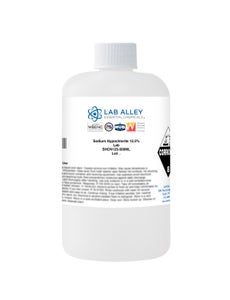
Sodium Hypochlorite 12.5% Solution: Industrial strength for water treatment, disinfection, and heavy-duty cleaning applications
-
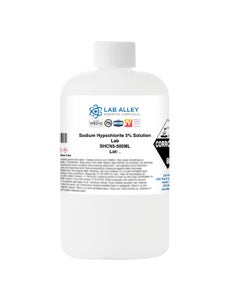
Sodium Hypochlorite 5% Solution: Commercial strength for sanitation, surface disinfection, and general cleaning operations
Pack Sizes & Industrial Availability
Lab Alley offers sodium hypochlorite in various container sizes:
-
Laboratory and commercial sizes: 500mL, 1 Liter, 1 Gallon, 4 Liters for research and moderate-use applications
-
Industrial containers: 5 Gallons, 20 Liters, 55 Gallons, 275 Gallons for high-volume operations
-
Bulk purchasing: Case quantities and pallet quantities available for large-scale users
All containers are UN-approved HDPE resistant to sodium hypochlorite corrosion with proper DOT hazmat labeling for safe transport and storage.
Quality & Compliance
Lab Alley's sodium hypochlorite products feature:
-
NSF/ANSI Standards 60 and 61 certification available for drinking water treatment applications
-
Food-grade specifications meeting FDA 21 CFR requirements for food contact surface sanitization
-
Certificate of Analysis (COA) provided, including available chlorine content, pH, specific gravity, and impurity analysis
-
DOT compliance: All products comply with DOT hazmat shipping regulations
Safety & Regulatory Information
Critical safety considerations for sodium hypochlorite handling:
Hazard Classification: Corrosive substance (UN1791 for solutions >5% available chlorine)
Exposure Limits:
-
OSHA PEL: 1 ppm ceiling (for chlorine gas released from solutions)
-
ACGIH TLV: 0.5 ppm TWA, 1 ppm STEL (for chlorine gas released from solutions)
Hazard Warnings:
-
Corrosive to skin and eyes; causes severe burns and eye damage
-
Never mix with acids (releases toxic chlorine gas), ammonia (forms toxic chloramine gas), or organic materials
-
Never mix with other cleaning products, particularly acidic cleaners or ammonia-based products
Required Safety Measures:
-
Personal protective equipment required: chemical-resistant gloves, safety goggles or face shield, protective apron
-
Store in cool, well-ventilated areas away from direct sunlight and heat; solutions degrade over time
-
Proper dilution is essential for food contact applications (typically 50-200 ppm per 21 CFR 178.1010)
Important Safety Note: Sodium hypochlorite is a corrosive, oxidizing agent that requires careful handling and proper dilution for safe use. Always use appropriate personal protective equipment and ensure adequate ventilation. Never mix with acids, ammonia, or other chemicals, as dangerous gases may be released. Solutions degrade over time; store properly and check available chlorine concentration regularly. For drinking water and food contact applications, use only NSF-certified or food-grade products at approved concentrations. Follow EPA label directions for all disinfection applications. Dispose of waste solutions in accordance with local environmental regulations.
Final Note
Sodium hypochlorite's exceptional effectiveness as a broad-spectrum disinfectant and oxidizing agent establishes it as an indispensable compound across water treatment, healthcare sanitation, food safety, industrial processing, and emergency response. From protecting drinking water supplies to controlling disease outbreaks, from sanitizing food processing equipment to bleaching textiles, this powerful chemical delivers reliable antimicrobial performance at a reasonable cost.
For more detailed guidance, explore our Resource Library.
Our Customer Care team is also available for more information and documentation, including chemical Safety Data Sheets.
Need Sodium Hypochlorite You Can Trust?
If you are looking for high-quality sodium hypochlorite for your lab, product line, or research facility, be sure to visit our store to explore our trusted selection and request a quote.
As your trusted partner in chemical supply, Lab Alley is always striving to meet the growing demands of our customers. We want you to be able to access all of your chemical needs in one place, along with streamlined online ordering and fast shipping.
Due to popular demand from our valued clientele, Lab Alley's sodium hypochlorite is available in a range of purities and packaging options to suit various commercial, laboratory, and personal needs.