





MCT Oil (Medium Chain Triglycerides) Safety & Hazards
MCT oil is a food-grade nutritional oil derived from coconut or palm kernel oil through a fractionation process. Composed primarily of caprylic acid (C8:0) and capric acid (C10:0), it is not classified as hazardous under the OSHA Hazard Communication Standard (29 CFR 1910.1200) and carries no GHS hazard pictograms. For most handling and use scenarios, MCT oil presents minimal safety concerns.
The primary risks associated with MCT oil are physical rather than toxicological: the oil creates slippery conditions on skin and surfaces, and high-volume industrial handling introduces a low combustibility hazard given its flash point above 200°F (93°C). Laboratory personnel, production staff, and safety officers working with MCT oil at scale should be familiar with basic spill precautions and storage requirements.
MCT oil holds FDA Generally Recognized as Safe (GRAS) status for food use and is widely used in pharmaceutical, nutraceutical, and cosmetic applications. It is not regulated under CERCLA, SARA, or DOT hazardous materials regulations, and no occupational exposure limits have been established by OSHA, NIOSH, or ACGIH.


In this article, we'll explore:
-
Chemical Hazards Overview
-
Exposure Risks & Health Effects
-
First Aid Measures
-
Handling & Storage Precautions
-
Spill & Leak Procedures
-
Regulatory & Compliance Information
-
Technical Documents & References
Chemical Hazards Overview
MCT oil has one of the most benign hazard profiles among oils handled in laboratory and production settings. It carries no GHS hazard classification and requires no hazard pictograms on labeling.
-
Hazard Classification: Not classified as hazardous under OSHA HazCom (29 CFR 1910.1200); not classified for acute toxicity, skin or eye irritation, sensitization, carcinogenicity, mutagenicity, or reproductive toxicity
-
GHS Hazard Pictograms: None required
-
NFPA Hazard Rating: Health: 0 / Flammability: 1 / Reactivity: 0
-
Primary Risks: Combustible liquid (flash point >200°F / >93°C); creates slippery conditions on skin and surfaces; mild GI effects with excessive ingestion
Exposure Risks & Health Effects
Inhalation Risks
Under normal handling conditions, MCT oil presents minimal inhalation hazard. The oil has low volatility at room temperature and does not readily generate airborne vapors. Industrial operations that involve heating the oil or producing mists or aerosols introduce a greater inhalation risk, and those conditions should be controlled with adequate ventilation. No occupational exposure limits have been established, reflecting the low overall inhalation hazard of this material.
Skin Contact Risks
Skin contact with MCT oil is unlikely to cause significant irritation under typical exposure durations. Prolonged or repeated contact may produce mild irritation in some individuals, and the oil creates slippery conditions that increase the risk of handling accidents. There is no evidence of meaningful dermal absorption. Routine hand washing after handling is sufficient for most use cases; extended contact during industrial operations warrants the use of chemical-resistant gloves.
Eye Contact Risks
Eye contact with MCT oil may cause mild, transient irritation. The risk of lasting damage or permanent injury is not associated with this material under normal exposure conditions. Prompt rinsing is sufficient in most cases, though persistent irritation warrants medical evaluation. Safety glasses with side shields are recommended for industrial-scale handling to prevent incidental contact.
Ingestion Risks
MCT oil is a food-grade ingredient with FDA GRAS status and is consumed as a dietary supplement at doses typically ranging from 6 to 56 grams per day. At these levels, the oil is well tolerated by most individuals. High doses may produce gastrointestinal effects including nausea, diarrhea, or stomach discomfort. Individuals with liver conditions should avoid use, as MCTs are processed by the liver, and those with diabetes should consult a physician before use due to the potential for ketone accumulation.
Chronic Effects
MCT oil is not classified as carcinogenic, mutagenic, or toxic to reproduction by IARC, NTP, OSHA, or ACGIH. No organ toxicity has been identified through normal dietary or occupational exposure. No components have been listed as carcinogens by any major regulatory or scientific body.
First Aid Procedures
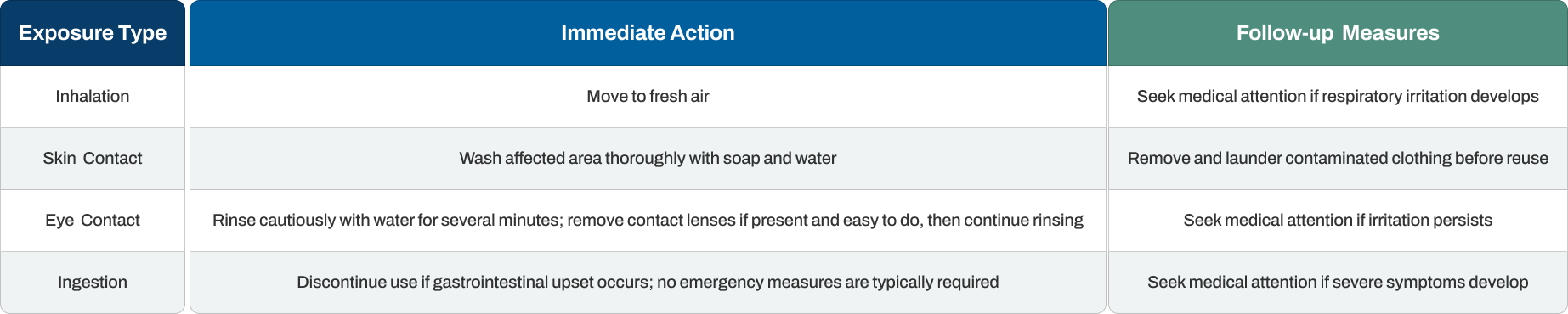
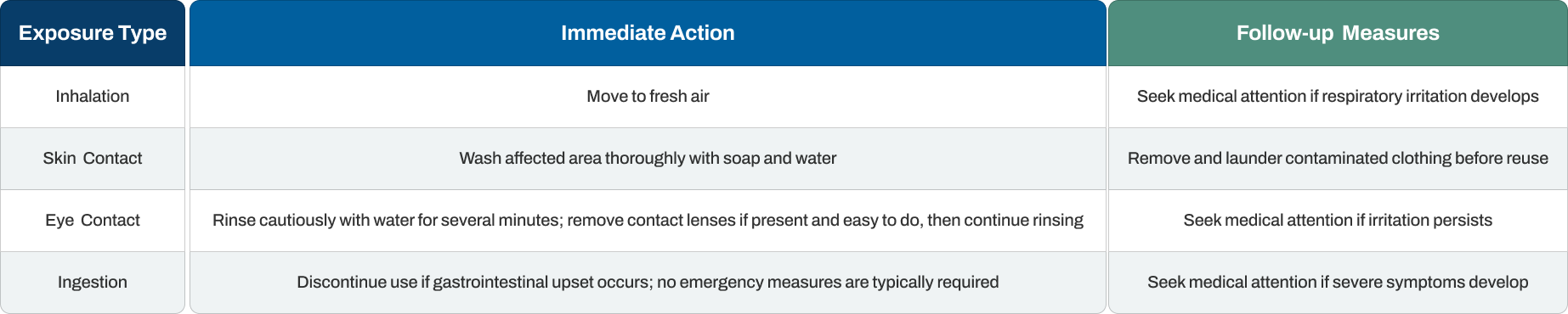
Given the low hazard classification of MCT oil, first aid measures are straightforward in most exposure scenarios. No specific antidote exists or is needed. If symptoms are unexpectedly severe or persistent following any route of exposure, consult a physician and have the product's Safety Data Sheet available for reference.
Handling & Storage Precautions
Safe handling of MCT oil requires attention to its physical properties rather than chemical toxicity. The oil's low viscosity and tendency to create slippery surfaces are the primary handling hazards in most settings.
Safe Handling Procedures
For industrial or large-scale handling, recommended PPE includes:
-
Chemical-resistant gloves
-
Safety glasses with side shields
-
Chemical-resistant clothing where splash risk exists
Avoid generating mists or aerosols during transfer or dispensing operations. Good industrial hygiene practices apply: wash hands thoroughly after handling, and observe good housekeeping to address any spilled material promptly. A safety shower should be accessible in work areas where large quantities are handled.
Storage Conditions
Recommended storage conditions include:
-
Temperature: 65–75°F (18–24°C)
-
Location: cool, dry, well-ventilated area
-
Protection from heat, direct light, and oxidizing conditions
-
Containers kept tightly closed when not in use
Refrigeration may extend shelf life but is not required under normal conditions. Peroxide value increases over time during storage and should be monitored as an indicator of oxidative degradation, particularly for long-term inventory.
Incompatible Substances
-
Strong oxidizing agents
-
Oil-soaked materials stored improperly (spontaneous combustion risk)
Spill & Leak Procedures
Emergency Response Steps
For large spills, isolate the affected area and keep unnecessary personnel clear. The primary immediate hazard is the slipping risk created by the oil on the floor surfaces. Wear appropriate PPE before entering the spill area, and ventilate the space if mists or vapors are present. Small spills can be wiped up directly with absorbent material.
Containment Methods
Absorb spilled material using an inert absorbent such as:
-
Sand
-
Earth
-
Vermiculite
Prevent the material from entering floor drains, groundwater, or surface water. Oil-soaked absorbents must be collected in sealed containers for disposal; do not leave them in open waste receptacles, as oil-soaked materials pose a spontaneous combustion risk if stored improperly.
Proper Disposal
MCT oil is not classified as hazardous waste under typical conditions. Collect spill residue and contaminated absorbents in sealed containers and arrange disposal through a licensed facility in accordance with applicable local, state, and federal regulations. Do not pour large quantities down drains or into municipal wastewater systems.
Regulatory Information & Compliance
OSHA Regulations
MCT oil is not classified as a hazardous chemical under the OSHA Hazard Communication Standard (29 CFR 1910.1200) and is not listed under OSHA Specifically Regulated Substances (29 CFR 1910.1001–1052). No permissible exposure limit (PEL), NIOSH recommended exposure limit (REL), or ACGIH threshold limit value (TLV) has been established for this material. General ventilation providing approximately 10 air changes per hour is recommended for industrial handling environments.
EPA & Environmental Impact
MCT oil is not listed as a hazardous substance under CERCLA or SARA and is not classified as an environmental hazard. The material is expected to be readily biodegradable. It is listed on the TSCA inventory. Releases to the environment should be avoided through proper handling and containment; prevent entry into waterways, groundwater, or drainage systems.
DOT Transportation Regulations
MCT oil is not regulated as a hazardous material under DOT. No hazard class, UN number, or packing group applies. Standard non-hazmat shipping requirements govern its transport.
FDA/USP/ACS Compliance
MCT oil holds FDA GRAS status for food use, confirmed under GRAS Notice 1049. Both food-grade and pharmaceutical-grade formulations are available; pharmaceutical-grade MCT oil, such as Kollisolv MCT 70, is suitable for drug delivery and emulsion applications. Certificates of Analysis and peroxide value testing are standard quality control measures for this material.
Technical Documents & Resources
-
Safety Data Sheets are available for all grades and concentrations of MCT oil and cover safe handling, storage, first aid, and regulatory classification.
-
Certificates of Analysis are available upon request and verify purity and compliance with applicable food-grade or pharmaceutical-grade standards.
Final Note
MCT oil is among the lowest-hazard materials handled in laboratory and production environments, with no GHS hazard classification and no established occupational exposure limits. The practical safety priorities for this material are spill management, slipping prevention, and proper storage away from oxidizing conditions and heat sources.
Pharmaceutical-grade and food-grade users should maintain current SDSs and COAs on file and follow standard good manufacturing practices appropriate to their application. Lab Alley supplies MCT oil in multiple grades and pack sizes to support a range of professional and industrial uses.
Explore our Resource Library for more information.
Our Customer Care team is also available for more information and documentation, including chemical Safety Data Sheets.
Need MCT Oil You Can Trust?
If you are looking for high-quality MCT oil for your lab, product line, or research facility, be sure to visit our store to explore our trusted selection and request a quote.
As your trusted partner in chemical supply, Lab Alley is always striving to meet the growing demands of our customers. We want you to be able to access all of your chemical needs in one place, along with streamlined online ordering and fast shipping.
Due to popular demand from our valued clientele, Lab Alley's MCT oil is available in a range of purities and packaging options to suit various commercial, laboratory, and personal needs.