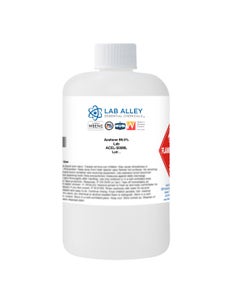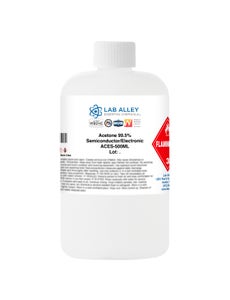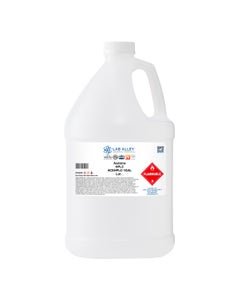






Acetone Overview
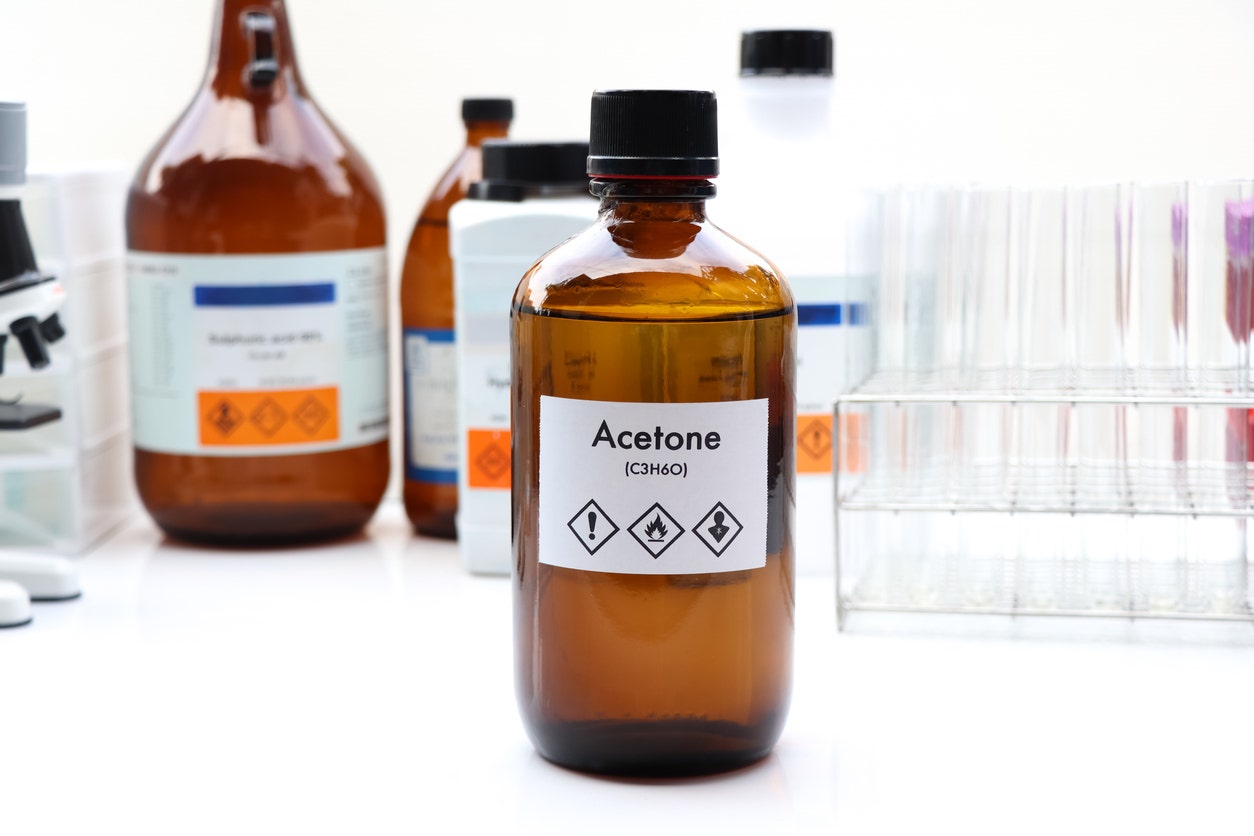
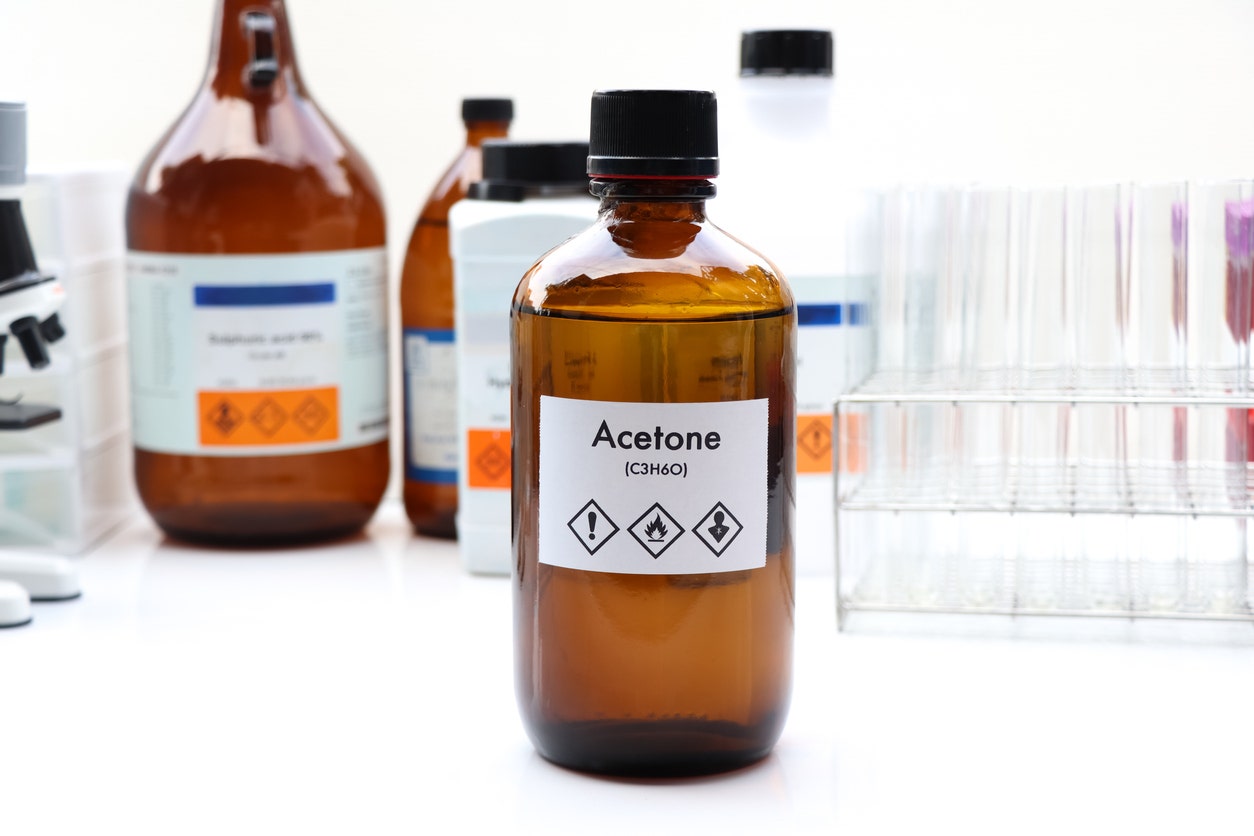
Acetone (C₃H₆O), also known as 2-propanone or dimethyl ketone, is the simplest and most widely used ketone in industrial and laboratory settings. It is a colorless, highly volatile liquid recognized by its characteristic sweet, fruity odor and remarkable ability to dissolve a broad spectrum of organic materials. From paint formulation and pharmaceutical synthesis to semiconductor fabrication and everyday nail care products, acetone occupies a position of unusual breadth across industrial, scientific, and consumer markets.
What makes acetone particularly valuable is the combination of properties it brings to solvent applications: complete miscibility with water, extremely rapid evaporation, low viscosity, and compatibility with most organic solvents. Its ability to dissolve fats, oils, waxes, resins, cellulose derivatives, and many synthetic polymers makes it one of the most versatile solvents available at industrial scale.
Acetone also occurs naturally in the human body as a byproduct of fat metabolism, contributing to a relatively favorable toxicological profile compared to many other organic solvents. Despite this, it is a highly flammable liquid with a flash point of −20°C, and its handling requires careful attention to ignition control, ventilation, and containment. It is classified under DOT Hazard Class 3 and regulated as a CERCLA hazardous substance, making regulatory compliance an essential part of procurement and operations for any facility using it at significant volume.
Properties of Acetone
Key Facts
-
Compound Name: Acetone
-
Synonyms/Common Names: 2-Propanone, Dimethyl ketone, Propan-2-one, Beta-ketopropane, Dimethyl formaldehyde, Pyroacetic ether, Methyl ketone
-
Chemical Formula: C₃H₆O (CH₃COCH₃)
-
CAS Number: 67-64-1
-
RTECS Number: AL3150000
-
Molar Mass: 58.08 g/mol
-
Appearance: Clear, colorless, volatile liquid with a characteristic sweet, pungent odor
Density and Behavior Relative to Water
Acetone has a density of 0.784–0.791 g/cm³ at 20°C, giving it a specific gravity of approximately 0.79. It is lighter than water but completely miscible with it, so layering does not occur under normal handling conditions. The lower density is relevant primarily when estimating container weights and modeling spill behavior in containment scenarios.
Acetone is a colorless, fast-evaporating organic solvent widely used in laboratory research, chemical manufacturing, pharmaceutical processing, coatings production, electronics cleaning, and industrial degreasing applications. The compound is valued for its excellent solvency, rapid drying characteristics, and ability to dissolve a wide range of organic substances across commercial, industrial, and laboratory environments. U.S. laboratories and manufacturers sourcing acetone by grade and purity can contact Lab Alley at 512-668-9918 for product selection and ordering support.
Boiling Point, Melting Point and Volatility
Acetone boils at 56°C (133°F) at 760 mmHg and melts at −95°C (−139°F). The low boiling point means acetone evaporates rapidly at room temperature, which is advantageous in cleaning and drying applications but also means vapor generation is continuous and substantial in open containers. Facilities using acetone at volume must account for vapor accumulation in confined or poorly ventilated spaces.
Solubility and Compatibility
Acetone is completely miscible with water, ethanol, diethyl ether, chloroform, and most common organic solvents, and it dissolves fats, oils, waxes, resins, and many plastics and synthetic fibers. This broad solvency also has a practical limitation: acetone attacks certain plastics, rubber, and coatings, so container and equipment material compatibility must be verified before use.
pH Characteristics
Pure acetone and its aqueous solutions are essentially neutral, with a pH of approximately 6–7. It does not undergo hydrolysis or ionization under normal conditions, does not contribute to corrosion of compatible metals, and does not require neutralization before disposal under most standard protocols.
Viscosity and Flow Behavior
At 25°C, acetone has a viscosity of 0.306 mPa·s, making it one of the lowest-viscosity common solvents in laboratory and industrial use. This allows it to penetrate fine surface features and narrow gaps rapidly, which is valuable in precision cleaning applications. The same property increases the likelihood of rapid spill spread, reinforcing the need for proper secondary containment.
Refractive Index
Acetone has a refractive index of 1.359 at 20°C, used in spectroscopic applications to verify purity and as a quality control parameter for HPLC and spectrophotometric grades. Significant deviation from this value in an incoming lot is a reliable indicator of contamination and should trigger additional QC testing before use.
Vapor Pressure and Evaporation Rate
Acetone has a vapor pressure of 184 mmHg at 20°C, rising to 266 mmHg at 30°C, which is substantially higher than that of most common solvents. The high vapor pressure drives the rapid evaporation useful in drying and rinsing applications, but vapor concentrations in enclosed spaces can reach hazardous levels quickly, making continuous airflow and engineering controls necessary at volume.
Odor Threshold
The odor threshold for acetone is 100–140 ppm in air, well below both the NIOSH REL of 250 ppm and the OSHA PEL of 1,000 ppm. A detectable odor does not indicate unsafe exposure levels, but it should prompt verification that ventilation and engineering controls are functioning correctly.
Reactivity and Incompatibilities
Acetone is stable under normal storage conditions and does not polymerize, but it is incompatible with strong oxidizing agents, halogens, strong acids, and strong bases. It reacts violently with chloroform in the presence of alkali and forms explosive acetone peroxides with hydrogen peroxide. These incompatible substances must be excluded from storage and use areas without exception.
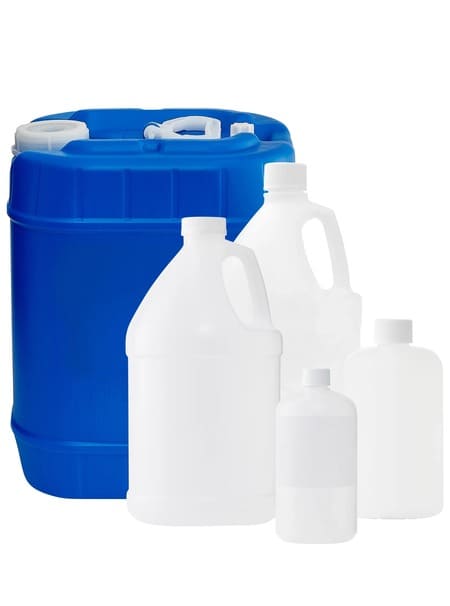
Acetone from Lab Alley is available in multiple grades and purity levels, with packaging options ranging from small laboratory containers to bulk drums and totes for laboratory, industrial, manufacturing, and chemical processing applications.
Common Uses & Applications
Industrial Applications
Acetone is among the most widely consumed industrial solvents globally, used in the formulation of paints, lacquers, varnishes, and adhesives, and as a degreaser for metal surfaces and machinery. It is also a critical chemical intermediate: a precursor to methyl methacrylate for acrylic plastics and to bisphenol A for polycarbonate and epoxy resins. Textile, printing, and automotive operations rely on it for dyeing, equipment cleaning, surface preparation, and ink formulation.
Scientific and Laboratory Uses
In the laboratory, acetone serves as a general-purpose solvent for organic synthesis, sample preparation, glassware cleaning, and chromatography mobile phases across TLC, column, and HPLC formats. It is used as a recrystallization solvent, extraction medium, and drying agent that exploits its azeotrope with water to accelerate moisture removal. In synthetic chemistry, it participates directly as a reagent in aldol condensation reactions and as the preferred solvent for Grignard and other organometallic work.
Consumer and Household Uses
Acetone is most familiar to consumers as the active ingredient in nail polish remover, where its rapid solvation of film-forming polymers and fast evaporation make it highly effective. It also appears in household adhesive removers, cleaning preparations, and hobby supplies such as model cement thinners. The primary safety concern for home use is flammability; acetone should never be used near flames or ignition sources, and adequate ventilation is essential even for brief exposures.
Specialized Applications
In electronics manufacturing, acetone is used for semiconductor wafer cleaning, PCB preparation, flux removal, and photoresist stripping, with electronic-grade material produced to tight purity specifications for cleanroom compatibility. In pharmaceutical and cosmetic manufacturing, it functions as an excipient solvent, extraction medium, and processing aid in topical formulations. Acetate fiber production also depends on acetone as the primary spinning solvent.
Fight Your Kidney Stone with This Natural Product Hack
Fight kidney stones. Discover how citric acid naturally prevents stone formation.

Is Lactic Acid Bad? A Look at the Health Science
Is lactic acid bad for you? Debunking myths and revealing its vital role in your body & beyond.
Hospitality Without Hitchhikers: Boric Acid’s Role in Bed Bug Prevention
Protect your hospitality business. Boric acid is key to preventing bed bug infestations.
Harnessing Silica Sulfuric Acid to Enhance Concrete Durability
Enhance concrete longevity. Silica sulfuric acid improves strength and chemical resistance.
Safety & Handling
Hazards and Precautions
Acetone is an NFPA Class IB flammable liquid with a flash point of −20°C (−4°F) and an autoignition temperature of 465°C (869°F). Its vapors form explosive mixtures with air at 2.5–12.8% concentration, are heavier than air, and can travel to distant ignition sources. Inhalation is the primary occupational exposure route, causing respiratory tract irritation at moderate concentrations and CNS depression at high concentrations. GHS classifications are Flam. Liq. 2, Eye Irrit. 2, and STOT SE 3.
Personal Protective Equipment (PPE)
Chemical safety goggles are required for all acetone handling; a face shield should be added for large-scale operations. Butyl rubber gloves (breakthrough time greater than 8 hours) are preferred for hand protection, with nitrile acceptable for shorter tasks; natural rubber and latex should not be used. When vapors approach or exceed the OSHA PEL of 1,000 ppm, an NIOSH-approved organic vapor respirator is required, with supplied-air or SCBA units necessary for confined spaces or emergency response.
Storage Guidelines
Acetone must be stored in an approved flammable liquid storage cabinet, away from heat, flames, sparks, and incompatible materials, including oxidizers, concentrated acids, bases, and halogenated compounds. Containers must remain tightly sealed, and storage areas must have explosion-proof electrical equipment and adequate ventilation. Metal containers are preferred; any plastic container must be verified for compatibility before use.
Spill and Disposal Procedures
In a spill, eliminate all ignition sources immediately, ventilate the area, and contain the spill with vermiculite, dry sand, or non-combustible absorbent. Collected material must not be flushed to drains or waterways and should be transferred to labeled containers for disposal. Acetone is regulated as RCRA hazardous waste code U002 and ignitable waste D001; disposal must comply with federal, state, and local requirements, with incineration or solvent reclamation as the preferred routes.

How to Safely Dispose of Sulfuric Acid
Sulfuric acid is one of the most common acidifying reagents and sulfur sources, essential across multiple industries. At the same time, it is also a toxic and highly hazardous chemical reagent, requiring safe handling and disposal by trained personnel.
How To Use Nitric Acid Safely
Nitric acid is a corrosive chemical and harmful to humans. Its contact with skin and eyes can cause serious burns. Affected skin will require flushing with soap and lukewarm water for at least 30 minutes.
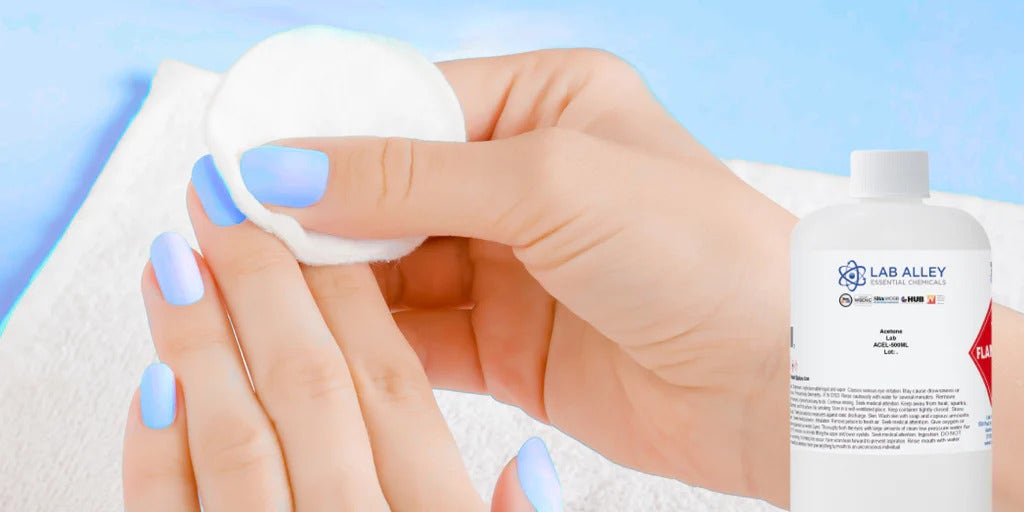
Acetone Safety: Proper Storage and Disposal Methods
Acetone is a staple chemical solvent in most laboratories. It is also perhaps one of the most recognizable chemicals to the layperson, best known as the pungent solvent comprising nail polish remover.
How to Use Potassium Iodide Safely and Where to Buy it Online
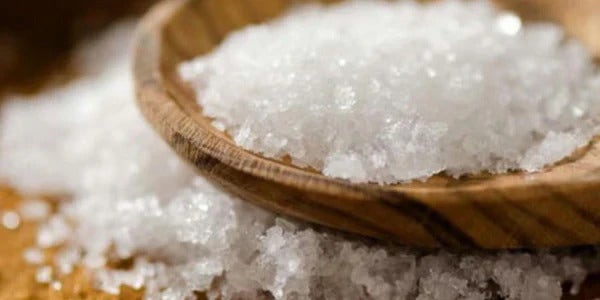
Potassium Iodide Powder, also known as Potassium Salt of Hydriodic Acid, Iodic Acid Potassium Salt, Potassium Monoiodide, and Knollide, has the chemical formula KI. It appears as a white crystalline powder, odorless, and is soluble in water at ambient conditions.
Medicinal Oils Derived From Plants
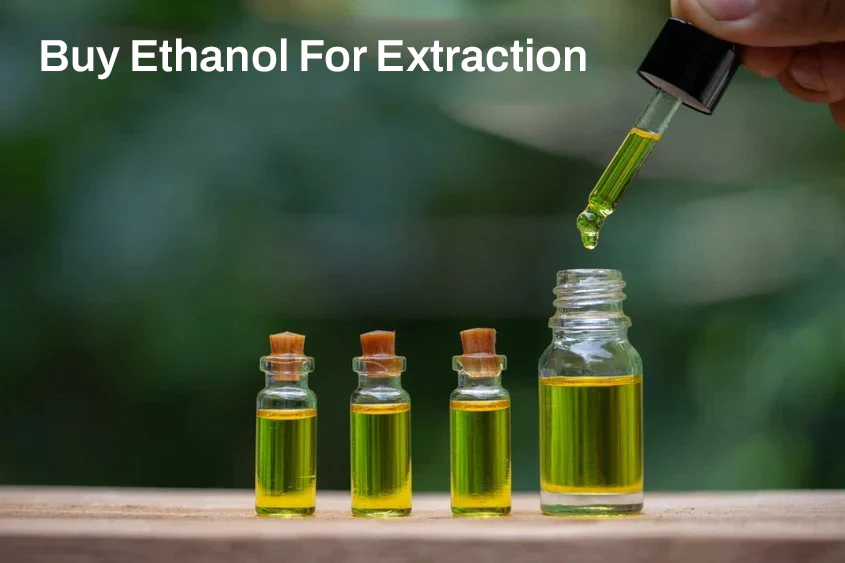
You can order food-grade ethanol, extraction-grade ethanol, ACS-grade ethanol, FCC-grade ethanol, USP grade ethanol, HPLC-grade ethanol and kosher ethanol from Lab Alley. Perform ethanol (EtOH) extraction at ultra-low temperatures for the best yields.
Ethanol extraction is a cost-effective way to use ethanol as an industrial solvent to produce high-quality botanical extracts from large volumes of medicinal herbs or plants.
Acetone Grades and Pack Sizes
Lab Alley supplies acetone in multiple grades and container sizes to support laboratory, industrial, and specialty manufacturing needs. Certificates of analysis are available for all grades.
Available Grades & Concentrations
-
ACS Reagent Grade (≥99.5%) for analytical chemistry and general laboratory use
-
HPLC/Spectrophotometric Grade (≥99.8%) for chromatography and spectroscopy
-
Laboratory/Technical Grade (99–99.5%) for general laboratory and non-critical applications
-
Industrial/Commercial Grade (99%+) for manufacturing and large-scale industrial processes
-
Electronic/Semiconductor Grade (≥99.9%) for semiconductor manufacturing and cleanroom applications
-
Certified ACS Grade with full documentation for GLP/GMP compliance
Pack Sizes & Bulk Availability
-
Laboratory bottles: 500 mL, 1 L, 4 L for lab-scale use
-
Commercial containers: 1 gallon, 4 gallons (case packs), 5 gallons for standard operations
-
Industrial drums: 55-gallon drums, 275-gallon totes for high-volume applications
-
Case and pallet quantities available for bulk purchasing
-
Full truckload quantities available
-
All containers are UN-approved and DOT-compliant with proper Class 3 Flammable Liquid labeling
FAQs
What is acetone and how is it produced?
What are the potential side effects of acetone exposure?
How should acetone be stored to prevent degradation?
Does acetone have an expiration date?
Is acetone safe to use at home?
Acetone is safe for household use in products such as nail polish remover when handled according to labeling. Flammability is the dominant hazard: it should never be used near open flames, candles, or electrical equipment, and ventilation is necessary even for brief exposures. Repeated skin contact can cause dryness and irritation, and ingestion should be avoided, though acute oral toxicity is low at the quantities present in consumer products.