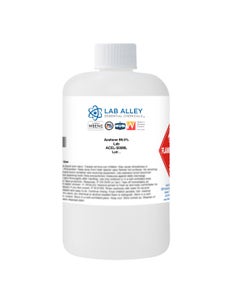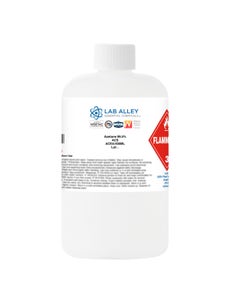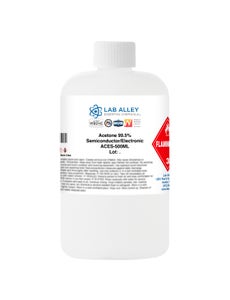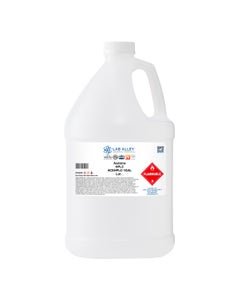






Acetone Safety & Hazards
Acetone (CAS 67-64-1) is a highly flammable, volatile organic solvent classified as a Class IB Flammable Liquid under OSHA and NFPA standards. Used widely across industrial manufacturing, laboratory research, and consumer product formulations, it presents significant fire and explosion hazards that require strict handling controls at every stage of use. Its extremely low flash point of -20°C (-4°F) makes ignition possible at well below room temperature, placing it among the more hazardous common solvents in routine use.
The primary health risks associated with acetone exposure include eye and respiratory irritation, central nervous system depression at elevated vapor concentrations, and aspiration pneumonitis if ingested and vomited. These risks are relevant to laboratory personnel, production workers, safety officers, and procurement managers who specify, handle, or store the material. Chronic exposure adds further concern, with potential effects on the kidneys, liver, and reproductive system documented in repeated-exposure studies.
Acetone is regulated under OSHA's Hazard Communication Standard (29 CFR 1910.1200), carries a CERCLA reportable quantity, and is subject to DOT hazardous materials transportation requirements. Understanding its classification, exposure limits, and emergency response protocols is essential for safe and compliant use.
In this article, we'll review:
-
Chemical Hazards Overview
-
Exposure Risks & Health Effects
-
First Aid Measures
-
Handling & Storage Precautions
-
Spill & Leak Procedures
-
Fire & Explosion Hazards
-
Regulatory & Compliance Information
-
Technical Documents & References
Chemical Hazards Overview
Acetone presents a combined profile of physical, health, and reactivity hazards that must be understood together to manage it safely. Its dominant hazard is flammability, but vapor accumulation, static discharge sensitivity, and reactivity with common oxidizing agents add layers of risk in industrial and laboratory settings.
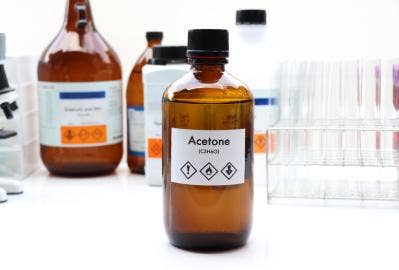
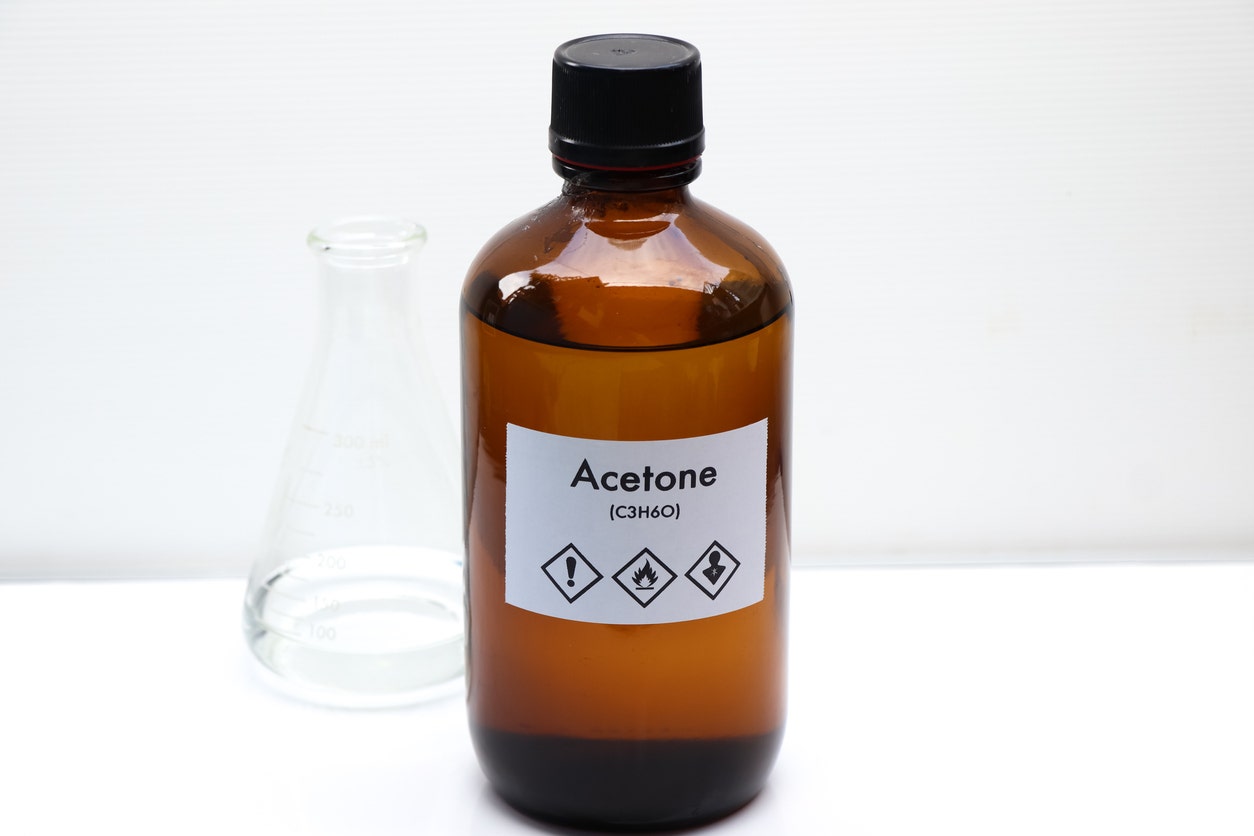
GHS Hazard Pictograms:
-
GHS02 — Flame (flammable liquid)
-
GHS07 — Exclamation mark (eye irritation, skin irritation, narcotic effects)
-
GHS08 — Health hazard (reproductive toxicity, target organ toxicity)
NFPA Hazard Rating: Health: 1 / Flammability: 3 / Reactivity: 0
Hazard Classification: Flammable liquid (Category 2); Serious eye irritation (Category 2); Skin irritation (Category 2); Specific target organ toxicity, single exposure, narcotic effects (Category 3); Reproductive toxicity (Category 2)
Primary Risks
Acetone is extremely flammable, with vapors that are heavier than air and capable of traveling considerable distances to an ignition source and flashing back. Exposure routes include inhalation, skin contact, eye contact, and ingestion, each carrying distinct risk profiles detailed in the section below.
Exposure Risks & Health Effects
Inhalation Risks
Inhalation is the most common route of occupational exposure to acetone. At moderate vapor concentrations, acetone irritates the mucous membranes and upper respiratory tract, producing symptoms including coughing and throat discomfort. At higher concentrations, it acts as a CNS depressant, causing headache, drowsiness, dizziness, weakness, and loss of coordination. Very high concentrations can cause unconsciousness. Workers in poorly ventilated spaces are at greatest risk, particularly during large-volume transfers or open-container use.
Skin Contact Risks
Acetone irritates on direct contact, with redness and inflammation possible after brief exposure. Prolonged or repeated skin contact leads to defatting, the removal of natural skin oils, resulting in drying, cracking, and dermatitis with continued exposure. Although acetone is only slightly absorbed through intact skin, absorption is possible and increases with damaged or compromised skin. Contaminated clothing should be removed immediately to prevent prolonged contact.
Eye Contact Risks
Eye contact with liquid acetone or high concentrations of vapor causes irritation, redness, and pain. Aerosol or splash exposure can produce more significant irritation requiring immediate flushing. Although acetone is not classified as causing permanent eye damage under standard GHS criteria, the discomfort and potential for secondary injury from involuntary rubbing make prompt decontamination essential.
Ingestion Risks
Acetone is harmful if swallowed. Ingestion causes nausea, stomach pain, and vomiting, and the aspiration hazard associated with vomiting is the most serious concern. Even small quantities of acetone aspirated into the lungs can result in chemical pneumonitis, a potentially serious condition requiring immediate medical evaluation. Inducing vomiting is contraindicated for this reason.
Chronic Effects
Repeated or prolonged exposure to acetone may produce chronic effects on the CNS, kidneys, liver, and reproductive system. Persistent skin exposure leads to dermatitis. Acetone is classified as a suspected reproductive toxin based on animal data, though ACGIH designates it A4, meaning it is not classifiable as a human or animal carcinogen. Some commercial grades may contain trace amounts of benzene and formaldehyde, which carry their own chronic hazard profiles and should be considered when selecting a grade for long-term or high-volume applications.
First Aid Procedures
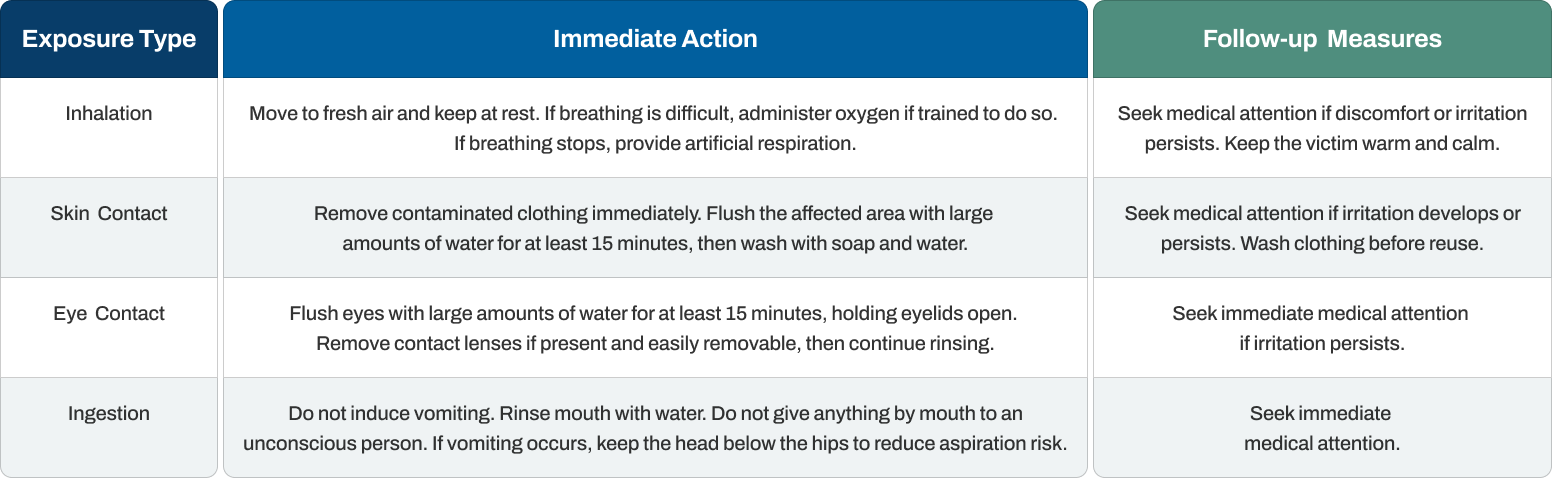
Medical personnel should provide symptomatic and supportive care. There is no specific antidote for acetone exposure. Cases involving ingestion should be monitored for aspiration pneumonitis, and CNS effects should be tracked in any case involving significant inhalation.
Handling & Storage Precautions
Safe handling of acetone requires strict ignition source control, adequate ventilation, and proper grounding practices throughout all operations.
Safe Handling Procedures
Work should be conducted only in well-ventilated areas or with local exhaust ventilation in place. Explosion-proof electrical equipment, ventilation systems, and lighting are required wherever acetone is used or stored.
Recommended PPE includes chemical-splash goggles, chemical-resistant gloves, and a lab coat or chemical-resistant apron. A NIOSH-approved respirator should be used when ventilation cannot maintain vapor concentrations below the ACGIH TLV of 250 ppm.
All containers and receiving equipment must be grounded and bonded during transfers to prevent static discharge ignition. No smoking is permitted in any area where acetone is used or stored.
Storage Requirements
-
Store in a segregated, approved flammables storage area
-
Keep containers tightly closed and away from direct sunlight, heat, and all ignition sources
-
Store in a cool, dry, well-ventilated area
-
Use only approved containers for flammable liquids; empty containers retain flammable residue and must be handled accordingly
-
Classified as OSHA/NFPA Class IB Flammable Liquid
Incompatible Substances
-
Strong oxidizing agents: chromic anhydride, nitric acid, hydrogen peroxide, chlorine
-
Strong reducing agents
-
Strong bases: sodium hydroxide, barium hydroxide, potassium hydroxide
-
Strong acids: sulfuric acid
-
Chlorinated hydrocarbons: chloroform
-
Many plastics and rubbers: verify compatibility before selecting storage containers or transfer equipment
Spill & Leak Procedures
Emergency Response Steps
The priority in any acetone spill is the elimination of ignition sources. All flames, sparks, and non-explosion-proof electrical equipment must be shut down or removed from the area immediately. Personnel should be evacuated and kept upwind of the spill site. All cleanup equipment must be grounded, and appropriate PPE, including respiratory protection, must be worn.
Containment Methods
For small spills, ensure adequate ventilation, contain the material if safe to do so, and absorb with non-combustible material such as vermiculite, dry sand, or earth. Do not use sawdust or other combustible absorbents. A vapor-suppressing foam may be applied to reduce vapor release. For large spills:
-
Stop the leak only if safe to do so without personal risk
-
Use a water spray to disperse vapors and protect personnel
-
Contain the spill with dikes or absorbent barriers
-
Collect spilled material with non-combustible absorbent
-
Prevent entry into sewers, waterways, basements, or confined spaces
Proper Disposal
Acetone waste must be disposed of at a licensed hazardous waste disposal facility in accordance with local, state, and federal regulations. Do not flush to the sewer or drain. The material is highly flammable; all applicable regulations must be observed. Contact a licensed professional waste disposal service for large-volume or recurring disposal needs.
Fire & Explosion Hazards
Flammability
Acetone is an extremely flammable liquid and vapor. Its flash point of -20°C (-4°F) means ignition is possible at temperatures well below freezing, making it one of the most readily ignited common solvents.
The autoignition temperature is 465°C (869°F), and the explosive range spans from 2.5% (LEL) to 12.8% (UEL) by volume in air. Vapors are heavier than air, with a vapor density of 2.0 and can travel considerable distances to an ignition source before flashing back to the point of origin.
Extinguishing Media
-
Small fires: dry chemical powder, CO2, water spray, or alcohol-resistant foam
-
Large fires: water spray, fog, or alcohol-resistant foam
-
Do NOT use straight streams of water on large fires
Firefighting Precautions
Firefighters must wear NIOSH-approved self-contained breathing apparatus and full bunker gear. Containers exposed to fire should be cooled with flooding quantities of water and kept cool until well after the fire is extinguished.
Sealed or empty containers may explode when heated. Withdraw immediately if a rising sound from a venting safety device or visible tank discoloration is observed. Primary combustion products are carbon monoxide (CO) and carbon dioxide (CO2); thermal decomposition may also generate additional irritating or toxic gases.
Regulatory Information & Compliance
OSHA Regulations
Acetone is regulated under OSHA's Hazard Communication Standard (29 CFR 1910.1200) and is classified as an OSHA/NFPA Class IB Flammable Liquid. The OSHA Permissible Exposure Limit (PEL) is 1,000 ppm TWA (2,400 mg/m3) per 29 CFR 1910.1000.
NIOSH recommends a more conservative REL of 250 ppm as a 10-hour TWA (590 mg/m3). The ACGIH Threshold Limit Value (TLV) is 250 ppm TWA with a 500 ppm STEL for short-term exposures not exceeding 15 minutes.
EPA & Environmental Impact
Acetone is listed as a CERCLA Hazardous Substance with a reportable quantity (RQ) of 5,000 lbs (2,270 kg). It is included on the TSCA inventory and is not listed under SARA Section 313 or the Clean Air Act Hazardous Air Pollutant list.
Acetone is readily biodegradable and has a low bioaccumulation potential. It is not classified as environmentally hazardous under typical use conditions, though entry into waterways or confined drainage systems must be prevented.
DOT Transportation Regulations
Acetone is regulated in transport as a flammable liquid under DOT Hazard Class 3, UN1090, Proper Shipping Name: Acetone, Packing Group II. All containers must be labeled as Flammable Liquid. Acetone containers are UN-approved and DOT-compliant with proper flammable liquid labeling across all pack sizes.
State Right-to-Know
Acetone is listed on the Right-to-Know hazardous substance lists for New Jersey, Pennsylvania, Massachusetts, and Illinois. It is not listed under California Proposition 65.
ACS & Grade Compliance
Acetone 99.5% ACS Grade meets American Chemical Society purity specifications. HPLC Grade meets the analytical purity standards required for chromatography applications. Semiconductor/Electronic Grade meets purity thresholds for electronics manufacturing applications.
Technical Documents & Resources
-
Safety Data Sheets (SDSs) are available for all acetone grades and concentrations and cover safety handling procedures, first aid measures, and regulatory compliance information.
-
Certificates of Analysis (COAs) are available upon request and verify purity and compliance with applicable grade standards including ACS, HPLC, and Semiconductor/Electronic specifications.
Final Note
Acetone's extremely low flash point, heavier-than-air vapor behavior, and CNS effects require consistent attention to ventilation, ignition source control, and personal protective equipment at every stage of handling. The exposure risks associated with inhalation, skin contact, and ingestion are well-documented, and the aspiration hazard in cases of ingestion makes a correct first aid response critical.
Regulatory exposure limits from OSHA, NIOSH, and ACGIH provide a framework for safe workplace use, and compliance with DOT transport requirements and CERCLA reporting thresholds is mandatory for facilities handling the material at volume. Adherence to the handling, storage, and emergency response guidelines in this article is the foundation of safe acetone use across any application.
Explore our Resource Library for more information.
Our Customer Care team is also available for more information and documentation, including chemical Safety Data Sheets.
Need Acetone You Can Trust?
If you are looking for high-quality acetone for your lab, product line, or research facility, be sure to visit our store to explore our trusted selection and request a quote.
As your trusted partner in chemical supply, Lab Alley is always striving to meet the growing demands of our customers. We want you to be able to access all of your chemical needs in one place, along with streamlined online ordering and fast shipping.
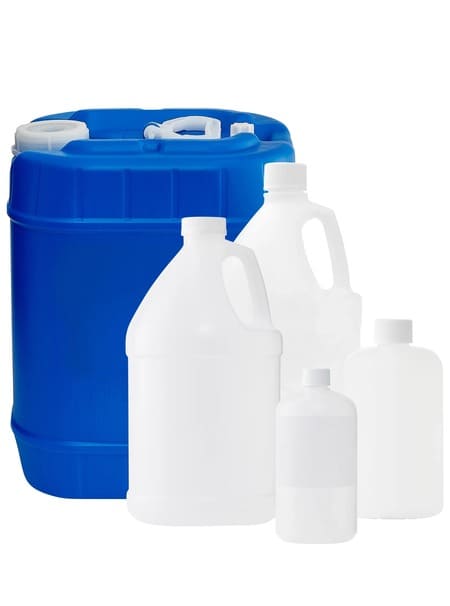
Due to popular demand from our valued clientele, Lab Alley's acetone is available in a range of purities and packaging options to suit various commercial, laboratory, and personal needs.