





Denatured Ethanol Shelf Life & Expiration
Denatured ethanol stands out as a remarkably stable industrial solvent, but knowing how long it remains effective is important for quality control and regulatory compliance. The toxic additives that make it unsuitable for consumption also influence its durability in manufacturing, cleaning, and lab environments. Storage practices directly affect how long you can rely on it.
Several factors determine when a batch stops meeting specifications. The denaturants themselves, how you store the material, and environmental conditions all shape its usable timeline. This guide covers practical expectations, degradation warning signs, and handling procedures for material past its prime.


In this article, we’ll review:
- How Long Does Denatured Ethanol Last?
- Signs That Denatured Ethanol Has Expired
- What to Do If Denatured Ethanol Is Expired
How Long Does Denatured Ethanol Last?
Formulation type, alcohol content, packaging quality, and storage environment all influence lifespan. High-purity SDA formulations typically stay viable for five years from production under ideal conditions, though environmental factors can shorten that window significantly.
Chemical Stability
The molecular makeup of denatured ethanol contributes to its reputation for durability.
This solvent resists breakdown remarkably well during typical storage. The denaturants added to prevent consumption often double as stabilizers and antimicrobial agents, creating a solution that outlasts pure ethanol. Compounds like methanol, isopropanol, and denatonium benzoate work together with the base alcohol to fight off contamination and chemical changes.
Under standard warehousing conditions, true chemical degradation rarely happens. Extreme heat combined with prolonged light exposure could theoretically trigger breakdown into acetaldehyde and denaturant byproducts, but proper storage prevents this. The denaturants themselves hold up well, keeping their toxic properties throughout the expected lifespan.
The bigger concern is liquid loss through imperfect seals. When ethanol evaporates from poorly sealed containers, it throws off the ratio between alcohol and denaturants. Industrial processes depend on specific concentrations, and safety protocols assume particular denaturant levels, so these shifts matter more than most people realize.
UV exposure can ruin the material within three months, depending on the packaging. The ethanol component usually suffers more damage than the stabilizing denaturants, though both can degrade. This vulnerability makes protective storage essential rather than optional.
Purity & Packaging
What grade you're working with and how it's packaged directly affects longevity.
Formulations at 190 to 200 proof contain minimal water, limiting opportunities for contamination or unwanted reactions. These concentrated versions with their stabilizing denaturants outlast diluted alternatives while maintaining TTB compliance. Lower water content means fewer variables that could compromise stability.
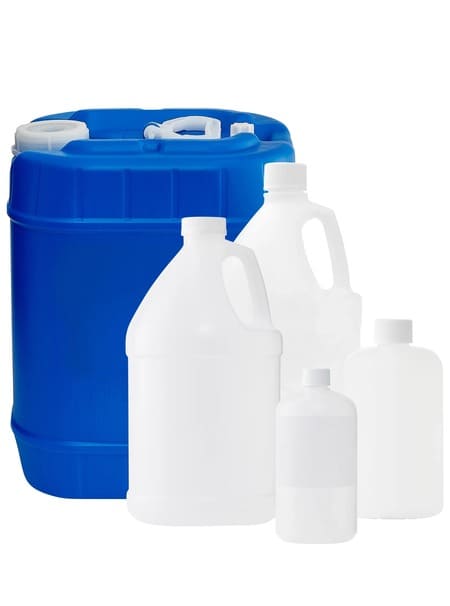
Industrial-grade HDPE plastic, glass, and chemical-resistant containers work best. These materials won't react with either ethanol or the specific denaturants in your formulation. Some denaturants prove more aggressive than pure ethanol, so what works for one formulation might fail with another.
Untreated aluminum and certain brass alloys corrode when exposed to denatured ethanol, particularly formulations containing methanol. This corrosion contaminates your solvent while weakening containers. Always verify material compatibility before committing to storage containers.
Manufacturers design their containers specifically for long-term storage with appropriate denaturants. The seals, materials, and construction all account for the chemical properties inside. Transferring to other containers introduces risks unless you match these specifications.
Storage Conditions
Where and how you store this material has more impact on lifespan than most other factors.
Industrial standards and TTB requirements call for temperatures between 15-27°C. Outside this range, you risk accelerated evaporation, container stress, and potentially unstable denaturants. Temperature extremes affect both components, sometimes in different ways that throw off the critical balance.
Direct sunlight and UV exposure destroy quality faster than almost anything else. Even strong artificial lighting contributes to degradation over time. Opaque containers help, but dedicated storage in dark areas provides better protection. Some denaturants are particularly light-sensitive.
This material qualifies as a Class IB flammable liquid. Storage areas need proper separation from ignition sources, adequate ventilation to prevent vapor buildup, and appropriate fire suppression systems. OSHA and local fire codes provide specific requirements based on storage volume.
Denatured ethanol absorbs moisture from air readily. High-humidity areas accelerate this process, diluting concentration and throwing off denaturant ratios. Keeping relative humidity below 50% protects the formulation from these unwanted changes.
Tight closures prevent both evaporation and moisture absorption. Even small gaps allow ethanol to escape preferentially, changing the denaturant-to-alcohol ratio gradually. For bulk storage systems, every valve and connection point deserves attention during maintenance.
Signs That Denatured Ethanol Has Expired
Degraded material shows distinct symptoms you can learn to recognize. Catching these early prevents process failures and potential safety issues.
- Concentration Changes: Significant deviation from labeled proof or percentage indicates a problem, usually from evaporation. This matters because industrial processes depend on specific concentrations. When concentration shifts, denaturant ratios shift too, affecting both performance and safety profiles.
- Denaturant Ratio Alterations: Ethanol and its various denaturants don't always evaporate at identical rates. Over time, especially in containers that aren't perfectly sealed, this differential creates formulations that drift from specifications. The solution might become more toxic than intended or simply ineffective for its purpose.
- Discoloration: Fresh denatured ethanol runs clear. Yellow, amber, or brown tints signal chemical changes, contamination, or denaturant breakdown. This color shift often accompanies reduced effectiveness.
- Unusual Odors: This material carries a characteristic smell from its denaturants that workers recognize. Any additional or different odors suggest contamination or chemical degradation. Since people rely on familiar scents as part of hazard recognition, changes here deserve immediate investigation.
- Sediment or Particulates: Cloudiness, sediment, or floating material all indicate serious problems. These visible particles could come from container degradation, external contamination, or precipitation of denaturants reacting inappropriately.
- Container Integrity Issues: Cracks, leaks, or failed seals expose contents to air and contaminants while allowing concentration-changing evaporation. Container damage also presents direct safety hazards through potential spills or vapor release.
- Performance Degradation: Sometimes the material looks fine but doesn't work right anymore. Slower dissolution rates, reduced cleaning power, or incomplete reactions all point to degraded material that's lost effectiveness.
To quickly assess conditions, watch for these warning signs. Concentration deviation typically results from evaporation through imperfect sealing or elevated temperatures. Test concentration and denaturant levels before deciding whether to replace material.
Yellow or amber coloration usually comes from UV exposure, thermal degradation, or contamination. Discard affected material and improve storage conditions for replacement stock. Foreign odors indicate external contamination or chemical degradation, meaning you shouldn't use the material and need to follow proper disposal protocols.
Visible particles suggest container degradation or unwanted chemical reactions. Replace material immediately and investigate what went wrong. Failed performance testing can stem from various degradation pathways, requiring replacement with fresh certified stock.
What to Do If Denatured Ethanol Is Expired
Discovering expired or degraded material requires specific steps to maintain safety, regulatory compliance, and protect operations.
Check Manufacturer Guidelines
Start with documentation from your supplier. Packaging and certificates of analysis include expiration or retest dates that establish baseline expectations. Industrial applications need to respect these timelines for consistent results and proper worker protection.
Some suppliers offer retesting protocols for borderline material in less critical applications. Qualified personnel with proper testing equipment can sometimes salvage material approaching expiration dates. This only makes sense when you can verify that both ethanol concentration and denaturant ratios remain within acceptable ranges.
TTB Compliance Assessment
Expired material may violate TTB specifications even if it appears acceptable to visual inspection. Testing needs to confirm concentration accuracy, proper denaturant ratios, and the absence of unexpected contaminants. Every parameter spelled out in your TTB permit or SDA formulation approval carries weight.
Document all test results thoroughly. TTB compliance isn't optional for permitted users, and expired material that fails specifications puts your authorization at risk. If you hold an SDA permit, maintaining quality records protects your continued ability to operate.
Safety Evaluation
Changing denaturant concentrations creates legitimate safety concerns. If ethanol has evaporated preferentially, denaturant levels may be higher than originally intended, increasing toxicity beyond what safety protocols assume. Conversely, if denaturants have degraded or escaped, the solution may be less toxic but also considerably less effective.
Review safety data sheets and update workplace protocols before anyone handles material with questionable composition. Workers need to know if usual safety assumptions no longer apply. This includes updating spill response procedures and personal protective equipment requirements if concentrations have shifted significantly.
Follow Proper Disposal Procedures
Disposal involves navigating multiple regulatory frameworks simultaneously. Local hazardous waste rules apply because of flammability and toxicity concerns. TTB requirements apply because this qualifies as industrial alcohol. Never pour this material down drains or dispose of it in regular trash.
Find waste disposal services that understand TTB industrial alcohol regulations alongside standard denaturant toxicity concerns. Standard hazardous waste contractors often lack experience with the regulatory aspects specific to denatured alcohol.
Use clearly marked containers rated specifically for flammable liquids during disposal. Keep detailed records covering quantities, formulation types, and disposal methods. For SDA permit holders, this documentation isn't just good practice but a regulatory requirement.
Replace with Fresh Stock
Getting new material means verifying it meets your specific needs. Confirm the SDA formulation matches your TTB permit exactly. Check that denaturant types and concentrations align with your industrial processes. Different formulations suit different applications, and TTB regulations prohibit unauthorized substitutions.
Buy from suppliers who provide complete documentation: current certificates of analysis, TTB compliance verification, and full traceability information. Inspect packaging upon delivery to confirm intact seals and proper labeling. Make sure storage recommendations match your facility capabilities before accepting large quantities.
Documentation and Record Keeping
Proper records protect your TTB compliance standing and support safety audits. Document disposal dates, exact quantities, lot numbers, and formulation types for everything you discard. Keep copies of disposal receipts and hazardous waste manifests.
Track replacement material with lot numbers, purchase dates, and compliance certifications. Record any testing performed on either expired material or replacement batches. Investigate why the material expired earlier than expected, if that happens, since it points to correctable storage problems.
Update inventory systems immediately to reflect both disposals and new stock arrivals. For SDA permit holders, these records will be reviewed during TTB inspections and may be required as part of annual reporting obligations.
Proper Storage Extends Shelf Life
Smart storage practices from the beginning maximize how long material stays useful and compliant. These practices also protect workers and preserve industrial effectiveness.
Container Requirements
Keep denatured ethanol in appropriate industrial-grade, chemical-resistant containers that work with your specific denaturants. Use containers specifically approved for industrial chemical storage and verified as compatible with the particular denaturants in your formulation.
Manufacturer packaging usually works best until you break the seal for first use. When transferring to secondary containers becomes necessary, match the chemical resistance and material quality standards of the original. HDPE plastic suits most SDA formulations well. Glass provides excellent chemical resistance across virtually all denaturant types. Stainless steel works for bulk storage but requires proper grounding to prevent static buildup.
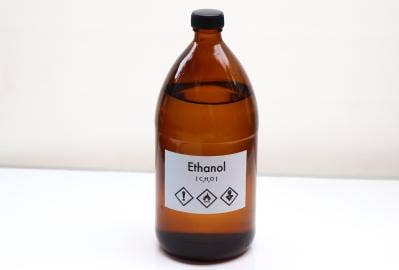
Label everything clearly. Include formulation type, concentration, specific denaturant details, TTB compliance information, and all appropriate hazard warnings. Clear labeling prevents dangerous mix-ups.
Temperature Control
Maintain storage temperatures at 15-27°C following industrial chemical storage standards. Avoid locations near heat sources, loading docks, windows, or other areas subject to significant temperature fluctuations.
Consider climate control systems in facilities located in hot climates or areas with dramatic seasonal temperature variations. The investment in proper temperature control prevents premature expiration and maintains both denaturant ratios and overall product quality.
Monitor storage area temperatures regularly and maintain documentation logs. Temperature excursions outside recommended ranges should trigger inspection of affected materials to verify whether concentrations or denaturant ratios have shifted.
Light and Heat Protection
Protect stored material from light and heat sources that could cause degradation. Use opaque containers or dedicated storage areas to prevent photodegradation of sensitive denaturant compounds.
Store containers away from windows and artificial lighting sources that emit UV radiation. Even standard fluorescent lighting can contribute to gradual degradation over extended periods.
Consider dedicated storage rooms or cabinets that provide complete light protection for long-term storage. For smaller quantities used more frequently, opaque containers provide adequate protection.
Proper Sealing
Check seals after every use to verify integrity hasn't been compromised. Consider containers with positive-seal closures that provide visual confirmation when properly secured. For frequently accessed containers, implement procedures that minimize opening time and limit exposure to ambient air.
Inspect seals and closures for signs of degradation, particularly when storing formulations with aggressive denaturants. Replace damaged seals immediately to prevent concentration drift and maintain acceptable air quality.
For bulk storage systems, ensure all valves, pumps, and connections are properly sealed and receive regular inspection as part of preventive maintenance programs.
Compliant Storage Facilities
Store in approved industrial facilities meeting TTB requirements for SDA storage with adequate ventilation, fire safety systems, and security measures to prevent unauthorized access.
Local fire codes specify requirements for flammable liquid storage, including proper separation distances and fire suppression systems. TTB regulations cover security and access control for SDA storage. OSHA addresses worker safety concerns.
Ventilation systems need to provide adequate air exchange to prevent the accumulation of flammable vapors while maintaining appropriate temperature and humidity levels. Storage areas should restrict access to authorized personnel only.
Fire safety systems must be appropriate for Class IB flammable liquids, with proper extinguisher types, suppression systems, and emergency response procedures. Electrical equipment in storage areas should be rated for use in flammable atmospheres.
Regular Quality Monitoring
Implement testing protocols to verify continued effectiveness and compliance throughout the storage period. Testing frequency should be based on application criticality, storage condition stability, historical performance data, and proximity to expiration dates.
Test both ethanol concentration and denaturant ratios to ensure material remains within specification limits. Simple specific gravity or refractometer tests can quickly verify overall concentration, while more detailed analysis may be needed periodically to confirm denaturant ratios.
Maintain complete records of all quality monitoring activities to demonstrate ongoing compliance and identify trends that might indicate emerging storage problems. For critical applications, consider implementing scheduled retesting even for materials well within their stated shelf life.
Inventory Management
Follow TTB record-keeping requirements for SDA storage, including proper documentation of quantities, formulations, and usage. Implement a first-in, first-out inventory system to ensure older material gets used before approaching expiration.
Track lot numbers and manufacture dates for all stored materials. This enables quick identification of potentially affected batches if a supplier issues a quality notice or if storage conditions become compromised.
For SDA permit holders, these records must be available for TTB inspection and may need to be submitted in annual reports. Consider implementing barcode or RFID tracking systems for larger operations to automate record-keeping and reduce documentation mistakes.
Conclusion
Denatured ethanol generally lasts 3-5 years from manufacture for SDA formulations, significantly longer than non-denatured ethanol under similar conditions. CDA and SDA formulations maintain extended shelf life while meeting TTB specifications, though diluted solutions have shorter lifespans of 2-3 years due to increased water content.
The primary concerns are evaporation leading to altered denaturant ratios, light-induced degradation of both components, and maintaining TTB compliance. Proper storage in sealed, chemical-resistant containers away from heat, light, and ignition sources while following TTB requirements is essential for maintaining quality, regulatory compliance, and maximizing shelf life.
For more detailed guidance, explore our Resource Library for comprehensive storage and handling information.
Our Customer Care team is also available for more information and documentation, including chemical Safety Data Sheets.
Need Denatured Ethanol You Can Trust?
If you are looking for high-quality denatured ethanol for your lab, product line, or research facility, be sure to visit our store to explore our trusted selection and request a quote.
As your trusted partner in chemical supply, Lab Alley is always striving to meet the growing demands of our customers. We want you to be able to access all of your chemical needs in one place, along with streamlined online ordering and fast shipping.
Due to popular demand from our valued clientele, Lab Alley's denatured ethanol is available in a range of purities and packaging options to suit various commercial, laboratory, and personal needs.